City in Botswana
Gaborone
About Gaborone
Gaborone, the capital and largest city of Botswana, is located in the southeastern part of the country, nestled between Kgale Hill and Oodi Hill, and near the confluence of the Notwane and Segoditshane Rivers. It sits approximately 15 kilometers from the South African border. The city was established in 1964 and named after Chief Gaborone of the Tlokwa people, who historically controlled nearby land. Its selection as the capital for the newly independent Bechuanaland Protectorate in the mid-1960s was due to its central location, proximity to a fresh water source, and its position along the railway line to Pretoria, without being tied to any specific indigenous group.
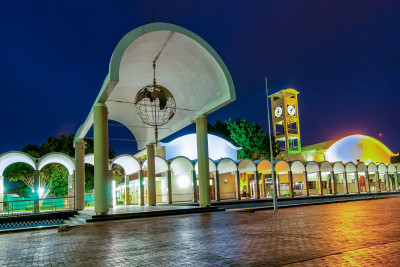
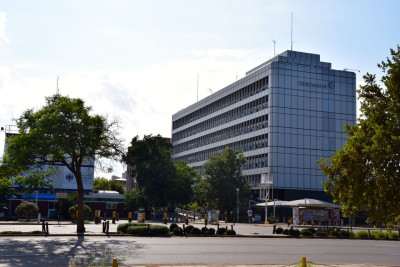
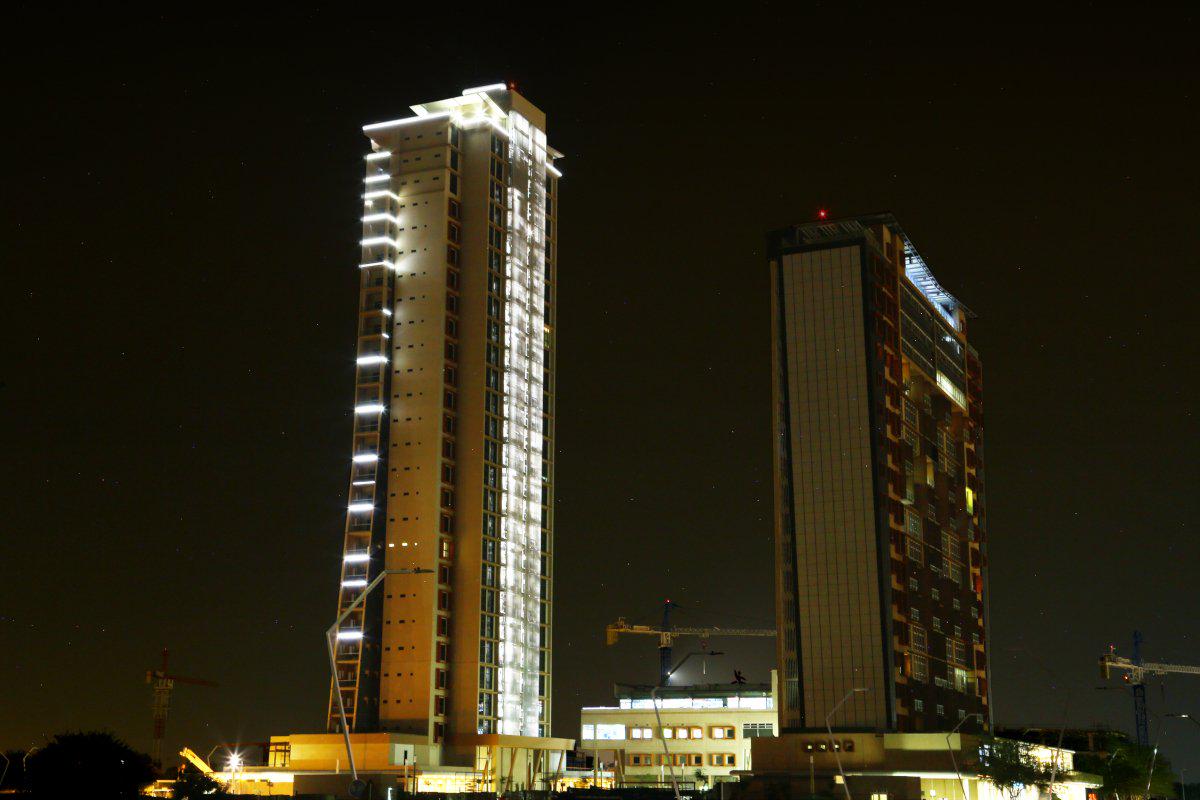
The city's layout was influenced by Garden City principles, featuring numerous pedestrian walkways and open spaces. The central area includes the "Main Mall," a commercial strip, and a semi-circular government enclave to its east, housing the National Assembly and other government offices. Gaborone has experienced rapid growth, becoming a significant economic hub in Botswana, home to the national stock exchange, major companies, and the headquarters of the Southern African Development Community (SADC).
For recreation, visitors can explore the Gaborone Game Reserve, a 600-hectare park east of the city, offering game drives and picnic spots with various ungulates, reptiles, and bird species. The Gaborone Dam, south of the city, is a popular spot for birdwatching, windsurfing, and fishing, though swimming is not advised due to crocodiles. Kgale Hill, known as the "Sleeping Giant," provides hiking opportunities with scenic views. The National Museum and Art Gallery showcases traditional crafts, local art, and an exhibit on the San people, while the National Botanical Garden protects indigenous plant life. The Maitisong Festival, held annually, features outdoor concerts, plays, and films across the city.