
About
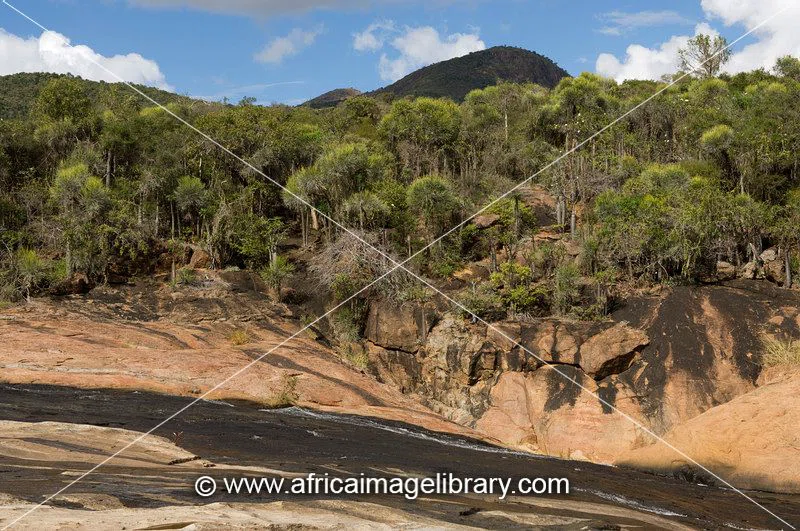
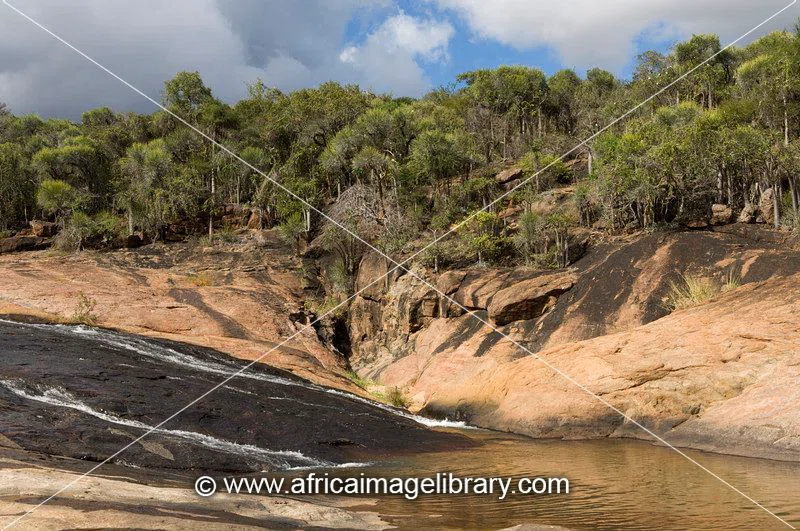
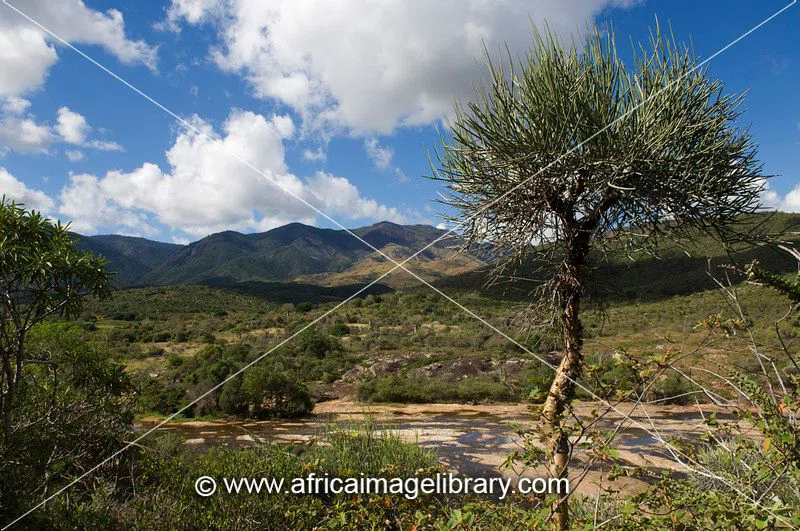
Andohahela National Park, located in the extreme southeast of Madagascar within the Anosy region, is a remarkable protected area covering 76,140 hectares (760 km²) of the Anosy mountain range, the southernmost spur of the Malagasy Highlands. Established as a protected area in 1939 and upgraded to a National Park in 1997, it was inscribed as a UNESCO World Heritage Site in 2007 as part of the "Rainforests of the Atsinanana". The park is uniquely characterized by three distinct climatic zones and habitats: dense tropical rainforest on its eastern slopes, receiving high annual rainfall of around 2,000mm; dry spiny forest on its western side, with significantly less rainfall (around 700mm/year); and a transitional forest known as the Ranopiso Transition, found between these two extremes. This ecological gradient, the only one of its kind on the island, supports an extraordinary array of biodiversity.
The park is a haven for wildlife, boasting 14 recorded species of lemurs, including the iconic ring-tailed lemur (Lemur catta), Verreaux's sifaka (Propithecus verreauxi), collared brown lemur (Eulemur collaris), southern lesser bamboo lemur (Hapalemur meridionalis), and the elusive aye-aye (Daubentonia madagascariensis). Birdwatchers can spot over 129 species, 65% of which are endemic to Madagascar, such as the Fanovana Newtonia. The diverse habitats also support 110 species of reptiles and amphibians, including various geckos, chameleons, and snakes, with several local endemic species. The flora is equally rich, with over 1,890 plant species, 65% of which are endemic to Madagascar. Notably, it is the only place in the wild where the rare trihedral palm (Dypsis decaryi) can be found, alongside 13 other palm species and 5 species of Didieraceae.
Visitors to Andohahela National Park can engage in various ecotourism activities, including hiking along several circuits like Tantelisarotra, Lafa, Tsimelahy, and Mangatsiaka, birdwatching, and guided nature excursions. Camping facilities are available for those wishing to extend their stay. The park also plays a crucial hydrological role, providing water to surrounding communities and supporting agricultural irrigation in nearby valleys. Local communities, primarily the Antanosy and Antandroy, maintain strong cultural ties to the mountain and forest, with traditional taboos (fady) protecting certain sites.
Access to the park is typically via 4x4 tracks from Fort-Dauphin (Tolagnaro), with the best time to visit being from May to October during the drier season, which offers more passable tracks and pleasant trekking conditions.
Own this park or reserve?
Claim it to update its details and photos, add what you offer, reply to travellers and promote it on Wapota. It’s free.
Claim this listing →