
About
Ankarafantsika National Park, often referred to as the "wild jewel of northwestern Madagascar," is a vast protected area situated at the crossroads of the Ambatoboeny and Marovoay districts in the Boeny region. Located approximately 453 km north of the capital Antananarivo and 115 km south of Mahajanga, the park is easily accessible via National Road 4 (RN4). Established as a nature reserve in 1927 and officially declared a National Park in 2002, it spans an impressive 136,513 hectares (over 1,365 km²) and is recognized by UNESCO as a Ramsar site. The park's diverse landscape features a unique mosaic of dense dry deciduous forests, savannas, swamps, and several permanent lakes, including the culturally significant Lake Ravelobe. The terrain is characterized by sandy plateaus, hills, sand forests, and rocky outcrops, with sandy and ferralitic soils. A striking natural feature is the Lavaka of Ankarokaroka, a moon-like canyon formed by extensive erosion. The climate is typically hot and dry, with a rainy season from October to April.
Ankarafantsika is a critical biodiversity hotspot, serving as a refuge for numerous endemic and endangered species. It is home to eight species of lemurs, notably the critically endangered Coquerel's sifaka (Propithecus coquereli), mongoose lemur (Eulemur mongoz), and Ravelobe pygmy mouse lemur (Microcebus ravelobensis). The park is also renowned as a "Kingdom of Birds," boasting 127 bird species, including the legendary Van Dam's Vanga (Xenopirostris damii), Rufous vanga, and the majestic Madagascar fish eagle (Haliaeetus vociferoides), frequently observed around Lake Ravelobe. Reptile diversity is high, with 64 species such as the rhinoceros chameleon (Furcifer rhinoceratus), dwarf chameleon (Brookesia decaryi), and the rare Madagascan big-headed turtle (Erymnochelys madagascariensis). Nile crocodiles also inhabit Lake Ravelobe. The flora is equally rich, with over 820 plant species, 89% of which are endemic, including emblematic Western baobabs (Adansonia madagascariensis var. boinensis).
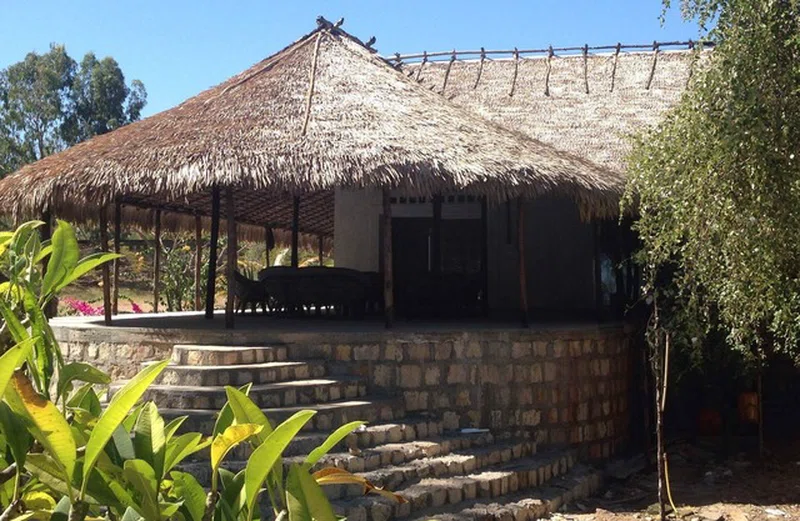
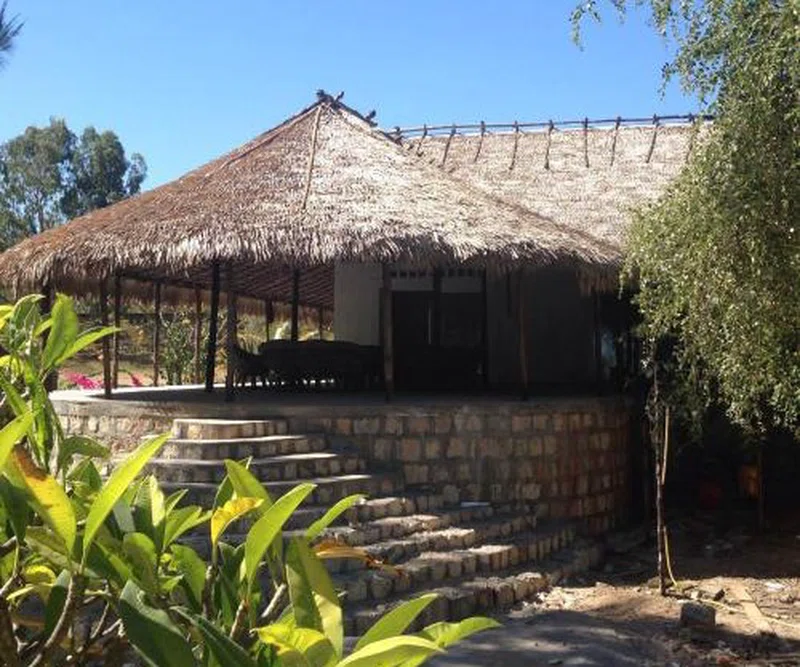
Visitors to Ankarafantsika can engage in a variety of activities, including hiking on numerous circuits that explore different facets of the park, such as the Coquereli circuit for lemur viewing, the Canyon circuit for panoramic views, and the Lake Ravelobe circuit for birdwatching and cultural insights. Boat trips on Lake Ravelobe offer a unique perspective, and guided night walks provide opportunities to observe nocturnal wildlife. The park offers rustic accommodations, including camping sites and bungalows, and a visitor center provides essential information. The local Sakalava people, the predominant ethnic group, consider the lakes sacred and their culture is deeply intertwined with the park's natural resources.
Own this park or reserve?
Claim it to update its details and photos, add what you offer, reply to travellers and promote it on Wapota. It’s free.
Claim this listing →