
About
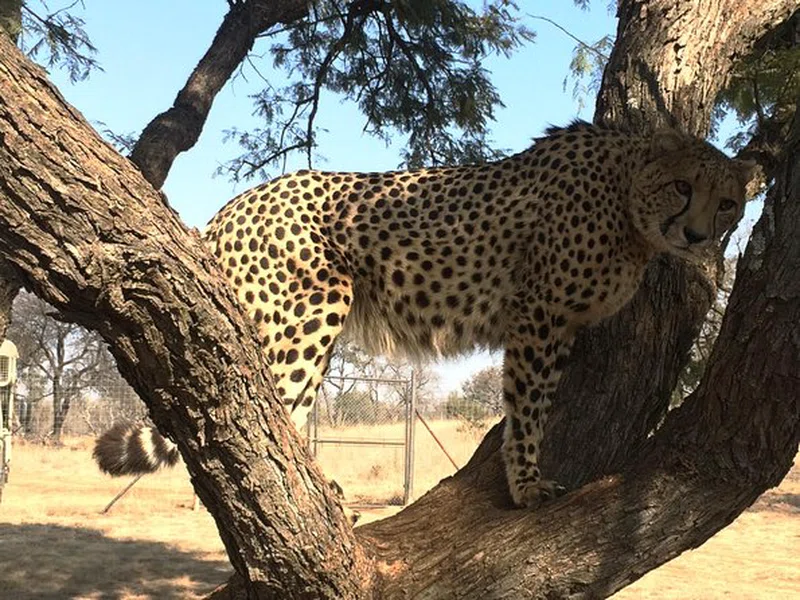
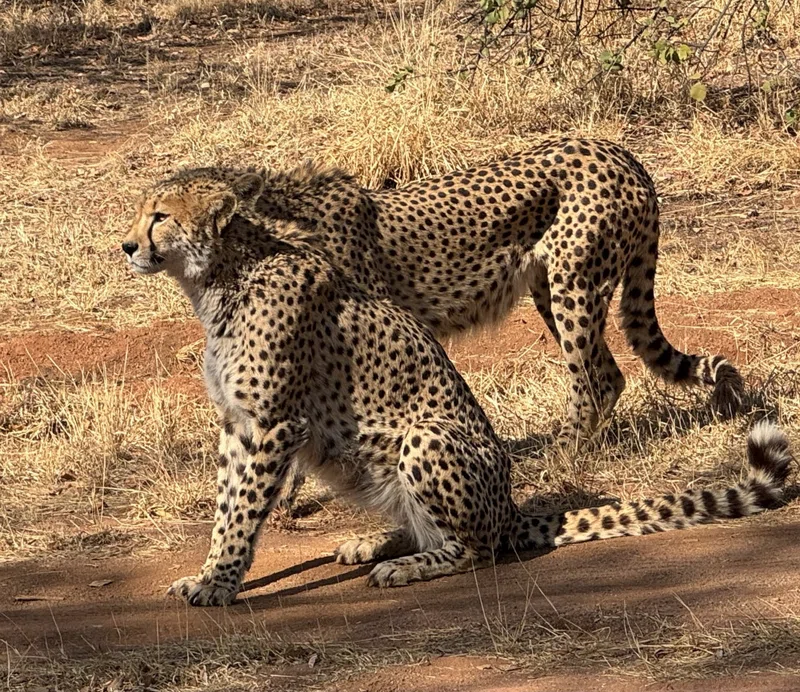
The Ann van Dyk Cheetah Centre, formerly known as the De Wildt Cheetah and Wildlife Centre, is a renowned non-profit conservation and research facility situated in the foothills of the Magaliesberg mountain range, near Brits and the Hartbeespoort Dam in South Africa's North West Province. Established in 1971 by Ann van Dyk on her 65-hectare farm, the center was founded with the crucial mission of breeding cheetahs, a species then facing severe threats with an estimated population of only 700. The center was renamed in 2010 to honor Ann van Dyk's lifelong dedication to the survival of cheetahs and other rare and endangered species.
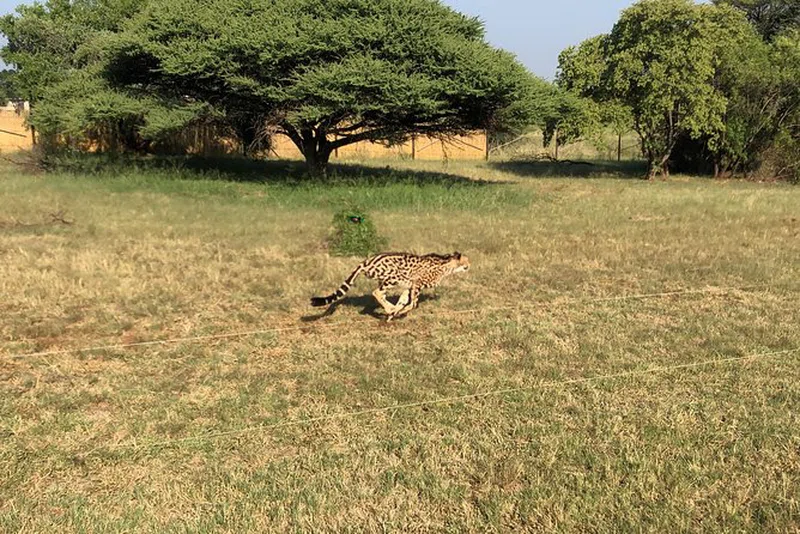
The center has achieved international recognition for its significant contributions to cheetah conservation, notably being instrumental in the species' removal from the endangered list in 1986. It was the world's first facility to breed captive cheetahs on a sustainable basis and the first CITES-approved cheetah breeding facility. Since its inception, over 600 cheetah cubs and more than 500 wild dog pups have been born at the center. It also successfully solved the mystery of the King Cheetah, proving it to be a genetic variation rather than a separate species. Beyond cheetahs, the center actively breeds other endangered animals, including African wild dogs, brown hyenas, servals, suni antelopes, blue and red duikers, riverine rabbits, African wild cats, and various vulture species, such as the rare Egyptian Vulture.
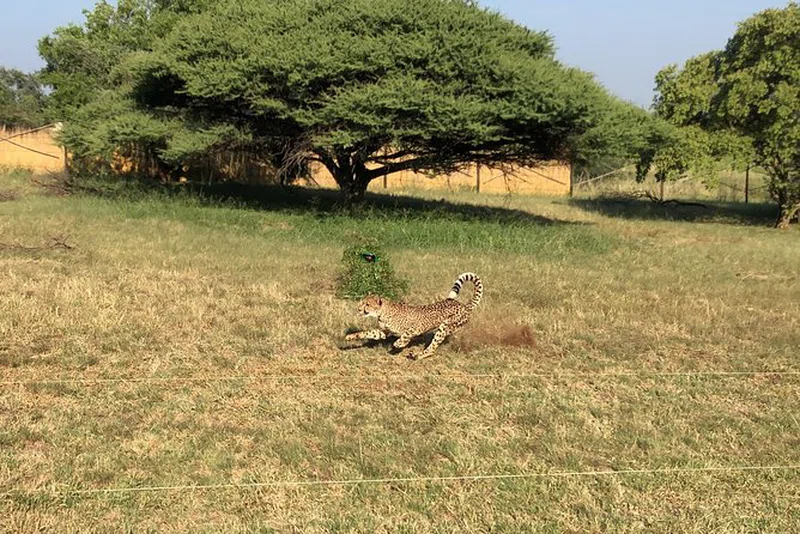
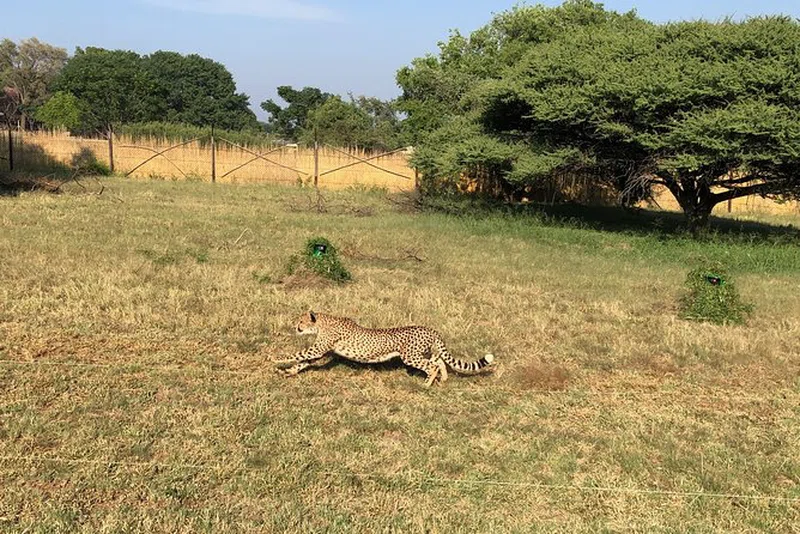
As a privately owned and funded organization, the Ann van Dyk Cheetah Centre relies entirely on income generated from daily guided tours, adoption programs, donations, and sponsorships, receiving no government funding. Visitors can partake in two-hour guided tours, either walking or in an open safari vehicle, to observe the diverse wildlife. Special cheetah run packages are available on certain mornings, offering a thrilling opportunity to witness cheetahs at high speed. The center also runs an extensive Outreach Education Programme (CHEETA), which has reached over 100,000 learners since 2003, fostering environmental awareness and inspiring future conservationists. The center does not permit ambassador interactions or touching for the general public, and there are age and height restrictions for children (no younger than seven years or shorter than 1.2 meters).
Own this park or reserve?
Claim it to update its details and photos, add what you offer, reply to travellers and promote it on Wapota. It’s free.
Claim this listing →