
About
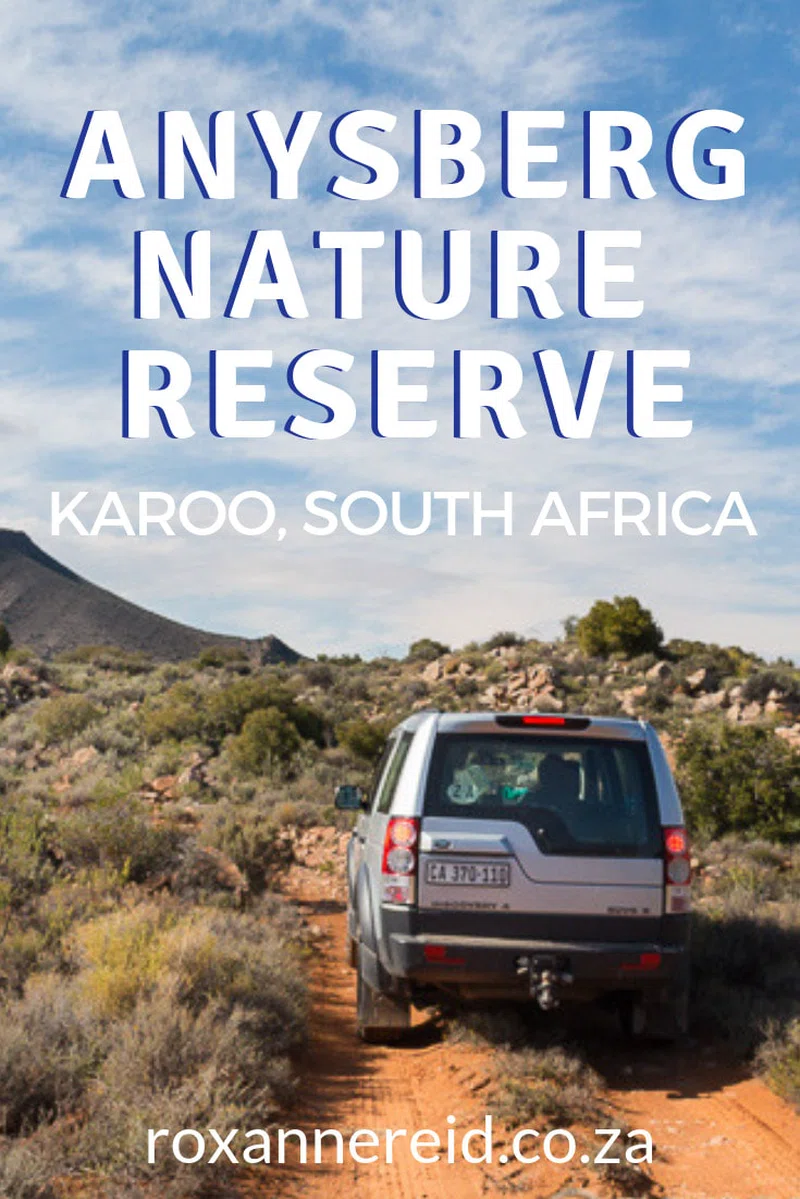
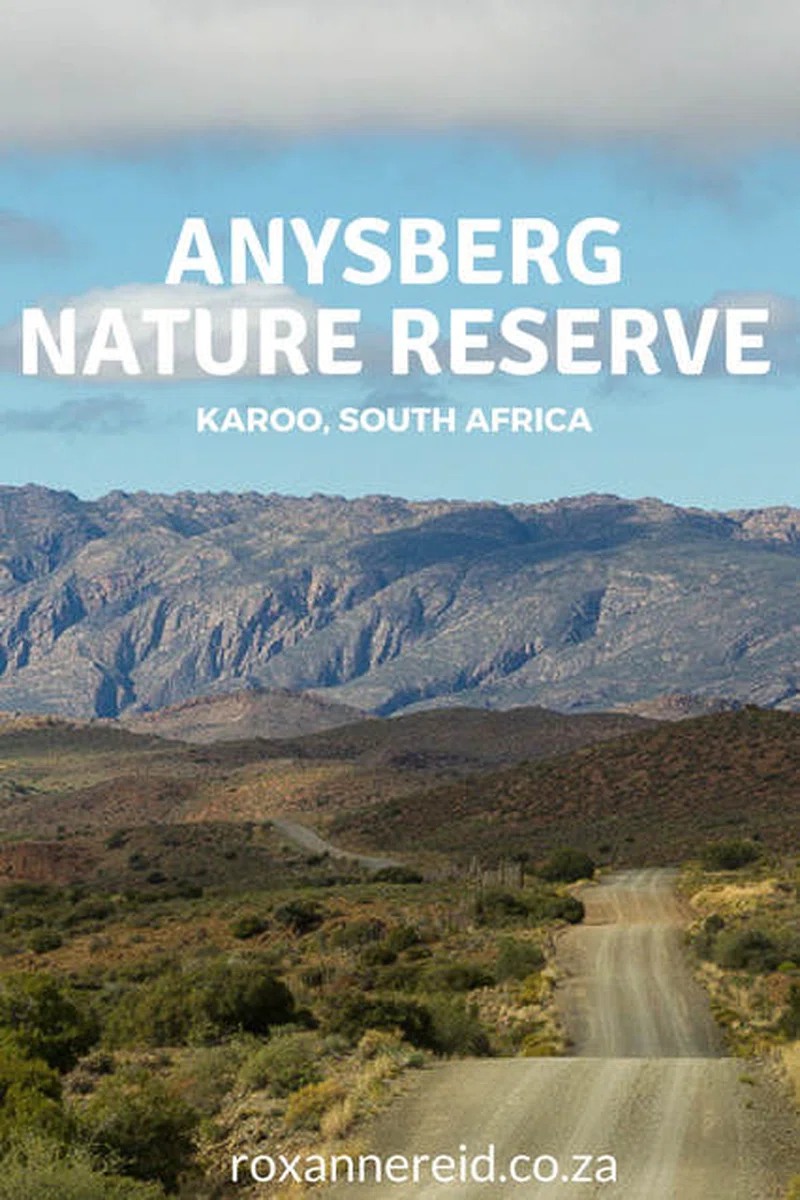
Anysberg Nature Reserve, officially proclaimed in 1990, is a vast 79,629-hectare conservation area located in the semi-arid Klein Karoo region of the Western Cape, South Africa. Situated approximately four hours from Cape Town, it lies nestled between the towns of Ladismith, Laingsburg, Touwsrivier, and Montagu. The reserve is recognized as a World Heritage Site and is characterized by a diverse landscape that transitions from gently undulating Karoo plains to rugged Cape Fold Mountains, featuring deep valleys and steep gorges. Three significant rivers—the Anys, Touws, and Prins—all tributaries of the Gouritz River system, traverse the reserve, supporting its rich biodiversity. The vegetation is a unique blend of mountain fynbos and characteristic Klein Karoo veld, showcasing eye-catching succulents and impressive Protea stands at higher altitudes, with Acacia-dominated vegetation lining the mostly dry riverbeds.
The reserve is a haven for wildlife, including various antelope species such as Eland, Gemsbok, Kudu, Cape Mountain Zebra, Grey Rhebuck, Steenbuck, and Common Duiker. Nocturnal animals like Caracal, Bat-eared Fox, Black-backed Jackal, Striped Polecat, Aardvark, and Porcupine are also present. While leopards are known to roam the mountains, their shy nature makes sightings rare. Anysberg is particularly renowned as an Important Bird Area (IBA), with approximately 180 bird species recorded, including key species like Ground Woodpecker, Cape Rockjumper, Ludwig's Bustard, and Karoo Korhaan. The critically endangered riverine rabbit can also be found within the reserve.
Visitors to Anysberg Nature Reserve can engage in a variety of activities. Hiking and walking are popular, with a marked 4.4km Landsekloof trail leading to a waterfall. Mountain biking enthusiasts can explore two scenic marked trails: the 7.5km Old School trail and the more challenging 49km Allemorgensfontein MTB trail. A guided two-day horse trail offers an immersive experience with an overnight camp, providing access to remote parts of the reserve. Additionally, a 21km Tapfontein circular route is available for 4x4 adventures. Swimming is permitted, and the reserve's remote location offers exceptional opportunities for stargazing due to minimal light pollution. The area also holds historical and cultural significance, with numerous archaeological sites and San rock art dating back thousands of years, alongside ruins from 18th-century hunters and farmers.
Accommodation options within the reserve include self-catering cottages (Agama, Seps, Gecko, Leguaan, Chameleon) and campsites, some with communal ablution facilities. Cottages are equipped with gas fridges and cooking amenities, though visitors may need to bring their own food and bedding for certain units. It is important to note that there are no fuel or shop facilities within the reserve, but firewood can be purchased on-site. Cell phone reception is generally unavailable, encouraging a true disconnection and immersion in nature.
Own this park or reserve?
Claim it to update its details and photos, add what you offer, reply to travellers and promote it on Wapota. It’s free.
Claim this listing →