
About
The Babile Elephant Sanctuary, established in 1970, is a vast protected area in eastern Ethiopia, spanning approximately 6,900 to 6,982 square kilometers. It is situated about 35-40 kilometers southeast of Harar, adjacent to Babile town, and lies roughly 560 kilometers east of Addis Ababa. The sanctuary is shared between the Oromia and Somali Regional National States. Its diverse terrain features wide gorges, open plains, rocky outcrops, and meandering river beds, transitioning to a drier, almost desert-like landscape in the south and east. Elevations within the sanctuary range from 1000 to 1750 meters above sea level. Key natural features include the valleys of the Erer, Dakata, Fafen, Gobele, and Borale rivers, all feeding into the Shabelle River. A notable landmark is the "Valley Of Marvels" or "Dakata's Rock Valley," characterized by unique lower hoodoos formed during the Precambrian era, which serves as a tourist attraction. The sanctuary's vegetation consists of semi-arid areas with dense Acacia woodlands, thick scrublands, closed savannahs, evergreen shrubs, and widespread cactus areas.
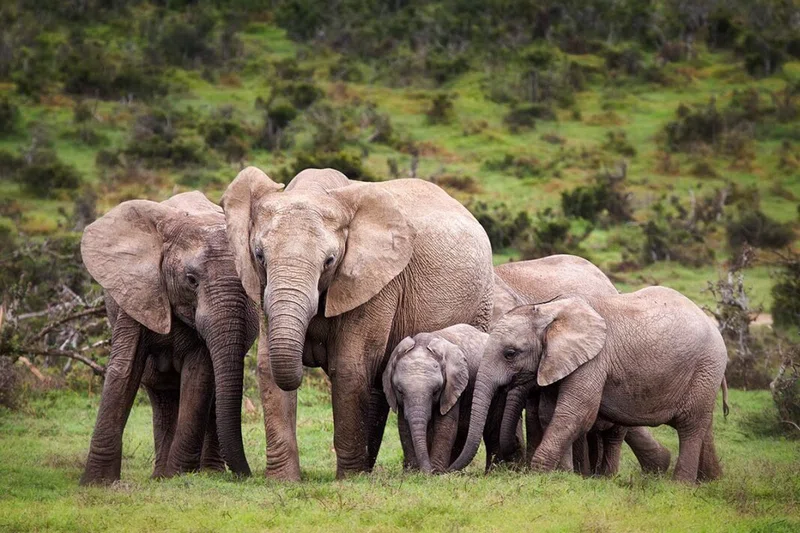
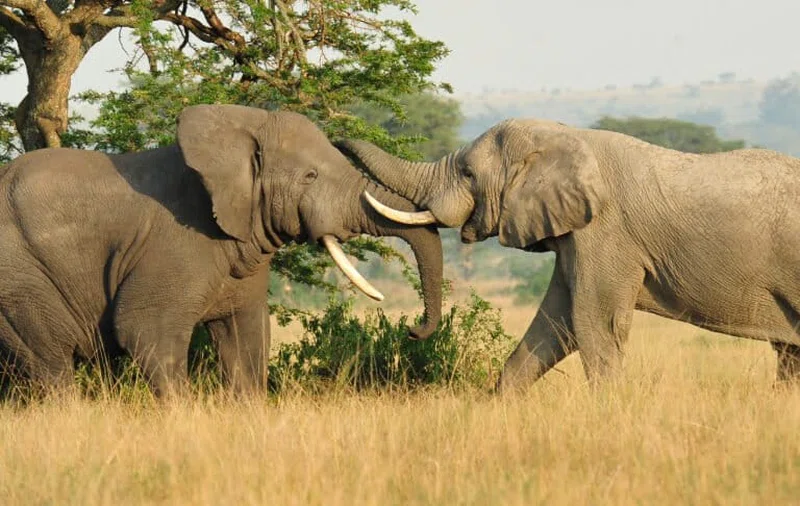
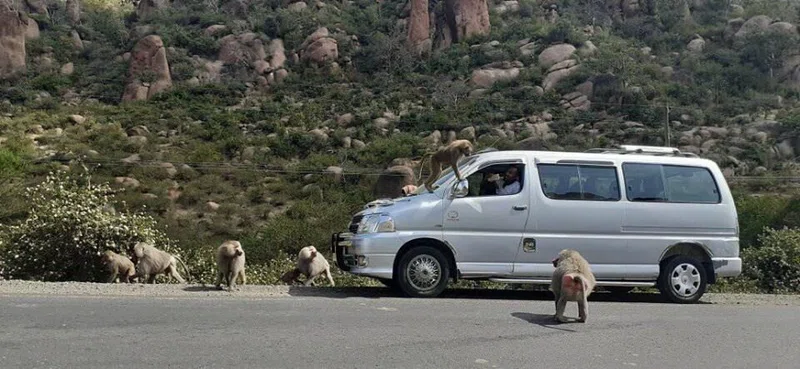
Babile Elephant Sanctuary is primarily known for harboring Africa's most north-easterly population of elephants, estimated at 200-300 individuals. Some experts classify these elephants as a unique subspecies, Loxodonta africana orleansi, endemic to the Horn of Africa. Beyond elephants, the sanctuary is home to 36 mammalian species, including the localized black-maned Abyssinian lion, greyhound-like cheetah, various antelopes such as greater and lesser kudu, Günther's dik-dik, Bohor reedbuck, Phillip's dik-dik, Menelik's bushbuck, Soemmerring's gazelle, hamadryas baboons, warthogs, and wild asses. Carnivores like leopards, spotted hyenas, striped hyenas, rusty-spotted genets, white-tailed mongooses, dwarf mongooses, and black-backed jackals are also present. The sanctuary boasts a rich avifauna with 227 bird species, notably including the endemic Salvadori's seedeater. Elephants typically congregate in the Upper Erer Valley during the late rainy season (June to September), which is considered the best time for visitors.
Despite its ecological significance, the sanctuary faces severe conservation challenges. It was established to protect the remnants of Northeastern African elephants, but the population is rapidly declining due to threats such as poaching, illegal settlement, extensive livestock grazing, and agricultural expansion, leading to significant habitat degradation and human-wildlife conflict. The sanctuary has also suffered from poor management and insufficient funding, impacting its effectiveness in protecting wildlife. While conditions are primitive and not fully equipped for tourists, there are plans for reconstruction and improved visitor accommodations. Access to Babile is possible via a surface drive from Addis Ababa or by flights to Diredawa and Jigjiga, with local tour operators available for guidance within the sanctuary.
Safari Tours
luxury
10-Day Premium Ethiopia Culture & Danakil
$2,640
 Royal Ethiopia Tours trading as Royal Ethiopia Tours
Own this park or reserve?
Claim it to update its details and photos, add what you offer, reply to travellers and promote it on Wapota. It’s free.
Claim this listing →