
About
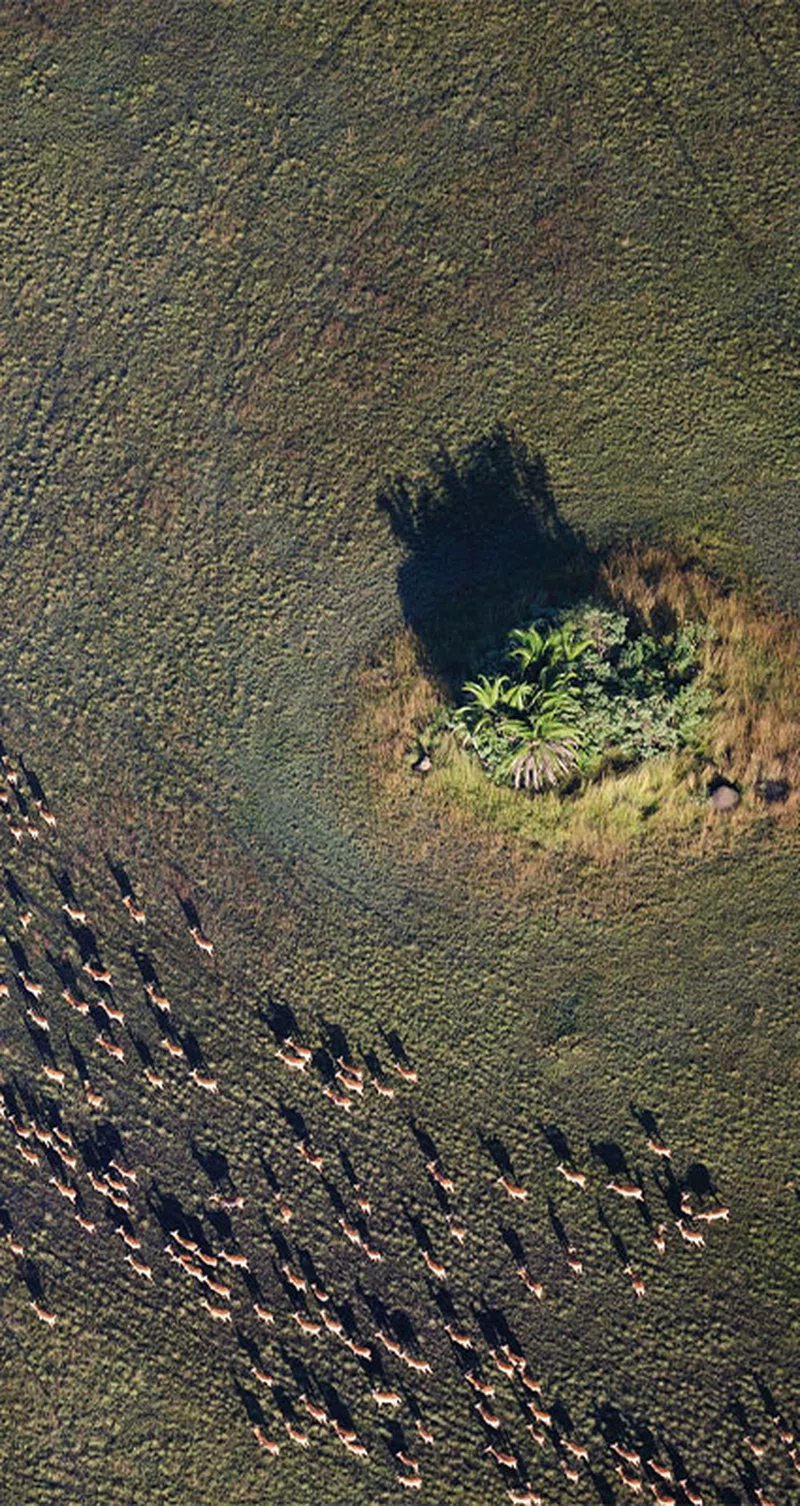
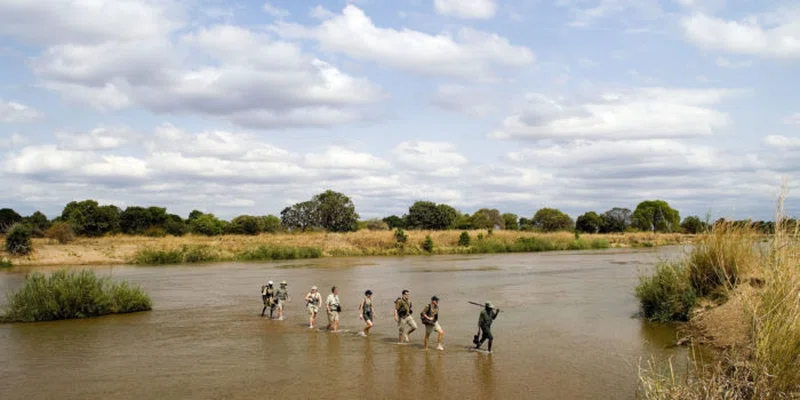
The Bangweulu Wetlands, located in north-eastern Zambia, is an expansive and unique community-owned protected wetland system, often described as "where the water meets the sky" due to its vast, flat horizons. This vital ecosystem, part of the upper Congo River basin, encompasses Lake Bangweulu, the Bangweulu Swamps, and the Bangweulu Flats or floodplains. Its total area fluctuates significantly with the seasons, reaching up to 15,000 square kilometers during the wet season between November and March, when water levels can rise by 1-2 meters, causing the floodline to advance and retreat by as much as 45 kilometers. The system is fed by 17 principal rivers, with the Chambeshi River being the largest, and is drained by the Luapula River. The terrain is characterized by a mosaic of floodplains, seasonal and permanent swamps, woodlands, numerous small lakes, lagoons, and dambos, with dense vegetation including papyrus, Vossia grass, sedges, and wild rice. Prominent termite mounds dot the landscape, providing temporary refuges for wildlife during floods and supporting unique tree species.
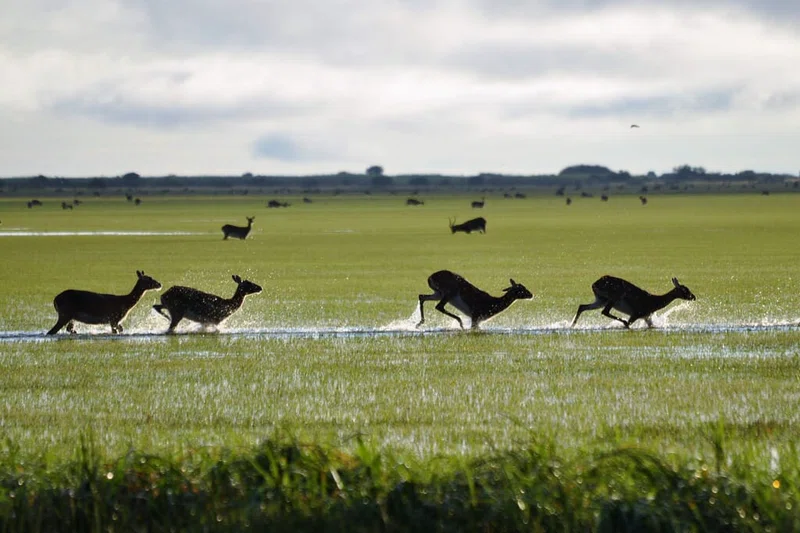
Bangweulu is a globally recognized biodiversity hotspot, designated as a Wetland of International Importance by the Ramsar Convention and an Important Bird Area by BirdLife International. It is particularly renowned for its significant wildlife populations, including the endemic semi-aquatic black lechwe antelope, which can be seen in herds of up to 10,000. The wetlands are a critical breeding ground for the vulnerable and prehistoric-looking shoebill stork, a highly sought-after species for birdwatchers. Over 400 bird species inhabit the area, alongside a diverse range of mammals such as tsessebe, sitatunga, wattled cranes, buffalo, crocodiles, elephants, hippopotamus, hyenas, oribi, reedbuck, roan, and sable antelope. Cheetahs have also been successfully reintroduced to the reserve. The lake and swamps support at least 83 species of fish, forming the basis of a vital local fishery.
The wetlands are not only ecologically significant but also culturally important, supporting an estimated 60,000 to 90,000 people who depend on its natural resources for their livelihoods. Since 2008, the Bangweulu Wetlands have been managed through a unique partnership between African Parks, the Department of National Parks and Wildlife, and six Community Resource Boards, focusing on sustainable resource management and community development. Visitors can engage in activities such as birdwatching, game drives, mokoro (canoe) safaris, and visits to local villages to observe traditional fishing methods and bee-keeping. The area also holds historical significance as the place where explorer Dr. David Livingstone died in 1873, with a memorial marking the site.
Wildlife & Birds
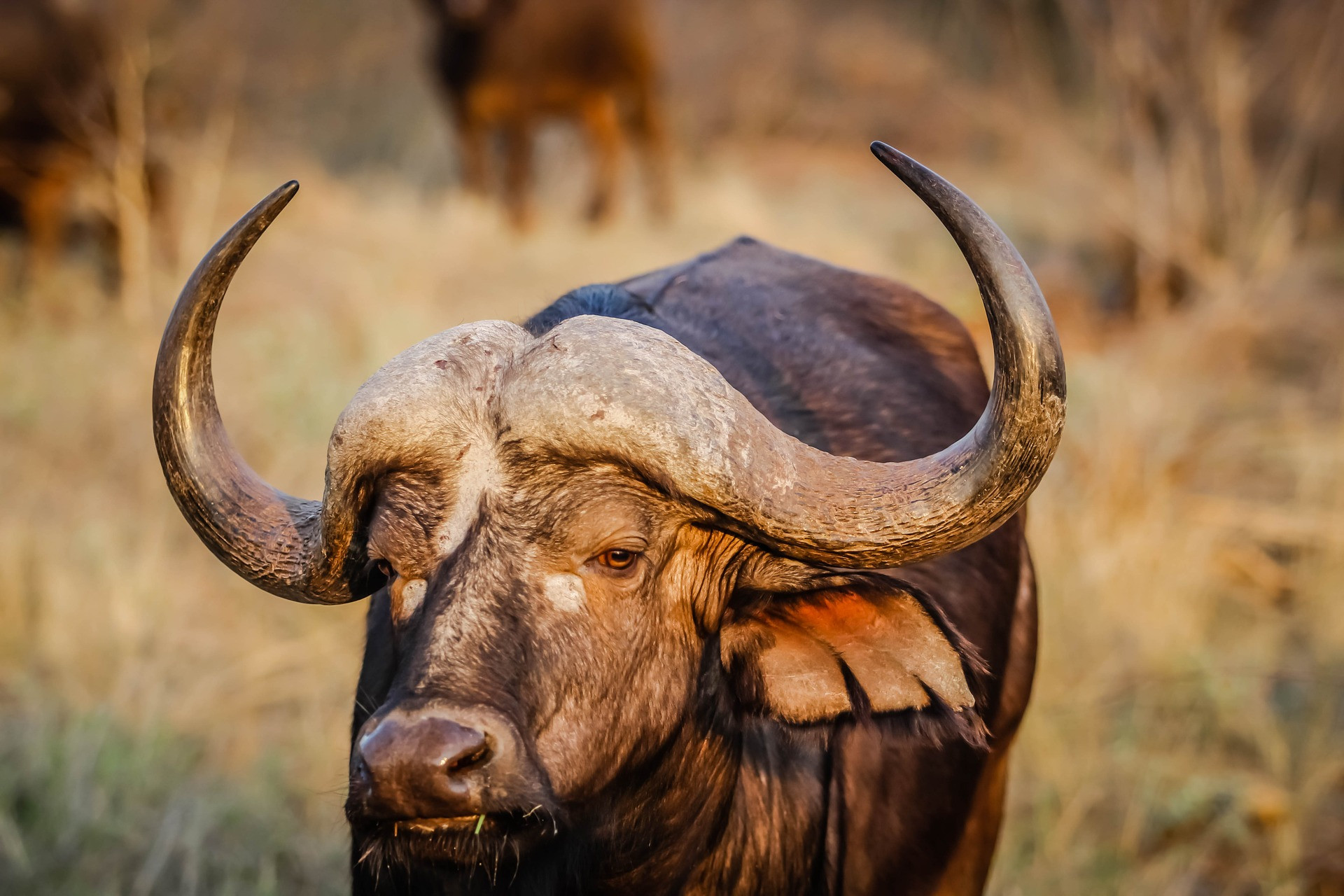
Buffalo
0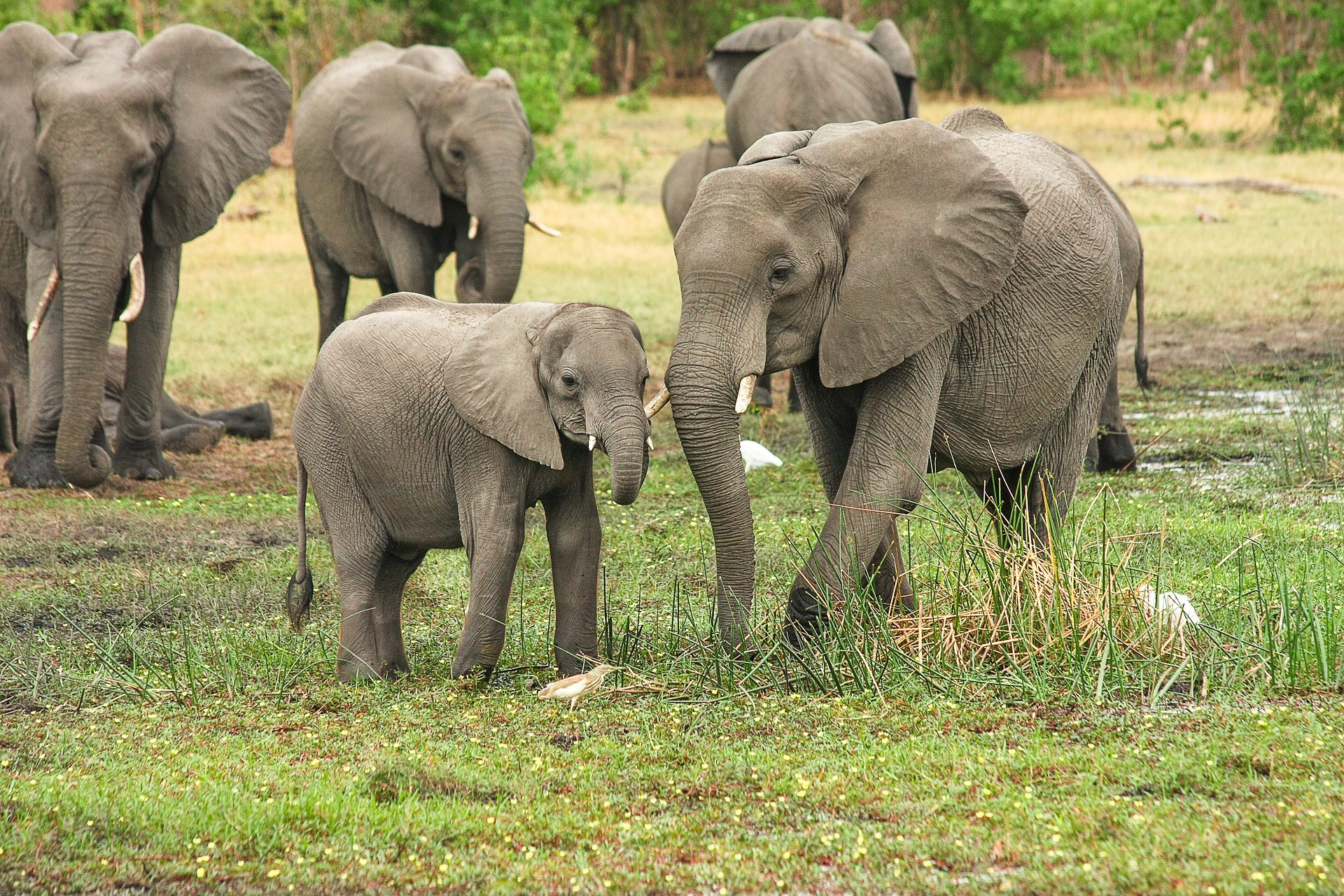
Elephant
0Hippo
3
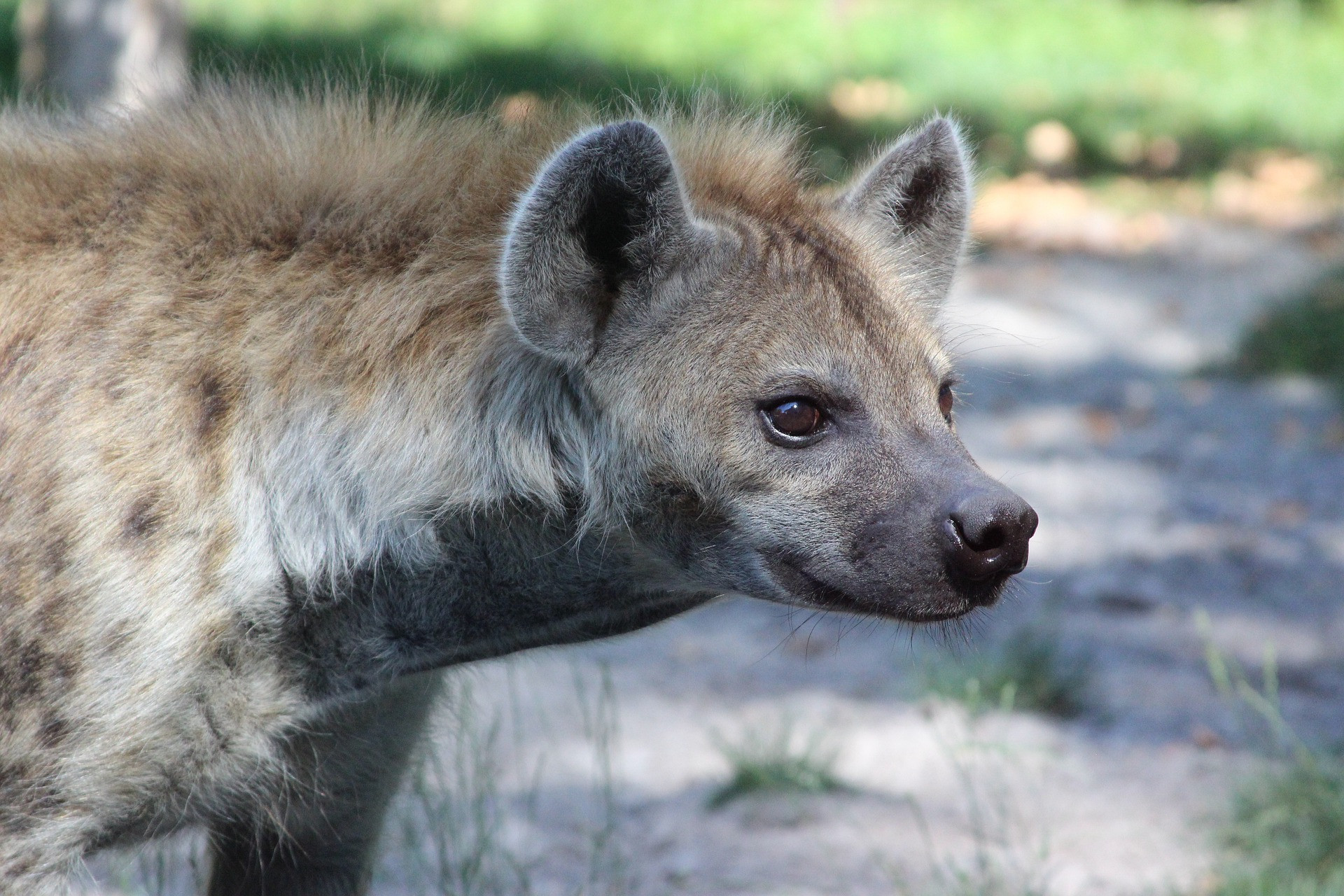
Hyena
1
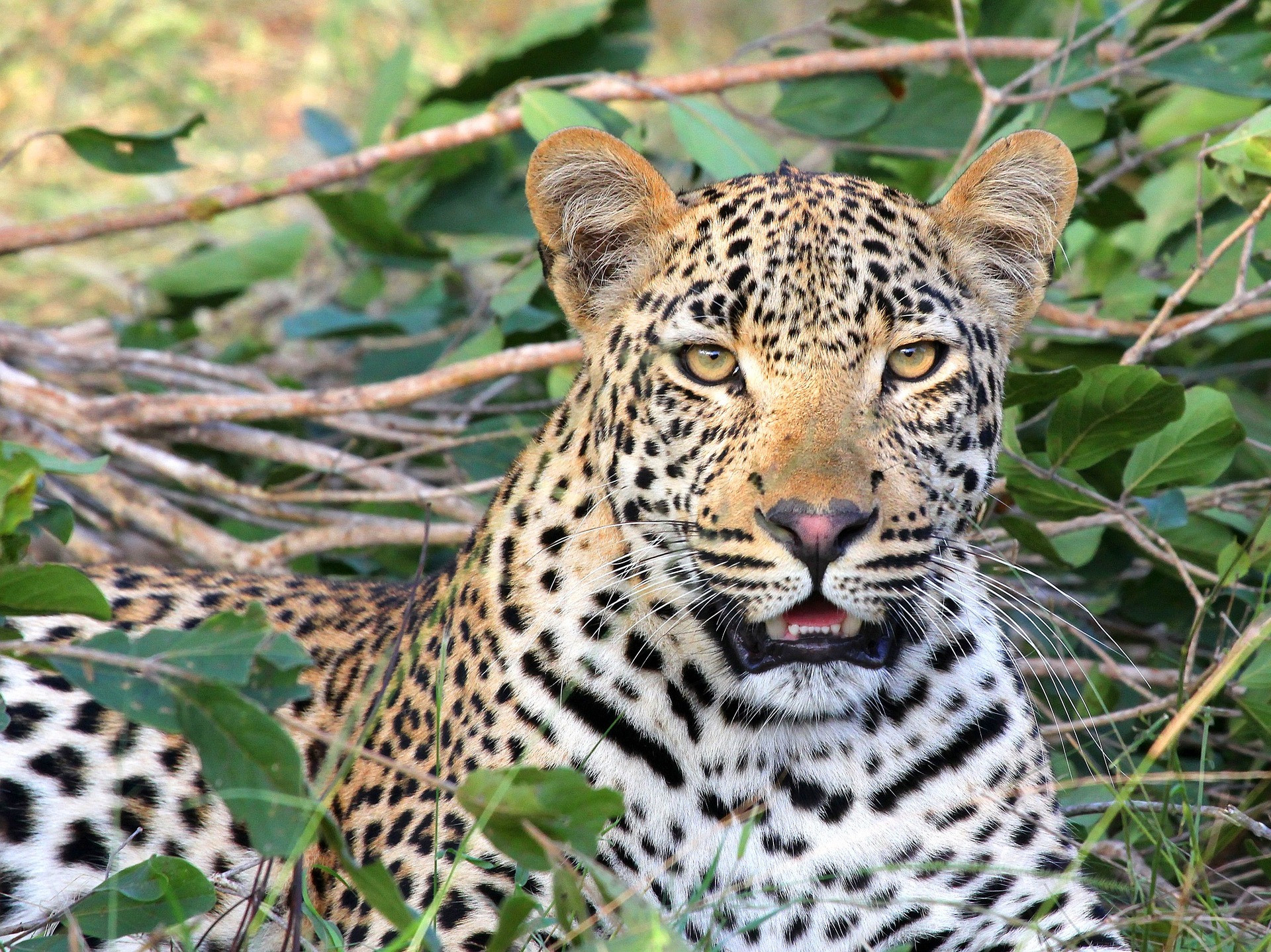
Leopard
1
Shoebill
3
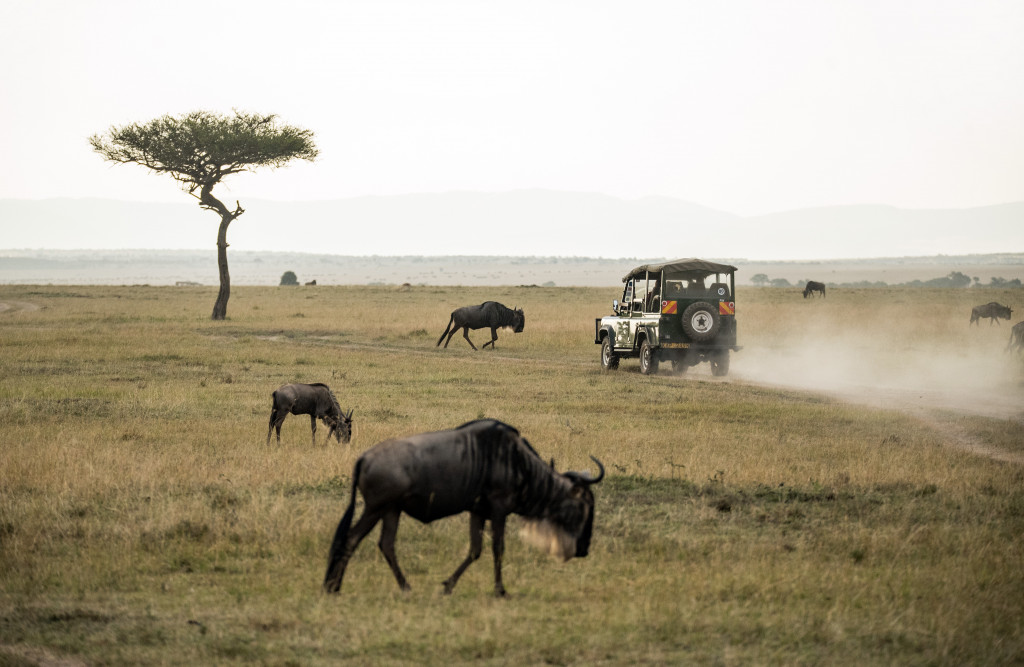
Wildebeest
0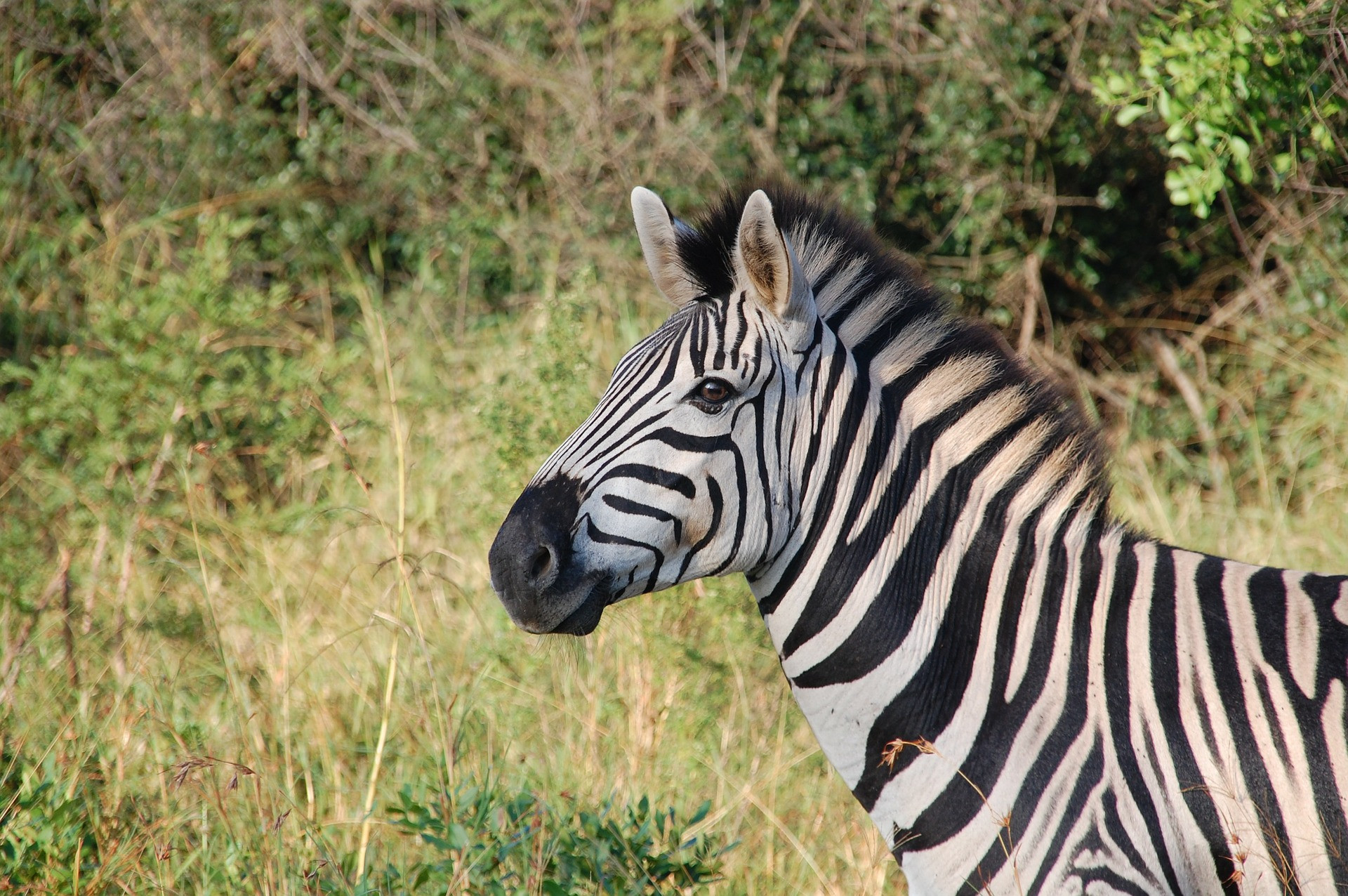
Zebra
3
Wild Dog
1
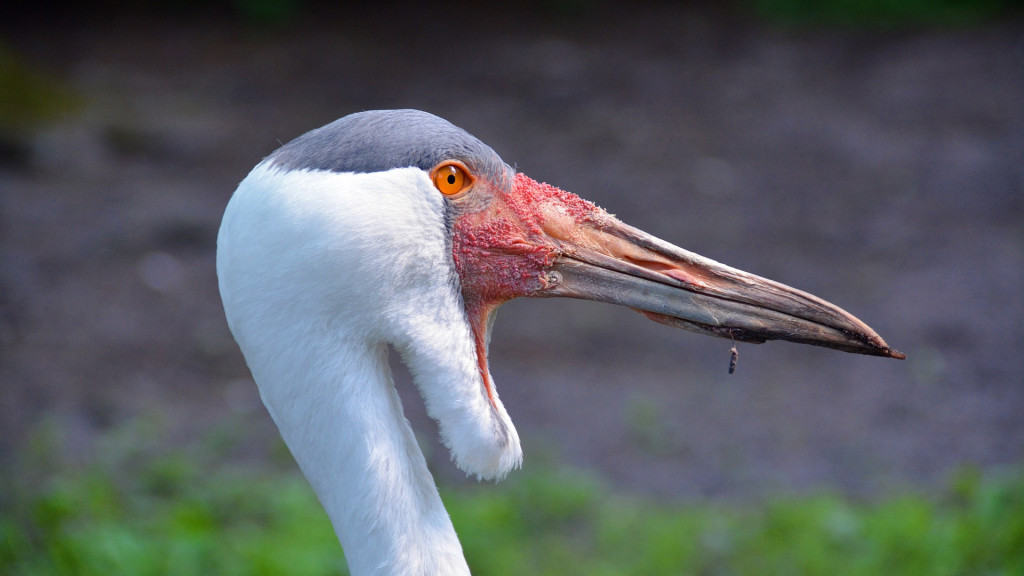
Wattled Crane
1
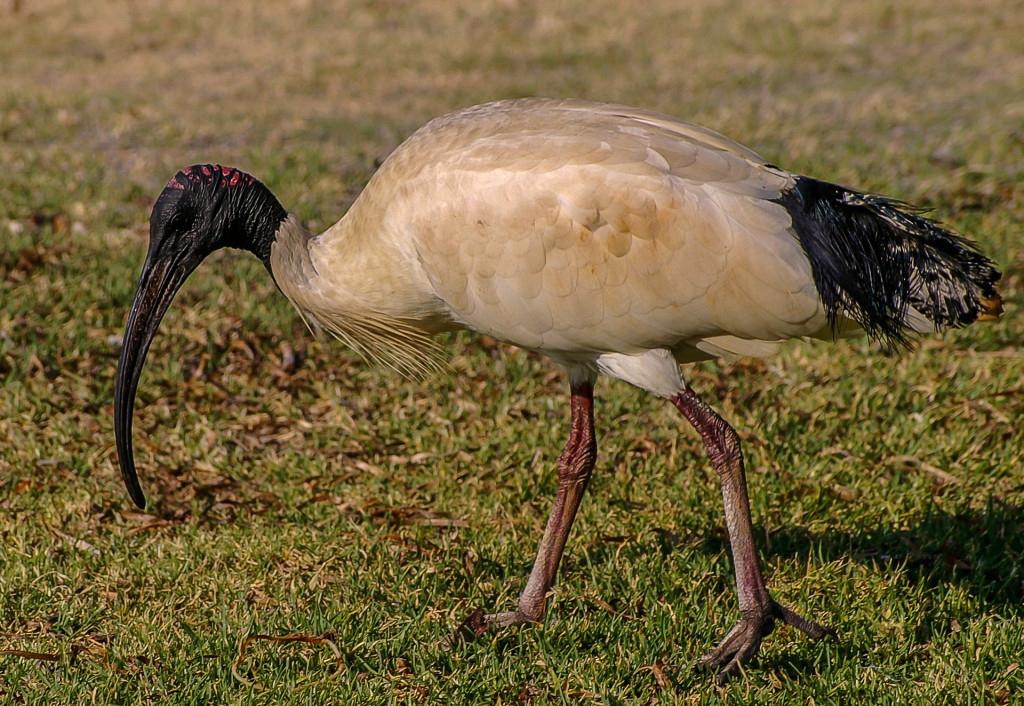
Sacred ibis
3
African Wattled Lapwing
3
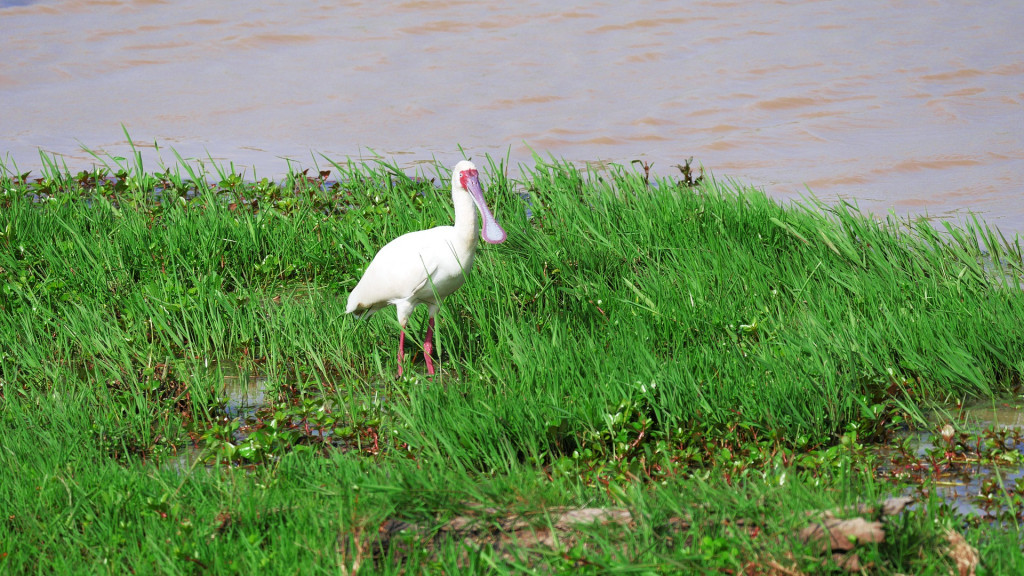
African Spoonbill
3
Own this park or reserve?
Claim it to update its details and photos, add what you offer, reply to travellers and promote it on Wapota. It’s free.
Claim this listing →