
About
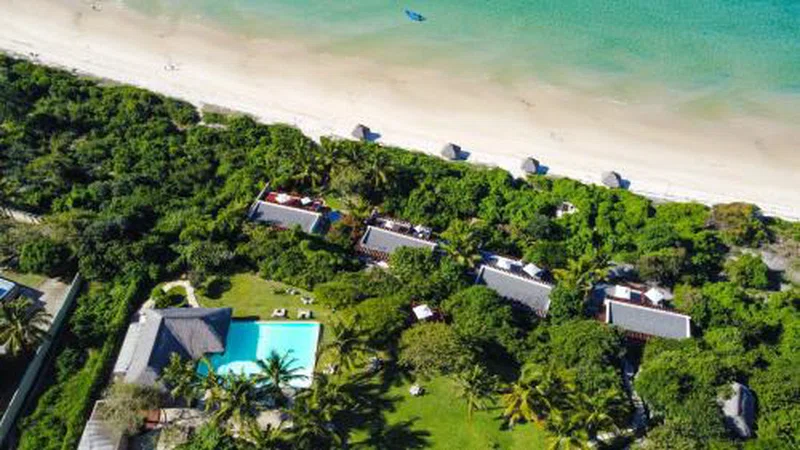
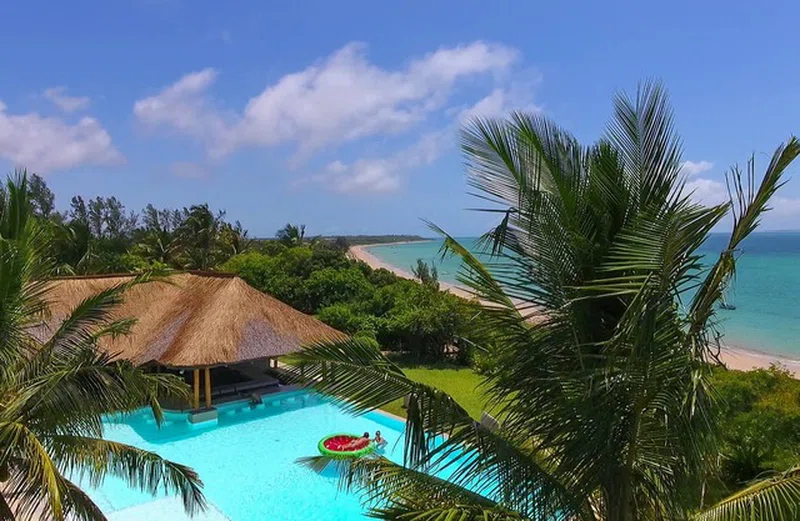
Bazaruto Island, often referred to as the "Pearl of the Indian Ocean," is the largest of the five islands forming the Bazaruto Archipelago, located approximately 15 kilometers off the coast of southern Mozambique, near the mainland towns of Vilanculos and Inhassoro. This barrier island, formed during the Pleistocene, is a protected marine paradise within Mozambique's oldest marine protected area, the Bazaruto Archipelago National Park, which has been managed by African Parks since 2001. The island spans about 110 square kilometers and is characterized by its pristine white-sand beaches, crystal-clear turquoise waters, and towering sand dunes along its eastern shore, some reaching heights of up to 90 meters (300 ft). Its diverse terrain also includes grasslands, salt marshes, mangrove swamps, and patches of freshwater wetlands and lakes.
The island and its surrounding waters are a critical sanctuary for an extraordinary array of wildlife. It harbors the last known viable population of dugongs in the Western Indian Ocean, alongside other marine megafauna such as humpback whales (visible from June to October), whale sharks (best seen Oct-Dec), manta rays, dolphins, and over 2,000 species of fish. Five species of Indian Ocean sea turtles—leatherback, loggerhead, green, olive ridley, and hawksbill—not only frequent the waters but also use the island's beaches as nesting sites. Terrestrial wildlife includes blue monkeys, harnessed bushbuck, red forest duiker, suni antelope, samango monkeys, freshwater crocodiles, and over 180 bird species, including African fish eagles and endemic butterflies.
Bazaruto offers a blend of relaxation and adventure. Popular activities include world-class scuba diving and snorkeling, particularly at sites like the famous Two Mile Reef, known for its vibrant coral gardens and exceptional visibility. Visitors can also enjoy deep-sea fishing for marlin and sailfish, traditional dhow safaris between the islands, horseback riding along the beaches and through inland forests, dune boarding on the towering sand dunes, kayaking, windsurfing, and 4x4 safaris. Cultural encounters with the hospitable Xihoca communities are also possible. The island has an unpaved airstrip, a police station, an elementary school, and a clinic, and its economy is primarily driven by tourism and fishing, supplemented by agriculture and ranching.
Own this park or reserve?
Claim it to update its details and photos, add what you offer, reply to travellers and promote it on Wapota. It’s free.
Claim this listing →