
About
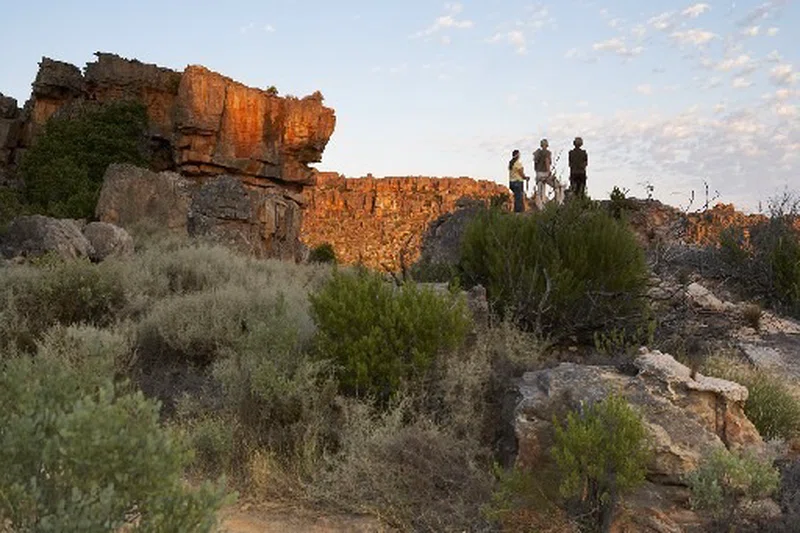
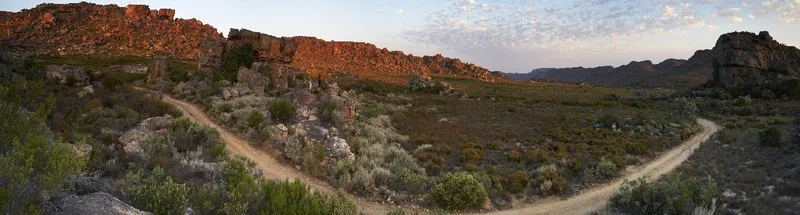
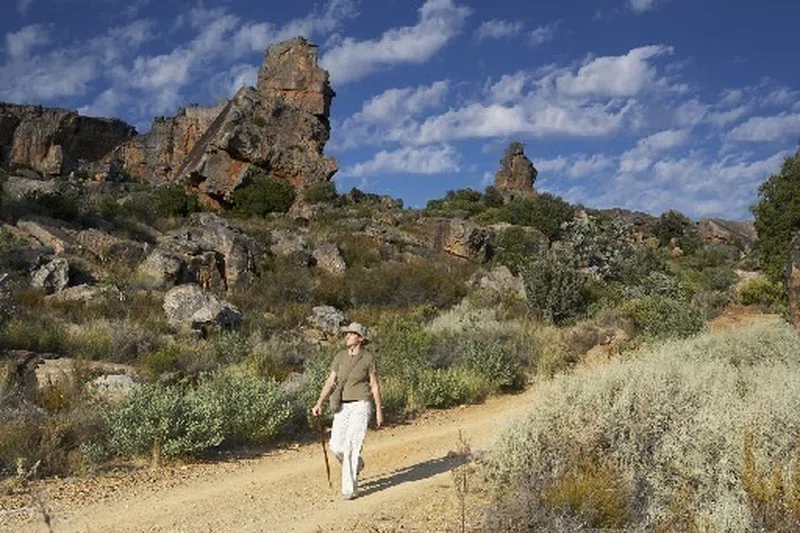
The Cederberg Wilderness Area, proclaimed in 1973, is a vast and rugged nature preserve located approximately 250 kilometers north of Cape Town in South Africa's Western Cape. Spanning about 71,000 hectares, this mountainous terrain is a significant part of the Cape Floral Region, a UNESCO World Heritage Site. The landscape is dominated by dramatic, burnt-orange sandstone rock formations, sculpted over millions of years by weathering and erosion. Notable geological features include the iconic Maltese Cross and the majestic Wolfberg Arch, which are popular destinations for hikers and photographers.
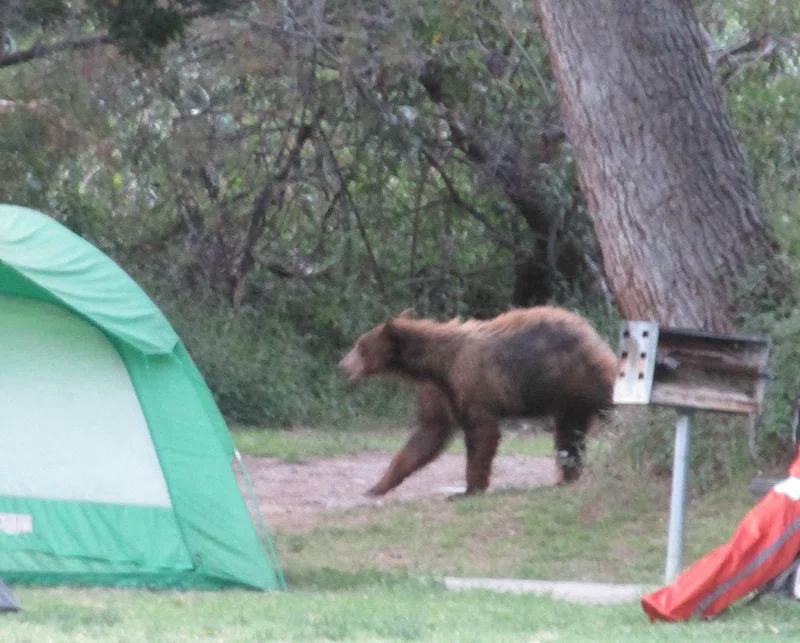
The region is celebrated for its rich biodiversity, particularly its unique flora. It is home to diverse mountain fynbos, including the laurel protea and the red disa. The critically endangered Clanwilliam cedar (Widdringtonia cedarbergensis), after which the area is named, dots the higher mountain cliffs, along with the rare snow protea. Wildlife in the Cederberg is varied, with visitors potentially spotting porcupines, honey badgers, Cape clawless otters, aardvarks, and smaller predators like the African wild cat and Cape fox. The elusive Cape leopard and vulnerable Cape mountain zebra also inhabit the area. The rivers and streams are home to threatened fish species such as the Clanwilliam yellowfish and sawfin.
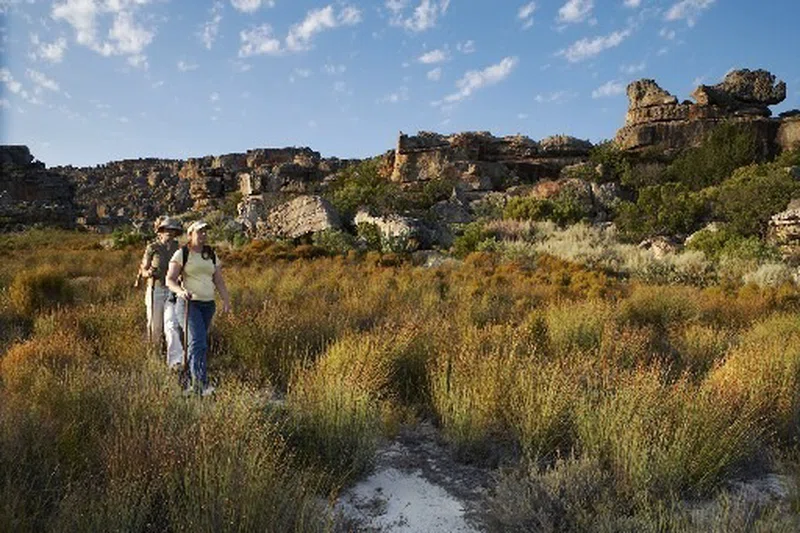
The Cederberg Wilderness Area offers a plethora of outdoor activities. Its extensive network of hiking trails caters to all fitness levels, leading to fascinating rock formations, refreshing waterfalls, and ancient San and Khoi rock art sites, some dating back over 6,000 years. Rock climbing and bouldering are popular, with Rocklands being a world-renowned bouldering site. Other activities include mountain biking, swimming in crystal-clear rivers, and stargazing, as the remote location provides exceptionally clear night skies. The area also features community-based hiking trails, like the Cederberg Heritage Route, which supports local communities and offers guided rock art visits.
The Cederberg is managed by CapeNature, which oversees conservation efforts and provides accommodation options such as cottages and campsites at Algeria and Kliphuis. The area's remote and unspoiled nature offers a tranquil escape, allowing visitors to disconnect and reconnect with the natural world.
Own this park or reserve?
Claim it to update its details and photos, add what you offer, reply to travellers and promote it on Wapota. It’s free.
Claim this listing →