
About
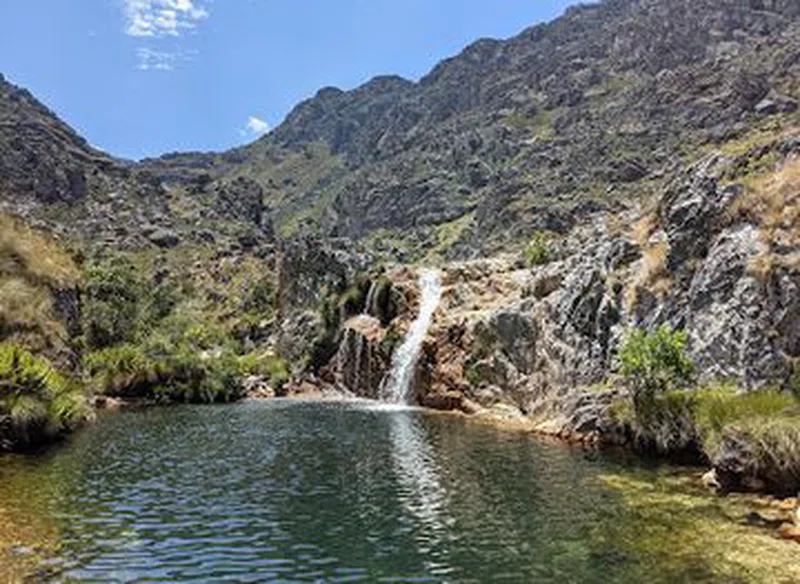
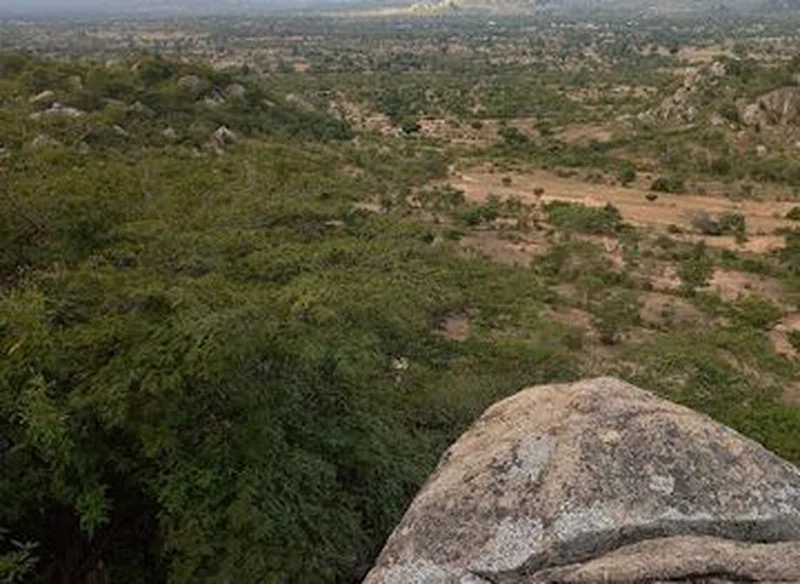
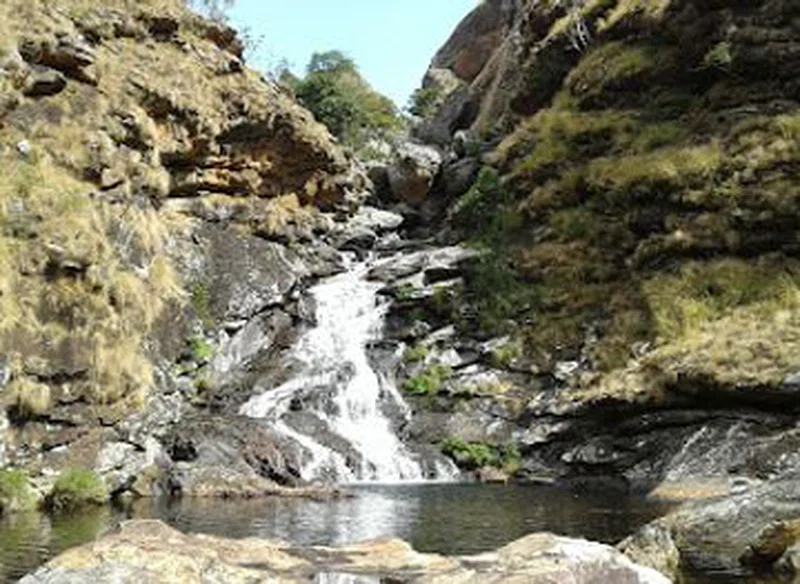
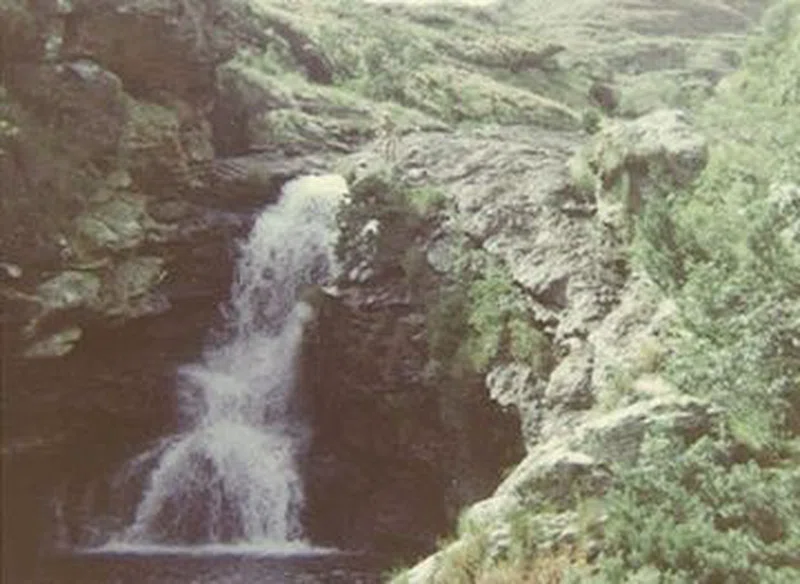
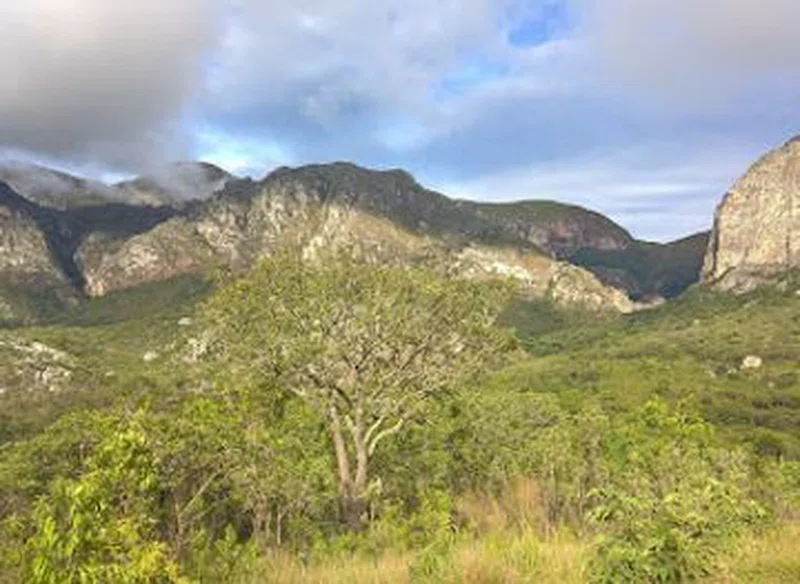
Chimanimani National Park, located in the Eastern Highlands of Zimbabwe, is a rugged and pristine mountainous wilderness spanning 17,110 hectares. It forms a significant part of the Chimanimani Transfrontier Conservation Area, bordering Mozambique. The park is characterized by its dramatic landscapes, featuring towering peaks, crystal-clear streams, bubbling springs, and impressive waterfalls such as the Bridal Veil Falls. The name "Tshimanimani" itself, meaning "to be squeezed together," aptly describes the narrow gorges carved by rivers like the Musapa. The mountains are composed of ancient, water-deposited sediments that have solidified over 1.25 billion years into sugary-white quartzite, quart schist, limestone, and calc-schist, resulting in bizarrely eroded granite rock formations, particularly on Mawenje Mountain. The park was recently declared a UNESCO Biosphere Reserve, highlighting its critical watershed areas and the importance of sustainable ecosystem management.
As a biodiversity hotspot, Chimanimani National Park boasts an exceptional array of flora, with 2,182 plant taxa, representing over 30% of Zimbabwe's total plant diversity. A remarkable 74 species are endemic to the Chimanimani Mountains, thriving in the unique quartzite soils. Notable plant species include the rare Barrosus Palm tree, various Protea, Erica, Leucospermum, and golden-yellow everlasting (Helichrysum nitens). While wildlife is not abundant due to the park's remote and rugged nature, visitors may encounter species such as eland, sable, bushbuck, blue duiker, and occasionally klipspringer and leopard. The park is also recognized as an Important Bird Area (IBA).
Chimanimani National Park is primarily a hiker's paradise, with no roads within the park itself, only footpaths used for millennia by travelers. Activities include arduous guided hikes up the mountains, rock climbing, and birdwatching. Visitors can camp freely throughout most of the park at their own risk, or utilize basic facilities at the Base Camp or the communal Mountain Hut. Daring individuals can even spend a night in disused mine shafts known as Terry's or Peter's caves. Other attractions include swimming in the Muhohwa River and its crocodile-free pools, visiting the Muhohwa Falls, and exploring the Nyakwaha and Haroni Botanical Reserves. The best times to visit are March/April and August/September for cooler temperatures and lush scenery. Historically, the mountain passes were used by guerrilla fighters during the Zimbabwe independence war, and landmines remain a hazard, especially after heavy rains. Illegal gold panning is also a challenge in the area.
Wildlife & Birds
Miombo Rock Thrush
3
Rufous-bellied Tit
3
Southern Hyliota
3
Orange-winged Pytilia
3
Green-backed Honeybird
3
Striped Pipit
3
Own this park or reserve?
Claim it to update its details and photos, add what you offer, reply to travellers and promote it on Wapota. It’s free.
Claim this listing →