
About
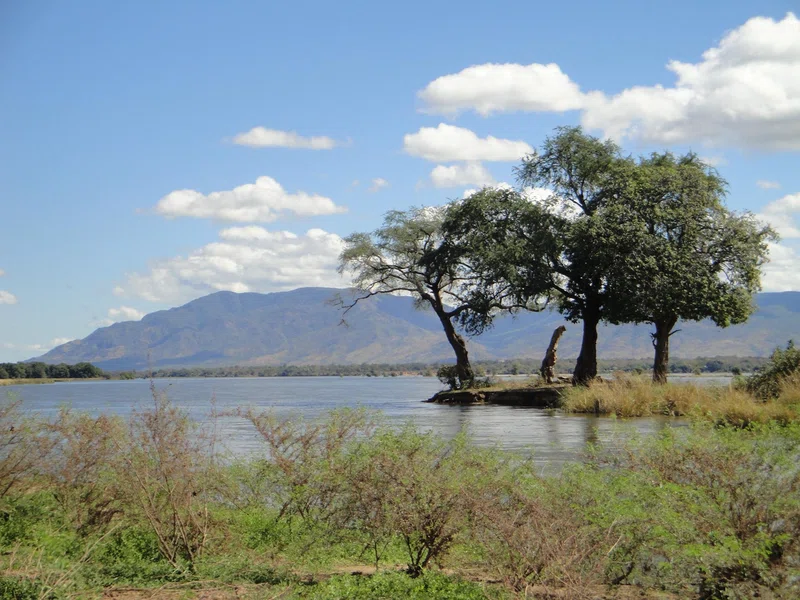
Chizarira National Park, one of Zimbabwe's most remote and rugged national parks, is situated in the northwestern part of the country, atop the Zambezi Escarpment. Overlooking the mighty Zambezi Valley and the upper waters of Lake Kariba, the park spans approximately 1,910 to 2,000 square kilometers, making it the fourth-largest national park in Zimbabwe. Its name, derived from the local Tonga word "chijalila" or "sijalila," translates to "great barrier," aptly describing the formidable Zambezi Escarpment that dominates its terrain. The landscape is characterized by magnificent gorges, deep ravines cut by rivers like the Mcheni and Lwizikululu, towering escarpments that drop steeply by some 600 meters, and expansive woodlands. The park features diverse ecological zones, from lowveld valley savannah to highveld broadleaf miombo woodland, with mopane scrubland and baobabs in lower-lying areas. Lush pockets of vegetation, fed by numerous natural springs, are found in the valleys between mountain ridges.
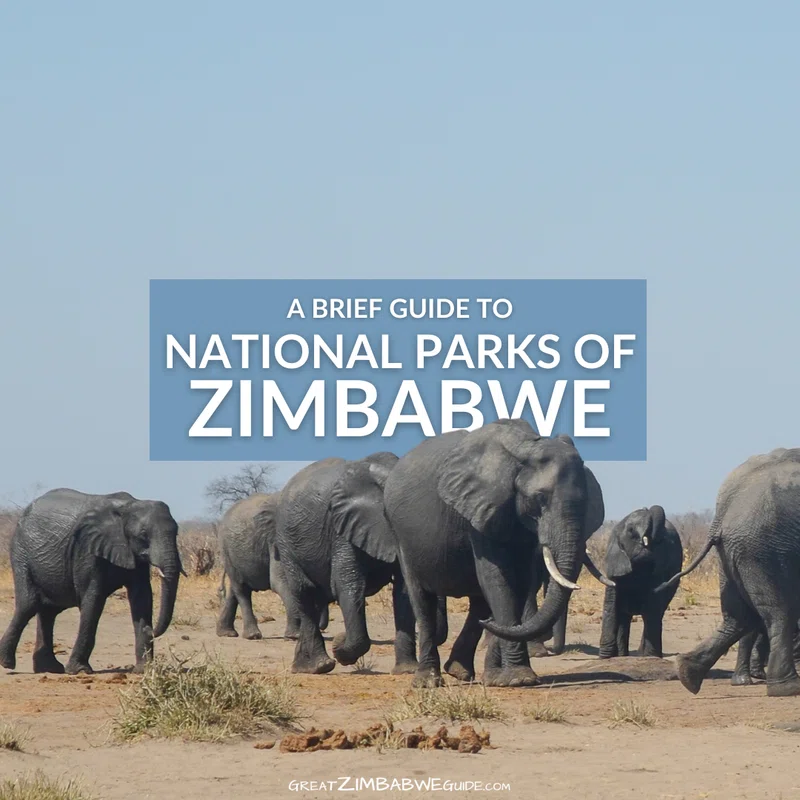
Chizarira is a sanctuary for diverse wildlife, including four of the Big Five: lion, leopard, buffalo, and elephant. Other animals present include the rare roan and sable antelopes, klipspringer, impala, greater kudu, and tsessebe. The park is particularly renowned as a birdwatcher's paradise, boasting over 360 to 400 bird species. Notable sightings include the rare Taita falcon, African broadbill, Livingstone's flycatcher, western nicator, African emerald cuckoo, and the elusive Angolan pitta.
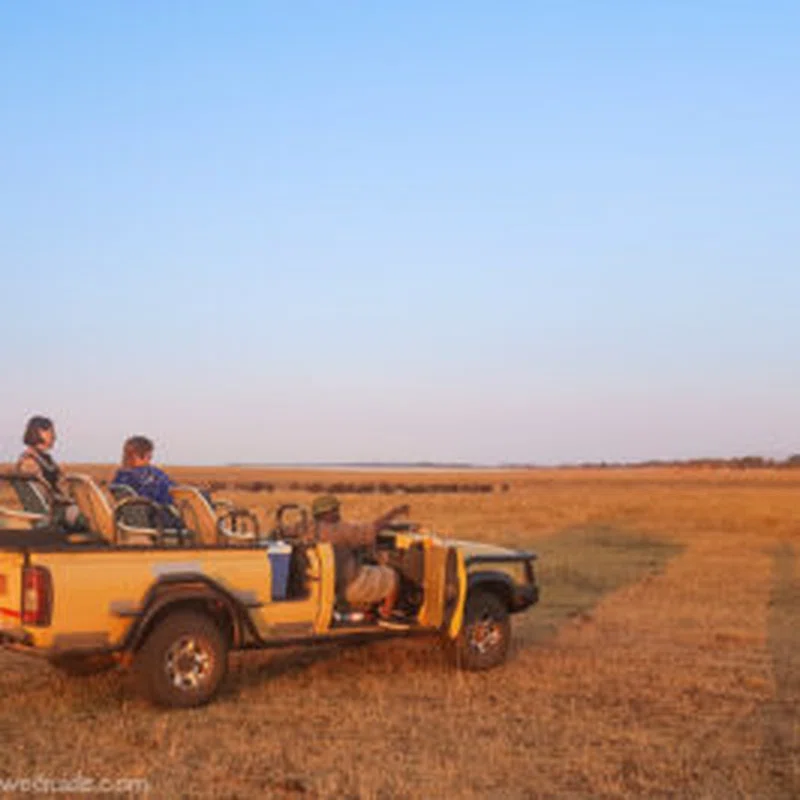
The park offers an intimate and adventurous wilderness experience, with limited tourist traffic ensuring unparalleled solitude. The primary activities are wilderness camping and walking safaris, which are best undertaken with an experienced professional guide. There are seven exclusive bush camps available for visitors, each typically limited to a maximum of 12 persons. Chizarira was initially declared a non-hunting reserve in 1938, then a game reserve in 1963, and finally gained National Park status under the Parks and Wild Life Act in 1975. Historically, it was a refuge for black rhinos relocated during Operation Noah when Lake Kariba flooded the Zambezi Valley, though sadly, these were poached out by the early 1990s. Local legend also speaks of Tundazi mountain, located at the park's northeastern extremity, where the immense serpent river god Nyaminyami is said to reside.
Wildlife & Birds
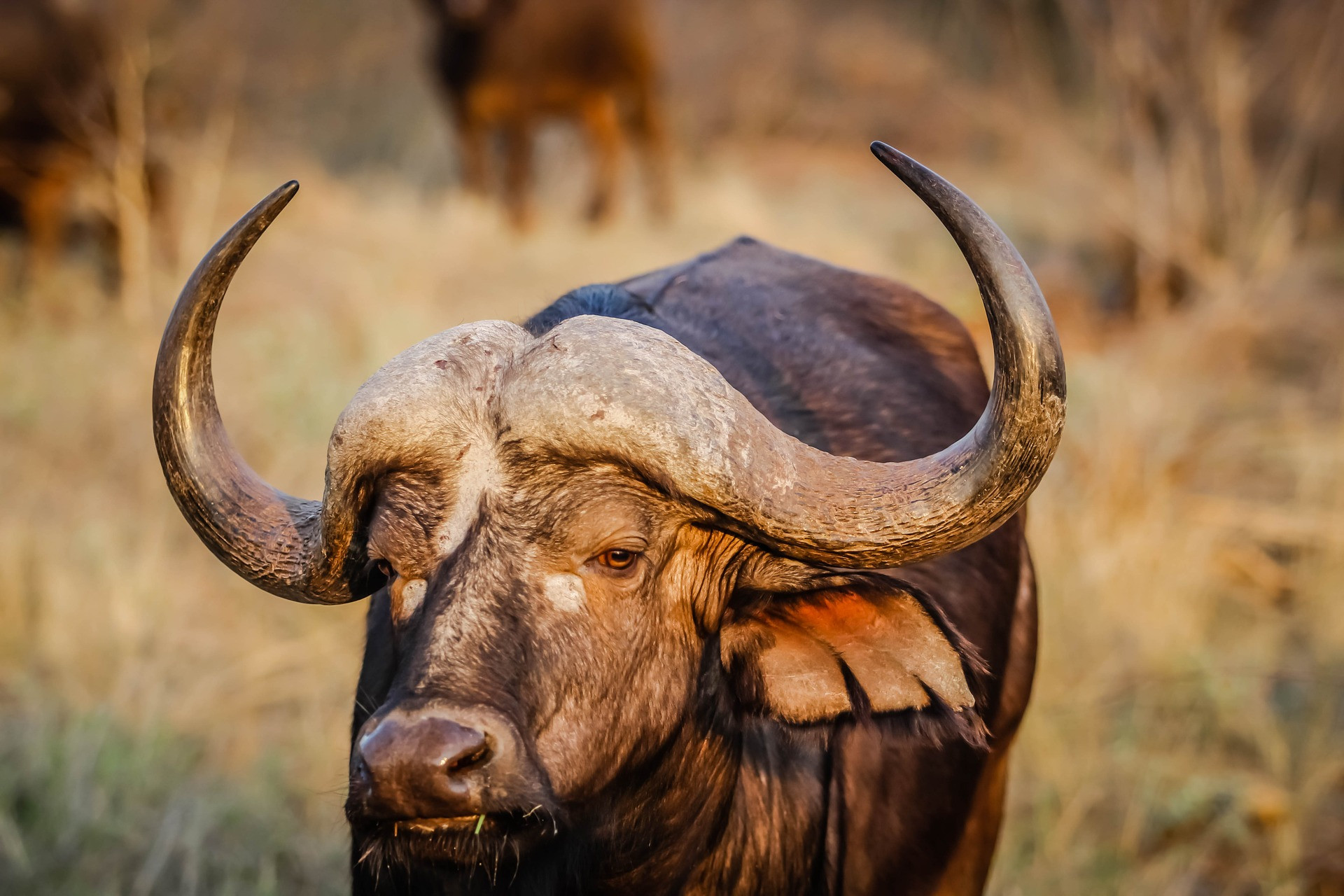
Buffalo
0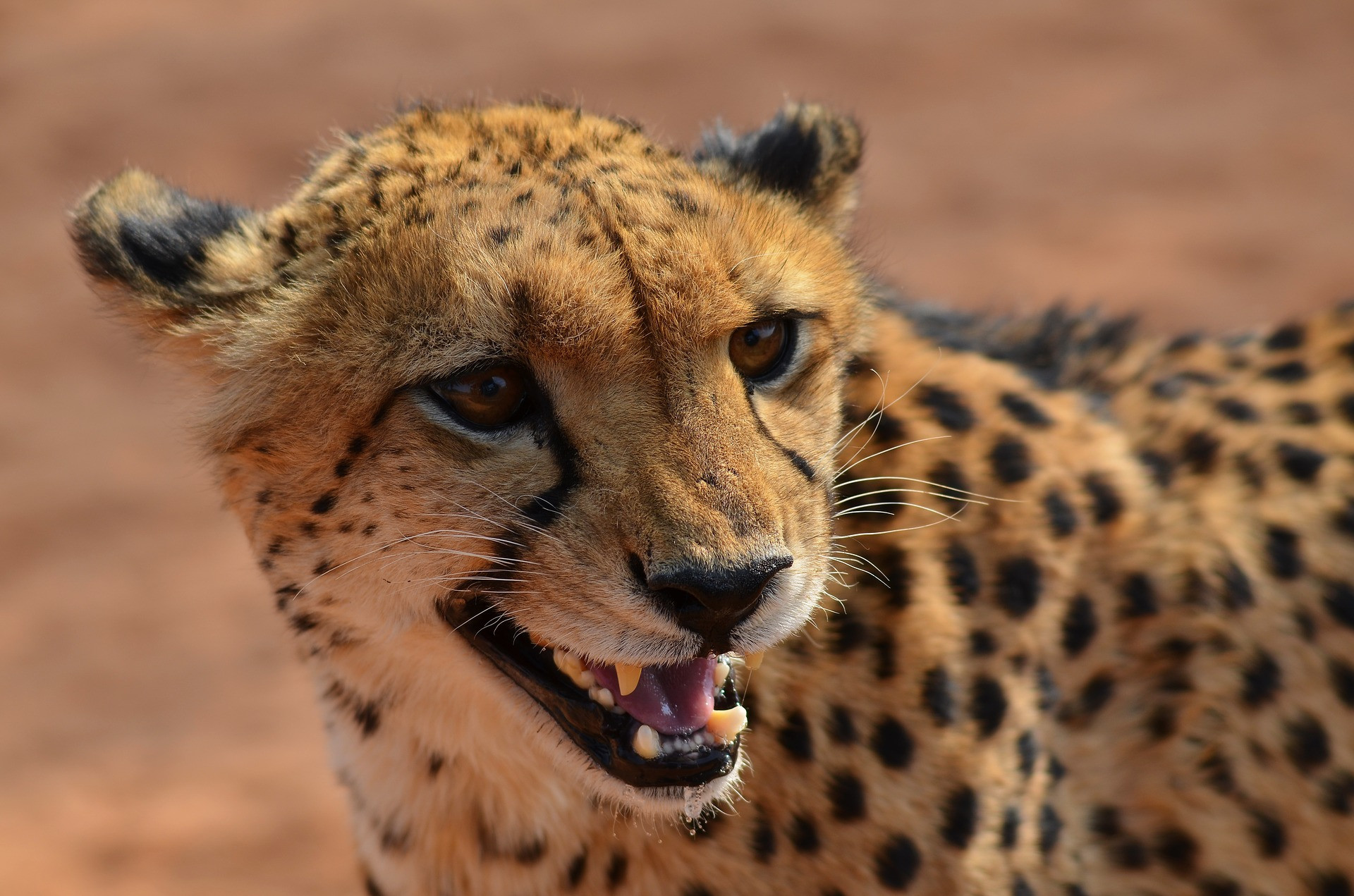
Cheetah
1
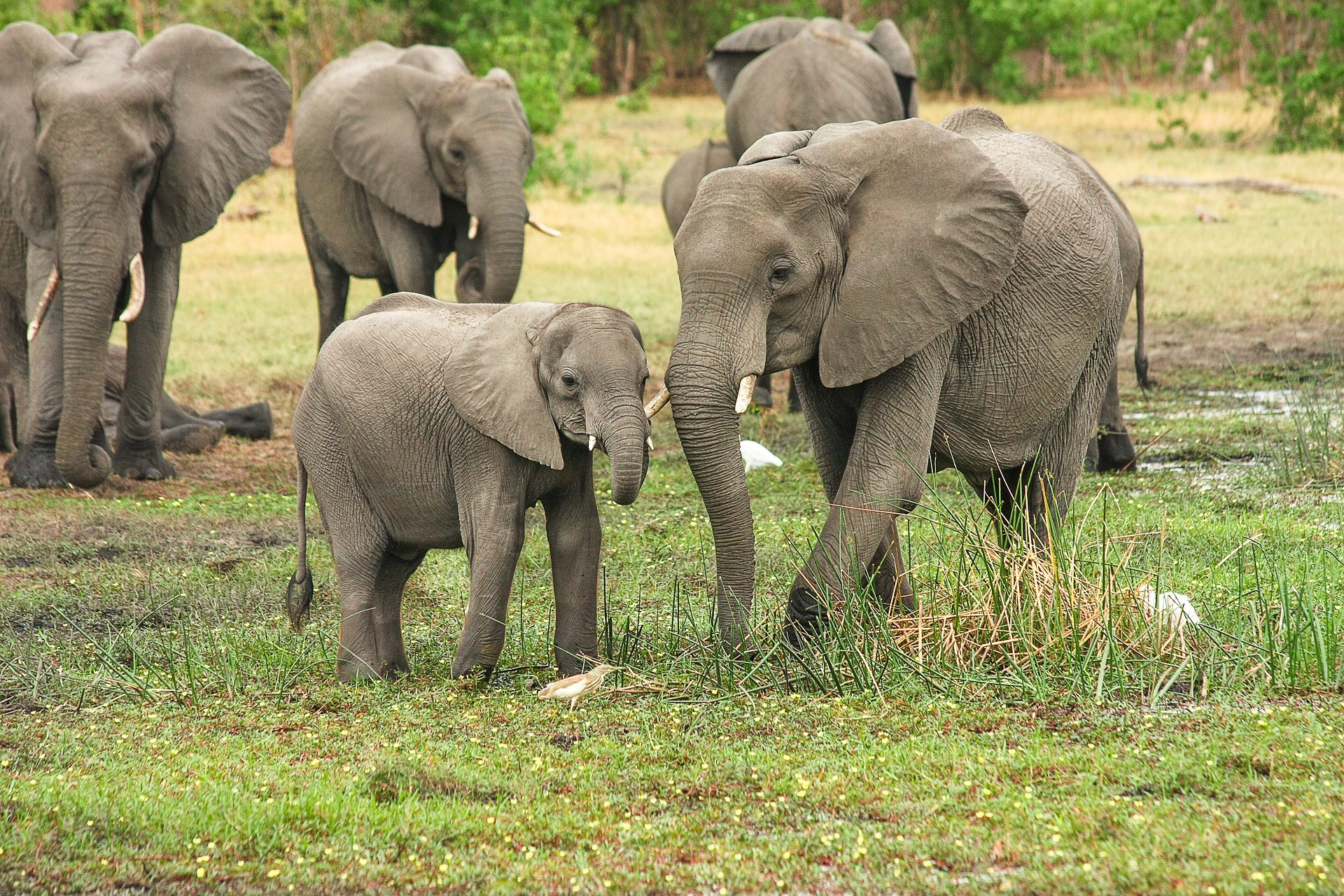
Elephant
0Hippo
0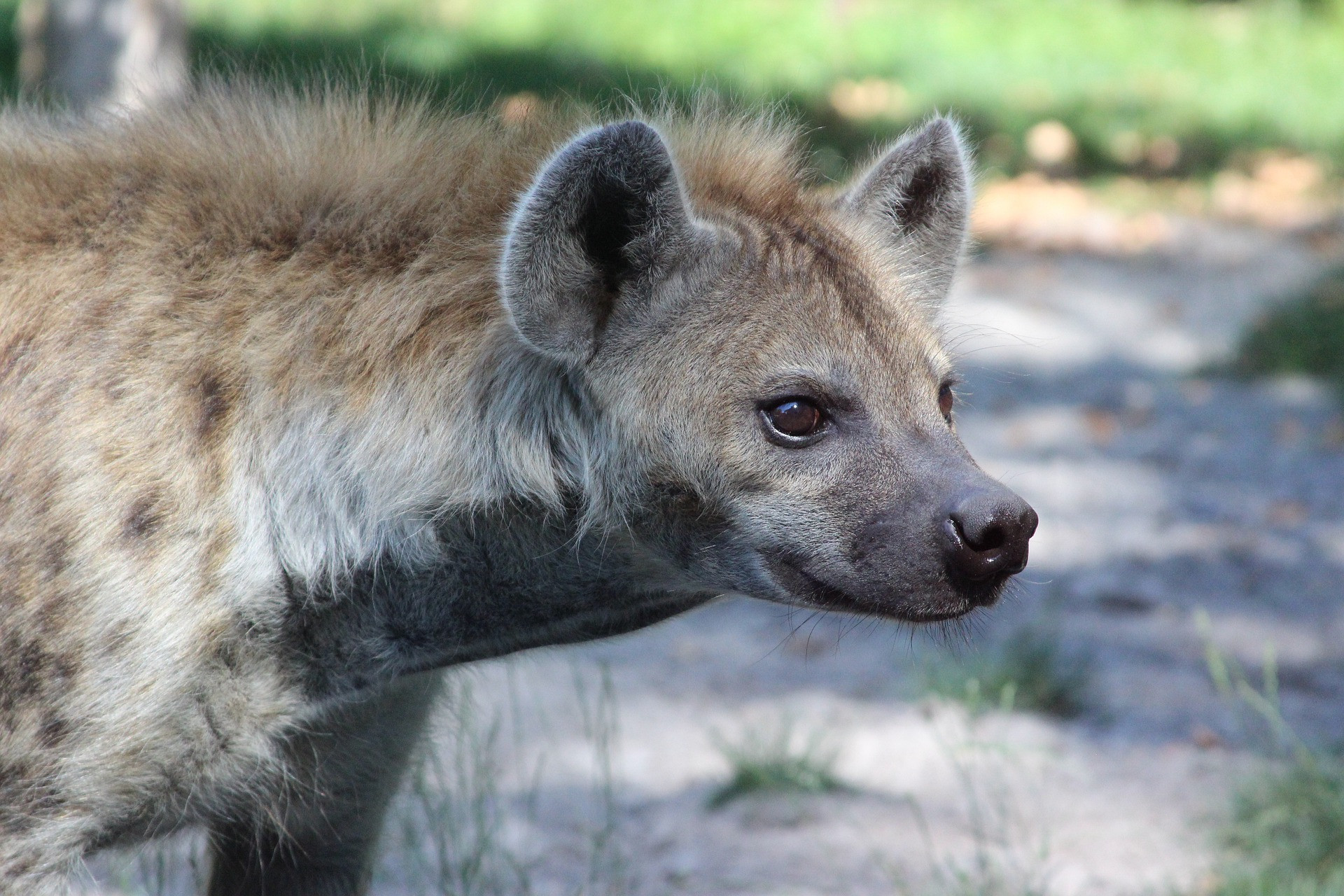
Hyena
0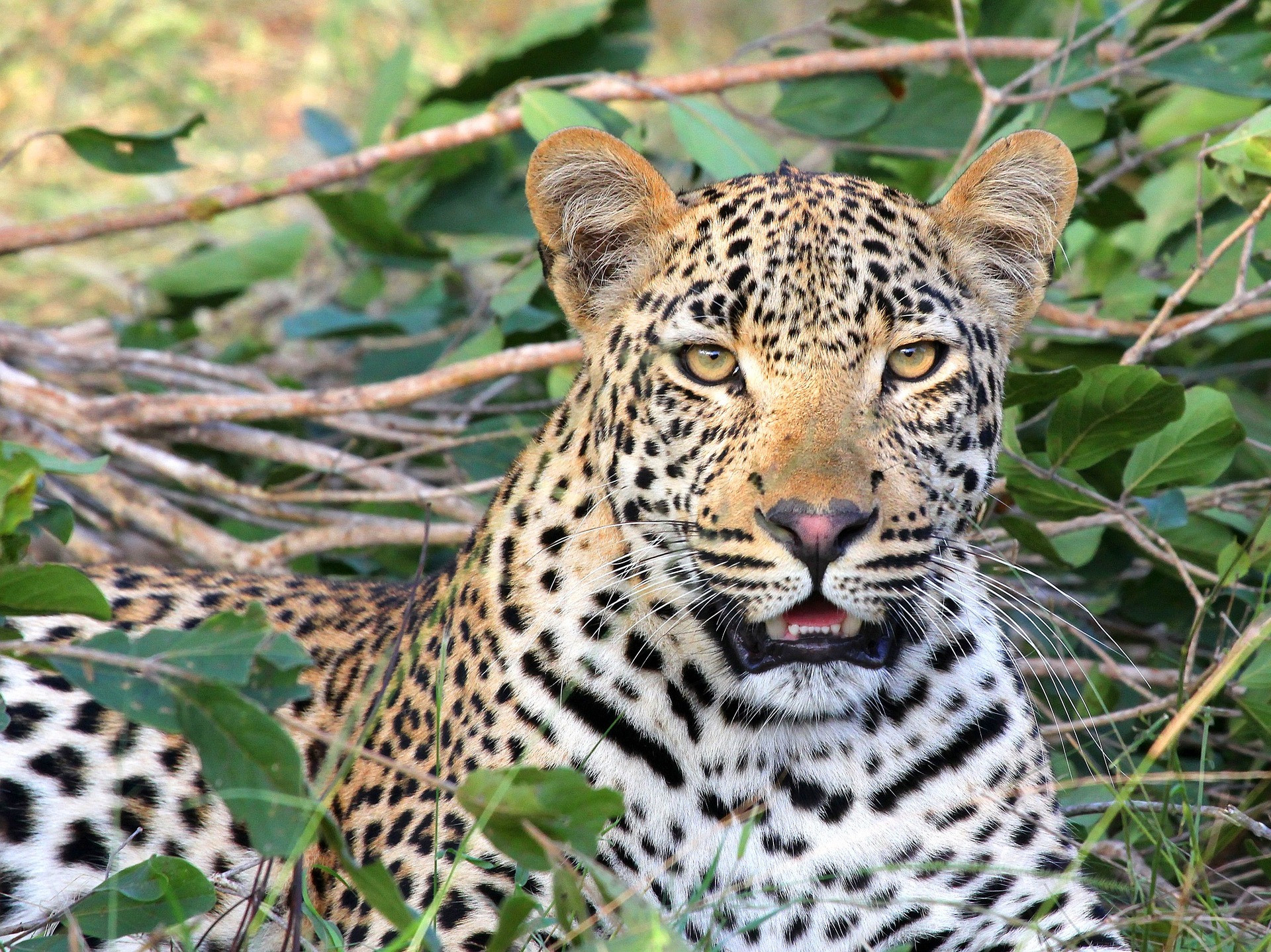
Leopard
0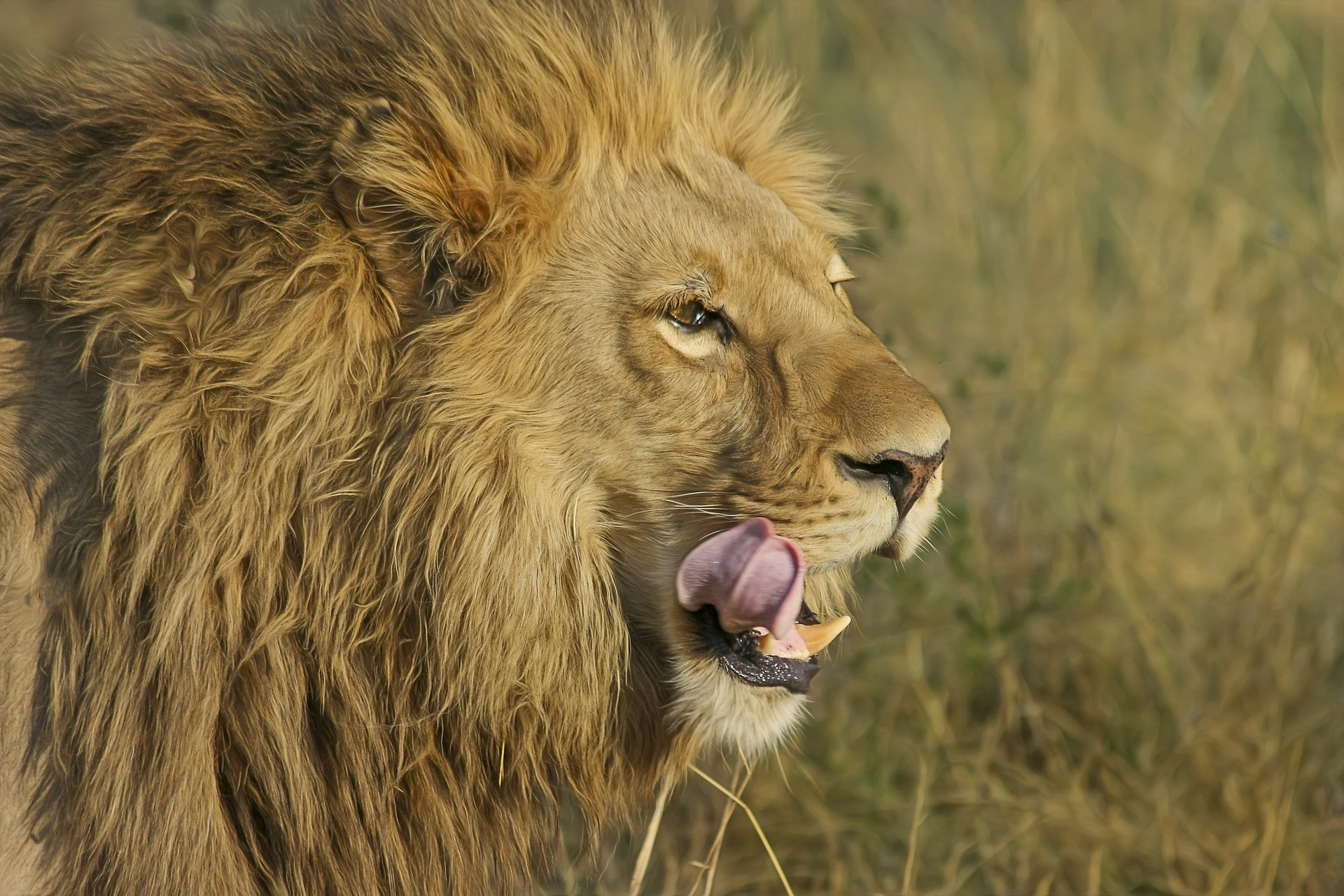
Lion
1
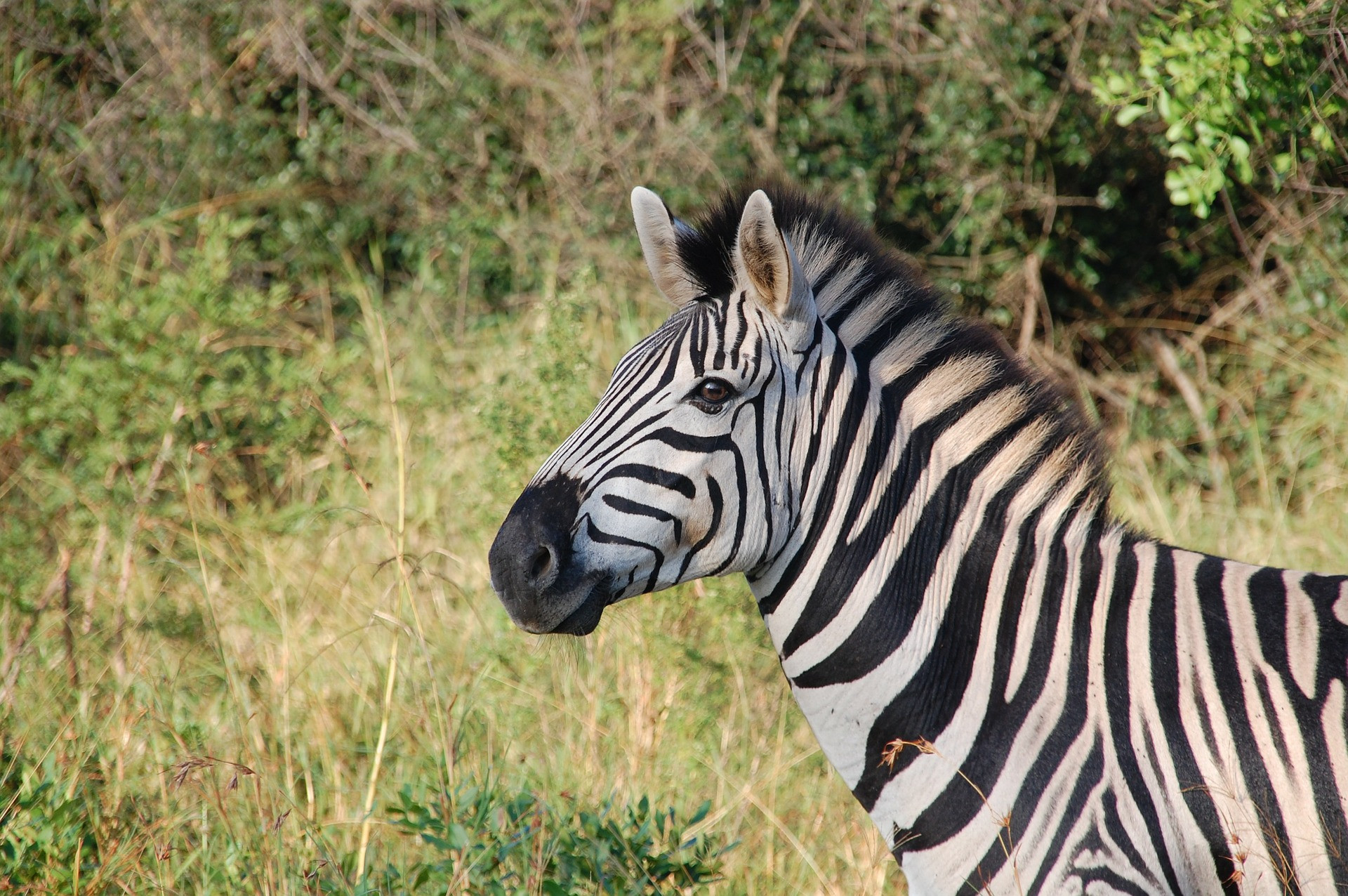
Zebra
3
Wild Dog
1
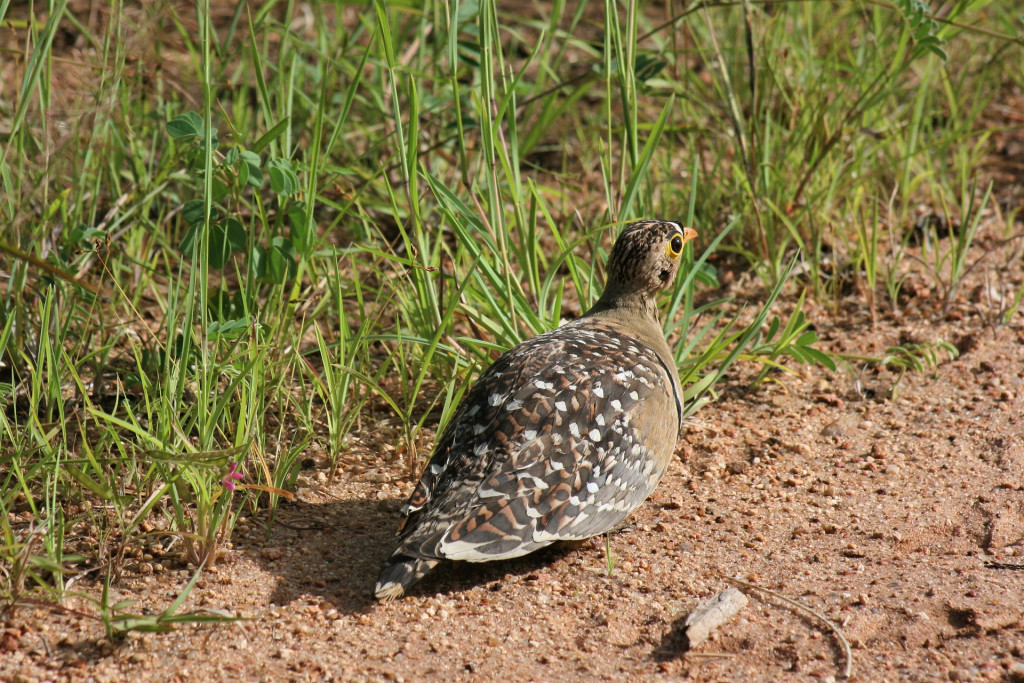
Crested Francolin
3
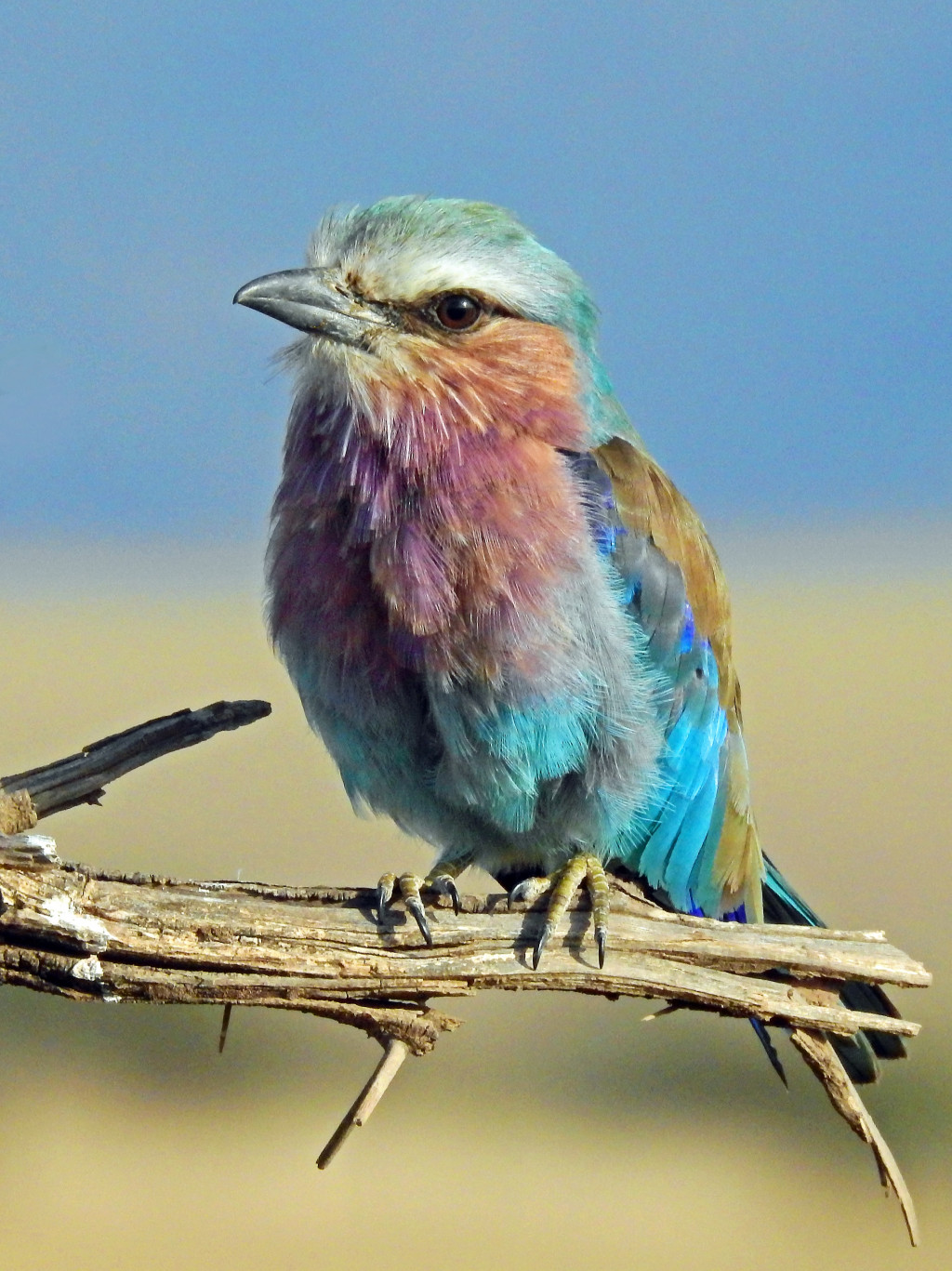
Lilac-breasted Roller
3
Southern Carmine Bee-eater
3
Striped Kingfisher
3
Tropical Boubou
3
Own this park or reserve?
Claim it to update its details and photos, add what you offer, reply to travellers and promote it on Wapota. It’s free.
Claim this listing →