
About
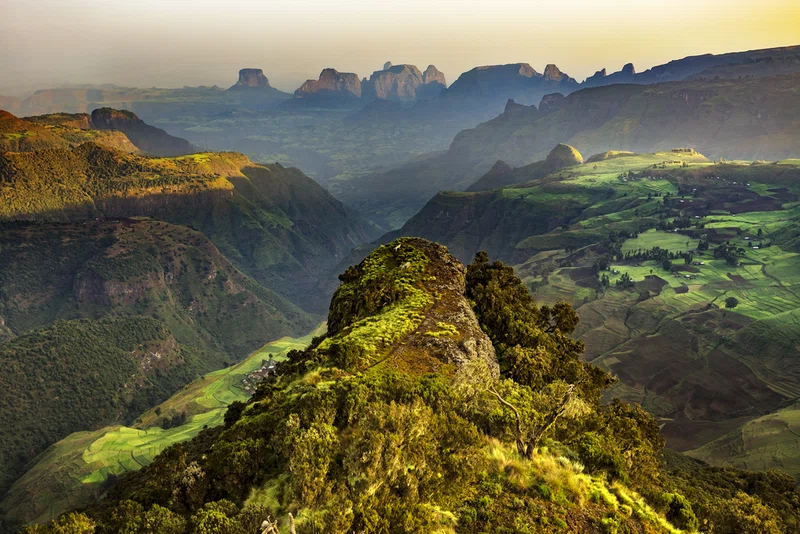
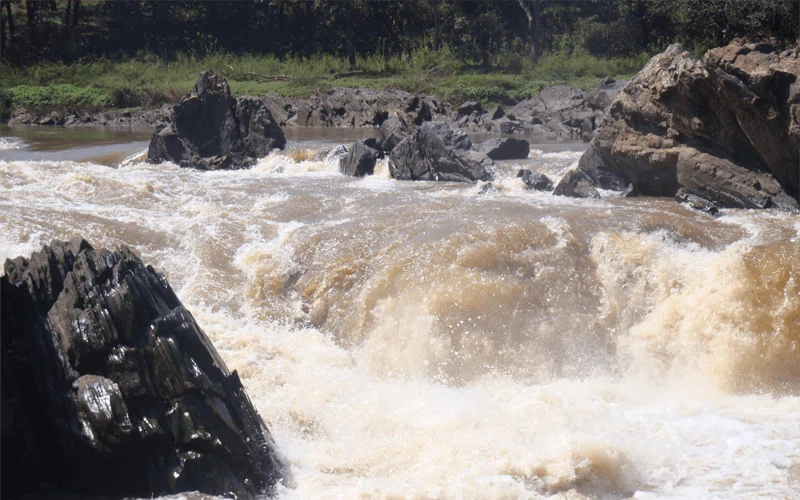
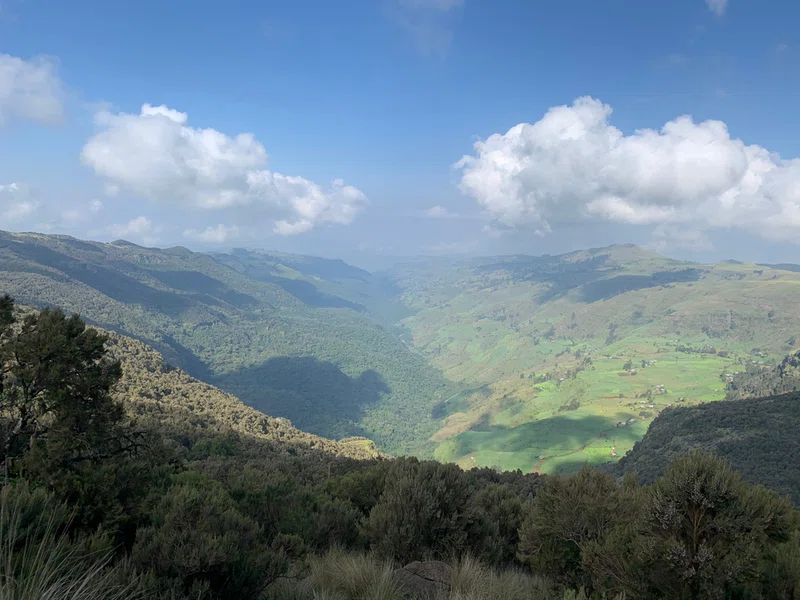
Didessa National Park, formerly known as Didessa Wildlife Sanctuary, is a protected area in western Ethiopia, established as a national park in 2017. It is situated in the Kamashi Zone of the Benishangul-Gumuz Region, along the valley of the Didessa River, a major tributary of the Blue Nile. The park spans approximately 1,300 to 1,400 square kilometers, encompassing parts of both Benishangul-Gumuz and Oromia regions. Its landscape is diverse, featuring undulating hills, flat savannas, riverine forests, wetlands, towering waterfalls, and escarpments, with elevations ranging from 1,050 to 1,350 meters above sea level. The park's humid tropical climate is characterized by a main rainy season from June to September and a dry season from October to May, with an average annual rainfall of about 1,750 mm.
The park is a significant biodiversity hotspot within the Sudan-Guinea savanna biome. Its flora includes diverse native and exotic tree species like Acacia seyal and Acacia polyacantha, which form open canopies interspersed with Combretum molle and Terminalia laxiflora in savannah and woodland areas, while riparian zones host dense gallery forests with Syzygium guineense and Breonadia salicina. The fauna is rich, featuring large herbivores such as African buffaloes, bushbucks, warthogs, and a significant population of common hippopotamuses in the Didessa River. Predators like leopards and spotted hyenas are also present. Didessa National Park is particularly notable for its avifauna, with over 300 bird species recorded, including Clapperton's francolin, helmeted guineafowl, and stone partridge. The park also shelters threatened species like the African elephant, lion (rare), African wild dog, and endemic colobus monkeys.
Historically, the Didessa Valley was designated as a wildlife sanctuary in 1970. The area has long been inhabited by indigenous groups such as the Gumuz, Berta, and Mao peoples, who relied on subsistence agriculture, hunting, gathering, beekeeping, and fishing. These communities hold deep cultural and spiritual ties to the Didessa River and its forests. Conservation efforts, including community engagement and anti-poaching patrols, aim to mitigate threats from poaching, habitat encroachment, agricultural expansion, and illegal logging. The park offers eco-tourism activities such as guided safaris, game drives, hiking, birdwatching, and boat trips for viewing hippos and crocodiles. Access is primarily by 4WD vehicle, and visitor facilities are basic, with designated campsites and eco-lodges available.
Own this park or reserve?
Claim it to update its details and photos, add what you offer, reply to travellers and promote it on Wapota. It’s free.
Claim this listing →