
About
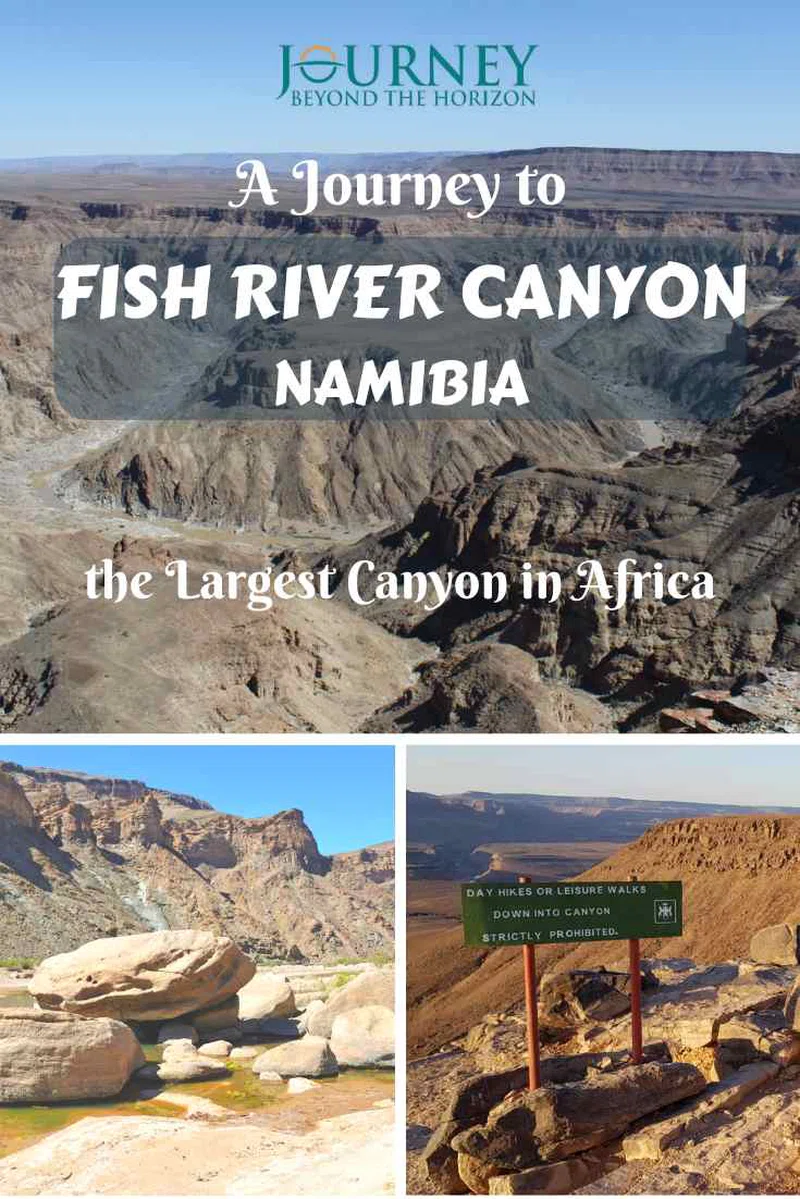
The Fish River Canyon, located in the arid southern region of Namibia, stands as Africa's largest canyon and the second largest globally, surpassed only by the Grand Canyon. This immense geological formation stretches approximately 160 kilometers (100 miles) in length, reaches up to 27 kilometers in width, and plunges to depths of nearly 550 meters. The canyon was primarily sculpted over millions of years during a pluvial (rainy) climatic epoch, with its formation also influenced by the collapse of the valley floor due to tectonic movements in the Earth's crust. The Fish River, Namibia's longest interior river at 650 kilometers, flows intermittently through the canyon, becoming a series of isolated pools on the sandy, rock-strewn bed during the dry season, while potentially transforming into a raging torrent during the rainy season from January to April. The area experiences a semi-desert climate, with scorching summer temperatures that can reach 48°C during the day, contrasting with cooler winters where nights may drop below freezing, though daytime temperatures are a more moderate 20-28°C.
As a significant natural conservation area, the Fish River Canyon is managed by Namibia Wildlife Resorts, with the main entrance and Hobas Restcamp situated at its northern end, offering access to breathtaking viewpoints like "Hell's Bend". The canyon is a haven for hardy wildlife adapted to its harsh conditions. Mammals such as Mountain Zebra, Kudu, Klipspringer, Steenbok, Baboon, Springbok, and even Leopard inhabit the region. Birdwatchers can spot species like Black Eagles, Fish Eagles, Pelicans, and Ostriches, while reptiles including Leguan lizards and various snakes are also present. The unique flora includes Namibia's national tree, the Quiver Tree (Aloe dichotoma), which can live for centuries and flowers in winter, alongside numerous other drought-adapted succulents.
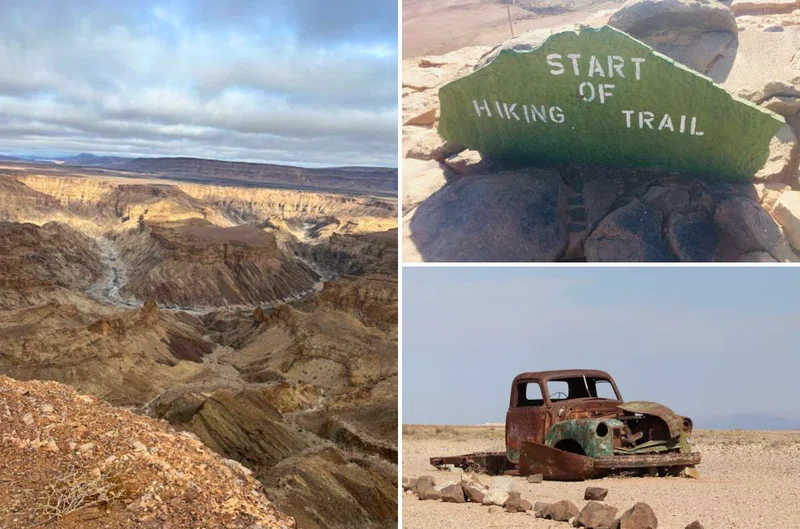
The Fish River Canyon is a premier destination for adventurous activities, most notably the challenging 86-kilometer Fish River Canyon Hiking Trail. This renowned multi-day trek typically takes five days to complete and is considered one of Southern Africa's most demanding hikes. Due to extreme summer heat and the risk of flash floods, permits for the hike are exclusively issued for the cooler winter months between May and September. Hikers must be physically fit, self-sufficient, and carry all necessary supplies, as there are no amenities within the canyon itself. For those seeking a less strenuous experience, day visitors can enjoy the panoramic views from designated viewpoints near Hobas. At the canyon's southern terminus, the Ai-Ais Hot Springs Resort provides a relaxing retreat with its natural thermal pools and spa facilities, serving as a perfect endpoint for weary hikers.
Own this park or reserve?
Claim it to update its details and photos, add what you offer, reply to travellers and promote it on Wapota. It’s free.
Claim this listing →