
About
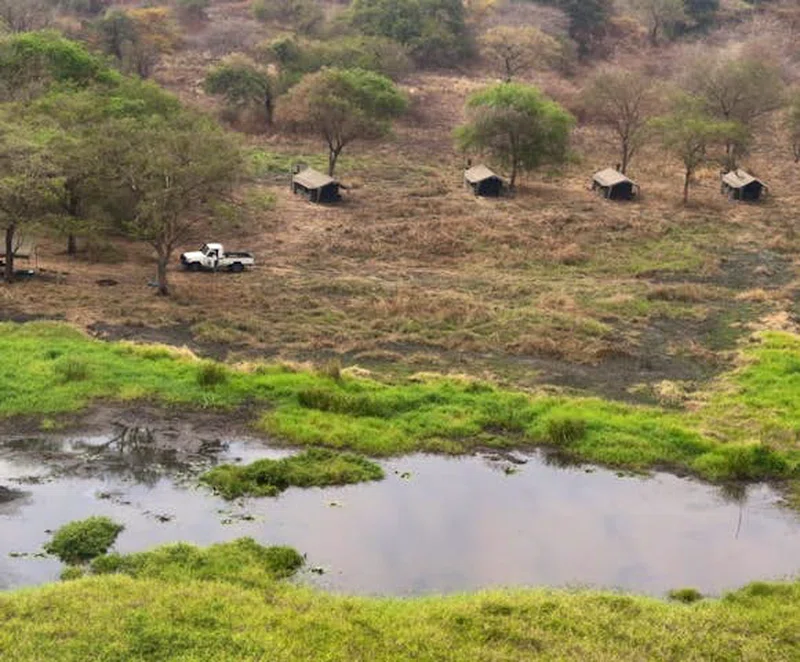
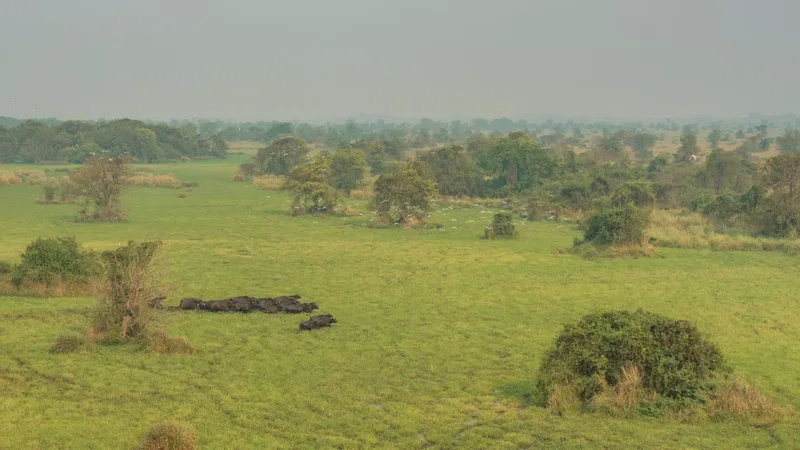
Gambella National Park, situated in the southwestern region of Ethiopia, is the country's largest protected area, spanning approximately 4,575 km². Established in 1973, its primary purpose is to conserve its exceptional biodiversity and vital wetland habitats. The park is located between two major river systems, the Baro River to the north and the Akobo River to the south, forming part of a larger contiguous system of protected areas that extends into neighboring South Sudan. The landscape is generally low and flat, with altitudes ranging from 400 to 768 meters above sea level, and an average altitude of around 500 meters. The climate is hot and humid, with a rainy season from May to October and a dry season from November to April.
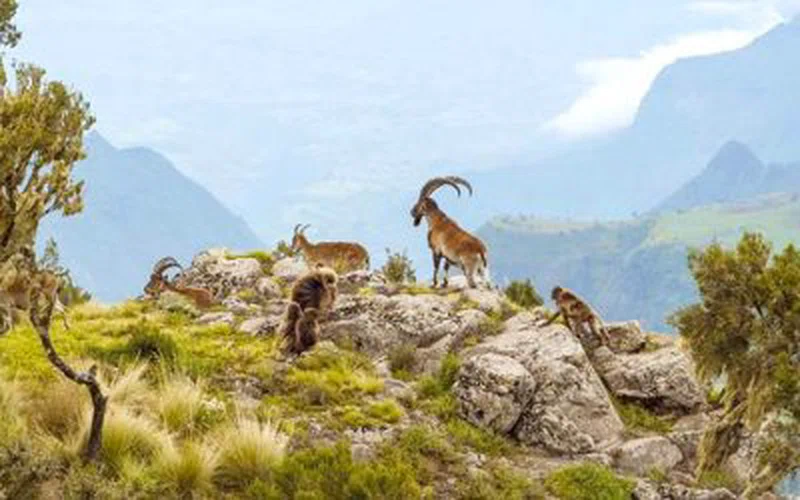
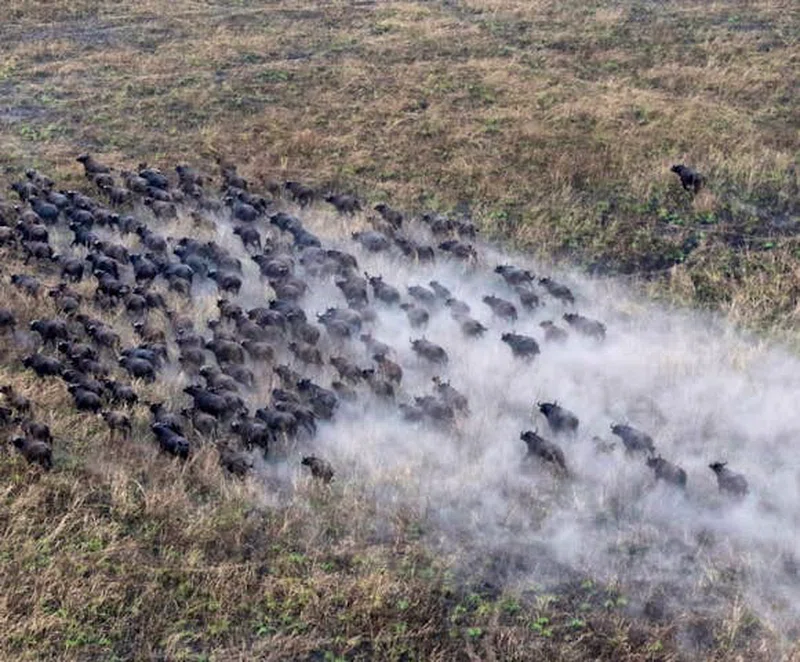
The park is renowned for its significant wildlife populations, including Ethiopia's largest remaining population of elephants and one of the world's most endangered giraffe populations, the Nubian giraffe. It is also a critical habitat for species such as white-eared kob, Nile lechwe, and buffalo. Gambella National Park plays a vital role in the world's largest land mammal migration, where approximately six million antelope, including white-eared kob, tiang, Mongalla gazelle, and Bohor reedbuck, move seasonally across the Great Nile Migration Landscape between Gambella and South Sudan's Boma-Badingilo national parks. The park is home to over 230 bird species and 113 fish species, with its extensive wetlands providing crucial habitat for migratory birds and the remarkable shoebill stork.
In December 2024, African Parks entered into a 10-year renewable management agreement with the Ethiopian Wildlife Conservation Authority (EWCA) and the Gambella Peoples' National Regional State to restore and manage the park. This partnership aims to channel significant investment into the region, promoting biodiversity conservation, community development, and park revenue generation, while also building resilience to climate change. The local communities, predominantly Nilotic groups like the Anuak, Majang, and Omotic people, live around the park and rely on the region's resources.
Safari Tours


Own this park or reserve?
Claim it to update its details and photos, add what you offer, reply to travellers and promote it on Wapota. It’s free.
Claim this listing →