
About
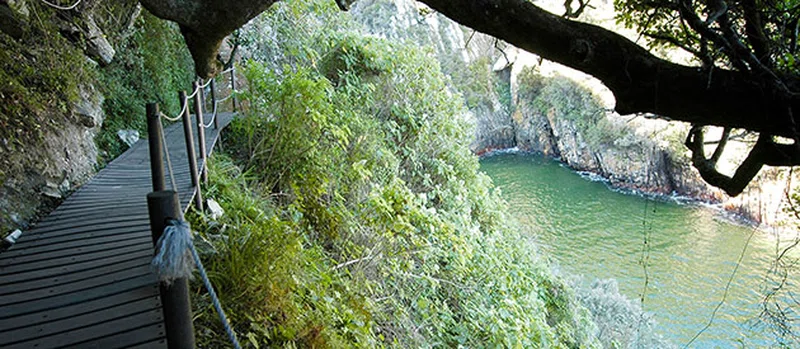
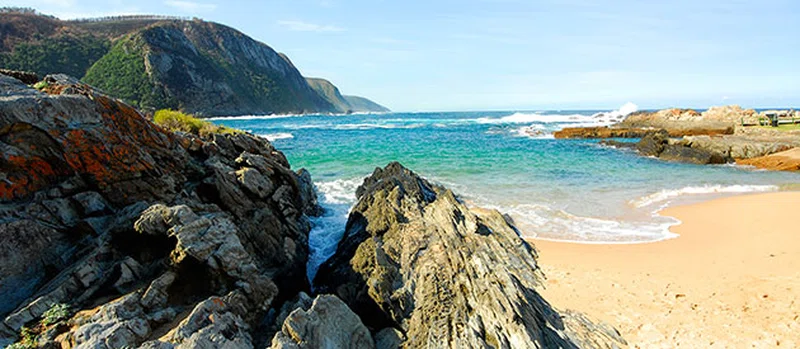
The Garden Route National Park is a sprawling protected area located along the picturesque South Coast of South Africa, spanning parts of both the Western Cape and Eastern Cape provinces. Established on March 6, 2009, it was formed by consolidating the former Tsitsikamma and Wilderness National Parks, the Knysna National Lake Area, and various other state-owned lands. Covering approximately 1,210 square kilometers (470 sq mi), the park is renowned for its exceptional biodiversity and diverse landscapes, which include vast indigenous forests, dramatic coastlines, fynbos areas, mountain catchments, tranquil lakes, meandering rivers, estuaries, and pristine beaches. The park experiences a unique temperate climate with year-round rainfall, making it a verdant haven.
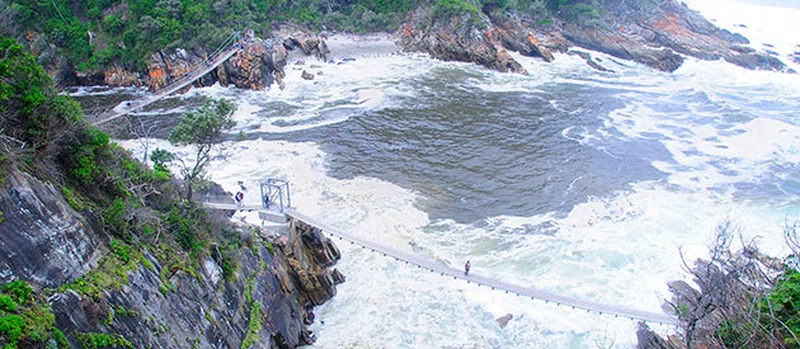
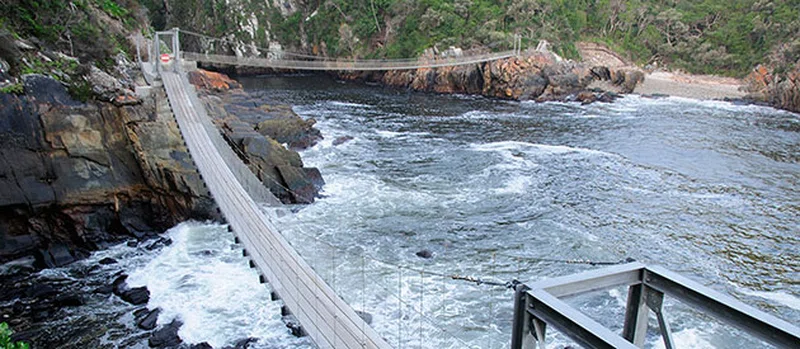
The park is broadly divided into three main sections: Tsitsikamma, Wilderness, and Knysna Lakes. The Tsitsikamma section features an 80-kilometer stretch of rugged coastline, dense indigenous forests, and is home to the famous Otter Trail and the iconic Storms River Mouth. The Wilderness section, nestled between the towns of George and Knysna, extends from the Touw River mouth to the Swartvlei estuary, encompassing five significant lakes—Eilandvlei, Langvlei, Rondevlei, and Island Lake—connected by the winding Serpentine river. This area is crucial for protecting three major indigenous forest zones and four types of fynbos, alongside several archaeologically significant sites.
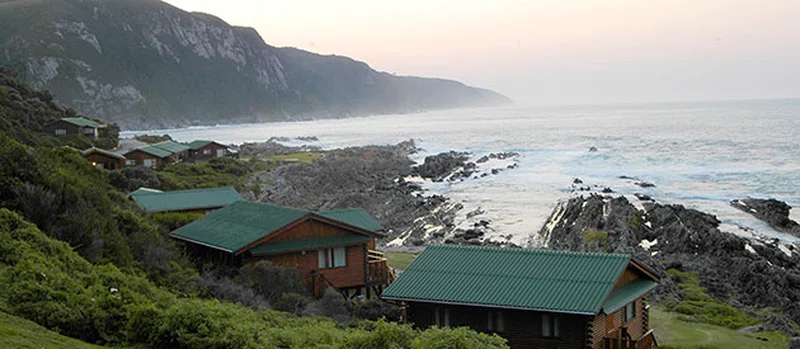
The Garden Route National Park is a paradise for nature enthusiasts and adventure seekers alike. Its rich fauna includes 77 mammal species and over 300 bird species, with highlights such as the brilliantly colored Knysna Lourie, five kingfisher species, Grey Herons, and Little Egrets, particularly around the Ramsar-designated wetlands of the Wilderness section. Marine life is also prominent, with opportunities for dolphin and whale watching from vantage points like Dolphin Point. Visitors can engage in a wide array of activities, including hiking along numerous trails (such as those in the Woodville Big Tree area or the challenging Otter Trail), canoeing, mountain biking, abseiling, kloofing, paragliding, boating, and fishing in designated areas. Bird hides offer excellent opportunities for birdwatching, while various rest camps, like Wilderness Ebb-and-Flow, provide accommodation and camping facilities for an immersive experience.
Own this park or reserve?
Claim it to update its details and photos, add what you offer, reply to travellers and promote it on Wapota. It’s free.
Claim this listing →