
About
Gishwati-Mukura National Park, Rwanda's fourth national park, is a vital conservation area located in the Western Province, specifically within the Ngororero and Rutsiro districts. Established in 2015 and officially opened to visitors on December 1, 2020, the park encompasses two distinct montane rainforests: the larger Gishwati and the smaller Mukura, covering a combined area of approximately 34 square kilometers (3,558 hectares). Situated along the biodiverse Albertine Rift, the forests lie on the ridge that separates the Congo and Nile water catchment areas, forming a crucial part of the larger Congo-Nile divide forest system. The park's landscape is characterized by indigenous hardwoods and bamboo, with over 60 species of trees, and features several hiking trails, some leading to picturesque waterfalls like the Kazeneza waterfall. In 2020, the Gishwati-Mukura landscape received international recognition by being designated a UNESCO Biosphere Reserve.
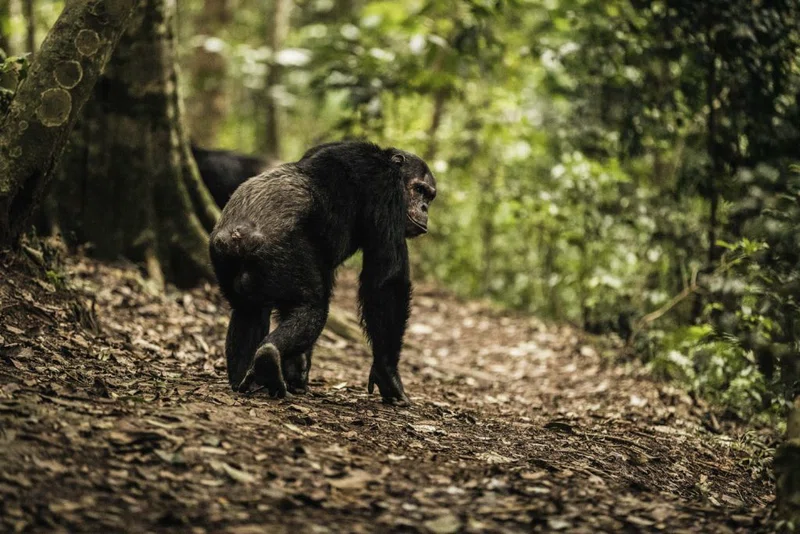
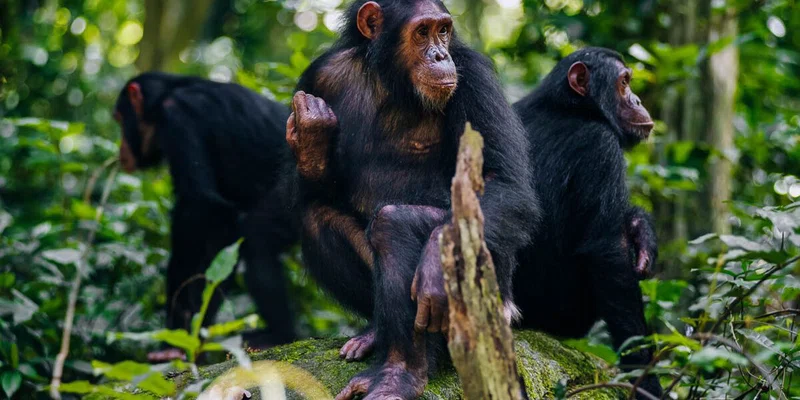
The park is a haven for a diverse array of wildlife, particularly primates. It is home to an estimated 30-35 Eastern Chimpanzees, alongside golden monkeys, blue monkeys, and L'Hoest's monkeys. Other notable mammals found within the park include red river hogs, black-fronted duikers, southern tree hyrax, serval, and the African golden cat. Gishwati-Mukura is also a significant destination for bird enthusiasts, boasting 232 recorded bird species in Gishwati and 163 in Mukura, many of which are Albertine Rift Endemics such as the mountain yellow warbler, Rwenzori batis, regal sunbird, and Rwenzori turacos. The park's ecosystem further supports various reptiles, including the great lakes bush viper and chameleons, as well as amphibians like the brown forest frog and several toad species.
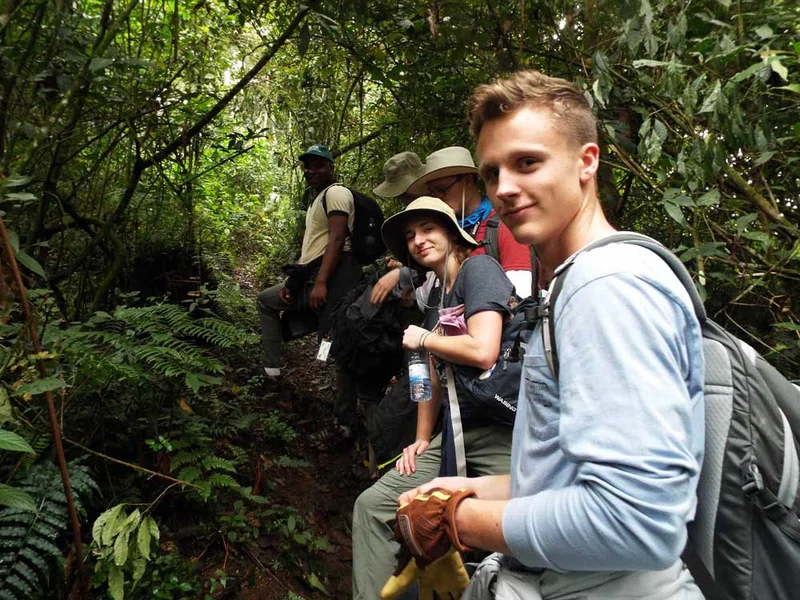
Visitors to Gishwati-Mukura National Park can engage in a range of activities designed to showcase its natural beauty and biodiversity. Popular options include guided chimpanzee and golden monkey trekking, offering a chance to observe these primates in their natural habitat. The park also provides guided nature hikes along trails like the Umushwati Trail, Waterfall Trail, and Matyazo Hill Trail, and excellent opportunities for bird watching. Beyond wildlife viewing, the park promotes community-based tourism, allowing visitors to experience local culture through farm stays, traditional dance performances, handicraft making, beekeeping, tea plantation tours, and interactions with traditional healers who utilize indigenous plants. These initiatives not only enrich the visitor experience but also contribute to the livelihoods of the surrounding communities and the park's ongoing conservation efforts.
The area has a poignant history of environmental degradation, largely stemming from resettlement, illegal mining, and livestock farming, particularly exacerbated during the 1994 Rwandan genocide. However, extensive reforestation and conservation programs, supported by entities like the Rwanda Development Board, Forest of Hope Association, and Wilderness Safaris, have led to a significant increase in forest cover and a recovery in the chimpanzee population. The establishment of the national park and its UNESCO Biosphere Reserve status underscore Rwanda's commitment to protecting this unique ecosystem and promoting sustainable development.
Wildlife & Birds
Ruwenzori Turaco
3
Red-throated Alethe
3
Martial Eagle
3
Mountain Yellow Warbler
3
White-headed Wood-hoopoe
3
Own this park or reserve?
Claim it to update its details and photos, add what you offer, reply to travellers and promote it on Wapota. It’s free.
Claim this listing →