
About
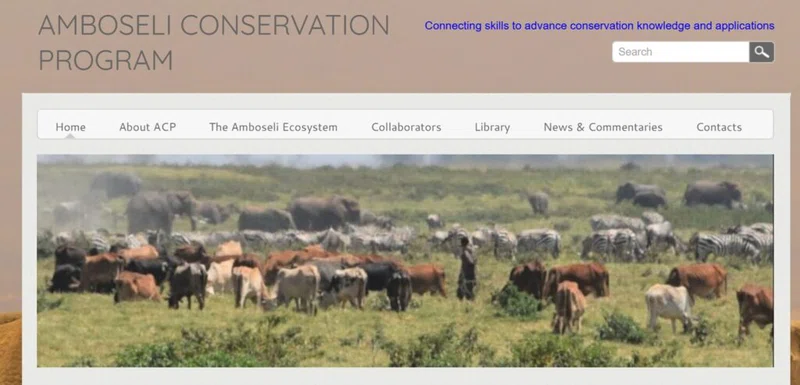
The Greater Amboseli Ecosystem, centered around Amboseli National Park, is a vital wildlife area located in Loitoktok District, Kajiado County, Kenya. Covering a core area of 392 square kilometers (151 sq mi), the broader ecosystem spans approximately 8,000 square kilometers (3,100 sq mi) and extends across the Kenya-Tanzania border. Situated on the southern flanks of the Great Rift Valley, the ecosystem is famously dominated by the majestic presence of Mount Kilimanjaro, Africa's highest peak, which provides a stunning backdrop despite being entirely within Tanzania. The name "Amboseli" originates from the Maasai word "Empusel," meaning "salty, dusty place," reflecting its unique environment.
The terrain is characterized by a mix of dried-up Pleistocene lake beds, semi-arid vegetation, and crucial permanent swamps. These swamps, notably Enkongo Narok and Longenya, are sustained by underground meltwater and rainfall from Mount Kilimanjaro, acting as critical water sources for wildlife, especially during dry seasons. The landscape also features open plains and alkaline salt flats, which contribute to its distinctive appearance. Volcanic soils from ancient eruptions enrich certain patches, supporting diverse grasses and acacia woodlands, although the ecosystem has seen shifts from woodlands to open grasslands due to changing salinity and elephant activity.
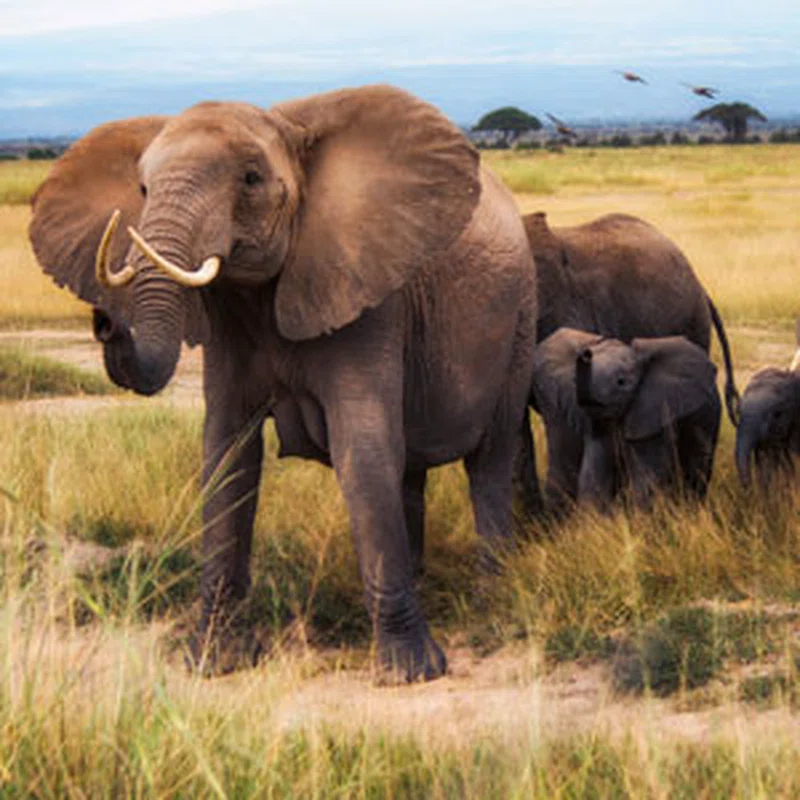
Amboseli is globally recognized for its exceptionally large population of African bush elephants, which have been the subject of extensive research since 1972. These elephants are often referred to as "red elephants" due to their habit of dusting themselves in the park's iron-oxide rich soil. Beyond elephants, the ecosystem supports a rich diversity of mammals, including lions, cheetahs, spotted hyenas, Cape buffalo, impalas, yellow baboons, Masai giraffes, Grant's zebras, and eastern white-bearded wildebeest. Over 400 species of birds, including various water birds and raptors, also inhabit the area, particularly around the wetlands.
Visitors to the Greater Amboseli Ecosystem can engage in classic safari activities such as morning and afternoon game drives, which offer excellent opportunities for wildlife viewing and photography, especially with Kilimanjaro in the background. Birdwatching around the seasonal wetlands is also a popular activity. The area holds significant cultural importance for the local Maasai community, who refer to Kilimanjaro as Ol Doinyo Oibor, the "White Mountain," a sacred place and source of life. The park was initially established as a game reserve for the Maasai in 1906 and later gazetted as a national park in 1974, becoming a UNESCO site in 1991.
Own this park or reserve?
Claim it to update its details and photos, add what you offer, reply to travellers and promote it on Wapota. It’s free.
Claim this listing →