
About
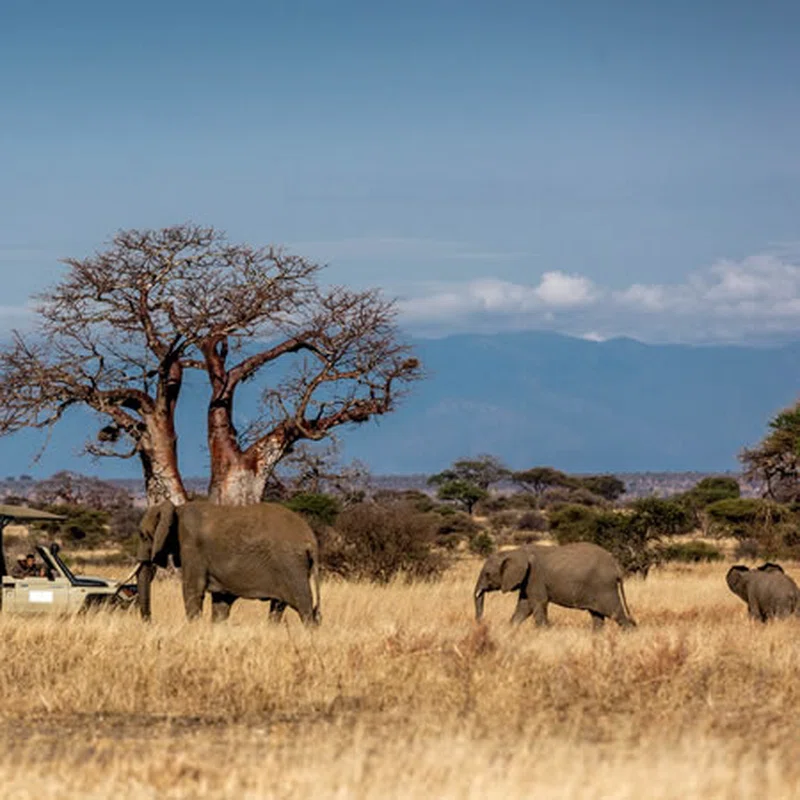
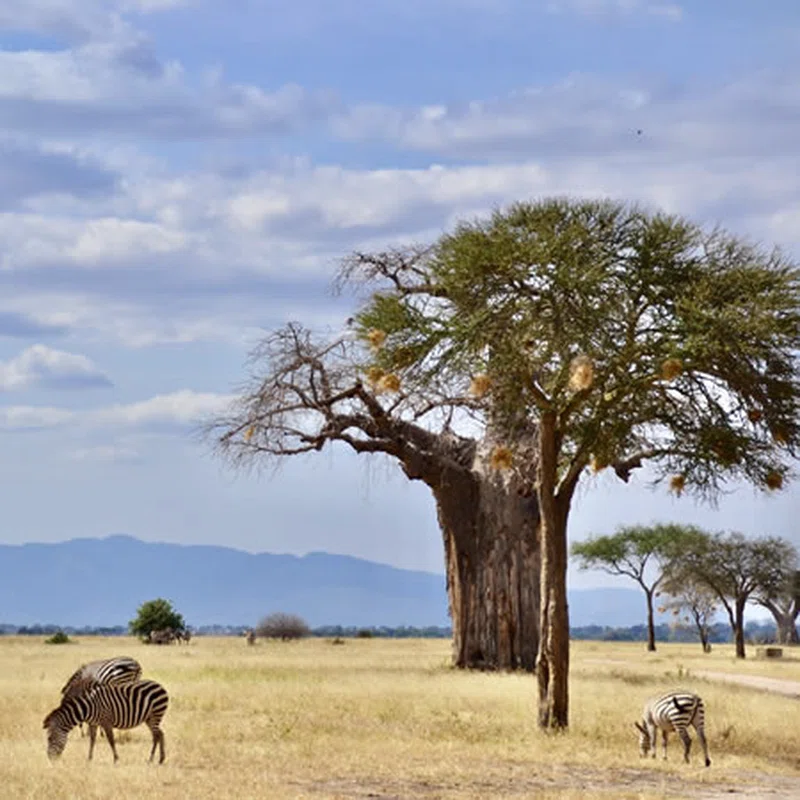
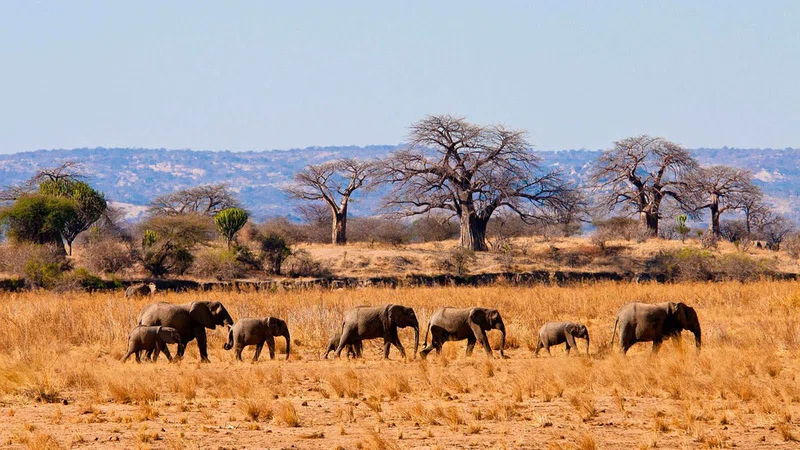
The Greater Tarangire Ecosystem is a significant geographical region in northern Tanzania, primarily encompassing Tarangire National Park and extending into the surrounding Maasai Steppe and Simanjiro Plains. Located southwest of Arusha in the Manyara Region, the ecosystem spans approximately 20,500 square kilometers, with the national park itself covering about 2,850 square kilometers. The landscape is characterized by granitic ridges, river valleys, and expansive swamps, featuring a mix of Acacia and Combretum woodlands, seasonally flooded grasslands, and a remarkable density of ancient baobab trees. The Tarangire River serves as the ecosystem's lifeline, providing the sole permanent water source during the long dry season, which dictates the movement of wildlife. The Silale Swamp in the southern sector is another crucial wetland, retaining water and attracting large herds.
The ecosystem is renowned for hosting the second-largest population of migratory ungulates in East Africa and the largest concentration of elephants in northern Tanzania. During the dry season, from June to October, thousands of animals, including vast herds of elephants, zebra, wildebeest, and Cape buffalo, converge within Tarangire National Park from their wet-season dispersal areas. Other commonly sighted animals include giraffes, waterbucks, impalas, elands, dik-diks, and various primates. Predators such as lions, leopards, cheetahs, and African wild dogs are also present. Tarangire is a birdwatcher's paradise, boasting over 550 recorded bird species, including endemic ones like the yellow-collared lovebird and ashy starling.
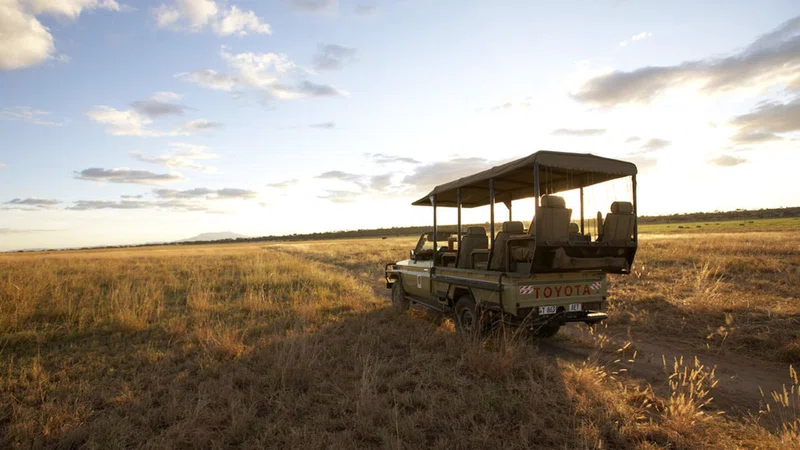
Visitors to the Greater Tarangire Ecosystem can engage in a variety of safari activities. These include classic game drives, guided walking safaris with armed rangers, and unique night safaris offered in select areas. Hot air balloon safaris provide a breathtaking aerial perspective of the wildlife and baobab-studded landscapes. Cultural visits to nearby Maasai villages offer insights into the traditions and livelihoods of the local communities, whose lives are closely linked to the park's resources. The park was established in 1970, building on its designation as a game reserve in 1951, and plays a vital role in conservation efforts, often in partnership with local communities.
Own this park or reserve?
Claim it to update its details and photos, add what you offer, reply to travellers and promote it on Wapota. It’s free.
Claim this listing →