
About
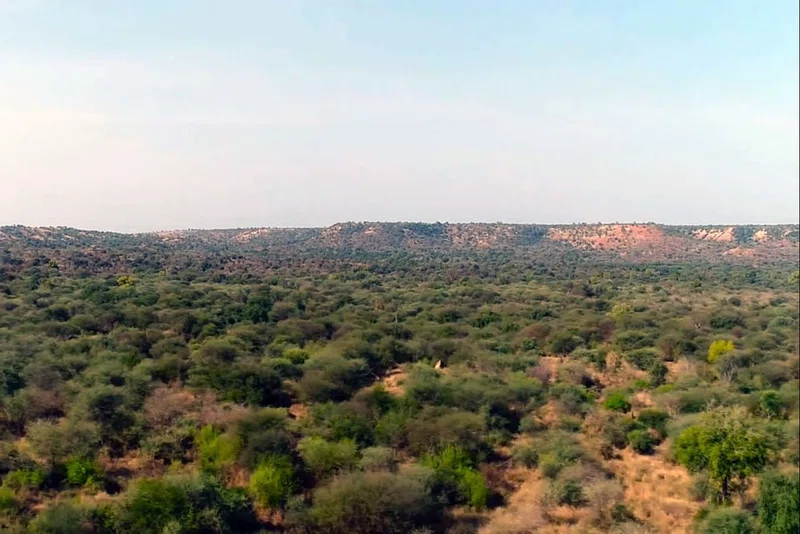
Kafta Sheraro National Park is a significant protected area located in the western Tigray region of Ethiopia, nestled between Qafta, Humera, and Tahtay Adiabo. It shares a northern border with Eritrea's Gash-Setit and is bisected by the Tekeze River, which is fed by numerous tributaries originating from the highlands of Wolqait, Qafta, and other surrounding areas. The park's elevation varies from 550 meters above sea level along the Tekeze River to 1800 meters in the Kafta highlands. Established as a wildlife reserve over 50 years ago, it gained formal recognition as a national park in 2007 and was officially gazetted in 2015. The park's agro-climatic zone is predominantly Qolla, characterized by a semi-arid environment. Its vegetation is diverse, featuring Acacia-Commiphora, Combretum-Terminalia, dry evergreen montane woodlands, and riparian types.
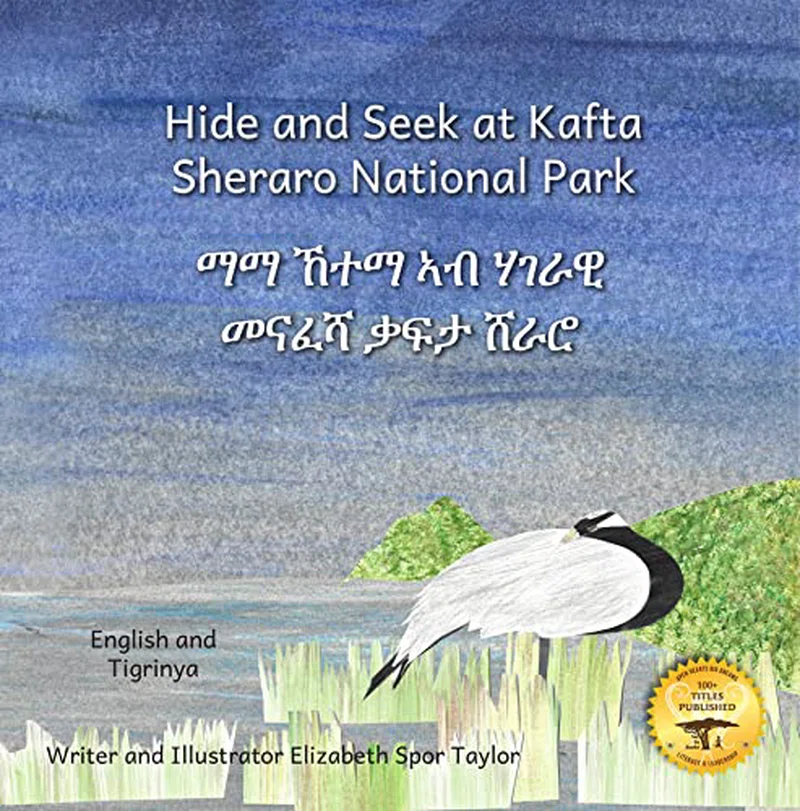
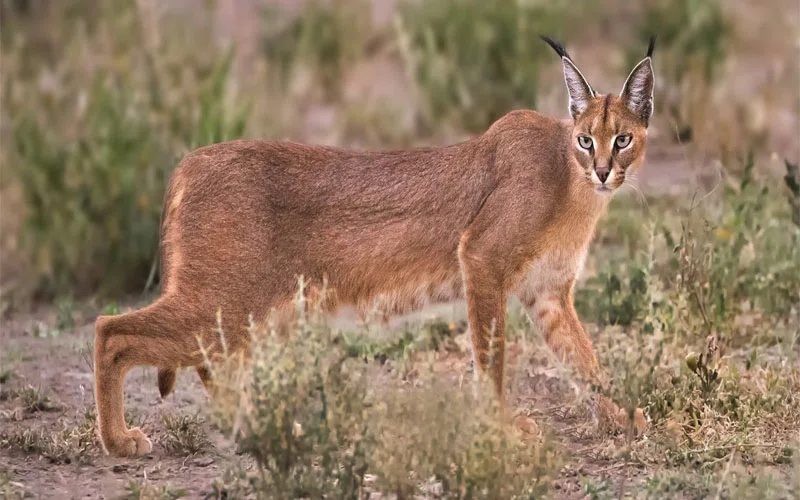
The park is renowned for its exceptional biodiversity, serving as a critical habitat for a transboundary African elephant population, estimated at 300-500 individuals, which seasonally migrates between Ethiopia and Eritrea. This represents the northernmost elephant population on the African continent. Kafta Sheraro is also an internationally significant wintering site for Demoiselle Cranes, with over 20,000 individuals recorded, accounting for approximately 9% of the global population. Furthermore, it conserves the largest global population of Heuglin's Gazelle, comprising up to 50% of the species. Other notable wildlife includes lions, leopards, caracals, aardvarks, greater kudus, roan antelopes, red-fronted gazelles, hyenas, crocodiles, cheetahs, red-necked ostriches, brown-headed parrots, parakeets, and little green bee-eaters. The park is home to 42 mammalian species, 95-167 avian species, and 9 reptile species.
Accessibility to the park is possible via routes from Shire – Sheraro, Humera – Welkayt, or Shire – Dedebit. While some concrete roads exist, visitors and researchers often undertake extensive walks due to the rough terrain. Key activities include birding and wildlife viewing, with January being an optimal time for bird richness due to migratory species. However, the park faces several human-induced threats, including frequent wildfires, illegal gold mining, traditional honey collection, agricultural expansion, cattle grazing, and illegal trade with Eritrea. These activities contribute to habitat loss and corridor obstruction, posing significant challenges to the park's conservation efforts.
Own this park or reserve?
Claim it to update its details and photos, add what you offer, reply to travellers and promote it on Wapota. It’s free.
Claim this listing →