
About
Kasanka National Park is located in the Central Province of Zambia on the southwestern edge of the Lake Bangweulu basin. Spanning an area of approximately 390 to 450 square kilometers, it is one of the country's smallest national parks. The landscape features a relatively flat topography with an elevation ranging between 1,160 and 1,290 meters above sea level. Despite its compact size, the park encompasses a diverse network of aquatic and terrestrial ecosystems, including five perennial rivers—such as the Luwombwa, Mulembo, and Kasanka rivers—nine permanent lakes including Lake Wasa, expansive papyrus swamps, and grassy dambos. Approximately 70 percent of the park is covered by miombo woodland, interspersed with riverine forests and patches of evergreen swamp forest known as mushitu.
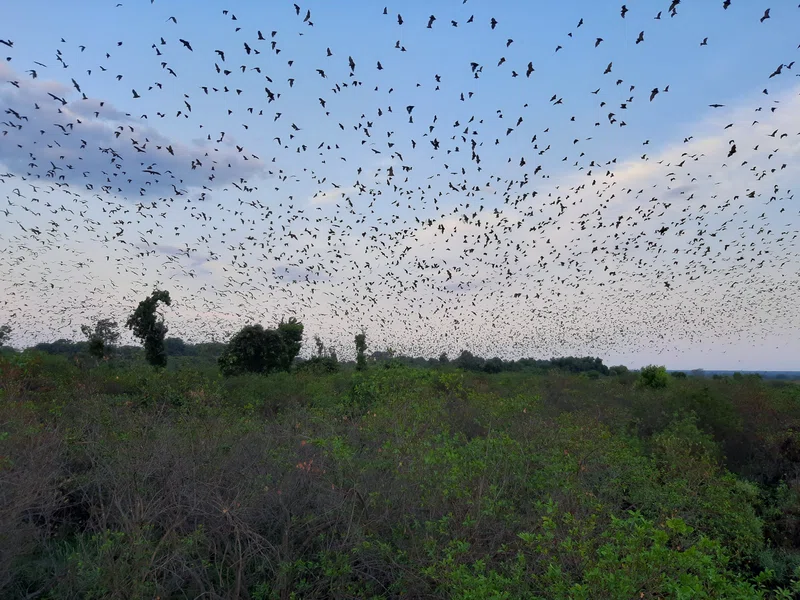
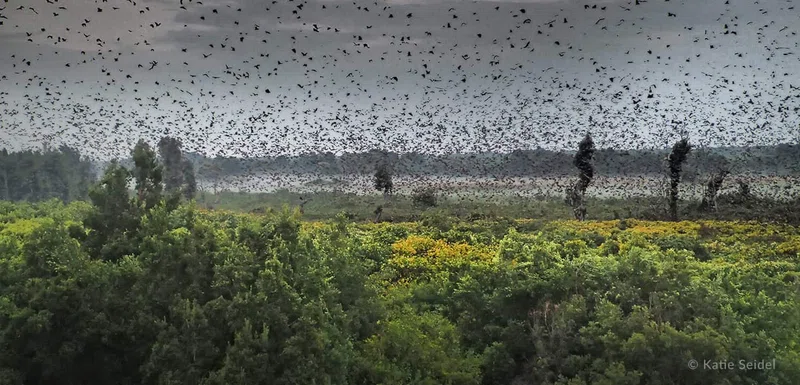
Kasanka is internationally famous for hosting the annual migration of eight to ten million straw-coloured fruit bats between October and December, which is recognized as the largest mammal migration on Earth. The bats roost in the Fibwe swamp forest and forage on local fruits like wild loquats and waterberries before dispersing by early January. Beyond the bat spectacle, the park shelters over 110 mammal species, including significant populations of the rare sitatunga antelope, puku, sable antelope, Lichtenstein's hartebeest, hippopotamus, and Kinda baboons. It is also an exceptional birding destination with over 470 recorded species, such as Pel's fishing owl, Ross's turaco, wattled crane, and the elusive shoebill stork. Visitors explore the park through game drives, guided walking safaris, river canoeing trips, and canopy viewing platforms like the 18-meter-high Fibwe Hide.
Established as a national park in 1972, Kasanka suffered severe wildlife depletion from poaching during the late 20th century. In 1985, British conservationist David Lloyd visited the area and initiated efforts to protect its remaining wildlife. He co-founded the Kasanka Trust, which entered into a public-private partnership with Zambia's Department of National Parks and Wildlife in the late 1980s. Kasanka became the first national park in Zambia to be managed under such an agreement. Today, the Trust oversees park infrastructure, habitat management, anti-poaching operations, and community outreach programs, reinvesting revenue from tourism directly into local conservation.
Wildlife & Birds
Bateleur
3
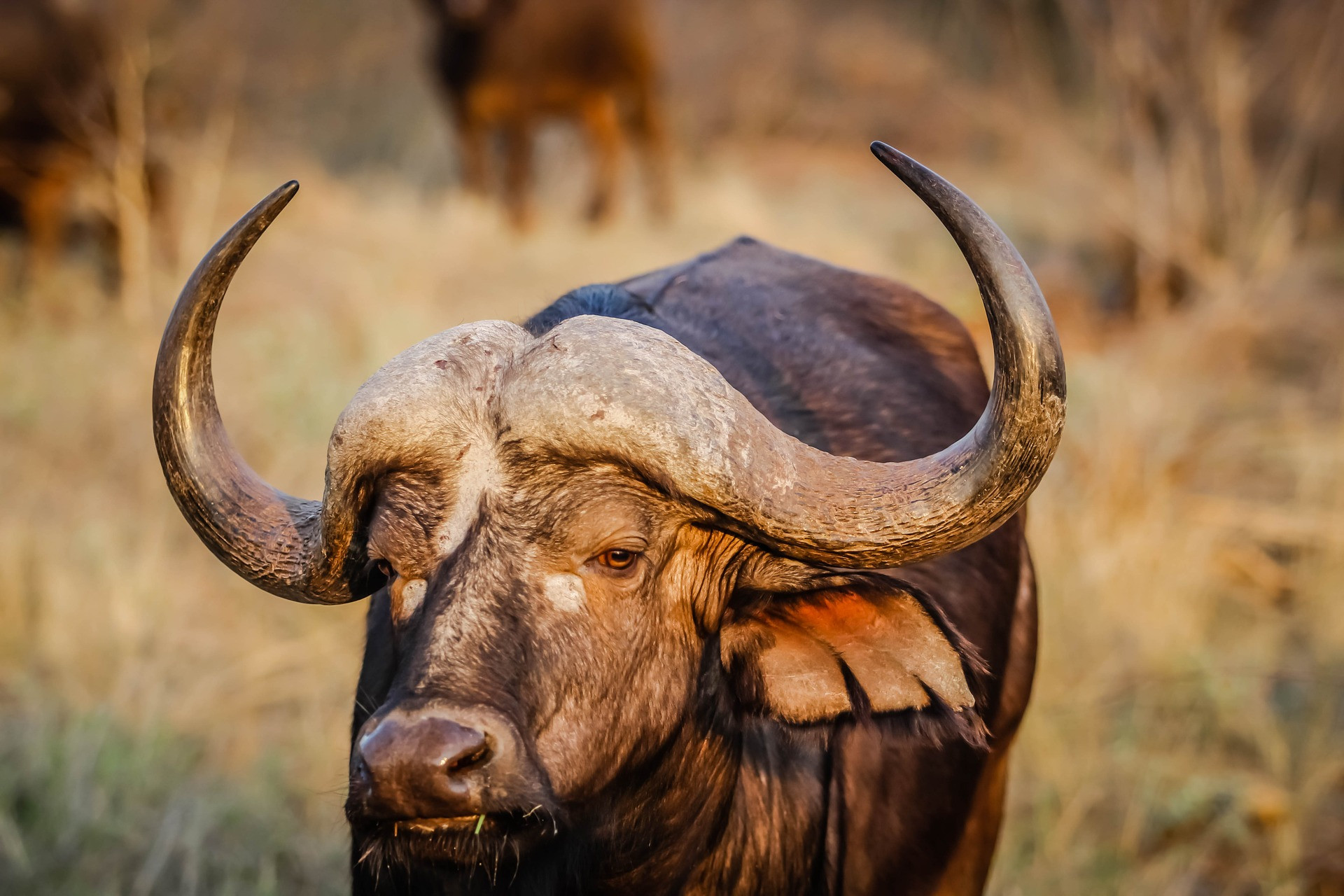
Buffalo
1
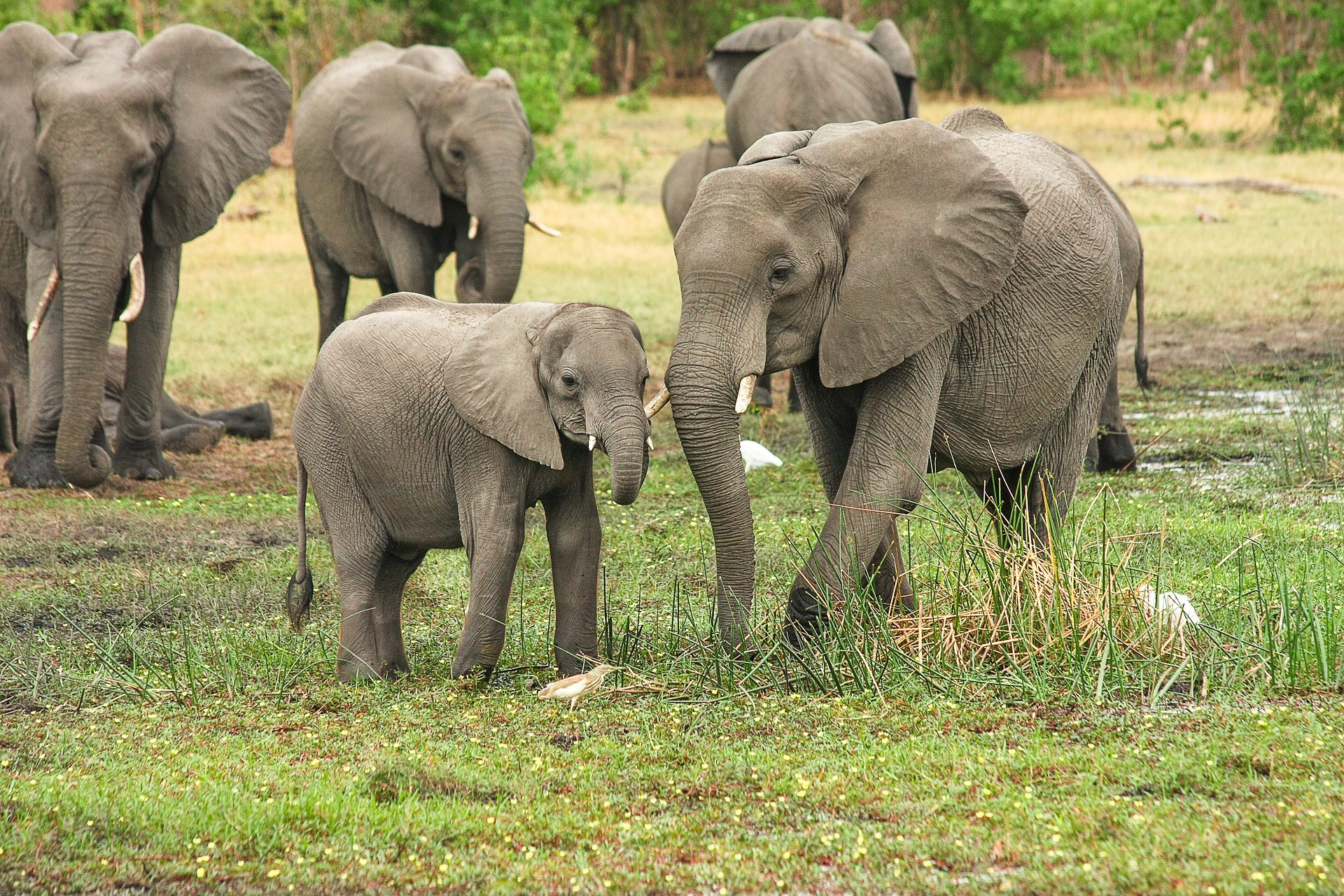
Elephant
0Hippo
3
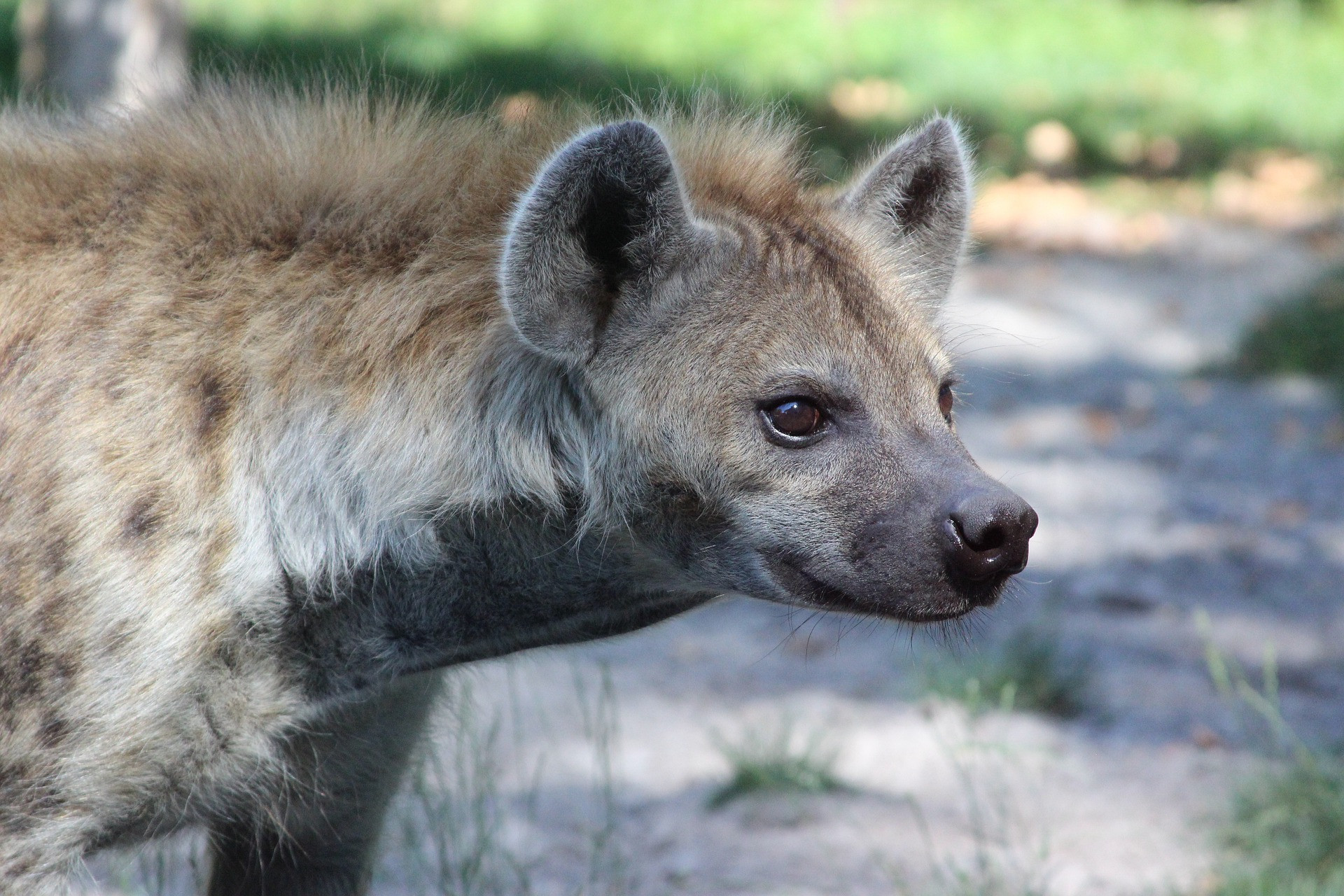
Hyena
1
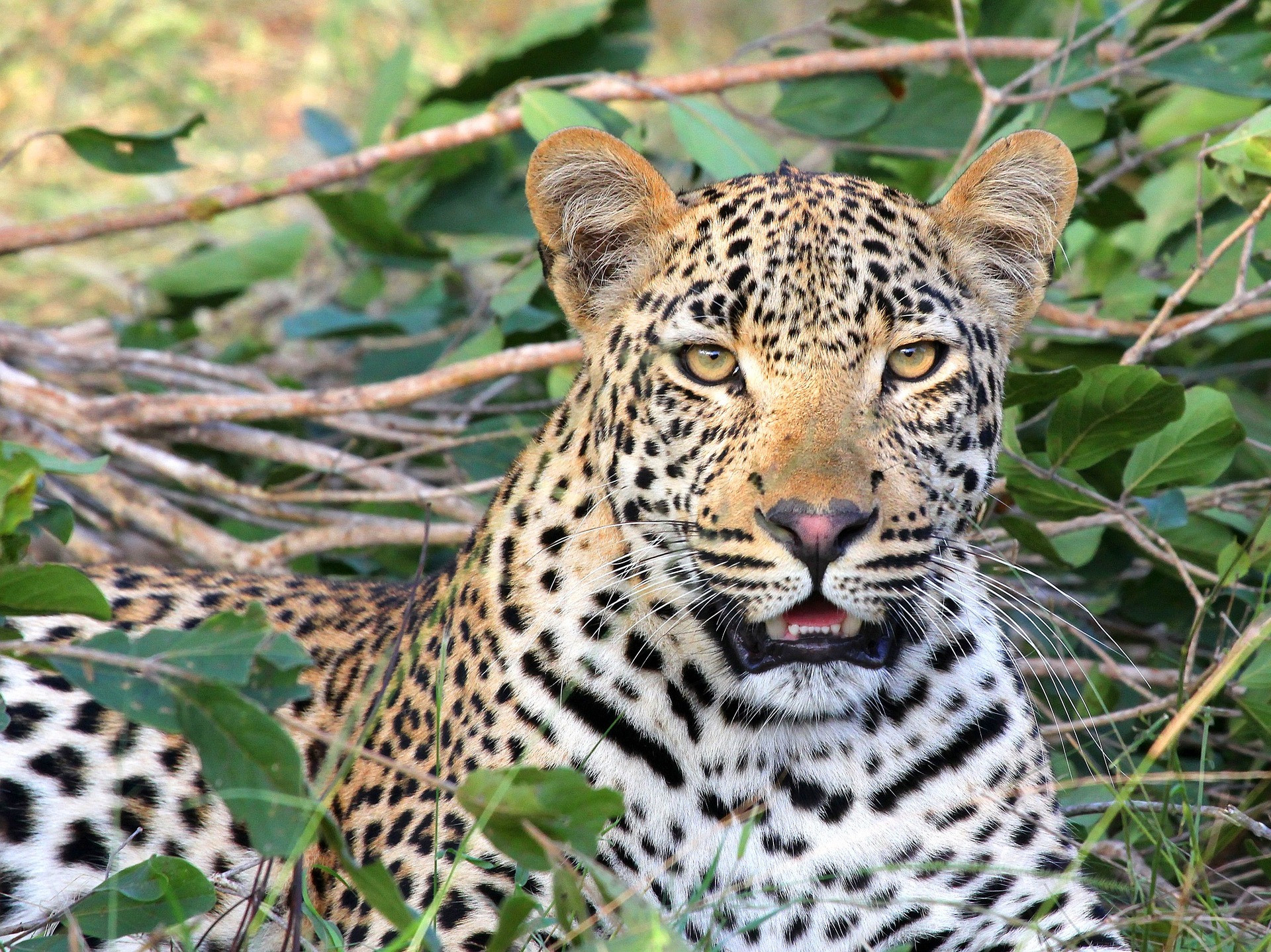
Leopard
1
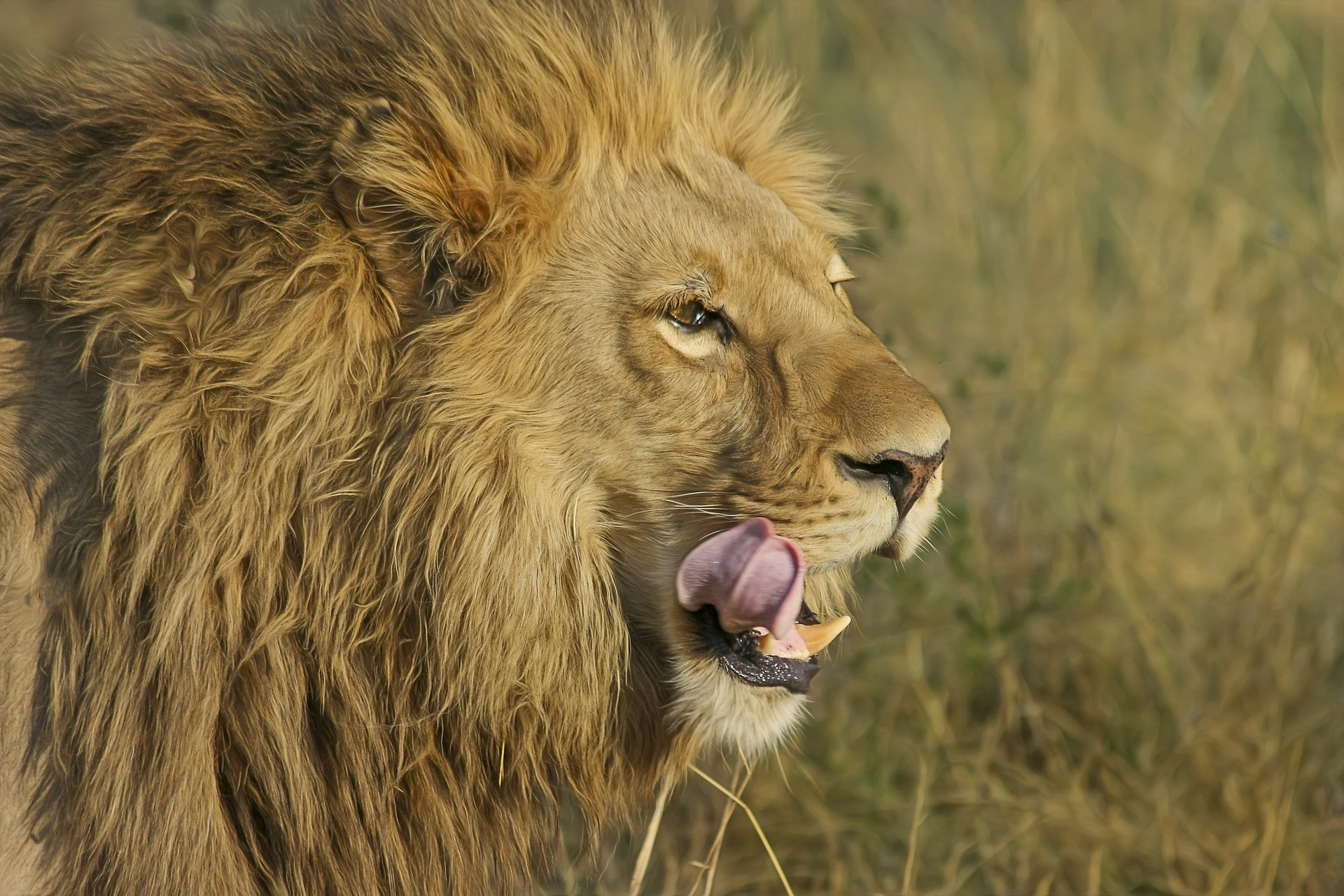
Lion
1
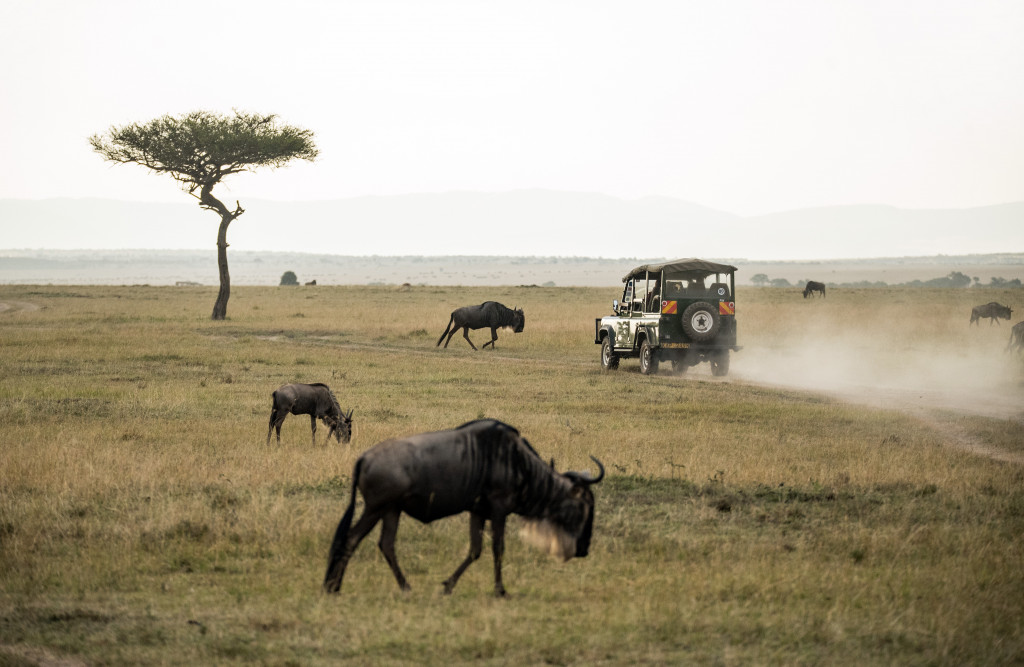
Wildebeest
1
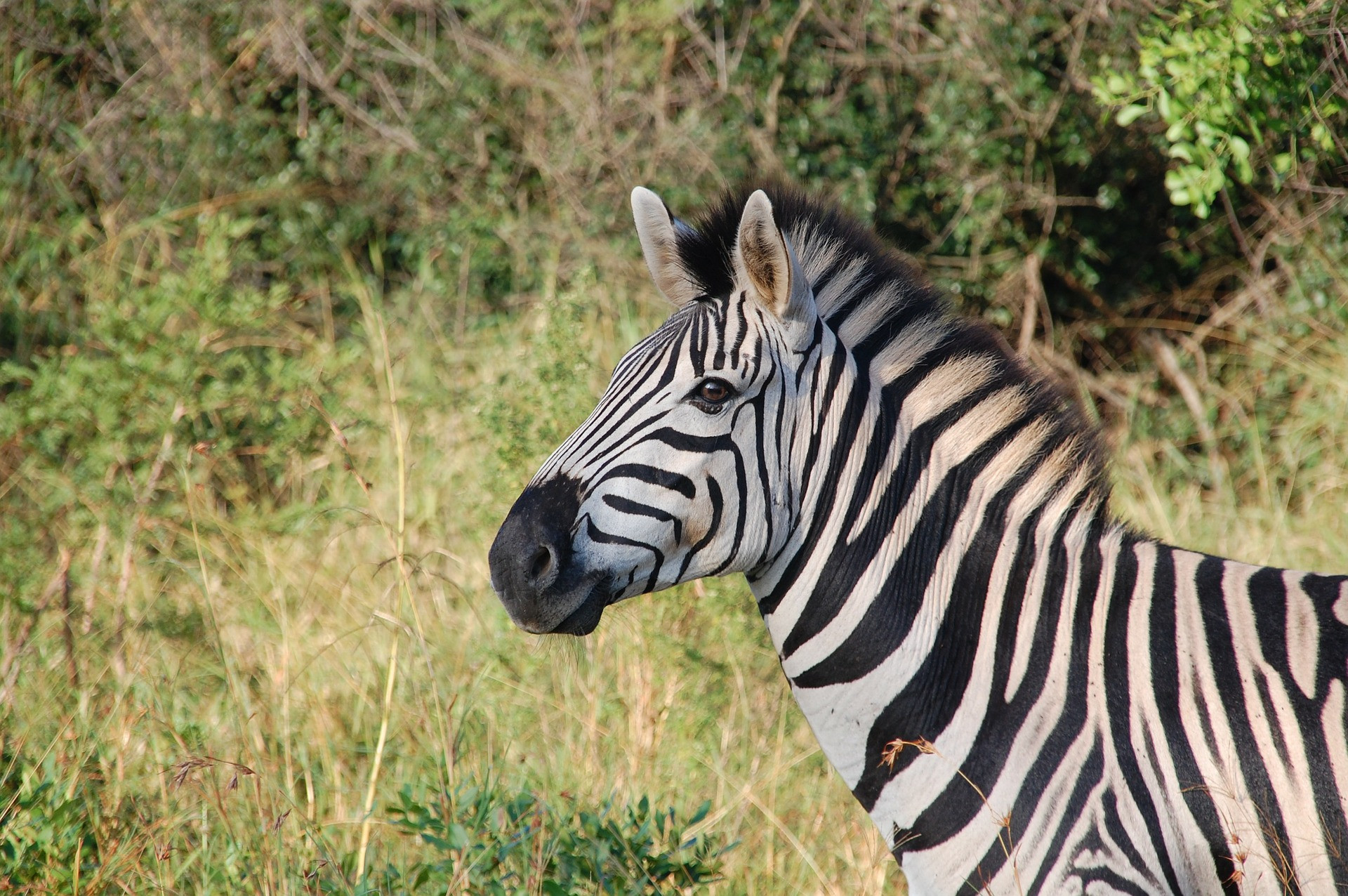
Zebra
1
Ayres’s hawk eagle
3
Böhm's Bee-eater
3
Giant Kingfisher
3
Spur-winged Goose
3
Safari Tours
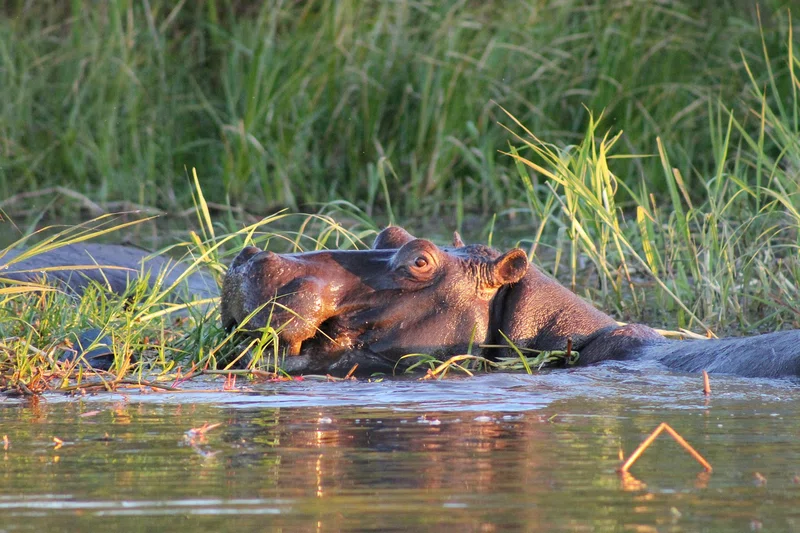 luxury12 days
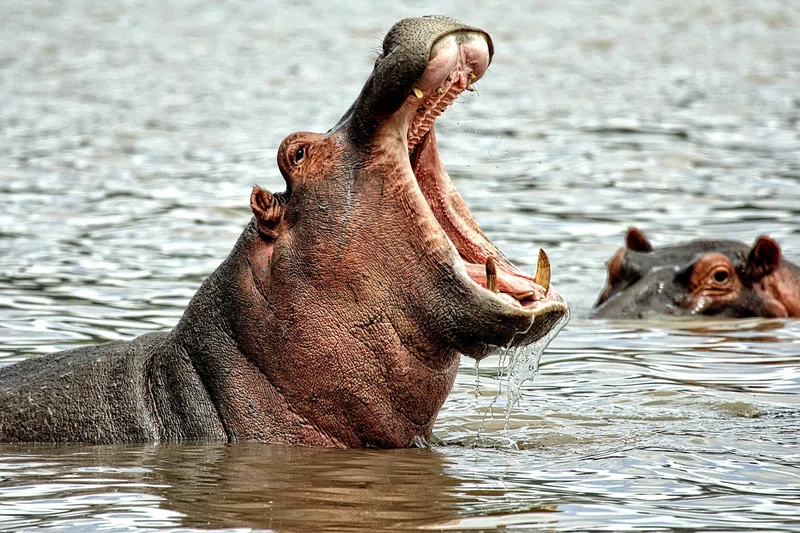 luxury18 days
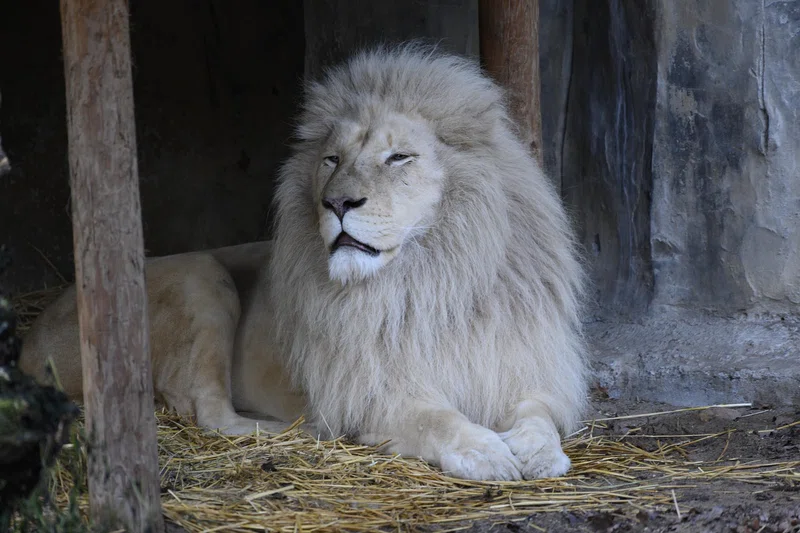 luxury15 days
luxury
15-Day Walking Safari Through Zambia's Iconic Park
$3,179
 Exploration Africa Wildlife and Safaris
Own this park or reserve?
Claim it to update its details and photos, add what you offer, reply to travellers and promote it on Wapota. It’s free.
Claim this listing →