
About
Katonga Wildlife Reserve, situated in the Ibanda and Kamwenge Districts of western Uganda, is a significant protected area covering approximately 207 to 211 square kilometers. Located about 200 to 235 kilometers west of Uganda's capital, Kampala, the reserve is named after the Katonga River, which forms its southern boundary and is part of a wetland system interlinked with the Nile. The terrain is predominantly undulating savannah grassland, characterized by a diverse ecosystem that includes mixed savannah with acacia or woodland, permanent and seasonal wetlands, as well as pockets of riverine and tropical forests. Dominant plant species like Sporobolus Festivus and Chloris gayana thrive here, contributing to its unique environment.
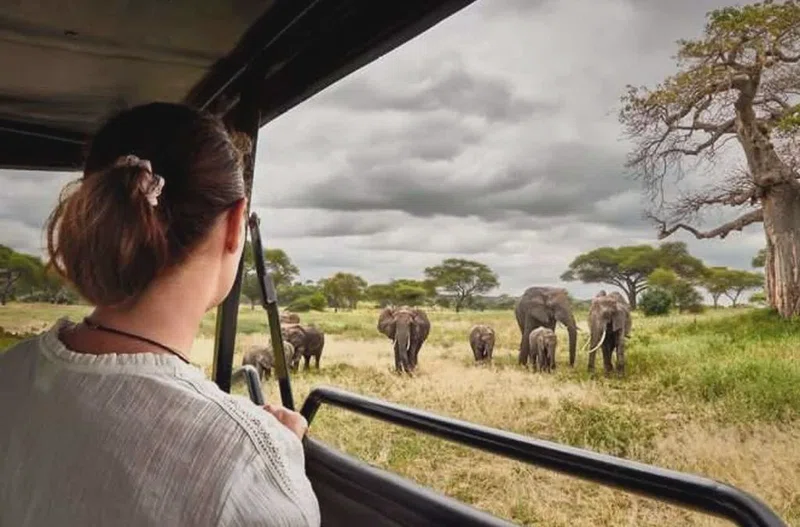
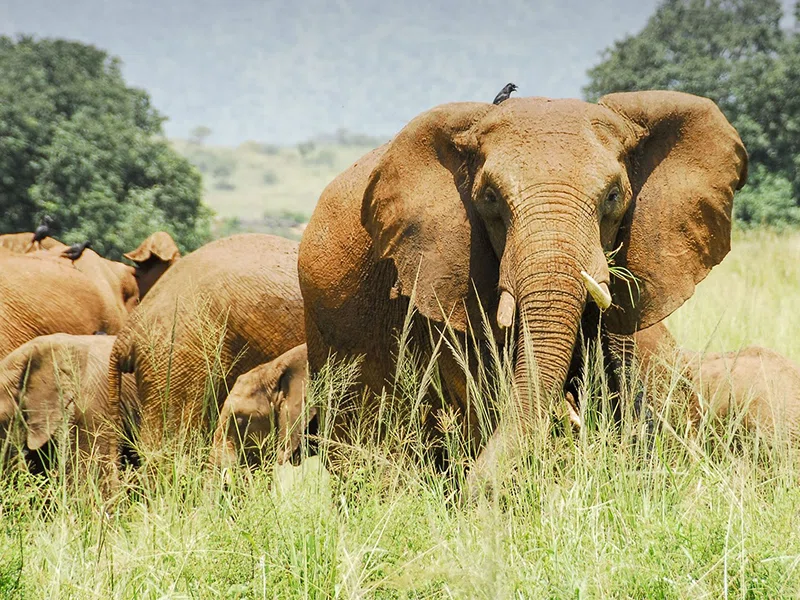
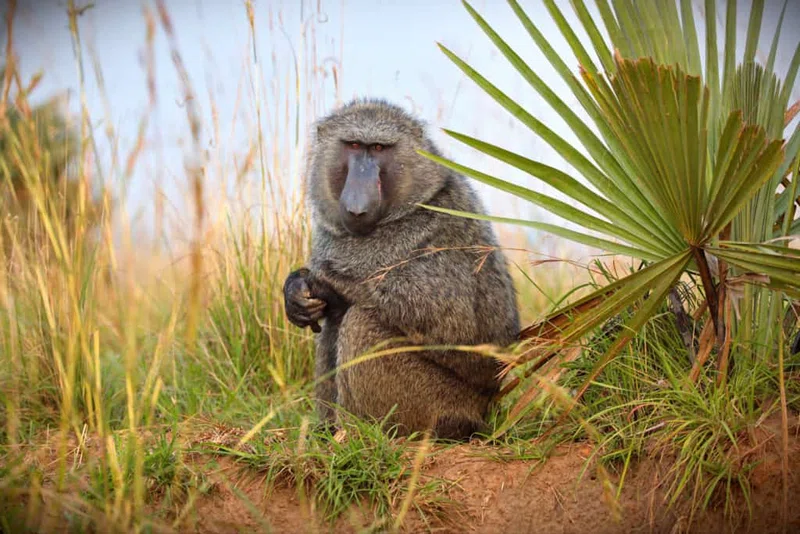
The reserve is particularly renowned for its viable population of Sitatunga antelopes, which are well-adapted to its extensive wetland habitats. Beyond the elusive Sitatunga, Katonga is home to a variety of other mammals, including waterbucks, hippos, elephants, buffaloes, bushbucks, reedbucks, black and white colobus monkeys, river otters, olive baboons, Uganda kobs, leopards, duikers, and chevrotains. While some species like zebra, topi, and eland, once present in the 1960s, are no longer commonly seen, efforts to restock the reserve saw the translocation of impalas and zebras in 2015. The reserve also boasts a rich avifauna, with over 150 recorded bird species specific to its wetlands, savannah, and forest environments.
Established as a game reserve in 1964 to serve as a wildlife migration corridor between western Uganda, Tanzania, and Sudan, Katonga was later upgraded to a Wildlife Reserve in 1996 under the management of the Uganda Wildlife Authority (UWA). The reserve faced challenges from poaching and human encroachment between 1971 and 1985, but these issues were addressed with the eviction of encroachers in 2014, paving the way for conservation and restocking initiatives. Visitors can explore Katonga Wildlife Reserve primarily through guided nature walks along designated trails such as Kisharara, Kyeibale, and Sitatunga trails, or by taking canoe trips through its swampy channels, offering intimate encounters with its unique flora and fauna, including excellent bird-watching opportunities.
Own this park or reserve?
Claim it to update its details and photos, add what you offer, reply to travellers and promote it on Wapota. It’s free.
Claim this listing →