

About
Kazuma Pan National Park is a remote and pristine wilderness sanctuary located in Zimbabwe's extreme northwest, bordering Botswana and nestled between Hwange National Park and the Matetsi Safari Area. Spanning approximately 33,500 hectares (313 km²), it is one of Zimbabwe's least visited protected areas, offering an exclusive and unspoiled safari experience. The park's landscape is characterized by vast, open savannah grasslands, reminiscent of East African plains, interspersed with mopane and Kalahari sand woodlands. A distinctive feature is its series of pan depressions, which are artificially pumped during the dry season to create vital water sources for wildlife. The park is broadly divided into the Kazuma depression in the west and the Katshetshete River Drainage system in the east.
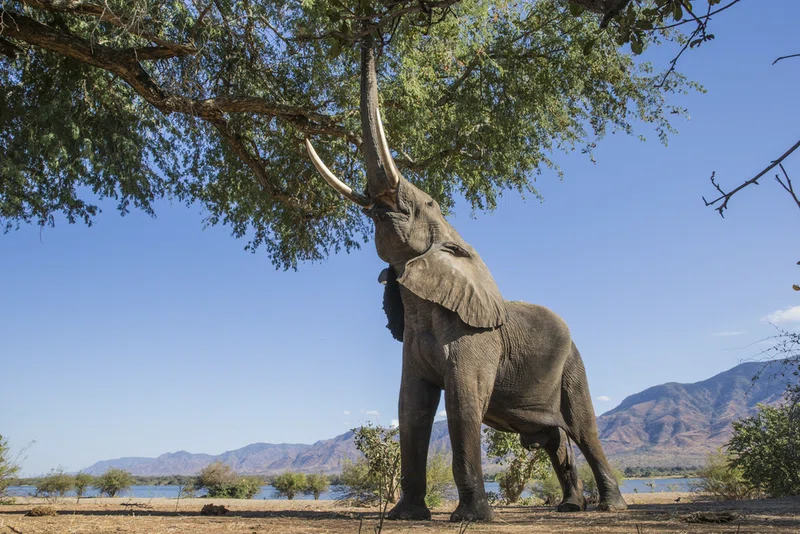
This critical water supply triggers a spectacular seasonal migration of animals between Botswana and Zimbabwe, particularly from September to December. Visitors can witness immense concentrations of game, including large herds of buffalo (up to 2,000 reported) and elephants. Kazuma Pan is also home to the "Big Five" – lions, elephants, leopards, rhinos, and buffalo – and is a stronghold for rare antelope species such as roan, sable, tsessebe, and the endemic oribi. While cheetah and African wild dogs are present, sightings are rare. The park's pan systems and wetlands also attract a diverse array of birdlife, making it a haven for birdwatching enthusiasts, with species like storks, crowned cranes, stilts, cormorants, ducks, and kingfishers.
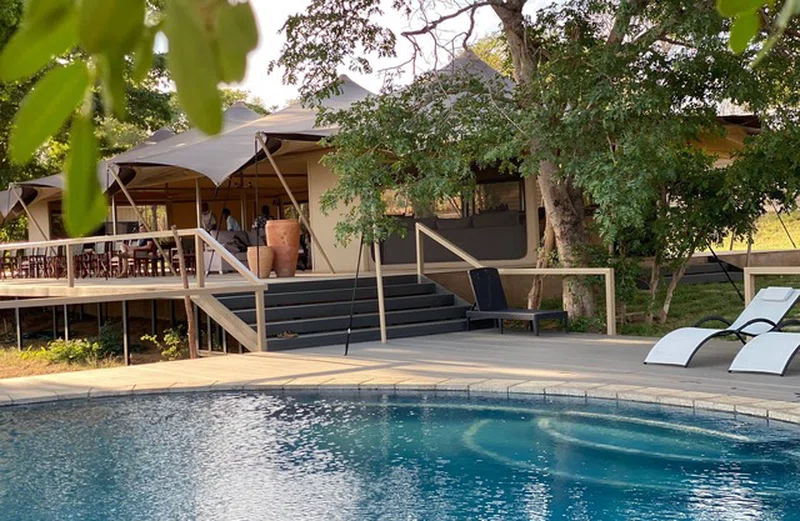
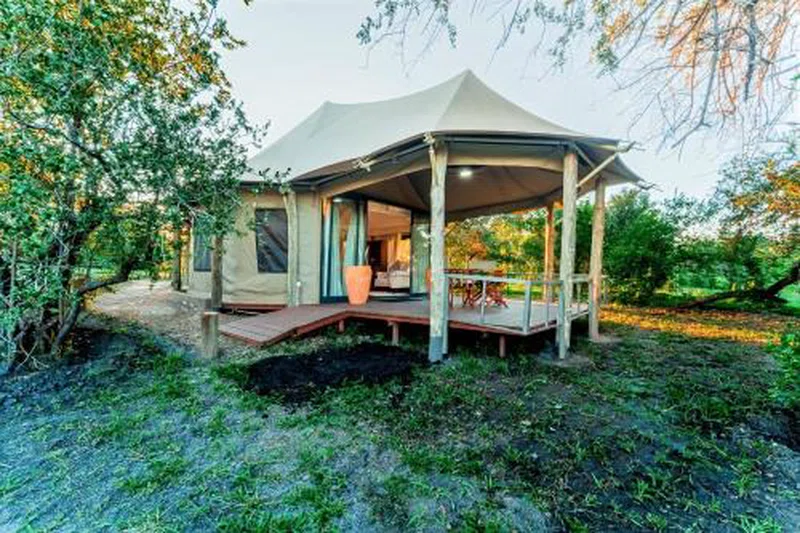
Activities within the park primarily include game drives, birdwatching, and guided walking safaris. Due to its rugged and sandy terrain, access is strictly by 4x4 vehicles, making it an ideal destination for self-drive adventurers and photographers seeking solitude away from crowds. The best time to visit is during the dry season, from September to November, when wildlife congregates around the water points. The park is closed to the public in January and February due to impassable wet conditions. Accommodation is limited to basic, self-sufficient campsites like Insiza Camp and Kasetsheti Camp, emphasizing a true wilderness experience.
Kazuma Pan was first proclaimed a National Park in 1949, then deproclaimed in 1964, before regaining its National Park status under the Parks and Wild Life Act (1975). It is also considered for inclusion in the larger Kavango-Zambezi Transfrontier Conservation Area, highlighting its regional ecological significance.
Own this park or reserve?
Claim it to update its details and photos, add what you offer, reply to travellers and promote it on Wapota. It’s free.
Claim this listing →