
About
The Kinangop Grasslands, situated on the Kinangop Plateau in Kenya's central highlands, lie at the edge of the Great Rift Valley, nestled between the Aberdare Mountains to the east and the Kenyan Rift Valley to the west. This windswept montane grassland ecosystem is approximately 62 miles northeast of Nairobi and ranges in elevation from 2,400 to 3,000 meters (8,200 to 9,800 feet) above sea level. The plateau, covering about 600 square kilometers (230 square miles), is characterized by rolling hills, vast grasslands, and a temperate climate with abundant rainfall. Its landscape is dissected by valleys containing streams that feed the Malewa and Karati rivers, which eventually flow into Lake Naivasha. Historically, the plateau was covered in treeless, tussocky grassland, including numerous tussock bogs in swampy valleys.
This region is globally recognized for its exceptional biodiversity, particularly as the primary stronghold for the Kenya-endemic and endangered Sharpe's Longclaw. It also provides habitat for other threatened bird species such as the endangered Aberdare Cisticola, the magnificent Long-tailed Widowbird, and over 200 other bird species, including the endangered Grey-crowned Crane, which breeds in the numerous wetlands. Unique amphibians like the Kinangop River Frog and Mountain Reed Frog, along with the snake Bitis worthingtonii, are also found here, making it a critical area for conservation.
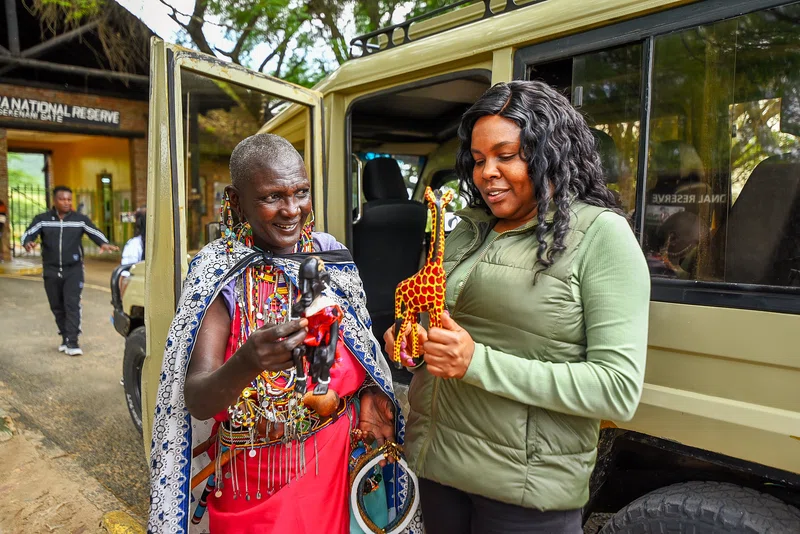
Visitors to the Kinangop Grasslands can engage in various outdoor activities, including hiking, birdwatching, nature walks, picnicking, cycling, and stargazing. The area also offers rich cultural experiences, allowing interaction with the local Kikuyu communities through village visits, traditional ceremonies, homestays, cultural performances, and exploring local markets. Conservation efforts are crucial due to significant habitat loss and fragmentation caused by conversion to crop farming, land subdivision, and settlement expansion. Organizations like the Friends of Kinangop Plateau (FoKP), founded in 1997, and Nature Kenya are actively working to integrate biodiversity safeguards into land-use planning, including acquiring nature reserves and promoting sustainable sheep grazing to maintain suitable grassland structure.
Own this park or reserve?
Claim it to update its details and photos, add what you offer, reply to travellers and promote it on Wapota. It’s free.
Claim this listing →