
About
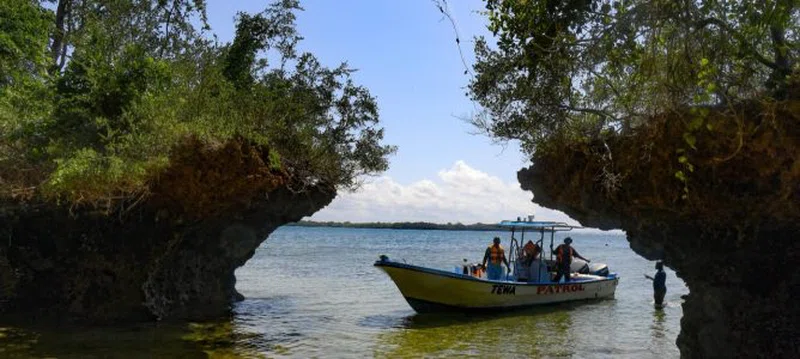
Kisite Mpunguti Marine Protected Area is located along Kenya's southern coast in Kwale County, situated 11 kilometers off the shore of Shimoni, south of Wasini Island and roughly 8 kilometers north of the Tanzanian border. Established in 1973 and officially gazetted in 1978, the protected sanctuary is managed by the Kenya Wildlife Service (KWS) and covers an area of 39 square kilometers. This space is divided into Kisite Marine National Park, a 28-square-kilometer fully protected no-take zone, and Mpunguti Marine National Reserve, an 11-square-kilometer buffer zone allowing regulated artisanal fishing and low-impact tourism. The seascape encompasses four small coral rag forest islands surrounded by shallow fringing reefs, patch reefs, seagrass meadows, and mangrove forests.
The marine ecosystem supports rich biodiversity, featuring 56 genera of hard and soft corals and roughly 250 recorded fish species, including parrotfish, angelfish, groupers, surgeonfish, and moray eels. The waters host a resident population of dolphins, predominantly Indo-Pacific bottlenose, humpback, and spinner species, while migratory humpback whales pass through between July and October. Green and hawksbill sea turtles feed along the reef slopes, and the terrestrial habitat of the islands shelters land-dwelling coconut crabs. Additionally, Kisite Island is designated as an Important Bird Area, providing a nesting sanctuary for migratory seabirds such as roseate and sooty terns.
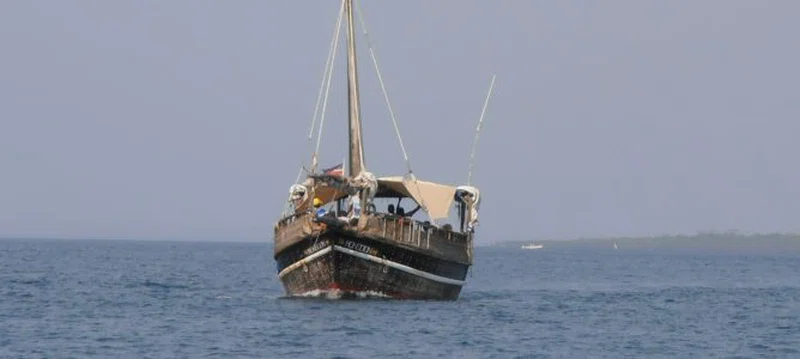
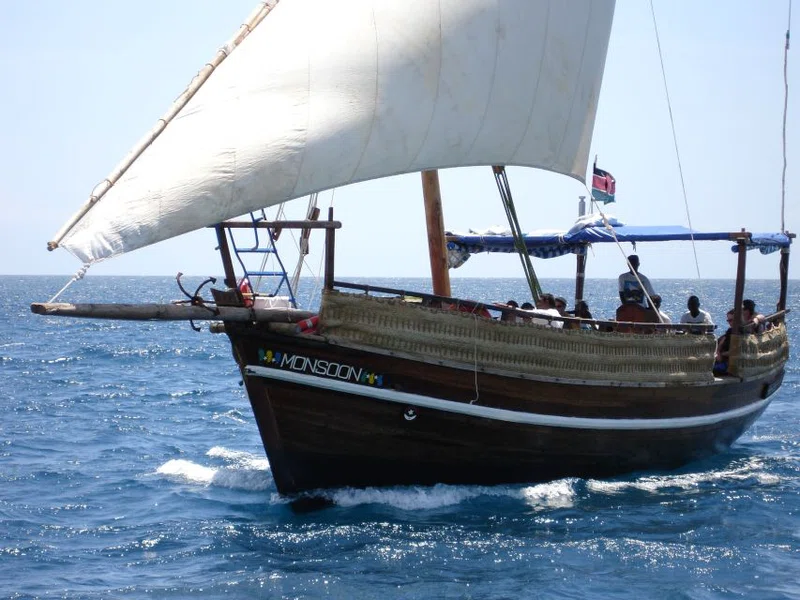
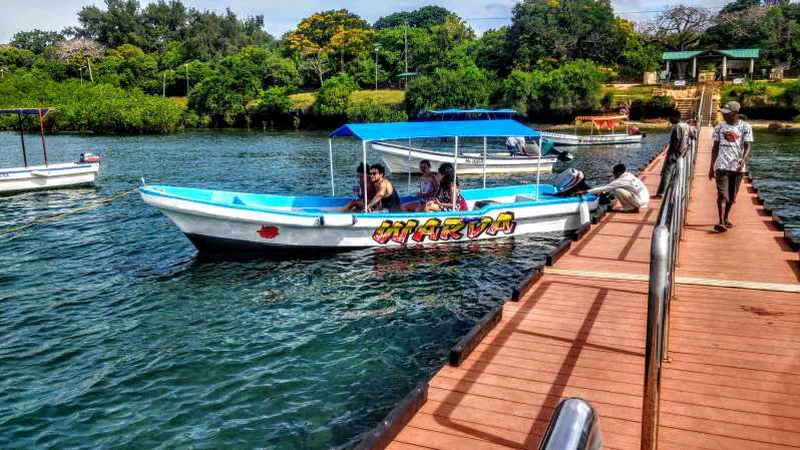
Visitors access the sanctuary via traditional wooden dhows or boats departing from Shimoni Pier, participating in snorkeling, scuba diving, dolphin watching, and birdwatching. The park serves as an ecological climate refuge for coral reefs, earning a gold-level Blue Park Award in 2021 from the Marine Conservation Institute. Beyond its ecological role, Kisite is historically connected to the coastal Swahili communities of Wasini Island and Shimoni, where nearby mainland coral caves served as indigenous sacred sites before being used as slave holding pens in the 18th and 19th centuries.
Safari Tours

Own this park or reserve?
Claim it to update its details and photos, add what you offer, reply to travellers and promote it on Wapota. It’s free.
Claim this listing →