
About
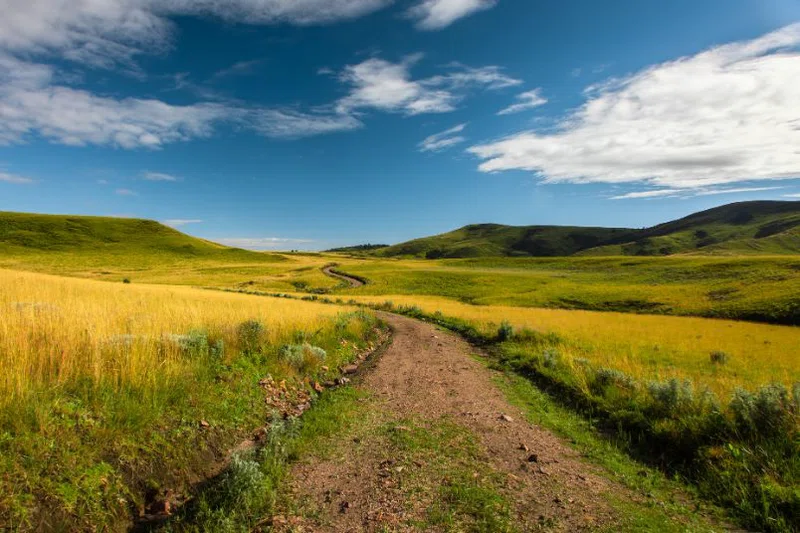
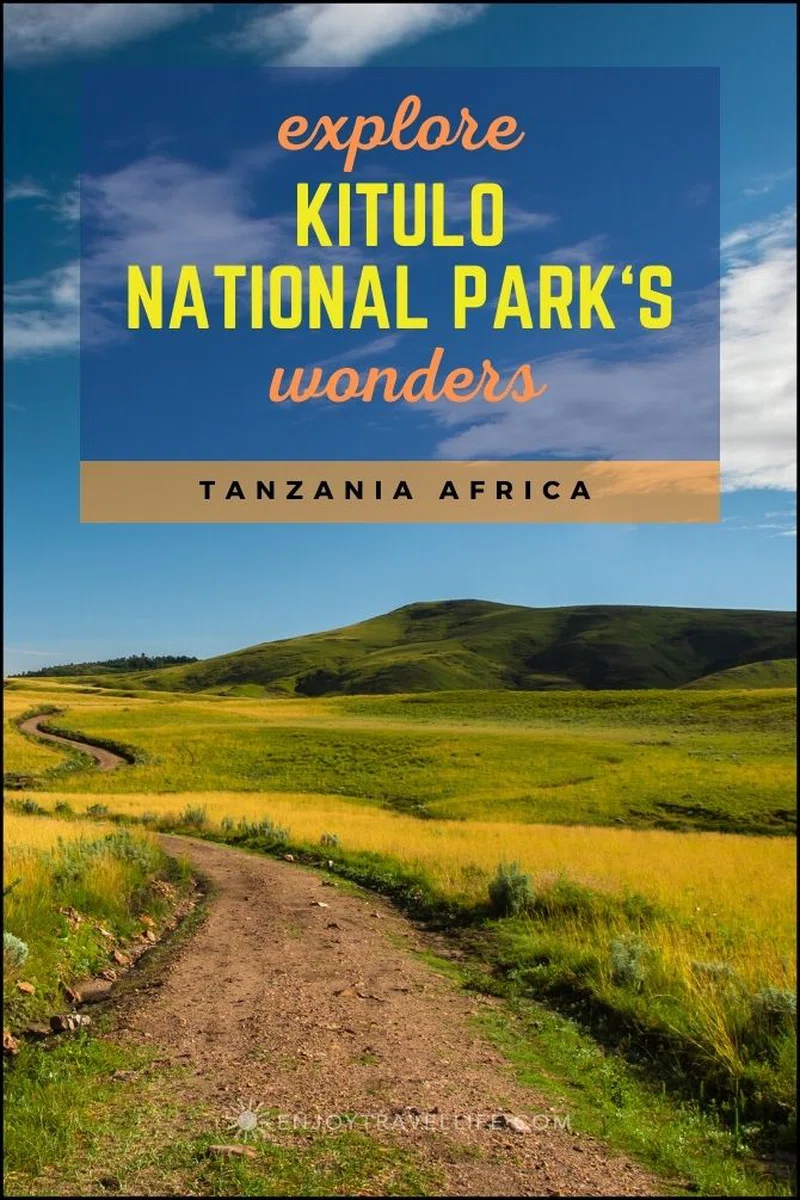
Kitulo National Park, often referred to by locals as "Bustani ya Mungu" (The Garden of God) and by botanists as the "Serengeti of Flowers," is a unique protected area located in the Southern Highlands of Tanzania. Situated at an elevation of approximately 2,600 meters (8,500 ft) between the rugged peaks of the Kipengere, Poroto, and Livingstone Mountains, the park spans an area of 412.9 square kilometers (159.4 sq mi) across the Mbeya and Njombe Regions. Its well-watered volcanic soils support the largest and most important montane grassland community in Tanzania, making it the first national park in tropical Africa established primarily for the protection of its rich flora.
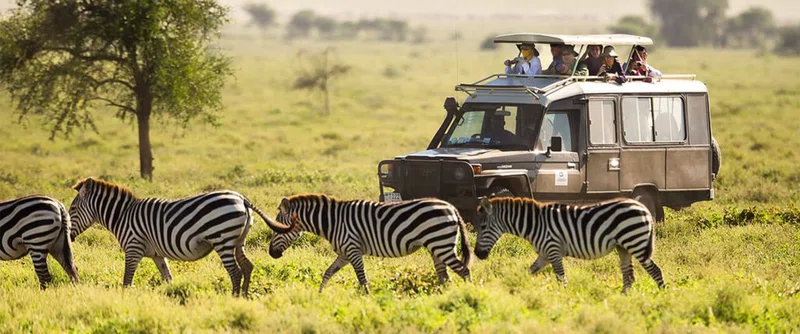
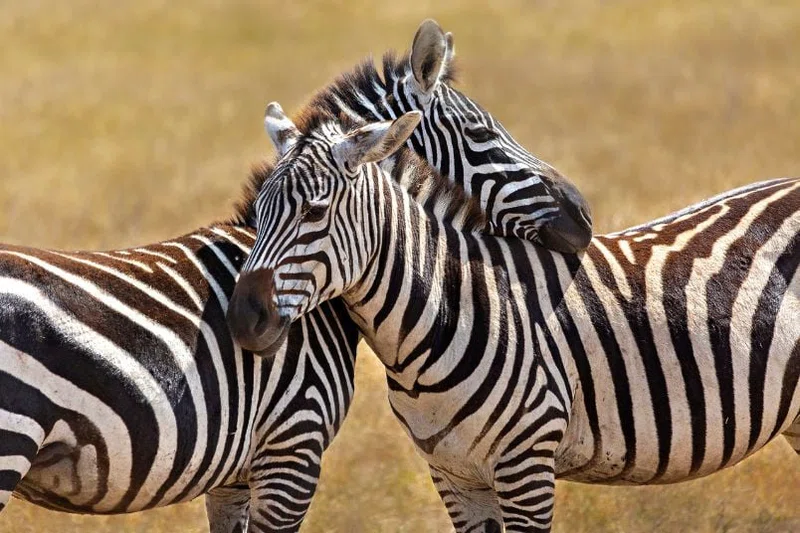
The park is a botanical marvel, particularly from November to April during the wet season, when its montane grasslands are carpeted with a spectacular display of wildflowers. It boasts over 350 species of plants, including numerous ground orchids, geophytes, and other Afroalpine flora. Notably, 45 species of orchids found here are endemic to the park, making it a global hotspot for orchid diversity. Beyond its floral beauty, Kitulo National Park is a paradise for birdwatchers, offering sightings of rare species such as the Denham's bustard, the endangered blue swallow, mountain marsh widow, Njombe cisticola, and Kipengere seedeater. The park also hosts endemic species of butterfly, chameleon, lizard, and frog, alongside mammals like the common duiker, side-striped jackal, slender mongoose, steenbok, and southern reedbuck. Plains zebras, which were hunted to extinction in the 1960s, were reintroduced in 2018 and are now breeding.
Activities in Kitulo National Park primarily revolve around appreciating its natural beauty. Visitors can enjoy open walking safaris through the grasslands, bird watching, and wildflower viewing. Hill hiking on the neighboring ranges provides fantastic panoramic views of Lake Nyasa and its beautiful Matema Beach. The park also features impressive natural attractions like the 100-meter-high Nhumbe Waterfall and the 8-meter-high Mwakipembo Waterfall, as well as historical caves such as Mlivili and Usalama, which were once used as hiding places during intertribal wars. The Livingstone Forest, a significant montane evergreen forest within the park, is home to endangered primates like the Kipunji, Rungwe dwarf galago, and Abbott's duiker.
The cool and moderate climate, reminiscent of Mediterranean or European conditions, attracted British and American settlers in the 1920s who engaged in livestock rearing and small-scale tourism projects. The park is accessible by road from Mbeya town and Songwe Airport, with the peak season for wildflowers being December to April.
Safari Tours
luxury
5-Day Garden of God, Mpanga Kipengere, and Matema Beach
$1,273
 TIEM TOURS AND SAFARIS trading as Tiem Tours And Safaris
Own this park or reserve?
Claim it to update its details and photos, add what you offer, reply to travellers and promote it on Wapota. It’s free.
Claim this listing →