



About
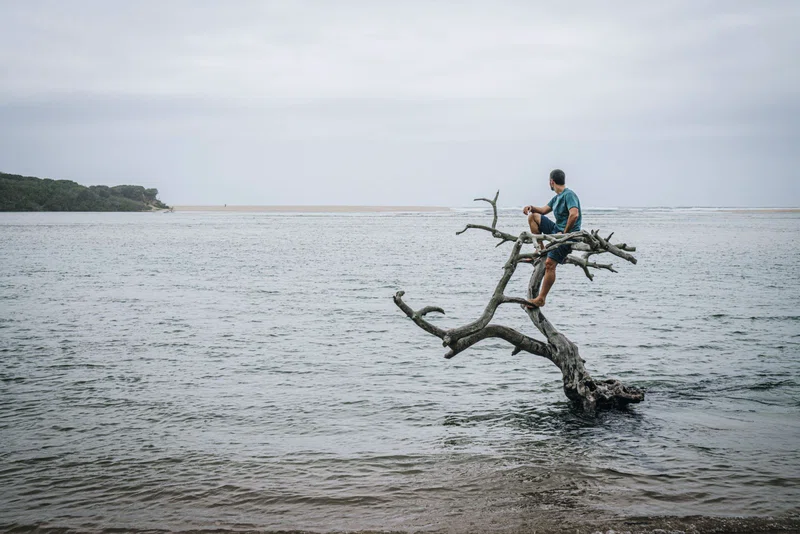
Kosi Bay is a pristine wilderness area located in the Maputaland region of KwaZulu-Natal, South Africa, forming part of the iSimangaliso Wetland Park, a UNESCO World Heritage Site. It is characterized by a unique system of four interlinked lakes (Nhlange, Mpungwini, Amanzamnyama, and Makhawulani) that eventually drain into the Indian Ocean at the Kosi Bay Mouth, often referred to as "the aquarium" due to its exceptionally clear waters and abundant marine life. This estuary is separated from the warm Indian Ocean by some of the world's highest vegetated dunes. The closest town is Manguzi, approximately 13 kilometers away, and the estuary is just 2 kilometers from the Mozambique border.
The area is a tropical paradise spanning 11,000 hectares, featuring crystal clear waters, marshland, coastal forests, and mangrove swamps. It is a haven for diverse wildlife, including approximately 250 bird species such as the rare Palm-nut Vulture and Pel's Fishing Owl. The lakes are home to significant populations of hippopotamus and crocodiles, while the marine sanctuary at the mouth is known for its clarity and variety of fish, including devil firefish, parrotfish, cowfish, and giant turtles. Loggerhead and endangered Leatherback sea turtles utilize the beaches for nesting between November and March. The Kosi palm, with the largest leaf of any plant, and endemic species like the Kosi cycad and Kosi fern, thrive here. It is also one of the few places globally where five different species of mangrove trees are found together.
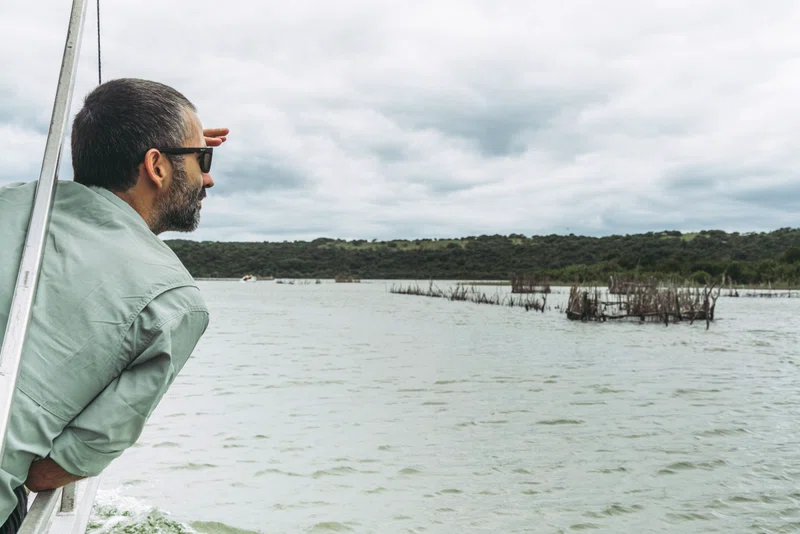
Kosi Bay is rich in cultural history, being the ancient home of the Thonga Tembe kingdom, with the history of the AmaThonga people dating back over 1000 years. The traditional Thonga fish traps, a 700-year-old practice passed down through generations, are still in use today in the estuary, providing a unique cultural insight. Activities available in the area include snorkeling at the Kosi Bay Mouth, boat cruises across the lakes, seasonal turtle tours, kayaking through mangrove forests, guided hikes, bird watching, and visits to nearby Tembe Elephant Park for safaris to see Africa's largest tuskers.
Own this park or reserve?
Claim it to update its details and photos, add what you offer, reply to travellers and promote it on Wapota. It’s free.
Claim this listing →