
About
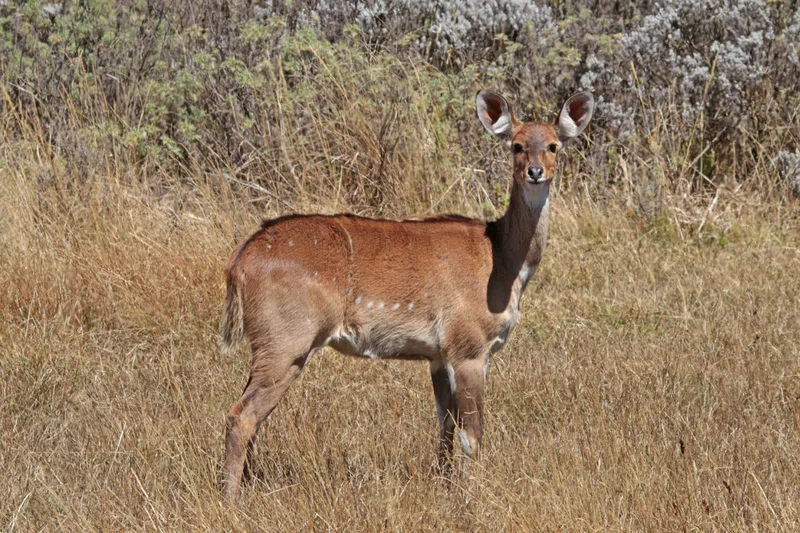
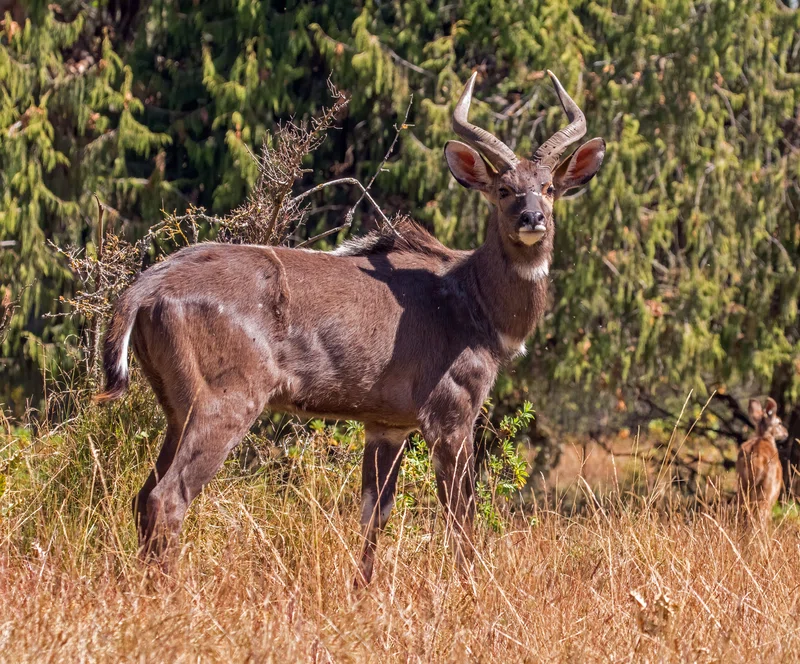
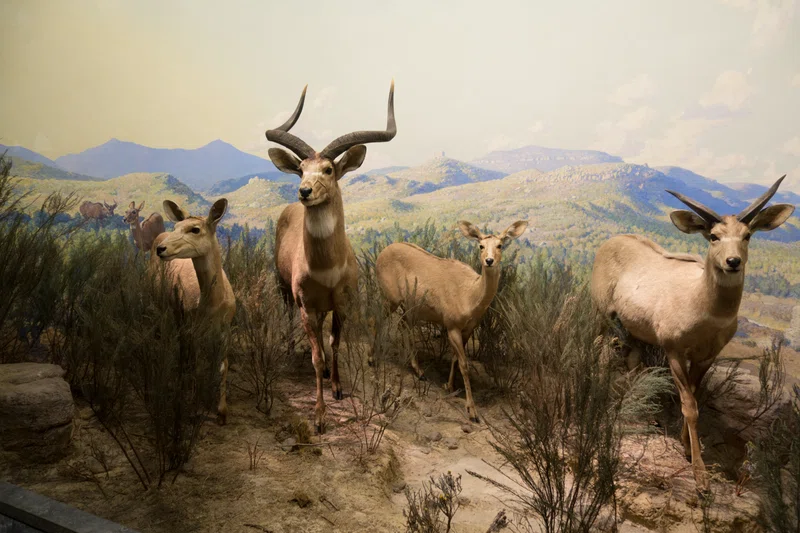
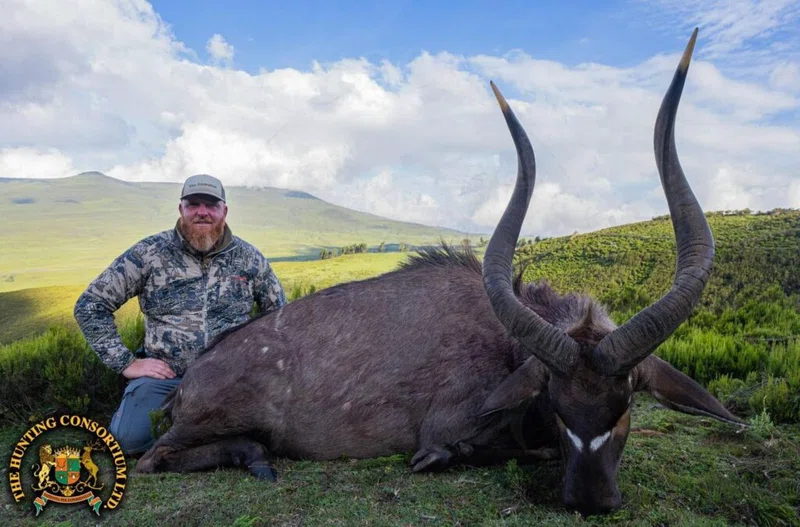
Kuni-Muktar Mountain Nyala Sanctuary is a protected area and wildlife sanctuary situated in the West Hararghe Zone of the Oromia Region in eastern Ethiopia. Located approximately 350 km east of Addis Ababa and 25 km east of the town of Chiro, the sanctuary was established in 1989 with the support of the Zoological Society of London. Its primary objective is the conservation of the critically endangered Mountain Nyala (Tragelaphus buxtoni), an antelope species endemic to Ethiopia and recognized as the country's largest and rarest. The sanctuary is nestled within the Ahmar Mountains, which form an eastward extension of the Ethiopian Highlands. It encompasses two distinct, fragmented blocks of upper Afromontane forest: Muktar Forest to the east and Sobaly-Jelo Forest to the west of Kuni village, with elevations ranging between 2,300 and 3,075 meters above sea level.
The sanctuary's landscape is characterized by dry evergreen montane forest, featuring prominent tree species such as Juniperus procera and Podocarpus falcatus at lower altitudes, and Hypericum revoltum, Dombeya torrida, and Nuxia congesta closer to the summits. Interspersed throughout the forest are patches of open grassland and marshy habitats, while the eastern fringes exhibit lowland species like Acacia spp. The Muktar Mountain Forest, spanning roughly 3,600 hectares, plays a crucial ecological role as part of the Wabe–Shebelle river watershed. It is home to at least 40 tributary springs and rivers, which serve as the sole perennial water source for over one million people and their livestock in the surrounding region, also supporting traditional irrigation practices.
In addition to the Mountain Nyala, the sanctuary provides habitat for the endemic subspecies menelickii of Bushbuck (T. scriptus) and is a significant site for avian biodiversity. A bird survey conducted between December 2013 and January 2014 recorded 81 bird species, including six of global conservation concern (such as four Endangered vulture species, one Vulnerable harrier, and one Near Threatened rail). The area also hosts 25 Afrotropical highlands biome-restricted species and two Ethiopian endemics: the Yellow-fronted Parrot and the Abyssinian Catbird, qualifying it as a highland biome Important Bird Area. Although the Mountain Nyala was once thought to be extinct in the sanctuary by 1996, subsequent observations in 2002 and 2008 confirmed its continued presence, with estimated populations ranging from 70-80 to 200 individuals. The sanctuary faces ongoing threats from expanding human settlements, agricultural encroachment, tree-cutting for fuel and construction, and illegal poaching.
Own this park or reserve?
Claim it to update its details and photos, add what you offer, reply to travellers and promote it on Wapota. It’s free.
Claim this listing →