
About
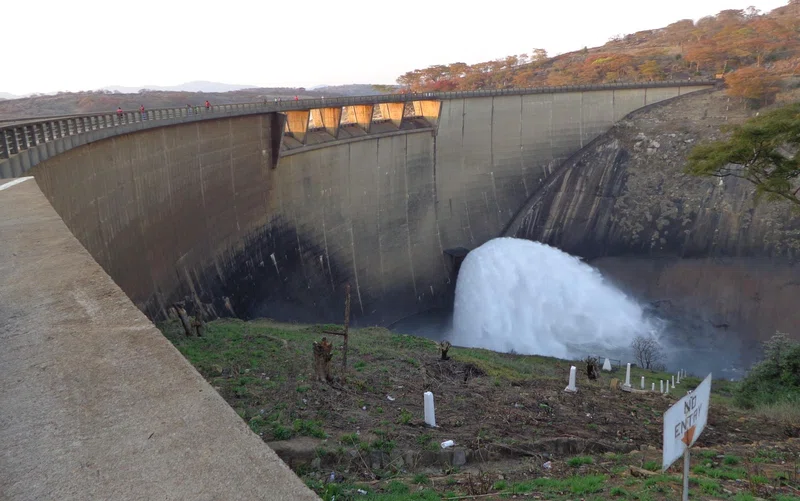
Lake Kyle Recreational Park, also known as Lake Mutirikwi Recreational Park, is a significant conservation area located approximately 30 kilometers east of Masvingo, Zimbabwe. Established in 1960, the park spans 169 square kilometers, with Lake Mutirikwi, a dam primarily built for irrigation, covering 93 square kilometers at full capacity, and the remaining 76 square kilometers comprising land. The park's northern boundary is defined by the Beza Range, which reaches heights of 1,455 meters, while an undulating plain averaging 1070 meters above sea level lies between the range and the lake. The terrain features beautiful miombo woodland, thickets, grasslands, and rocky hills, with vegetation varying from evergreen riverine species to open woodlands and a barren zone along the lake shore. The park's landscape is further characterized by broken hills dividing the lake into eastern and western sections, four main estuaries, and granite hills with bare whalebacks of solid rock to the south. The renowned Great Zimbabwe Ruins, a World Heritage Site, are situated to the south of the park.
The park is a haven for diverse wildlife, hosting over twenty-five species of wild mammals. Commonly sighted animals include white rhinoceros, buffalo, leopard, eland, zebra, wildebeest, kudu, impala, hippopotamus, ostrich, and crocodile. Rarer species such as antbear, bushbuck, bush pig, klipspringer, sable, and steenbuck can also be found. The ecosystem supports more than 35 bird species, making it a rich birding destination. Lake Mutirikwi itself is home to various fish species, including largemouth bass, nembwe, and several types of bream. Visitors can engage in activities such as game viewing using their own vehicles, fishing (with personal gear and boats), guided walks, horse riding, and unguided arboretum walks.
Accommodation options within the park include self-catering lodges, campsites with ablution blocks, caravan sites, and picnic areas. The Waterbuck lodge can also serve as a conference facility. The park's origins trace back to traditional communal land once inhabited by the Basutu and Kalanga tribes. Visitors are advised to bring their own food supplies, medical kits, and mosquito repellent, and to exercise caution due to the presence of crocodiles and hippos along the shore. High-clearance vehicles are recommended for navigating the park's internal roads, especially during the rainy season.
Wildlife & Birds
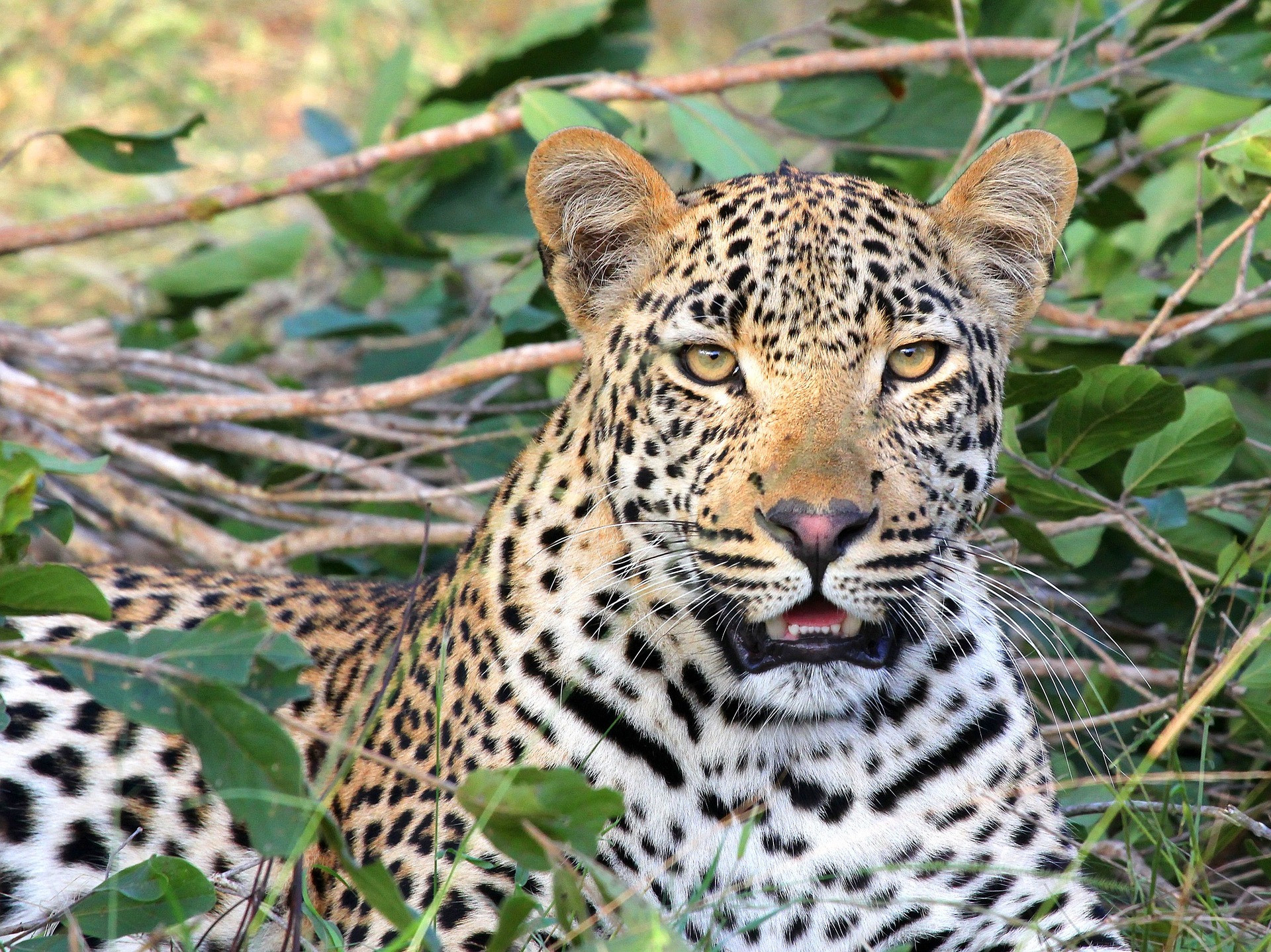
Leopard
2
White Rhino
2
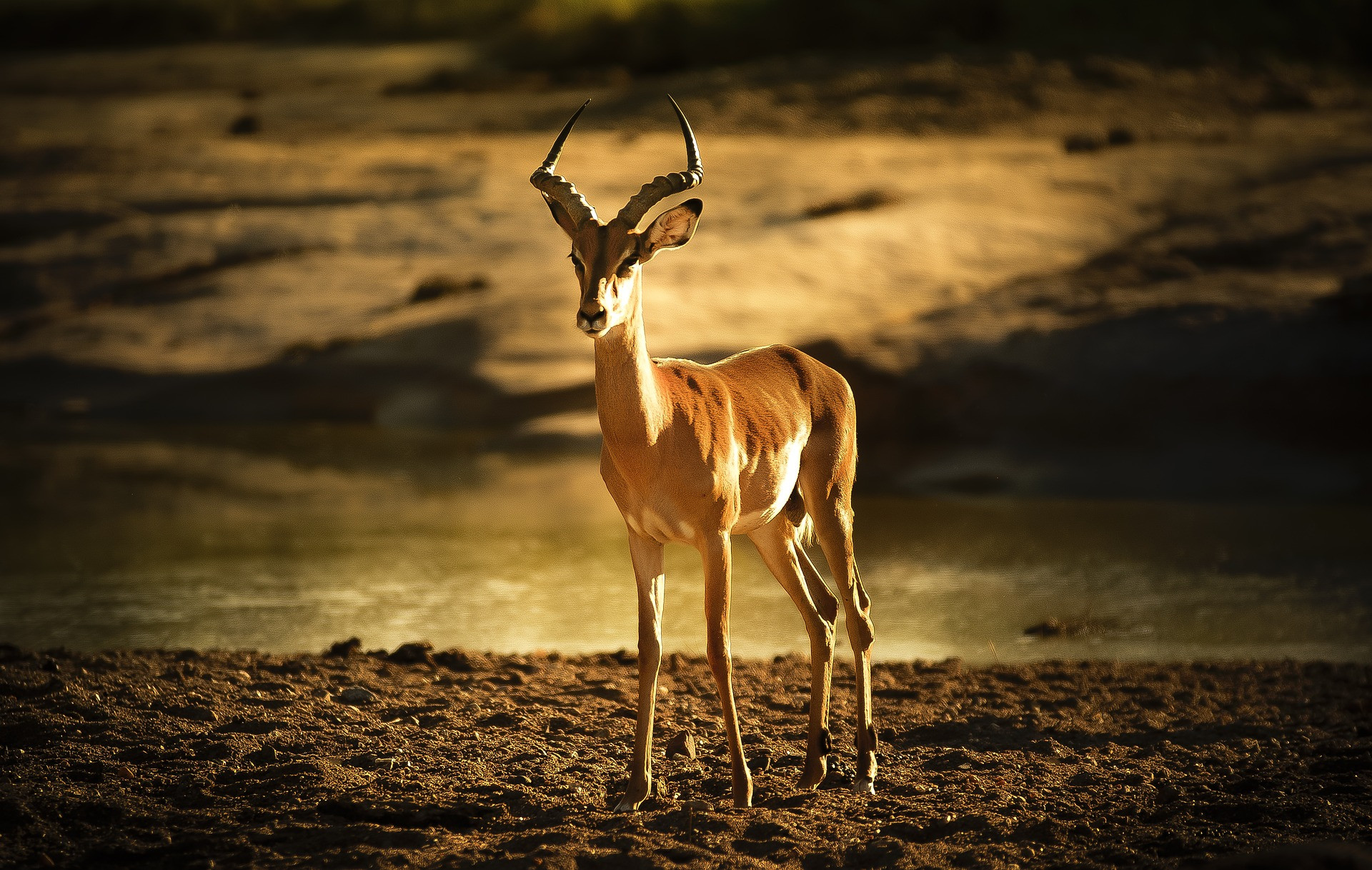
Impala
3
African Cuckoo Hawk
3
Green-backed Honeybird
3
Rufous-bellied Tit
3
Collared Flycatcher
3
Southern Hyliota
3
Miombo Double-collared Sunbird
3
Own this park or reserve?
Claim it to update its details and photos, add what you offer, reply to travellers and promote it on Wapota. It’s free.
Claim this listing →