
About
Ol Pejeta Conservancy is a prominent not-for-profit wildlife conservancy located in Central Kenya's Laikipia County, situated on the equator between the foothills of the Aberdares and the majestic, snow-capped Mount Kenya. Spanning approximately 90,000 acres (360-364 km²), its diverse landscape features mixed grasslands, bush, acacia woodlands, riverine forests, and wetlands, with the Ewaso Nyiro River providing a vital water source. The conservancy operates at an altitude of 1,800–2,000 meters above sea level, contributing to its unique climate.
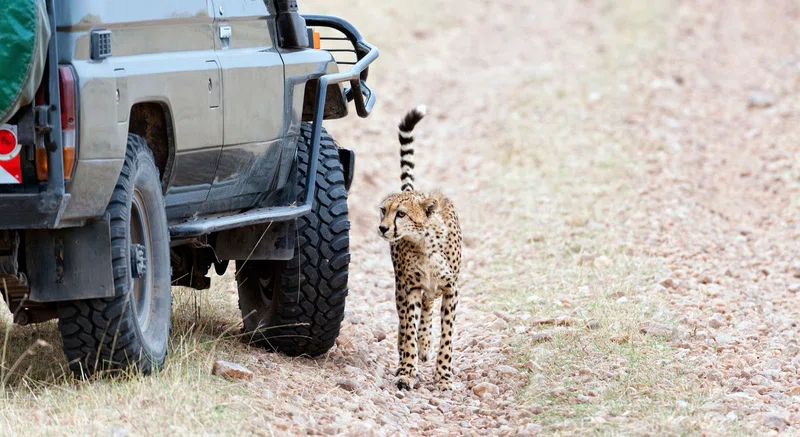
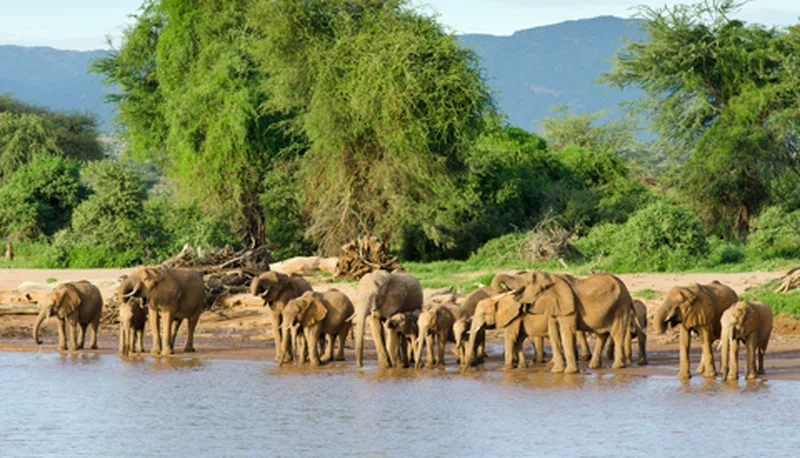
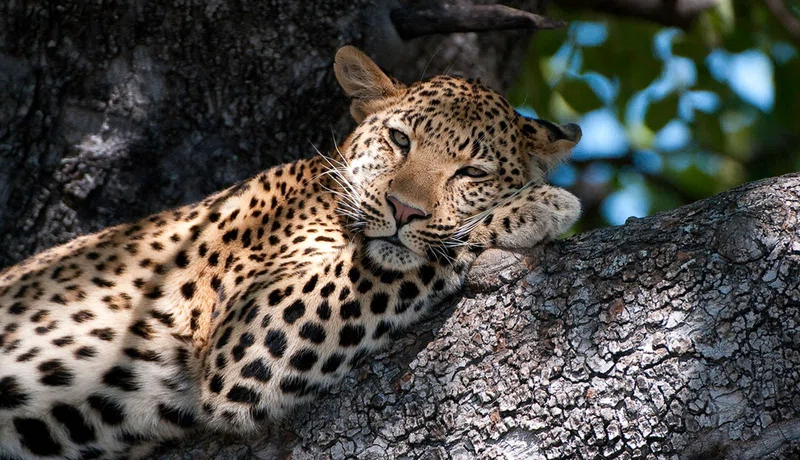
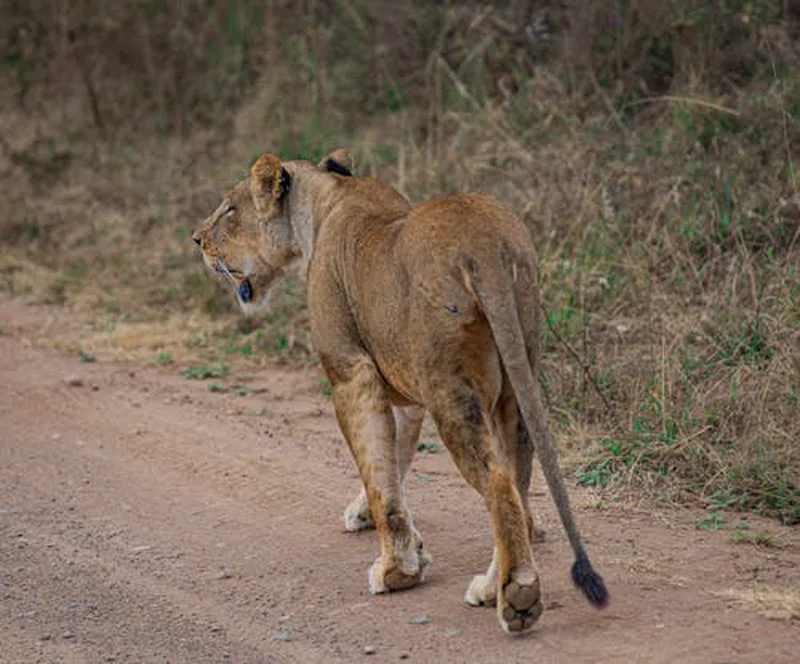
Globally recognized as a leader in integrated conservation, Ol Pejeta is home to the "Big Five" – lion, leopard, elephant, buffalo, and both black and white rhinos. It proudly hosts East Africa's largest black rhino sanctuary, with a population exceeding 130 individuals, and is the poignant home to Najin and Fatu, the world's last two northern white rhinos, living under 24-hour armed protection. Additionally, the conservancy is the site of Kenya's only chimpanzee sanctuary, Sweetwaters, which provides lifelong refuge for orphaned and rescued chimpanzees. Other notable wildlife includes Grevy's zebra, Beisa oryx, Jackson's hartebeest, cheetah, giraffe, wild dogs, and over 300 bird species.
Visitors to Ol Pejeta can engage in a wide array of activities designed to offer immersive wildlife experiences and insights into conservation efforts. These include day and night game drives, guided walking safaris with armed rangers, lion tracking with researchers, and unique horseback riding experiences alongside rhinos within designated enclosures. Educational opportunities abound, such as behind-the-scenes conservation tours, visits to the Morani Information Centre, and interactions with Baraka, a blind black rhino. The conservancy also offers cultural visits to neighboring communities, birdwatching tours, and seasonal cycling safaris.
Originally a colonial-era cattle ranch, Ol Pejeta was transformed into a game reserve in 1988 and officially established as a conservancy in 2004. It operates under a non-profit trust model, reinvesting 100% of its income into wildlife conservation, community development, and environmental education. This pioneering approach ensures that tourism directly funds anti-poaching initiatives, veterinary care, and projects supporting local communities in areas like health, education, and infrastructure, making every visit a direct contribution to a sustainable future for wildlife and people.
Own this park or reserve?
Claim it to update its details and photos, add what you offer, reply to travellers and promote it on Wapota. It’s free.
Claim this listing →