
About
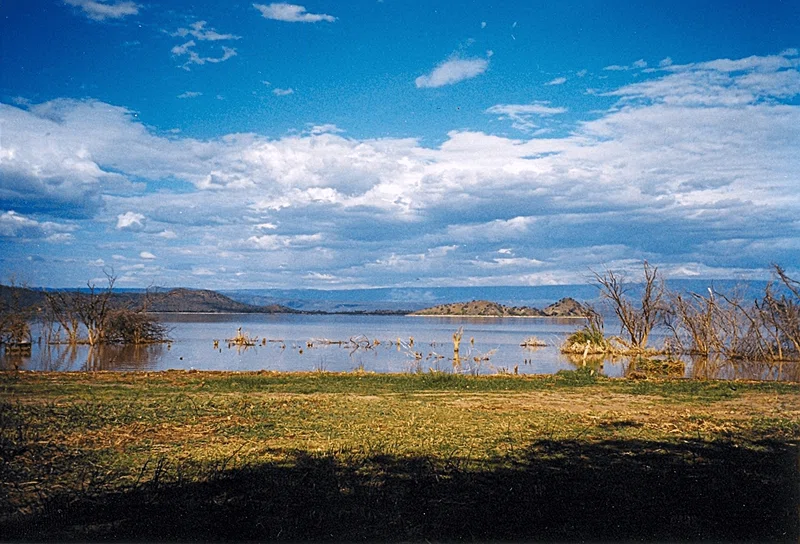
Lake Baringo is a freshwater lake situated in Kenya's northern Rift Valley, approximately 285 kilometers northwest of Nairobi. It is one of only two freshwater lakes in the Kenyan Rift Valley, resting at an elevation of about 970 meters (3,182 feet) above sea level. The lake's surface area is approximately 130 square kilometers (50 sq mi), though it has experienced significant expansion, exceeding 200 km² in recent years due to rising water levels. It is relatively shallow, with an average depth of 5-7 meters. Fed by rivers such as the Molo, Perkerra, and Ol Arabel, Lake Baringo is endorheic, meaning it has no surface outlet and loses water primarily through evaporation and subsurface seepage.
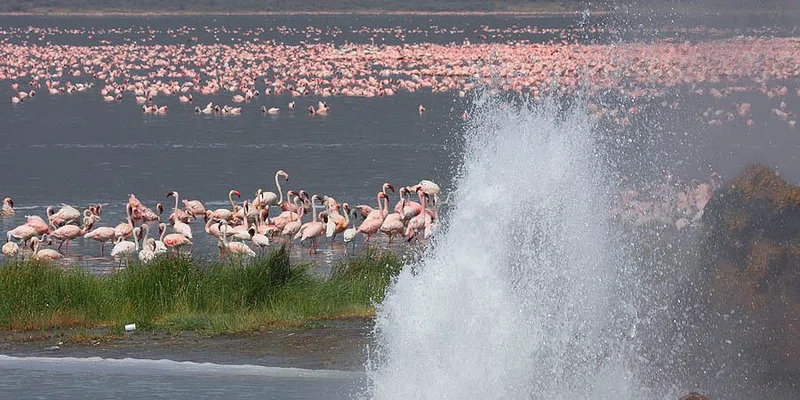
The lake lies within a rift basin, bordered by the Tugen Hills to the west and the Laikipia Escarpment to the east. Its landscape is characterized by bushland, acacia woodland, lava ridges, and volcanic rock formations, creating a vivid contrast between its waters and the surrounding semi-arid terrain. Numerous small islands dot the lake, with Ol Kokwe Island being the largest, an extinct volcanic center known for its hot springs, geothermal vents, and fumaroles. The Tugen Hills are particularly notable for their paleontological significance, having yielded fossils of early human ancestors, including Orrorin tugenensis, dating back approximately 6 million years.
Lake Baringo is recognized as a globally Important Bird Area, hosting over 470 recorded bird species, making it a premier destination for birdwatching. Key species include the African Fish Eagle, Goliath Heron, Jackson's Hornbill, and various migratory birds. The area also supports diverse wildlife, such as hippopotamuses, Nile crocodiles, warthogs, impala, Defassa waterbuck, and the elusive Greater Kudu, found on the Laikipia escarpment. Seven freshwater fish species inhabit the lake, including the endemic Nile tilapia subspecies, Oreochromis niloticus baringoensis, though the introduced marbled lungfish now constitutes the majority of fish catches. Popular activities include boat safaris for wildlife and bird viewing, hiking along lava trails and escarpments, and cultural visits to the local Il Chamus (Njemps) and Pokot communities.
The region is home to indigenous communities like the Il Chamus, Pokot, and Tugen, who depend on the lake for their livelihoods and cultural practices. However, Lake Baringo faces severe environmental challenges, notably rapidly rising water levels since 2010, which have inundated homes, schools, and lodges, displacing over 40,000 people by July 2026. This phenomenon is attributed to increased rainfall, tectonic activity, and land-use changes leading to siltation. Conservation efforts, including community-led bird guiding and partnerships with NGOs, are ongoing to address these issues.
Own this park or reserve?
Claim it to update its details and photos, add what you offer, reply to travellers and promote it on Wapota. It’s free.
Claim this listing →