
About
Lake Elementaita, also known as Lake Elmenteita, is a shallow, alkaline soda lake nestled in the Great Rift Valley of central Kenya. Situated approximately 120 kilometers northwest of Nairobi, it lies between the larger Lake Naivasha and Lake Nakuru, accessible via the Trans-African Highway (A104). The name "Elementaita" originates from the Maasai word "muteita" or "Ol muteita," meaning "dust place," a reference to the area's dry and dusty conditions, particularly from January to March. The lake is typically less than one meter deep and is characterized by trona-encrusted mudflats during dry seasons.
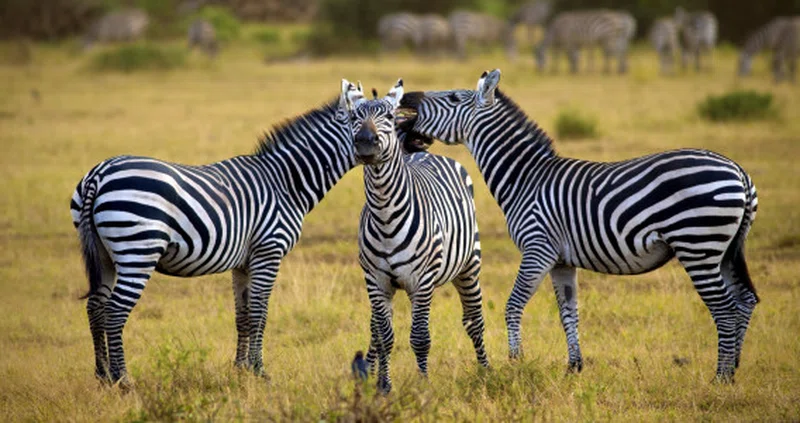
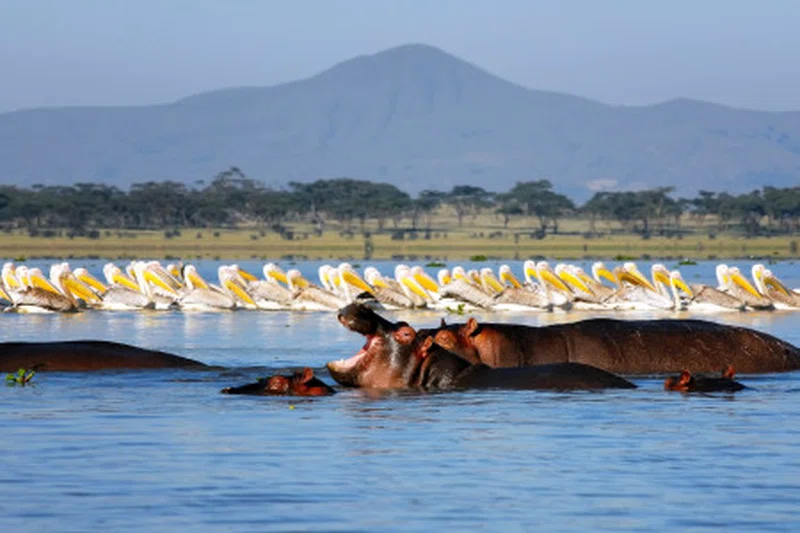
This ecologically significant site is a haven for diverse birdlife, supporting over 400 species. It was designated an Important Bird Area (IBA) in 1999 and a Ramsar site in 2005. In 2011, it was inscribed as part of the UNESCO World Heritage Site "Kenya Lakes System in the Great Rift Valley," alongside Lake Nakuru and Lake Bogoria. The lake is renowned for its internationally important populations of waterbirds, including Greater and Lesser Flamingos, African Spoonbills, and Pied Avocets. It serves as one of the world's major breeding sites for the Great White Pelican and is the only pelican breeding site in Kenya. The surrounding volcanic landscape features craters, lava flows, acacia woodlands, and euphorbia trees, providing habitat for terrestrial wildlife such as zebra, gazelle, eland, warthog, the endangered Rothschild giraffe, and threatened colobus monkeys. The Kekopey hot springs, located at the southern end of the lake, are a notable natural feature.
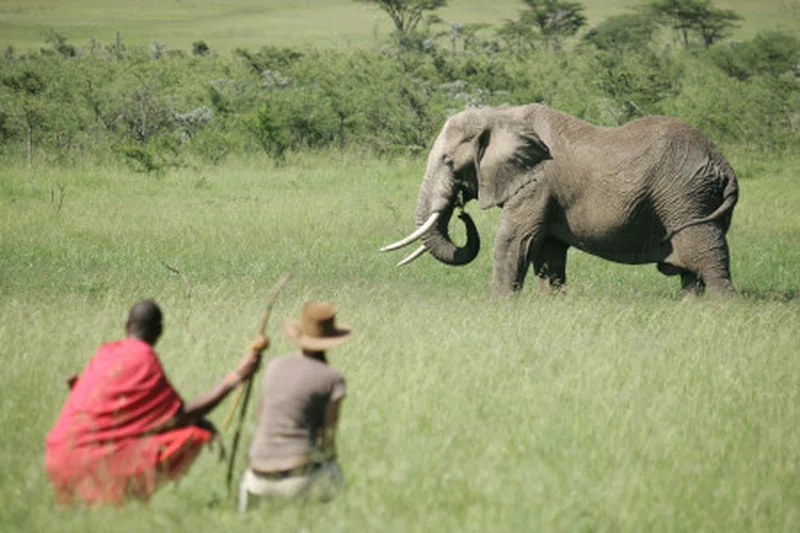
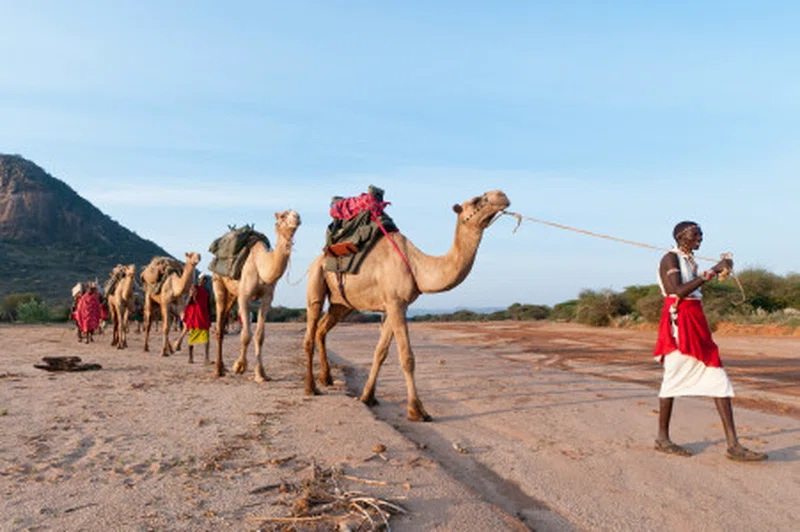
Activities at Lake Elementaita Wildlife Sanctuary primarily revolve around nature and wildlife observation. Birding is a major draw, allowing visitors to observe the numerous avian species. Other activities include game drives within the adjacent Soysambu Conservancy, nature walks, hot air balloon rides, camping, and exploring the Kikopey Hot Springs. Historically, the Lake Elementaita basin holds some of Kenya's oldest archaeological evidence of human occupation, with Oldowan stone tools dating back approximately 700,000 years found at Kariandusi. Obsidian mines in the Eburru Hills indicate extensive trade networks over 3,000 years ago. The area was later inhabited by pastoral Neolithic communities and Maasai pastoralists. During the colonial era, Lord Delamere established the Soysambu ranch, which still covers two-thirds of the lake's shoreline and is home to over 12,000 wild animals.
Own this park or reserve?
Claim it to update its details and photos, add what you offer, reply to travellers and promote it on Wapota. It’s free.
Claim this listing →