
About
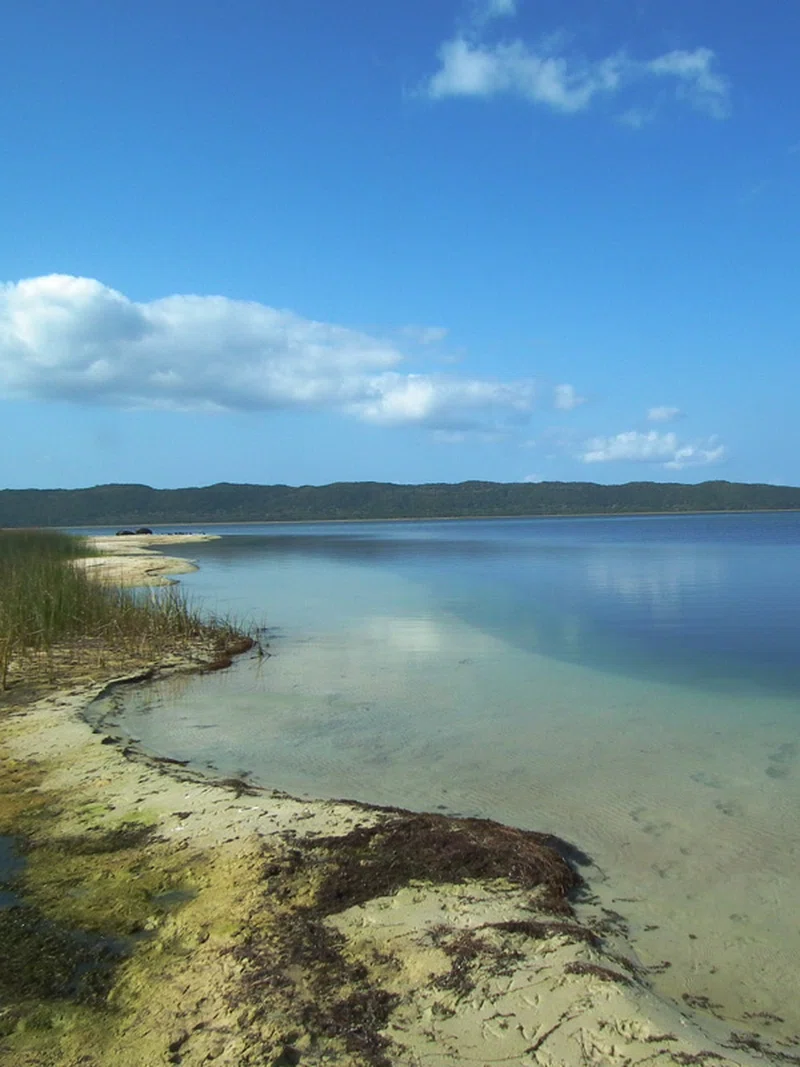
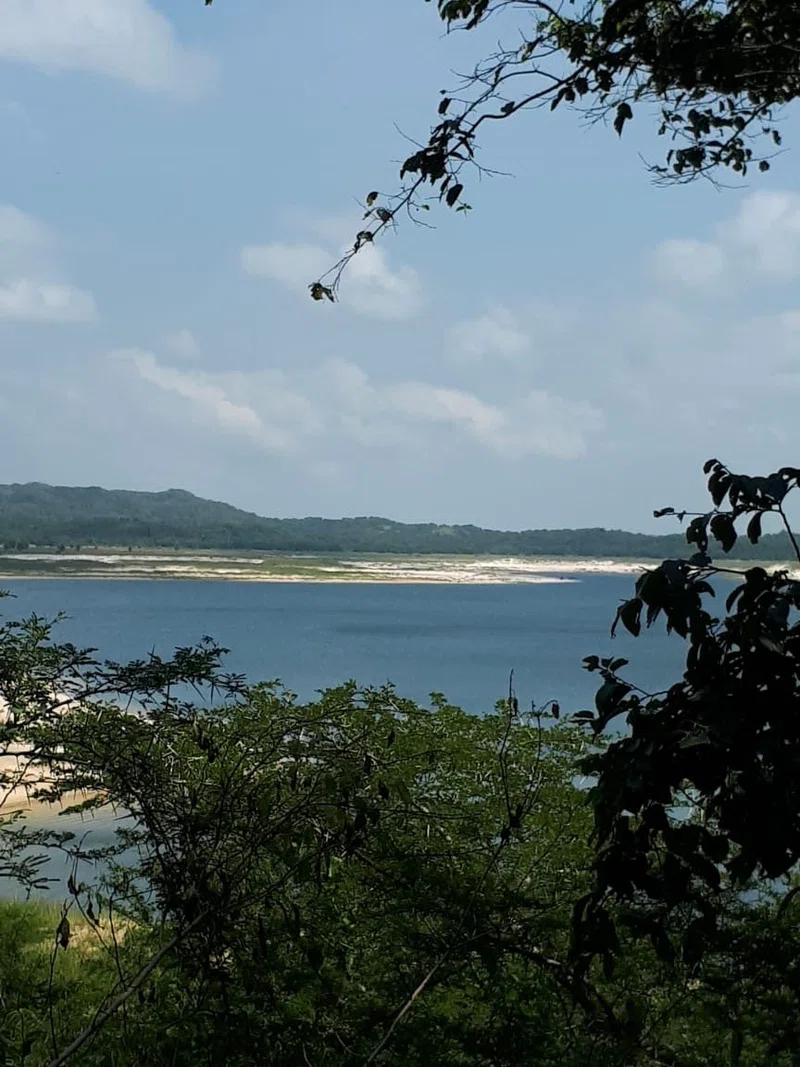
Lake Sibaya, also known as Lake Sibhayi, is the largest natural freshwater lake in South Africa, situated on the Maputaland coastal plain in eastern KwaZulu-Natal, approximately 430 km north-east of Durban. This significant body of water is narrowly separated from the Indian Ocean by a range of high, vegetated dunes, some reaching up to 165 meters in altitude. The lake's average surface area is 64 square kilometers, though it can fluctuate between 54 and 77 square kilometers, and it boasts a maximum depth of 43 meters. It is an integral part of the iSimangaliso Wetland Park, a UNESCO World Heritage Site, and holds international recognition as a Ramsar Wetland of International Importance, designated on June 28, 1991. The lake's clear waters maintain a pH between 8.2 and 8.3, reflecting its unique hydrological characteristics.
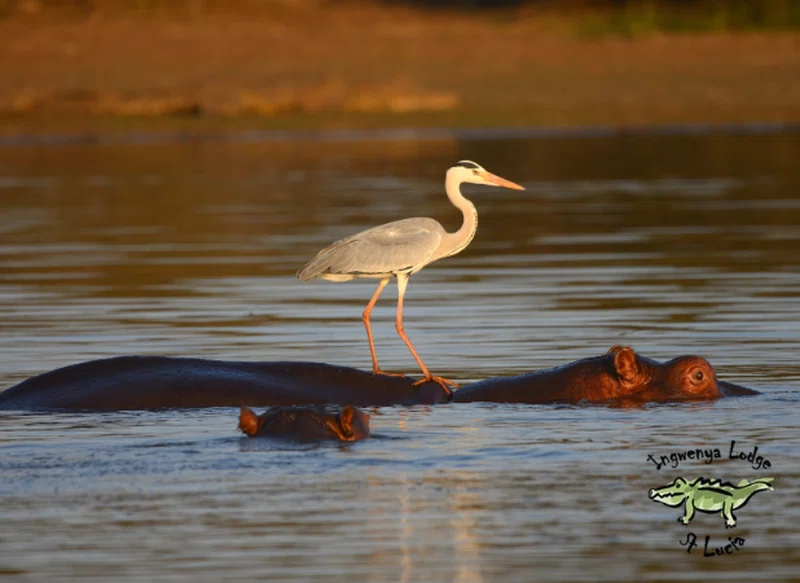
The area surrounding Lake Sibaya is a mosaic of diverse habitats, including coastal dune forests, remnant swamp forests along drainage lines, dry coastal forests, open and closed woodlands, and various grasslands. This rich vegetation provides critical shelter and feeding grounds for an extraordinary array of wildlife. The lake is particularly notable for hosting the second largest populations of hippopotamus and crocodile in KwaZulu-Natal. It is a birdwatcher's paradise, with over 279 avian species recorded, many of which utilize the lake for breeding, roosting, and feeding. Among the frequently sighted birds are Pied, Giant, and Malachite Kingfishers, Fish Eagles, and various herons and waders. Rare species such as the Palmnut Vulture and Pel's Fishing Owl also inhabit the area. The aquatic ecosystem supports 18 fish species, including the freshwater goby (Silhouetta sibayi), which is almost endemic to this system. Additionally, 22 frog species, 8 reptile species (including African Python and Nile Crocodile), and 6 regularly associated mammal species like reedbuck and mongoose contribute to the area's high biodiversity.
Lake Sibaya plays a vital ecological role, serving as the sole permanent water source for numerous birds and mammals in the surrounding coastal plain during dry seasons. The region is state land, and conservation efforts are ongoing, with plans to fence and formally protect the entire lake. Management practices are currently focused on law enforcement to protect fauna and selected forest communities, while also addressing human-wildlife conflicts and alien plant control. The lake and its environs support local rural communities who depend on its natural resources. Recreational and tourist activities are intentionally limited to preserve the wilderness character of the area. While boat trips are feasible, and walking trails through the undisturbed shore vegetation are rewarding, motorized activities and canoeing are no longer permitted to minimize environmental disturbance and ensure visitor safety. A research station established in the 1970s has facilitated extensive ecological studies, contributing valuable data to the understanding and management of this unique wetland.
Own this park or reserve?
Claim it to update its details and photos, add what you offer, reply to travellers and promote it on Wapota. It’s free.
Claim this listing →