
About
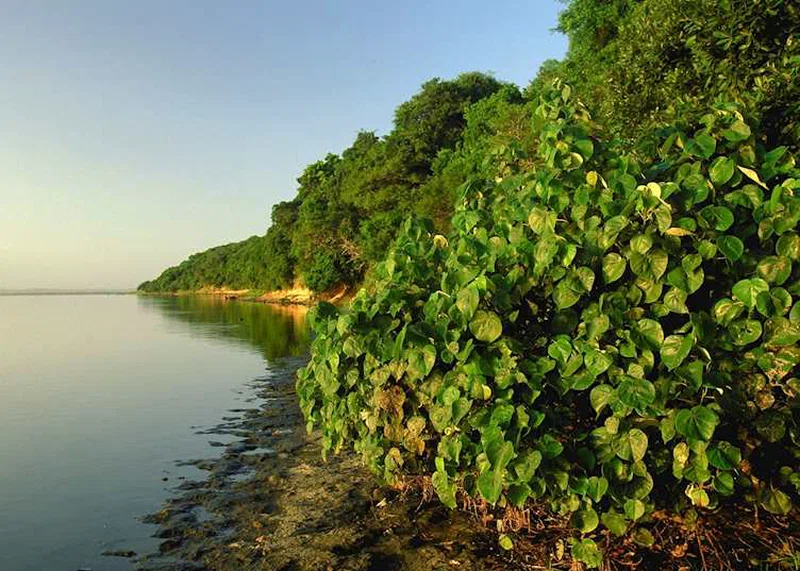
Lake St. Lucia is an expansive estuarine lake system situated in northern KwaZulu-Natal, South Africa, approximately 235 kilometers north of Durban. As the largest estuarine lake in Africa, it spans an area of about 325–350 square kilometers, reaching lengths of 60–80 kilometers and widths up to 23 kilometers. Despite its vast surface area, the lake is remarkably shallow, with an average depth of only 0.9 meters. It is the central and defining feature of the iSimangaliso Wetland Park, South Africa's inaugural UNESCO World Heritage Site, designated in 1999, and has been recognized as a Ramsar Wetland of International Importance since 1986. The lake system is fed by five rivers, including the Mkuze and Hluhluwe, and is characterized by extreme environmental variability, with salinity levels fluctuating dramatically from near-freshwater to nearly six times that of seawater, making it a crucial site for estuarine research.
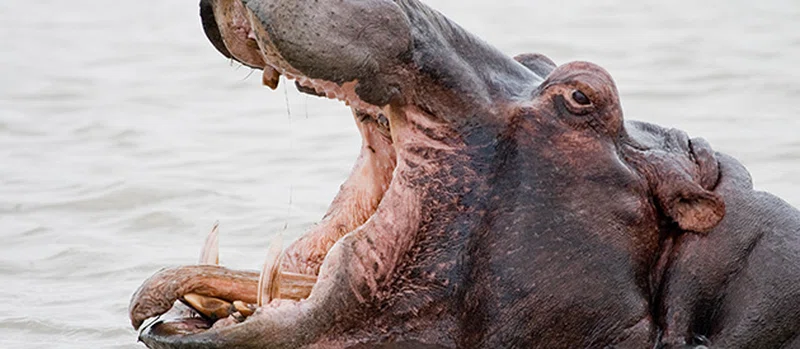
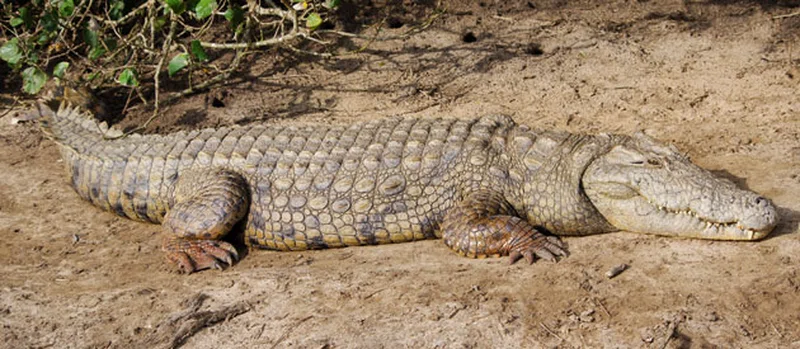
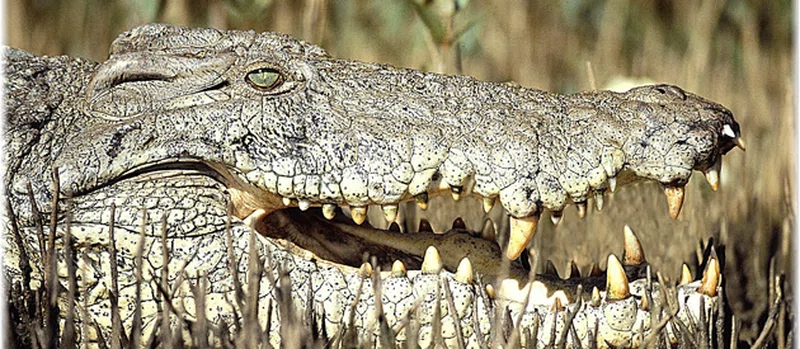
The diverse landscape surrounding Lake St. Lucia includes the drier Western Shores with palmveld and savanna, and the Eastern Shores, which boast coastal dune forests and some of the world's highest vegetated coastal dunes. This rich mosaic of ecosystems supports an extraordinary array of wildlife. The lake is home to an estimated 800–1,000 hippopotamuses and approximately 1,200 adult Nile crocodiles, representing significant breeding populations. Over 500 bird species have been recorded, including the only breeding colony of Great White Pelicans in southeastern Africa, and large seasonal aggregations of flamingos. The estuary serves as a vital nursery ground for 71 fish species, notably including bull sharks, creating a unique environment where these apex predators coexist with hippos and crocodiles. Other large mammals such as elephants, leopards, rhinos, and various antelopes also inhabit the surrounding park.
Visitors to Lake St. Lucia can engage in a variety of activities, including boat cruises to observe hippos, crocodiles, and diverse birdlife, as well as game drives, guided birding walks, and night drives within the iSimangaliso Wetland Park. Seasonal attractions include whale-watching and turtle nesting excursions. Historically, the lake was named "Santa Lucia" in 1575 by a Portuguese explorer, and the region has been inhabited by the Tsonga people for over a millennium, with their traditional fishing practices still evident. The area gained formal protection as a Game Reserve in 1895, making it one of Africa's oldest protected areas. A significant ecological restoration project, initiated in 2012, reconnected the Mfolozi River to the lake system, aiming to restore its natural hydrological functioning after decades of artificial separation.
Own this park or reserve?
Claim it to update its details and photos, add what you offer, reply to travellers and promote it on Wapota. It’s free.
Claim this listing →