
About
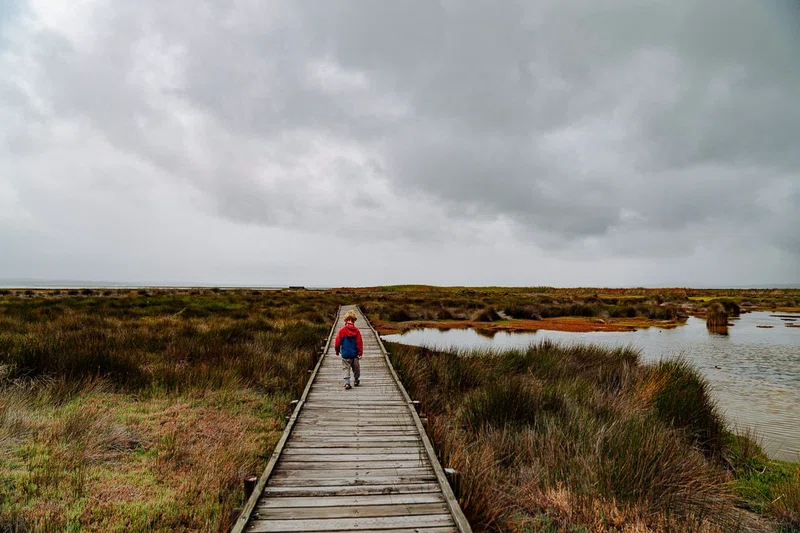
Langebaan Lagoon, a prominent feature of the West Coast National Park, is situated just inland from the secluded Saldanha Bay, approximately 1.5 hours' drive north of Cape Town's city center in South Africa's Western Cape province. This expansive saltwater lagoon stretches for 16 kilometers and is up to 3 kilometers wide, uniquely formed by the rise and fall of sea levels rather than a freshwater river, making it one of only three such lagoons globally. Its azure waters are complemented by white dunes, rare fynbos, and green wetlands, creating a diverse and picturesque landscape. The lagoon's ecosystem is sustained by daily tides that bring nutrient-rich water from the cold Benguela current, supporting the country's largest salt marsh area.
The lagoon is a critical ecological site, recognized with Ramsar wetland status for its international importance. It serves as a vital nursery for juvenile fish and supports vast populations of crabs, snails, and over 70 different marine algae. Birdlife is exceptionally rich, with over 250 species recorded annually, representing more than a quarter of South Africa's total bird species. This includes numerous waterbirds, Palearctic, and rare migrant waders, with intertidal areas hosting up to 55,000 water birds in summer. The surrounding West Coast National Park is also home to the world's largest breeding colony of black harriers and a variety of mammals, including eland, wildebeest, bontebok, and mountain zebra, as well as the "Slow Five" (tortoises, whales, sand sharks, porcupines, and dune moles).
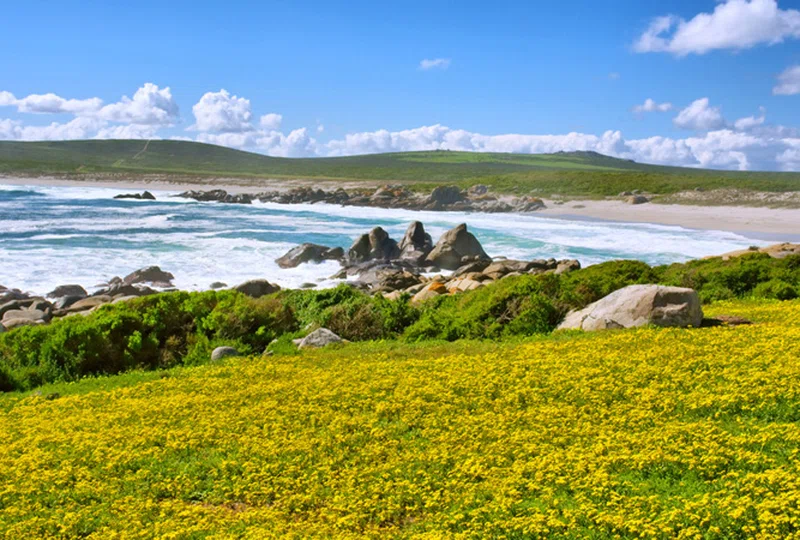
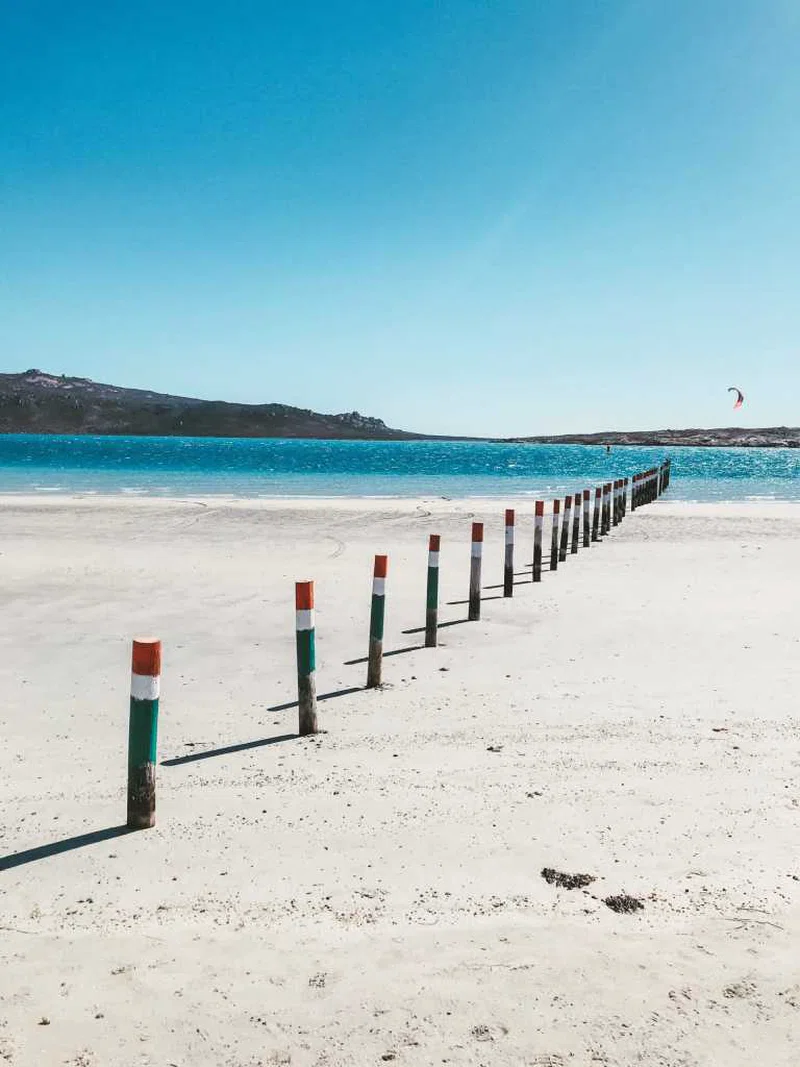
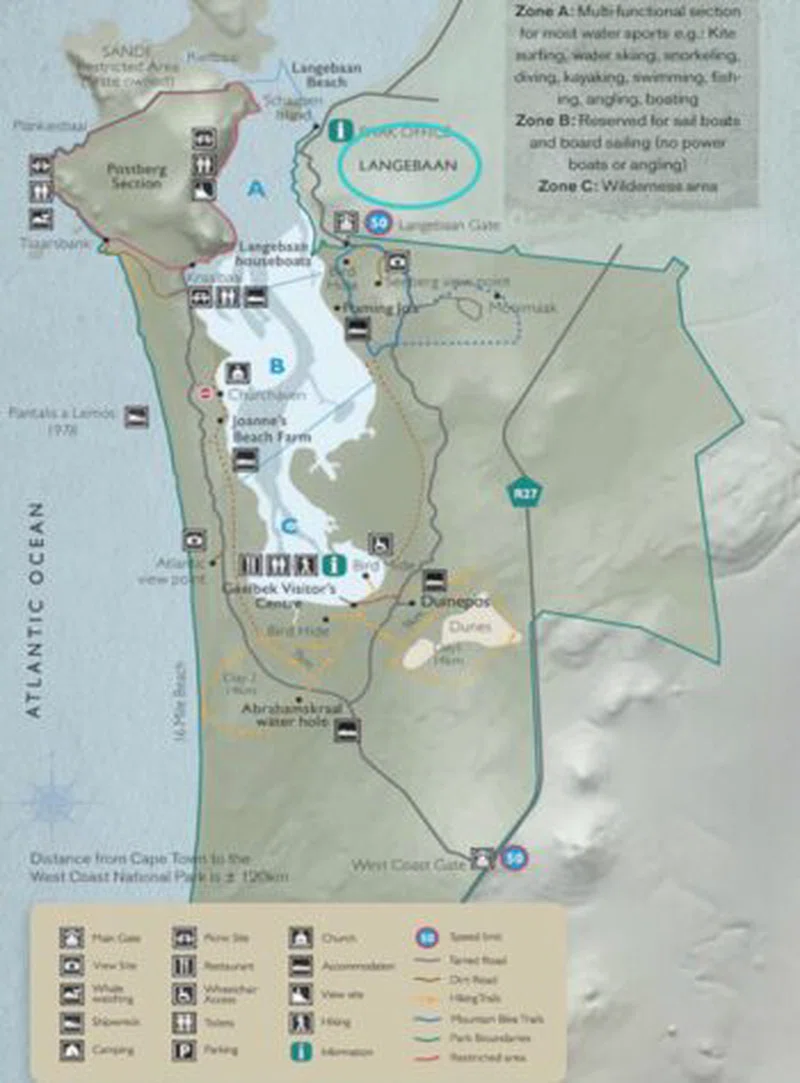
Langebaan Lagoon is a hub for both nature enthusiasts and water sports lovers. Its mild climate and protected waters make it ideal for activities such as sailing, kayaking, kitesurfing, windsurfing, and fishing. Visitors can enjoy hiking, cycling, and mountain biking trails, explore bird hides, picnic at Kraalbaai, or discover rock pools at Tsaarsbank. During August and September, the park transforms with a vibrant display of wildflowers, attracting many visitors. The lagoon is a marine protected area, divided into zones to manage different recreational activities, from wilderness areas with no fishing to zones for power boating and kite surfing. Historically, the area is significant as the site where "Eve's Footprint," the oldest known anatomically modern human footprint (approximately 117,000 years old), was discovered. The nearby West Coast Fossil Park offers insights into the region's prehistoric past.
Own this park or reserve?
Claim it to update its details and photos, add what you offer, reply to travellers and promote it on Wapota. It’s free.
Claim this listing →