
About
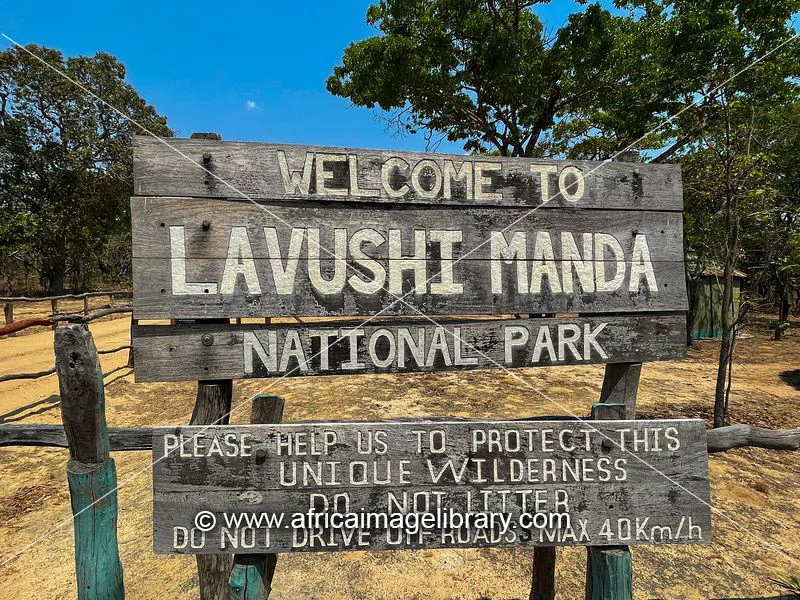
Lavushi Manda National Park is located in the Muchinga Province of central Zambia, approximately 80 kilometers east of Mpika town. Covering an area of 1,500 square kilometers, it is the 11th largest of Zambia's 20 National Parks. The park was initially gazetted as a Game Reserve in 1941 and declared a National Park in 1972. It lies on a plateau between the Muchinga Escarpment and the alluvial flats of the Bangweulu floodplain, with elevations ranging from 1,200 to 1,600 meters, giving it a cooler climate than lower-lying valley parks. The scenery is dominated by the spectacular 47-kilometer-long Lavushi Manda mountain range in the southern half, which reaches up to 1,811 meters, making it one of Zambia's highest points. The rugged landscape is primarily covered in miombo woodlands, interspersed with large seasonally wet grasslands known as dambos, and riparian forests along numerous seasonal and perennial streams. Perennial rivers like the Lulimala, Lukulu, Lumbatwa, and Mufubushi drain the park, all flowing into Lake Bangweulu. Notable waterfalls include Kapandalupili and Mumba Tuta on the Lukulu River.
Despite historical poaching that significantly reduced wildlife populations, recovery efforts are ongoing. The park is home to approximately 50 mammal species, including roan and sable antelope, which are considered flagship species and are reliably seen in the open miombo woodlands. Other mammals present include elephant, buffalo, leopard, lion (though rarely sighted), hippo, puku, warthog, common duiker, side-striped jackal, and various primates. In 2018, 438 animals, including puku, kudu, waterbuck, bushbuck, and hartebeest, were translocated into the Nkondo corridor in the park's buffer zone to increase species variety. Lavushi Manda is recognized as an Important Bird Area, providing a natural refuge for biome-restricted and threatened bird species, with over 270 identified species. Birders can spot miombo woodland specialists like racket-tailed roller and Böhm's flycatcher, as well as rock-associated species such as black eagles and Augur buzzards. The Lukulu River also hosts over 30 fish species, including the brutish Congo yellowfish.
Tourism infrastructure is limited, with no commercial lodges within the park, making it best suited for self-sufficient visitors. Basic campsites like Mumbauta, Kapandalupili, and The Peak are available. Activities include hiking, nature walks, birdwatching, kayaking, and fishing. The dry season (May to August) is generally the best time to visit for wildlife viewing, as dambos are accessible and wildlife concentrates in open areas. Access to the park is from Mpika, requiring a four-wheel-drive vehicle, especially after rain. Lavushi Manda offers a quiet, undeveloped wildlife experience distinct from Zambia's more well-known valley parks.
Wildlife & Birds
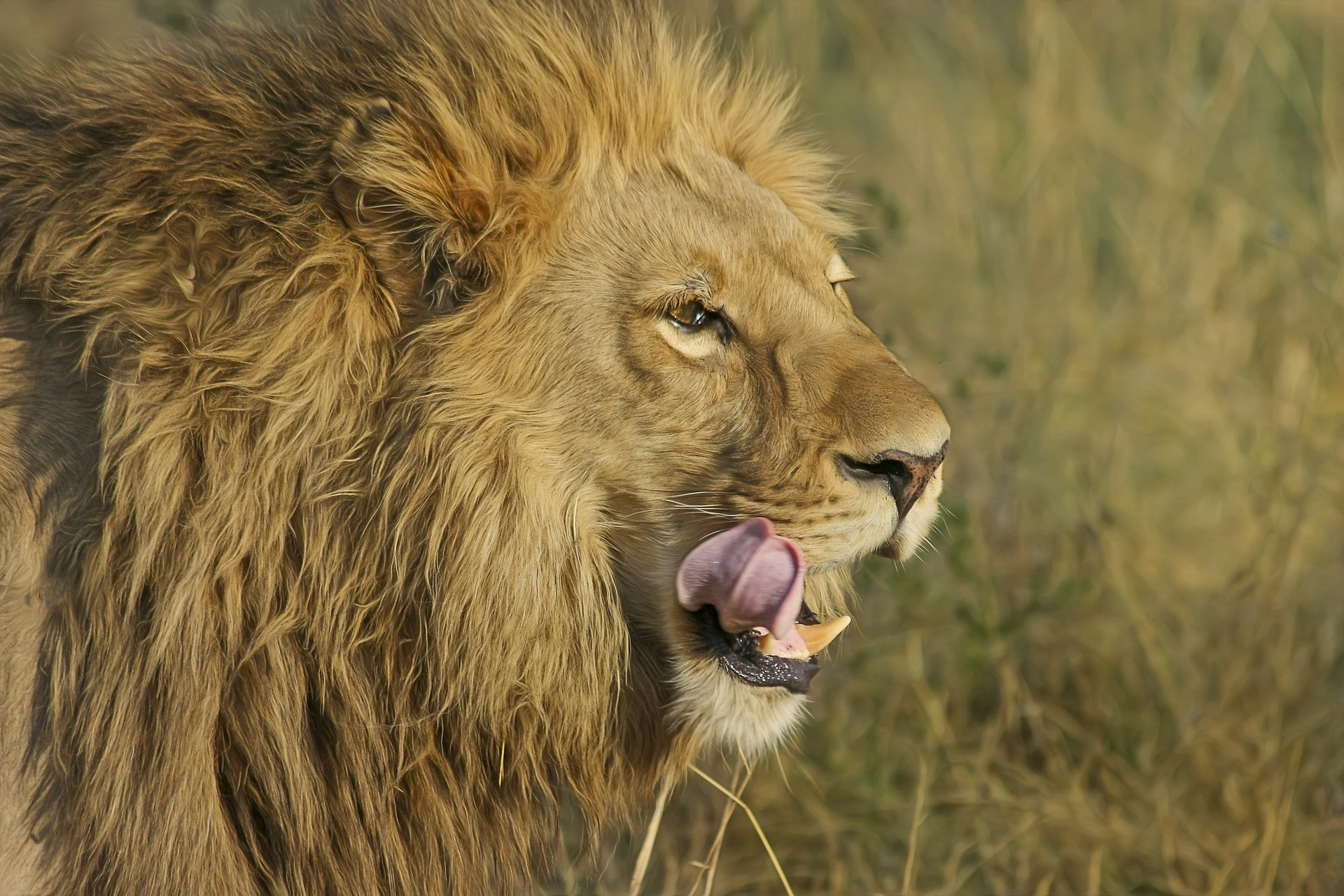
Lion
1
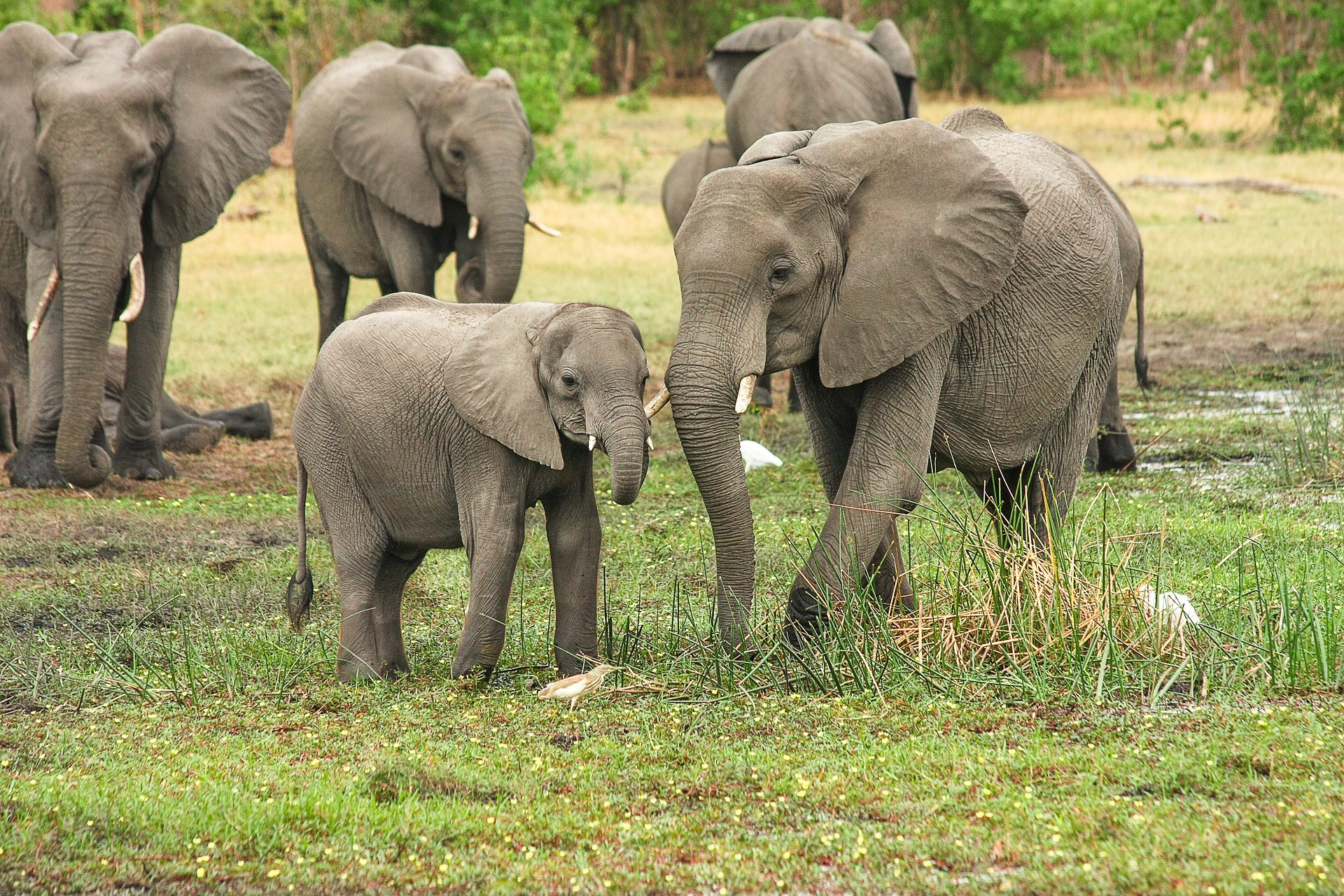
Elephant
1
Hippo
1
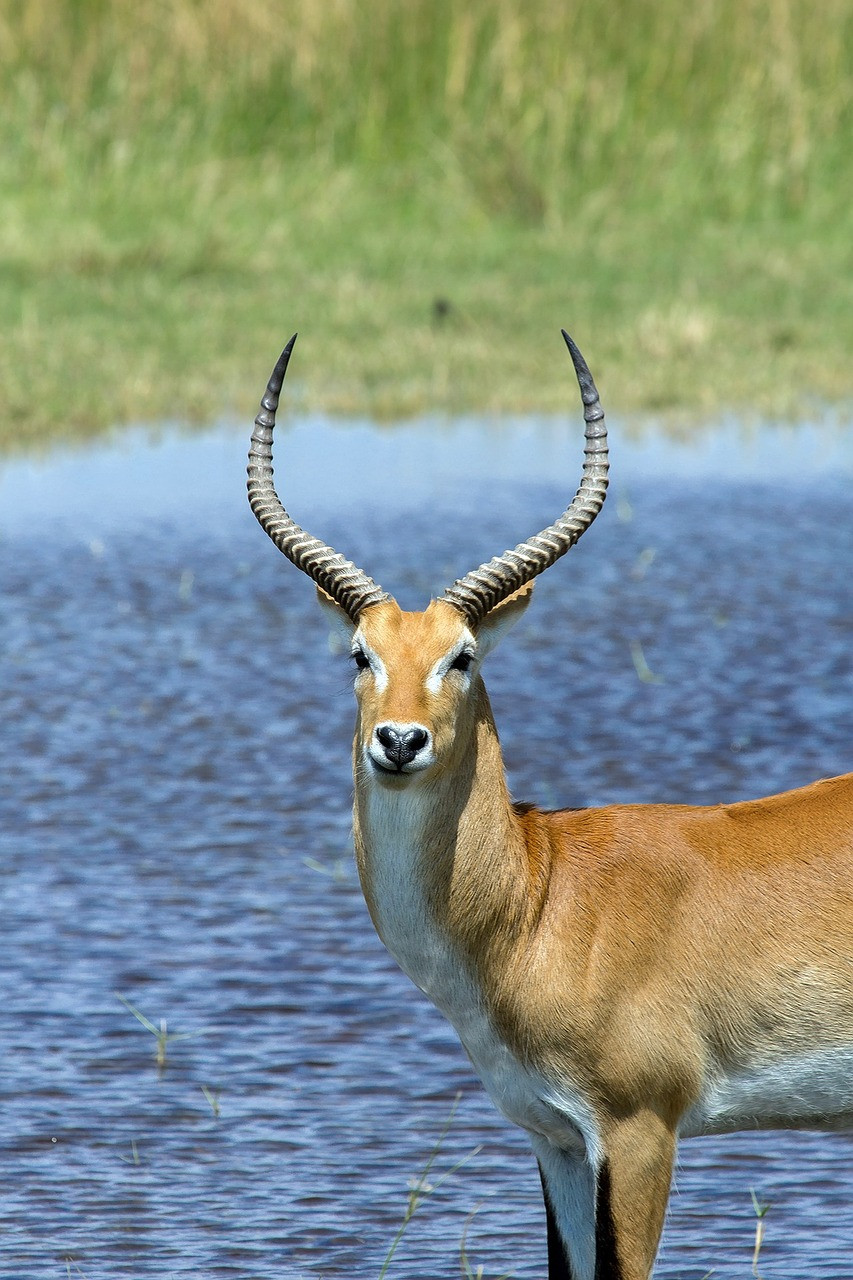
Puku
1
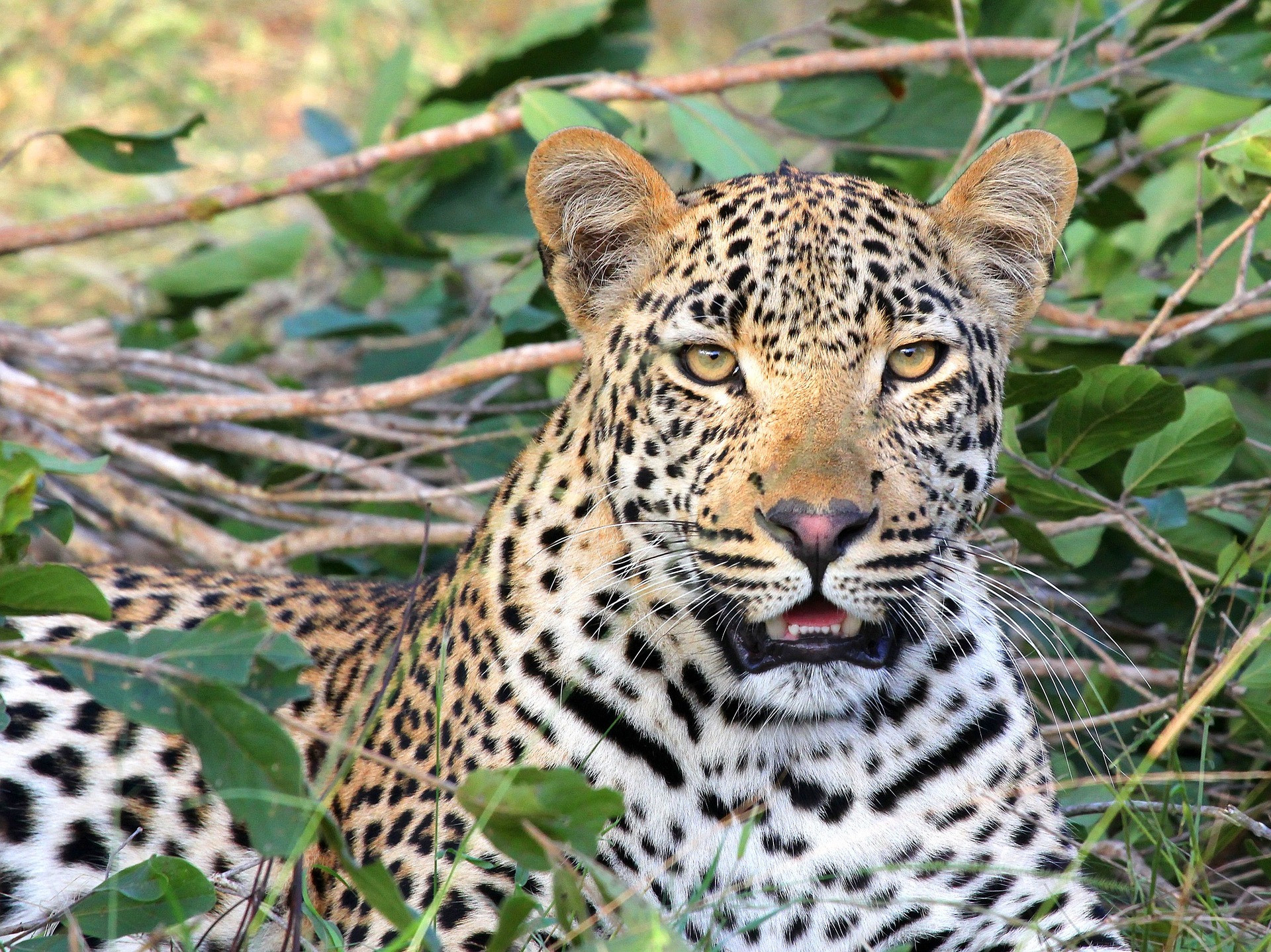
Leopard
1
Martial Eagle
1
Bateleur
1
Verreaux's Eagle
3
Blue Quail
3
Locust Finch
3
Streaky-breasted Flufftail
3
Shoebill
1
Own this park or reserve?
Claim it to update its details and photos, add what you offer, reply to travellers and promote it on Wapota. It’s free.
Claim this listing →