
About
Mahale Mountains National Park is located on the eastern shore of Lake Tanganyika in the remote Uvinza District of the Kigoma Region in western Tanzania. Gazetted as a national park in 1985, it covers an area of approximately 1,650 square kilometers, which encompasses 1,517 square kilometers of land and 96 square kilometers of aquatic territory along the lake. The park is named after the Mahale Mountain range running through its center, featuring six peaks including Mount Nkungwe, the highest summit at 2,462 meters above sea level. The area was traditionally inhabited by the Batongwe and Holoholo peoples before being designated for wildlife protection. Due to its isolated geography, no roads exist within the park boundaries; entry and movement are strictly on foot or via boat on Lake Tanganyika.
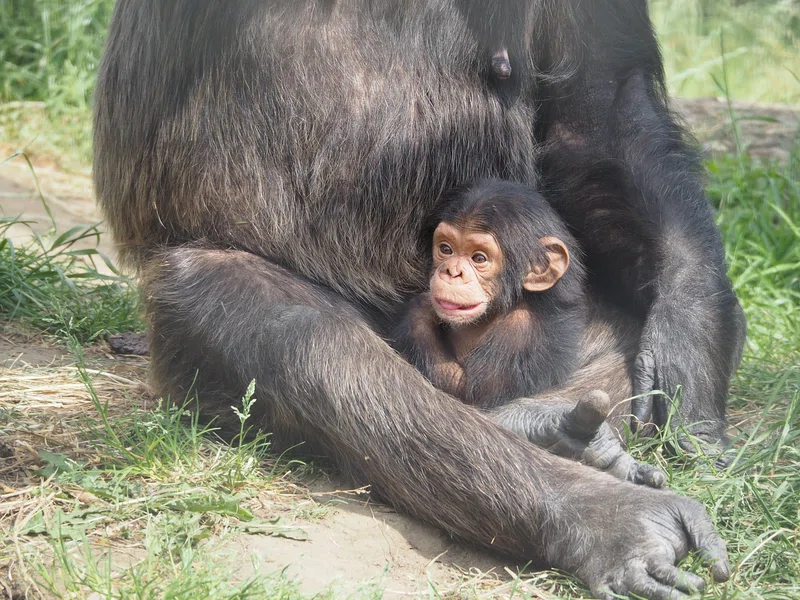
The park's terrain transitions across varied habitats, including lowland rainforests, alpine mist forests, bamboo stands, and open savannah grasslands. Mahale is best known for preserving the largest known wild population of Eastern chimpanzees, estimated between 700 and 1,000 individuals. Primatological study of the resident chimpanzees began in 1961 by Japanese researchers, leading to the long-term habituation of specific groups. Mahale is also one of the rare ecological areas where chimpanzees and lions coexist. Beyond chimpanzees, the park shelters seven other primate species, such as red colobus, red-tailed monkeys, blue monkeys, and yellow baboons, along with terrestrial wildlife including forest elephants, buffaloes, leopards, bushbucks, and warthogs.
Lake Tanganyika borders the park and is the world's longest and second-deepest freshwater lake. Its waters support over 250 endemic species of cichlid fish alongside hippos, otters, and Nile crocodiles. Tourism in the park focuses on guided forest treks to observe chimpanzees under strict conservation regulations. Visitors can also embark on mountain hiking up Mount Nkungwe, walking safaris along natural trails, forest birdwatching for more than 350 avian species, kayaking, snorkeling in designated shallow waters, and catch-and-release sport fishing.
Wildlife & Birds
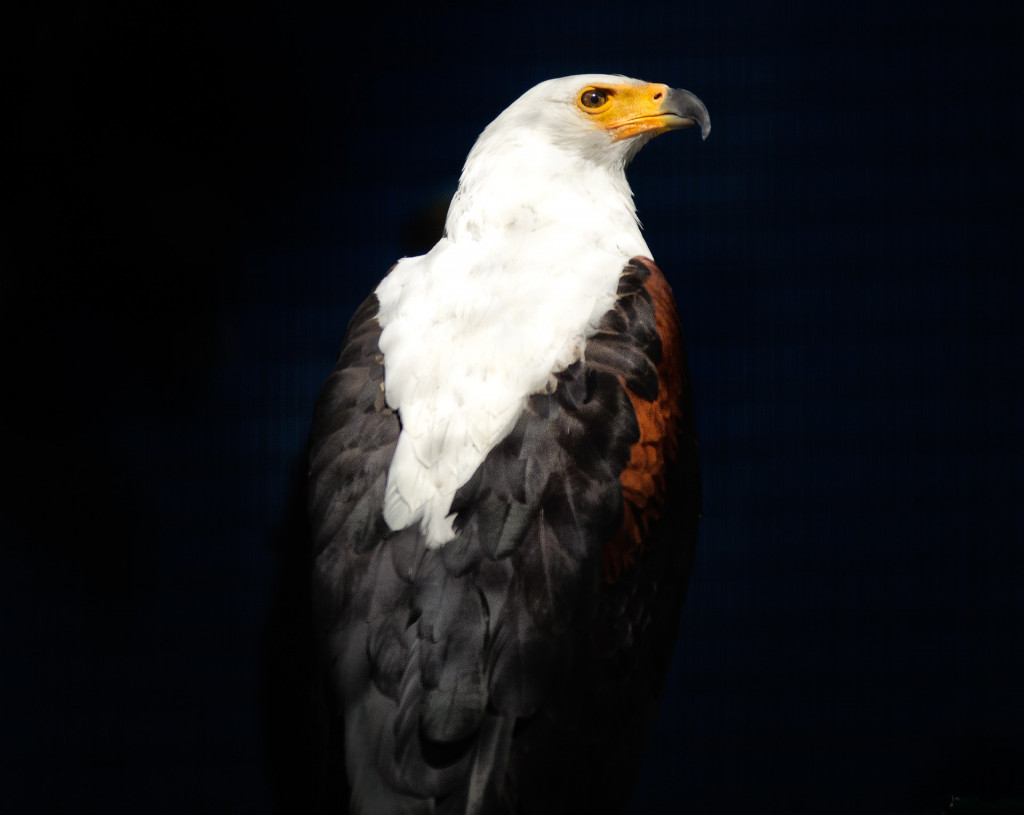
African Fish Eagle
3
Crested Guineafowl
2
Giant Kingfisher
2
Livingstone's Turaco
2
Palm-nut Vulture
3
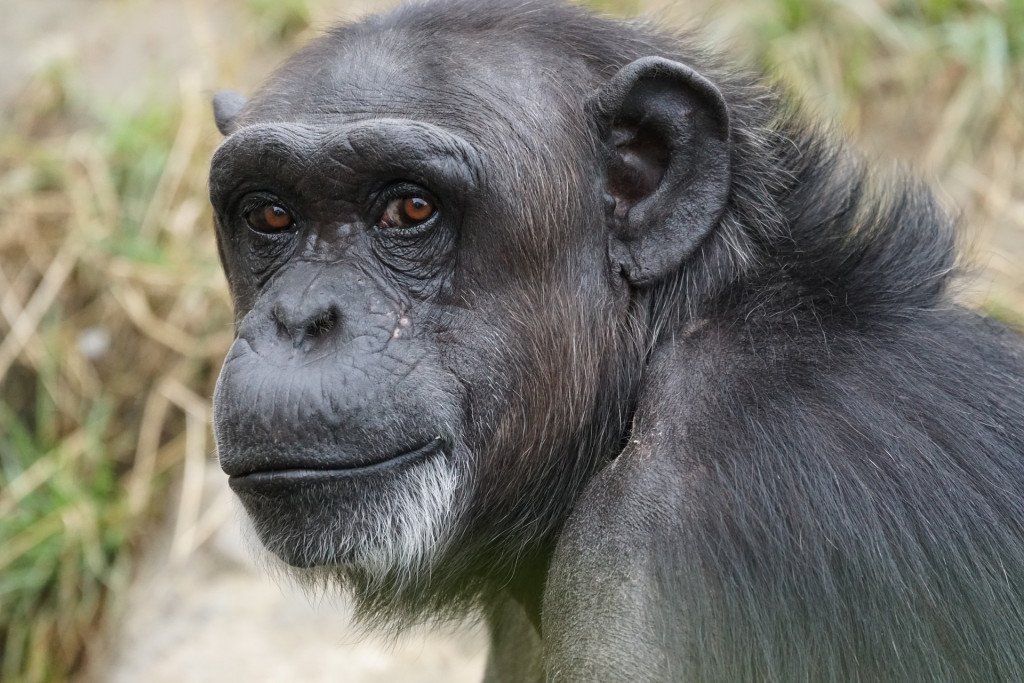
Chimpanzee
3
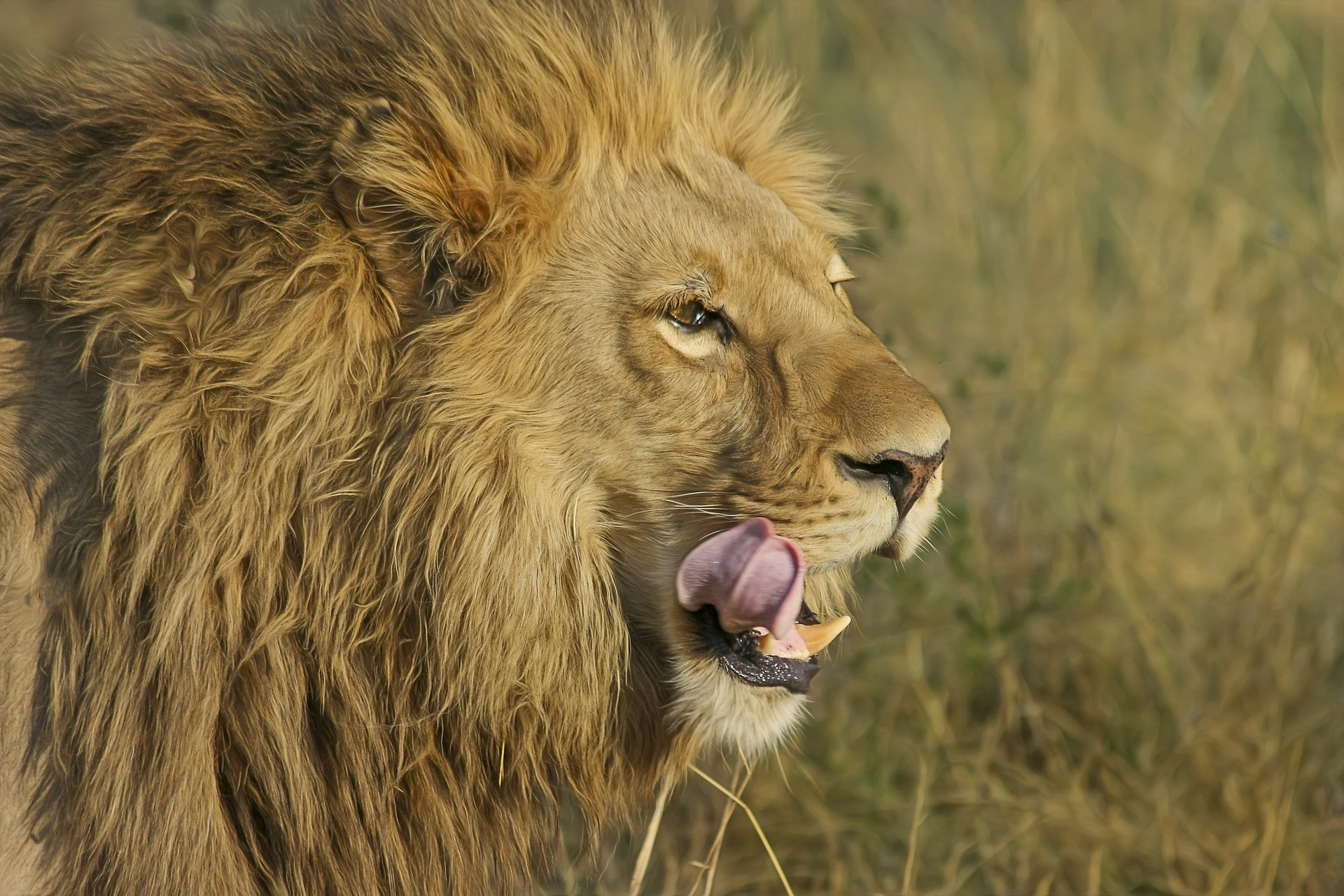
Lion
1
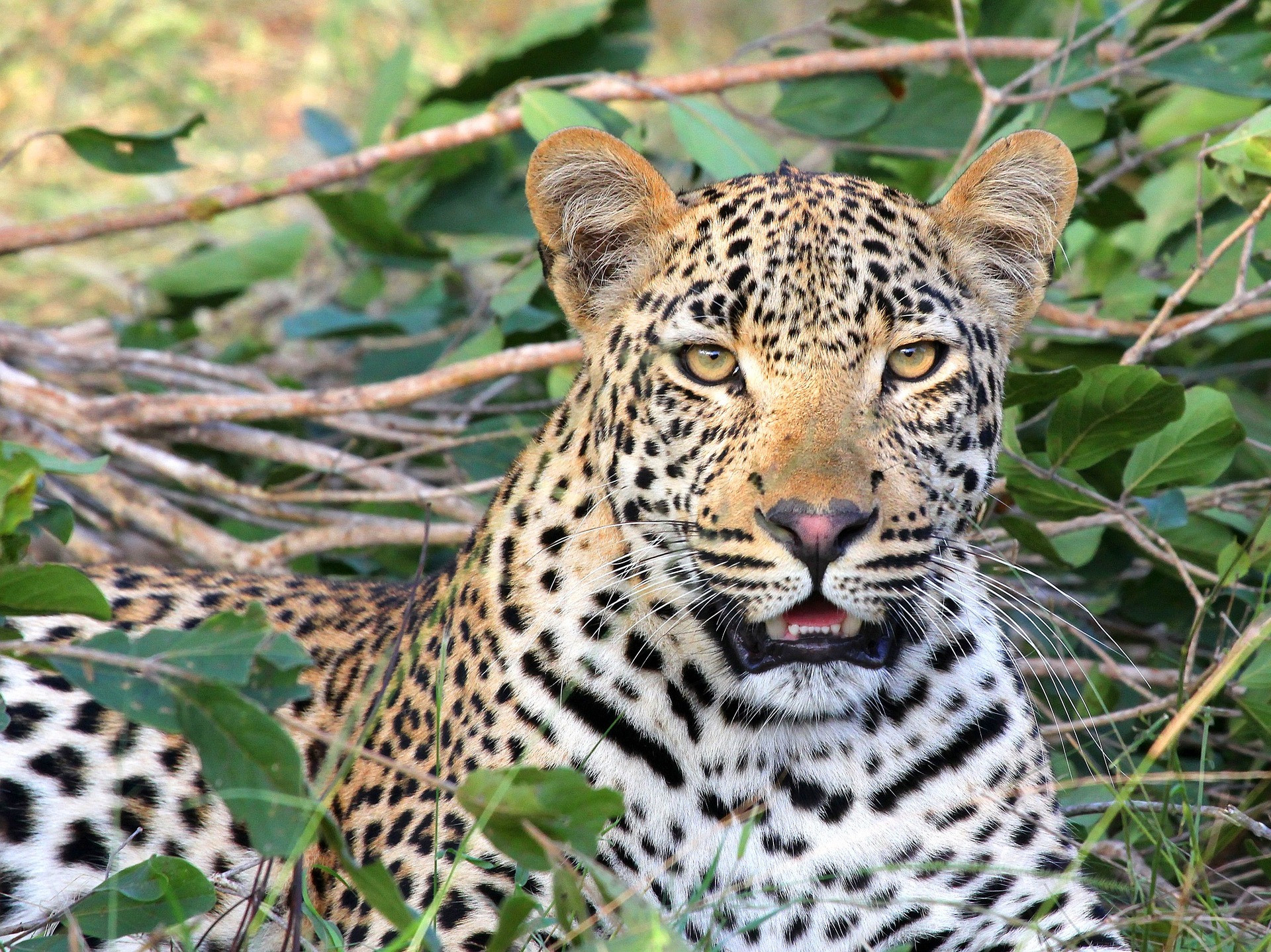
Leopard
1
Hippo
2
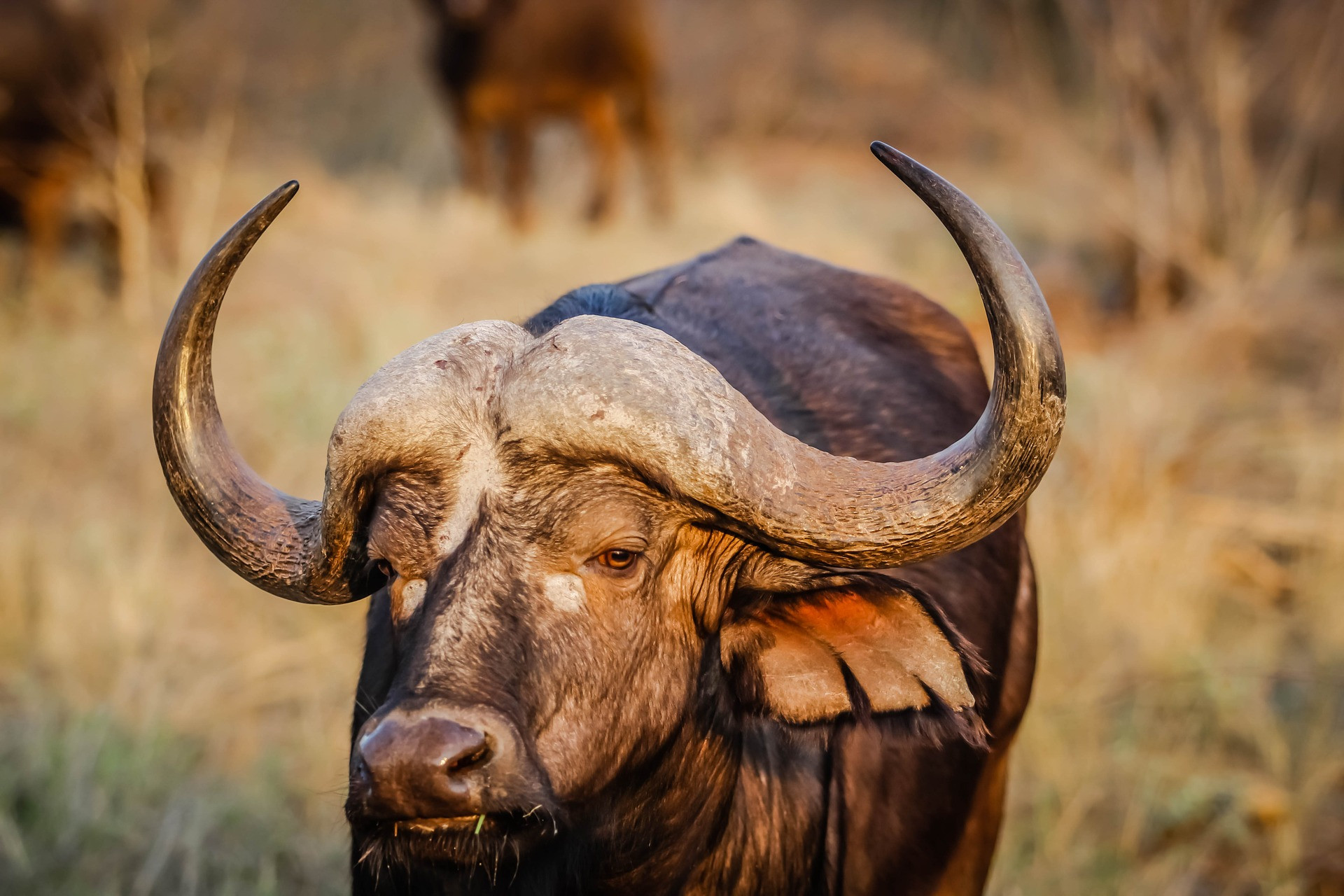
Buffalo
1
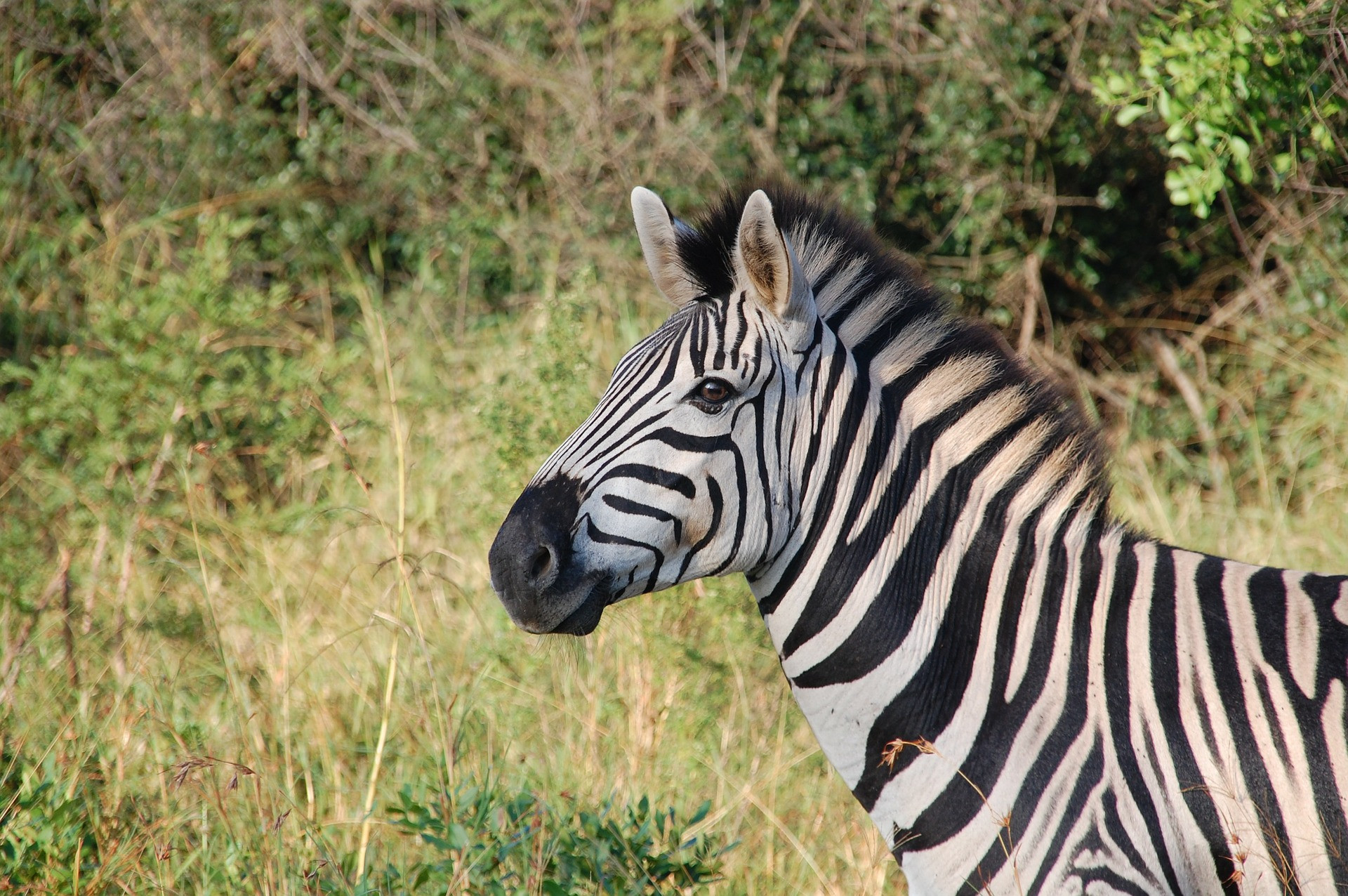
Zebra
1
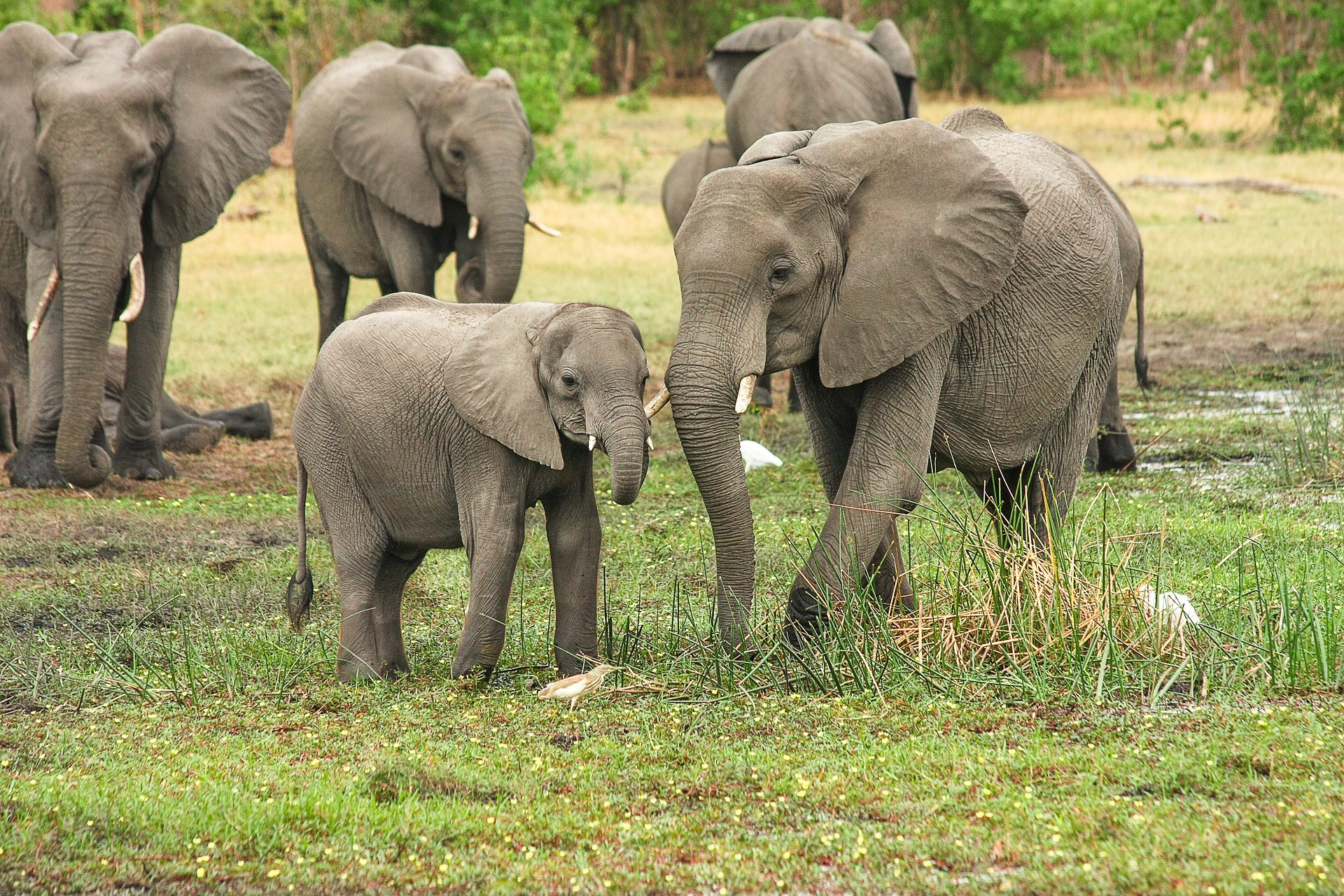
Elephant
1
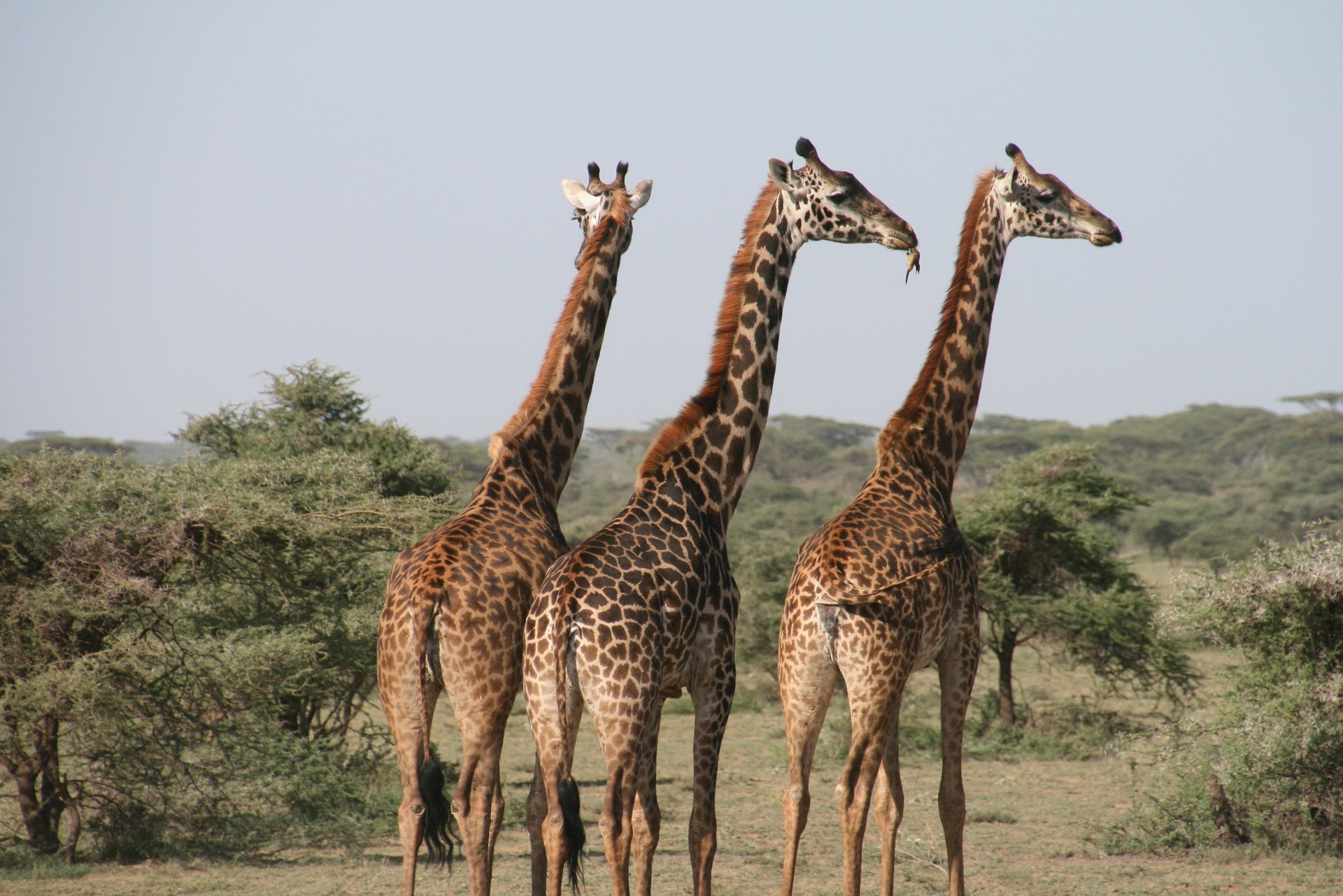
Giraffe
1
Safari Tours
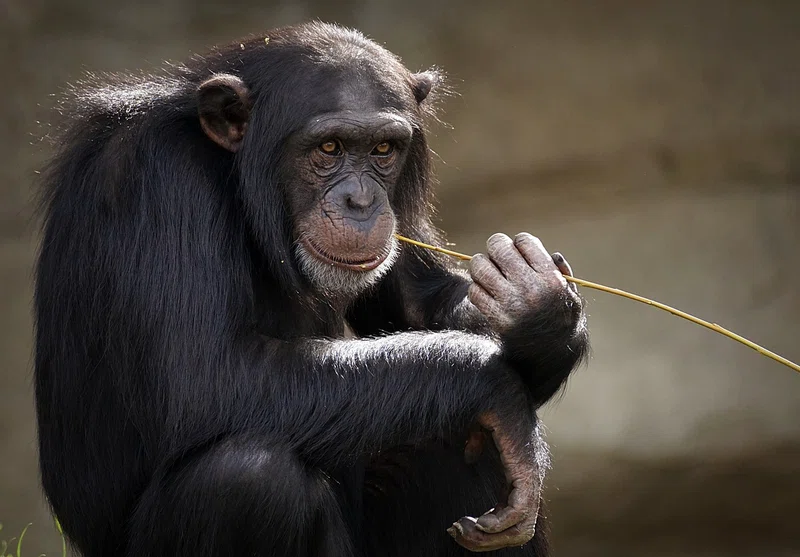 luxury9 days

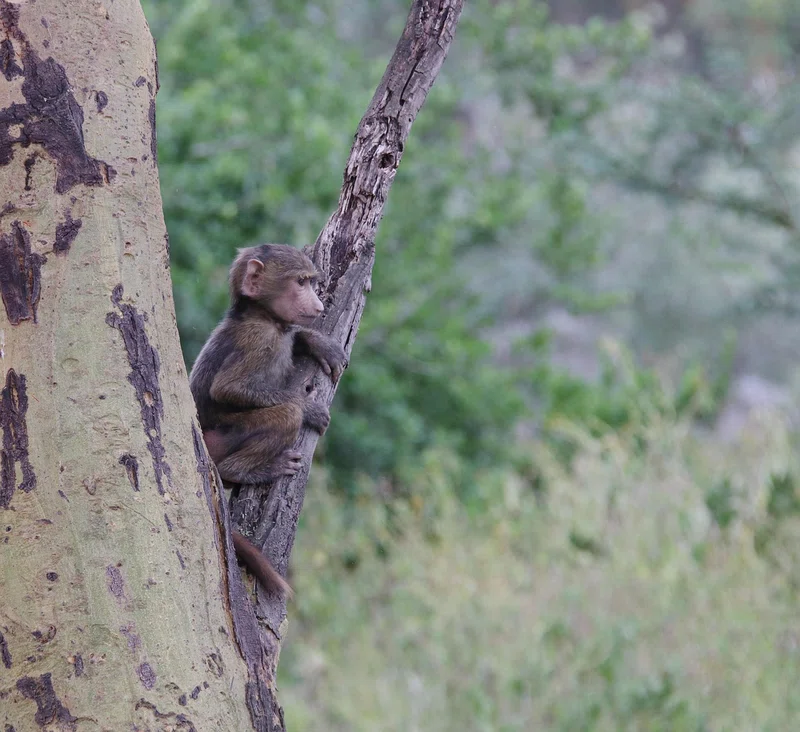 luxury17 days

 luxury6 days
Own this park or reserve?
Claim it to update its details and photos, add what you offer, reply to travellers and promote it on Wapota. It’s free.
Claim this listing →