
About
Mangetti National Park, established in 2008, is a significant protected area located in the eastern Kalahari woodlands of Namibia, approximately 100 km south-west of Rundu in the Kavango West Region. Covering an area of 420 km², it is uniquely recognized as Namibia's only contractual national park, formed through a partnership between the Ministry of Environment, Forestry and Tourism (MEFT), the Ukwangali Traditional Authority, and the Kavango West Regional Council. The park's primary objective is to mitigate rural poverty by fostering tourism development, promoting joint management, and ensuring benefit-sharing with local communities. Historically, the area served as a game camp dedicated to breeding rare and endangered species.
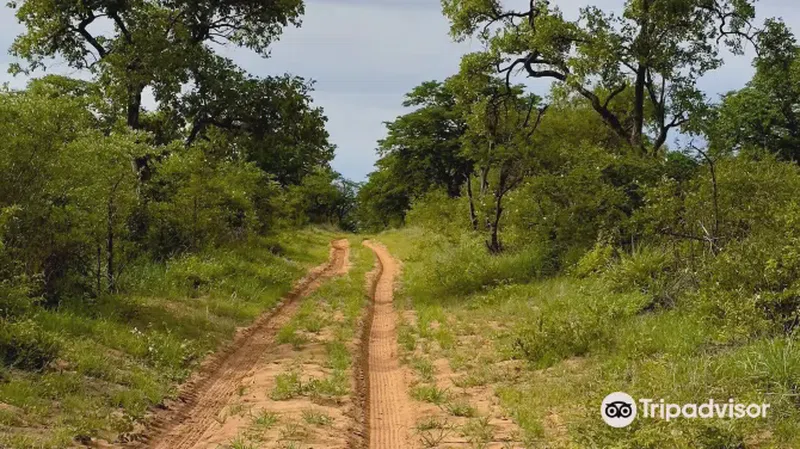
The park's topography is characterized by a relatively flat landscape featuring ancient, east-west aligned dunes and interdune valleys. These dunes are composed of fine-grained red sand. The vegetation falls within the Tree and Shrub Savannah Biome, specifically the North-Eastern Kalahari Woodlands. Kalahari woodland vegetation predominates on the dune crests, while mixed acacia savannah thrives in the dune valleys. Notable tree species include the Mangetti tree (Schinziophyton rautanenii), silver terminalia (Terminalia sericea), and camel-thorn (Acacia erioloba).
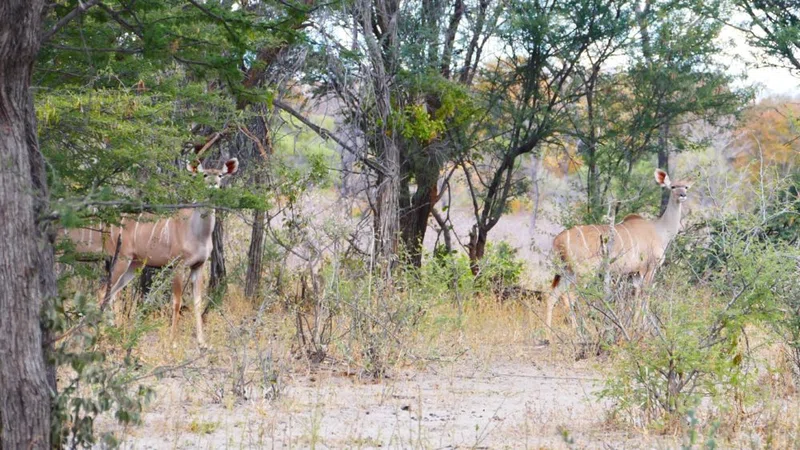
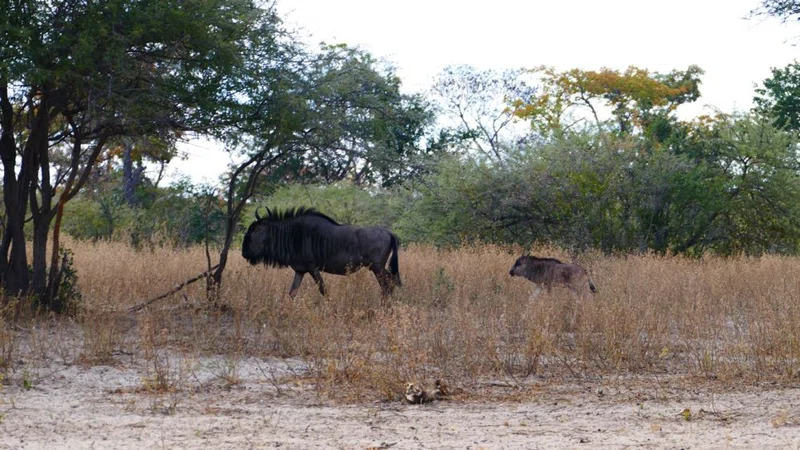
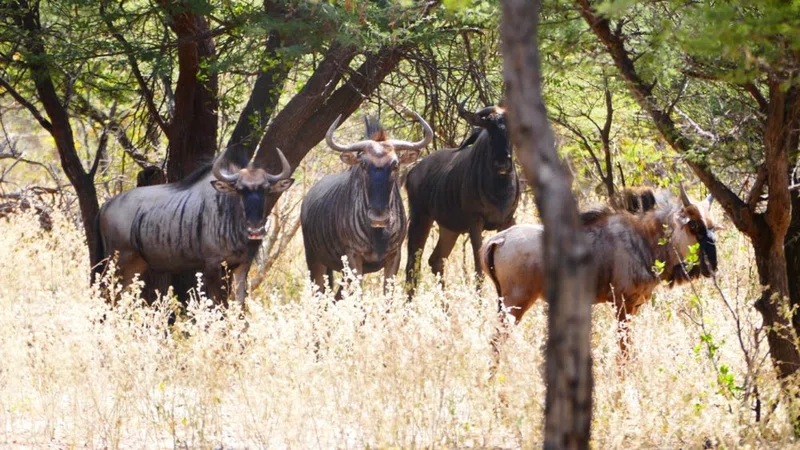
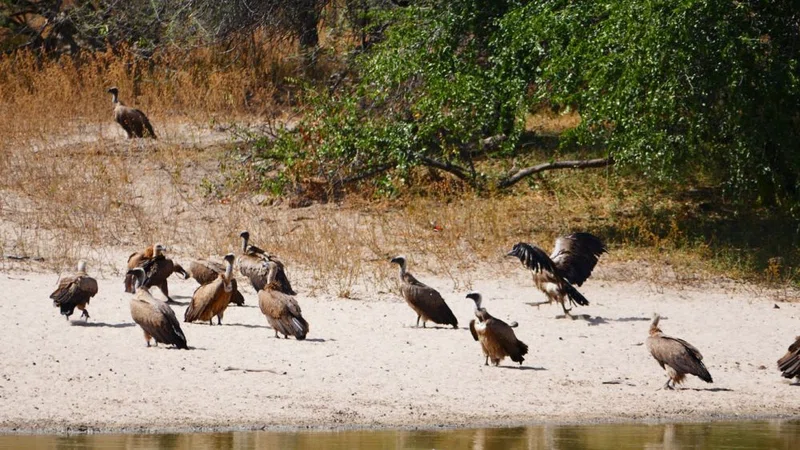
Mangetti National Park is a haven for diverse wildlife, including sable antelope, African wild dog, leopard, hyaena, blue wildebeest, oryx (gemsbok), kudu, duiker, steenbok, caracal, and African wild cat. Occasional sightings of elephants and African wild dogs are also reported. The park is particularly notable as the only protected area within the Kavango Zambezi Transfrontier Conservation Area (KAZA TFCA) that hosts both black and white rhinoceros species. Birdlife is abundant, with species such as the Lappet-faced Vulture, Bateleur, Tawny Eagle, Meyer’s Parrot, and Striped Kingfisher. The park is open for day visitors, with ongoing efforts to develop overnight facilities. Activities available include game drives and guided walks, with birdwatching being a popular pursuit. A 4WD vehicle is recommended for navigating the park's sandy roads.
Own this park or reserve?
Claim it to update its details and photos, add what you offer, reply to travellers and promote it on Wapota. It’s free.
Claim this listing →