


About
Mapungubwe National Park, a UNESCO World Heritage Site, is located in South Africa's Limpopo Province at the confluence of the Limpopo and Shashe Rivers, where the borders of Botswana and Zimbabwe meet. Established as a national park in 1998 and officially opened in 2004, it encompasses an area of 280 square kilometers. The landscape is characterized by extensive savannah, dramatic sandstone formations, mopane woodlands, ancient floodplains, and unique riverine forests, featuring towering cliffs and massive baobab trees, some with circumferences up to 31 meters. The park's semi-arid climate experiences hot summers, with temperatures sometimes reaching 45°C, and mild winters.
This diverse ecosystem supports a rich array of wildlife, including four of the Big Five: elephant, leopard, white rhinoceros, and buffalo. Other mammals found here include giraffe, gemsbok, eland, kudu, zebra, hippopotamus, cheetah, African wild dog, and both spotted and brown hyenas. Mapungubwe is also a birdwatcher's paradise, with over 387 recorded bird species, such as Pel's fishing owl, Kori bustard, and ground hornbill. Visitors can enjoy guided morning, sunset, and night drives, as well as various hikes, walks, and trails. Popular activities include birding, bush braais, and visiting the confluence viewing decks and picnic spots. A unique treetop walk offers elevated views of the riverine forest.
Mapungubwe holds immense historical and cultural significance as the site of Southern Africa's first indigenous kingdom, which flourished on Mapungubwe Hill between 1200 and 1290 AD. This highly complex society engaged in extensive trade with Eastern cultures like China and India, becoming a forerunner to the Great Zimbabwe civilization. The kingdom was eventually abandoned in the 14th century due to climatic changes. Archaeological excavations on Mapungubwe Hill uncovered remarkable artifacts, including the famous golden rhinoceros, a gold sceptre, and a gold bowl, which are now displayed at the Mapungubwe Museum at the University of Pretoria and the Mapungubwe Interpretation Centre. The Interpretation Centre, itself an award-winning building, provides insights into the park's history and biology.
Wildlife & Birds
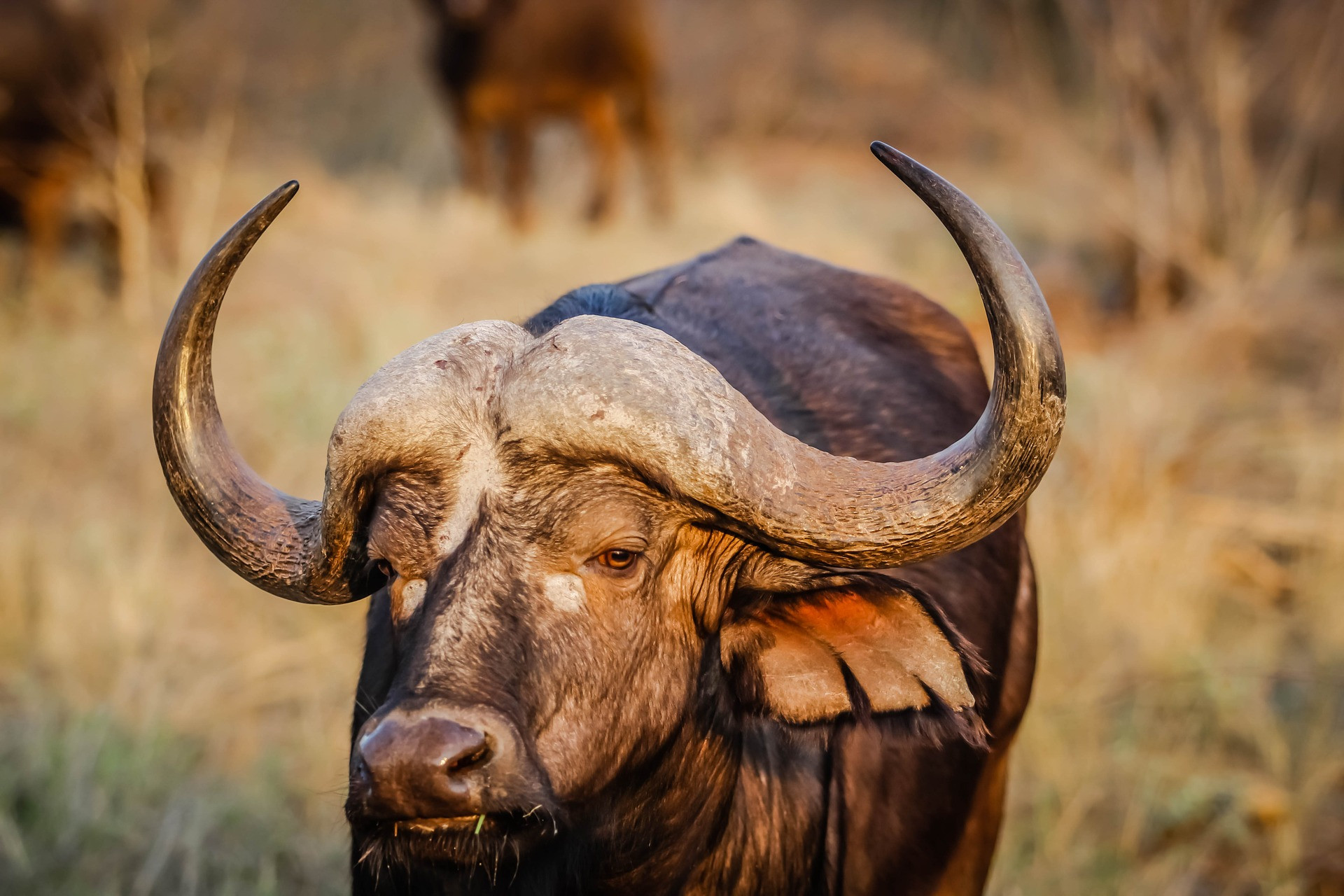
Buffalo
0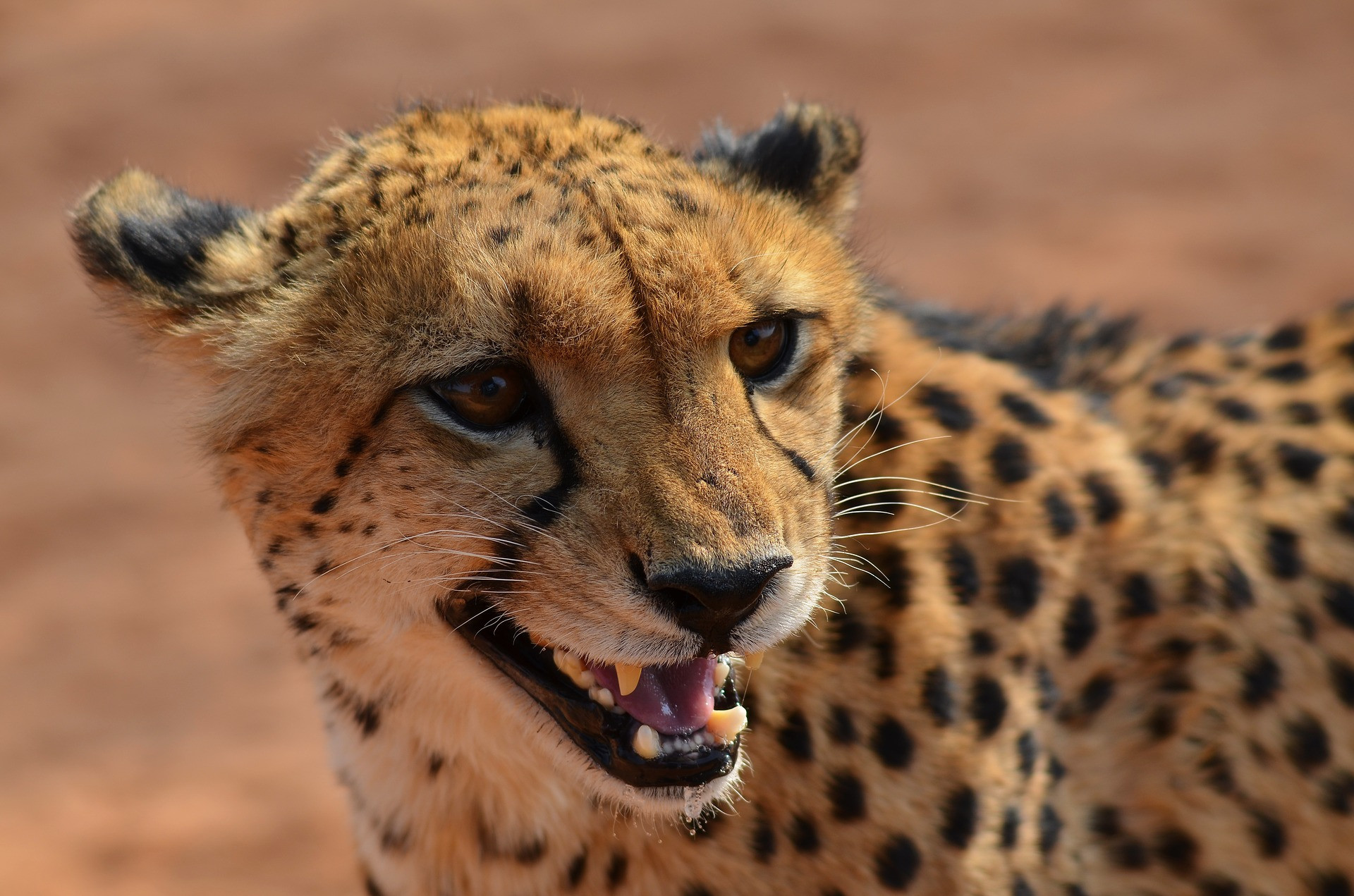
Cheetah
1
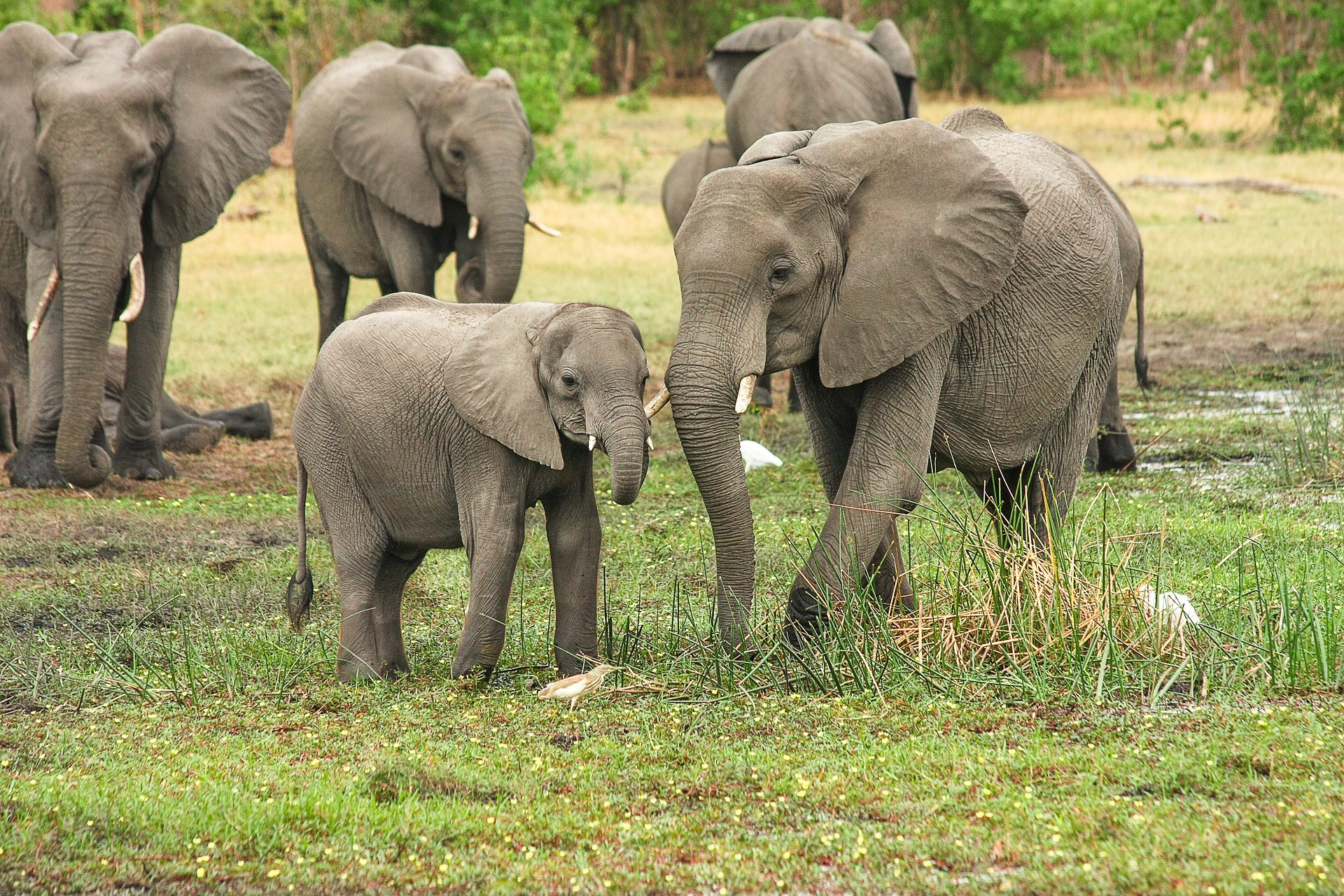
Elephant
3
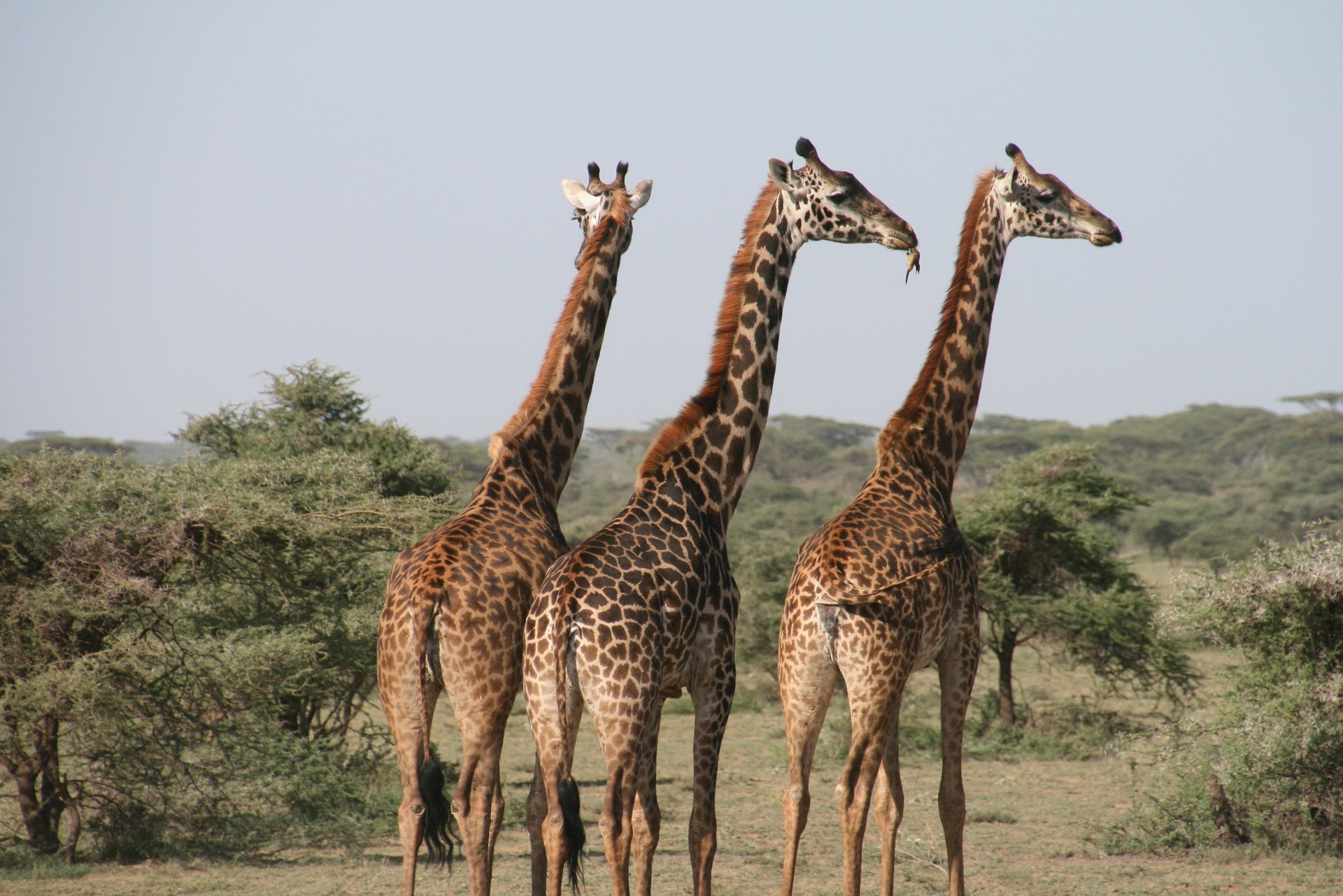
Giraffe
3
Hippo
0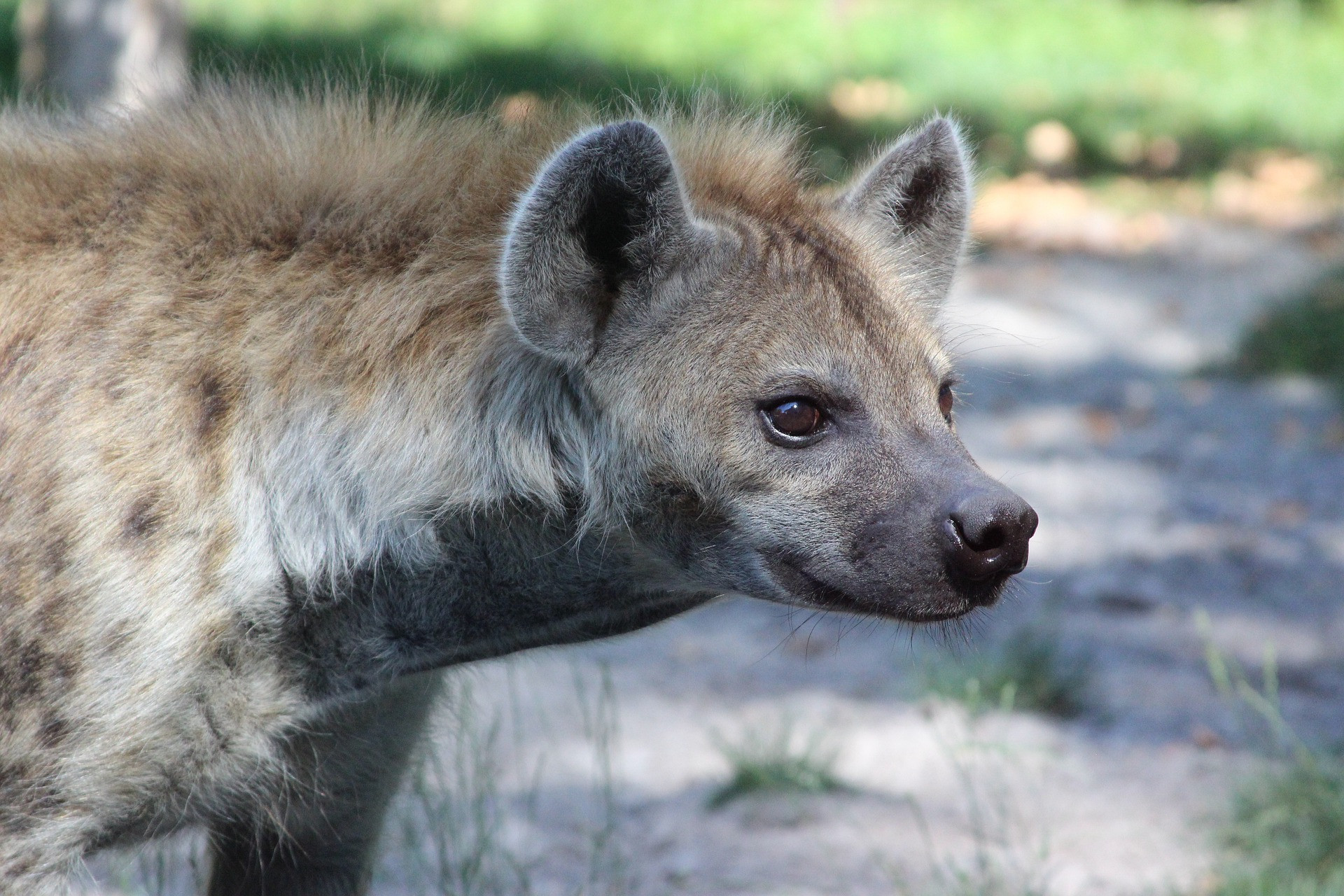
Hyena
1
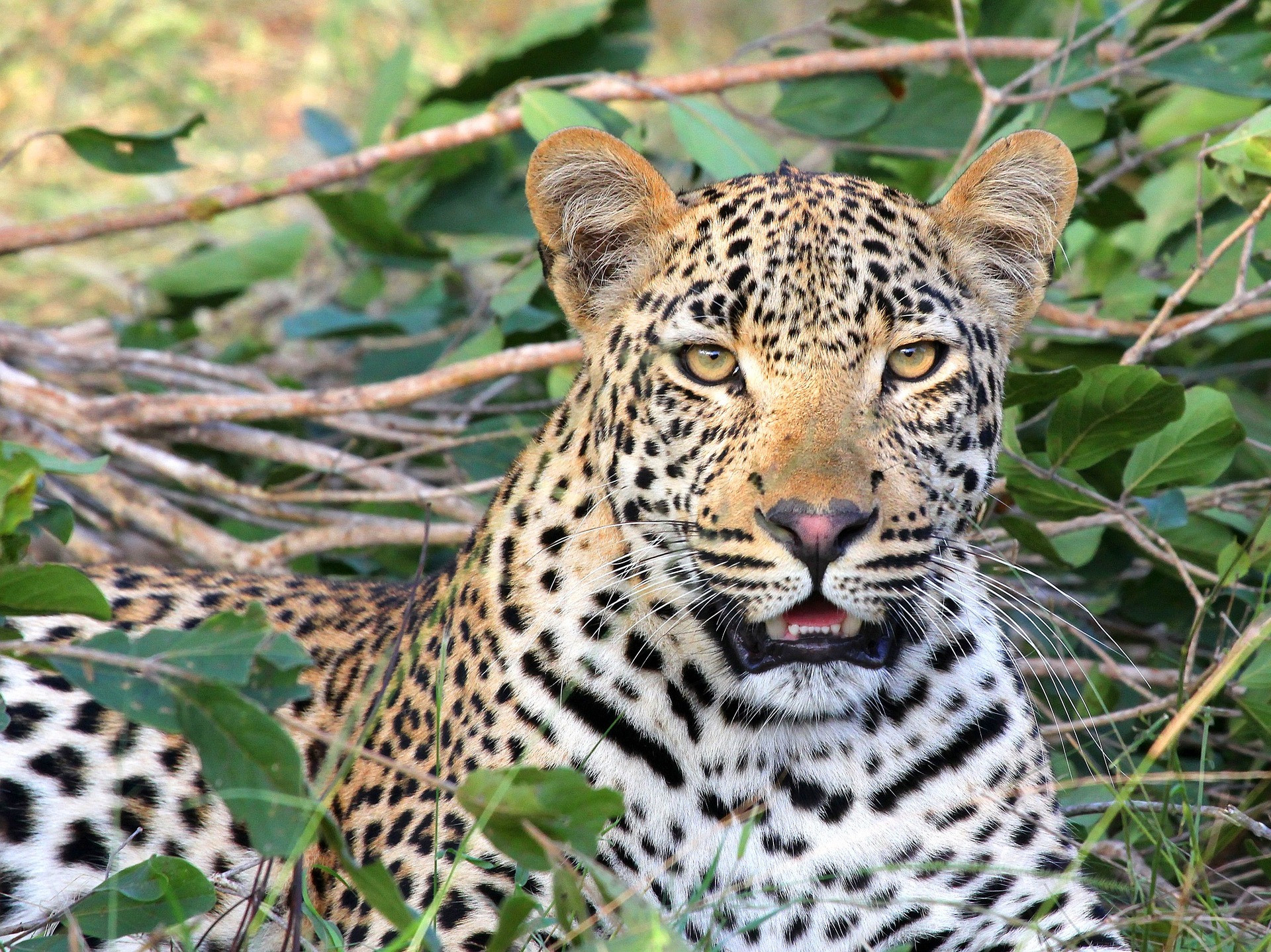
Leopard
1
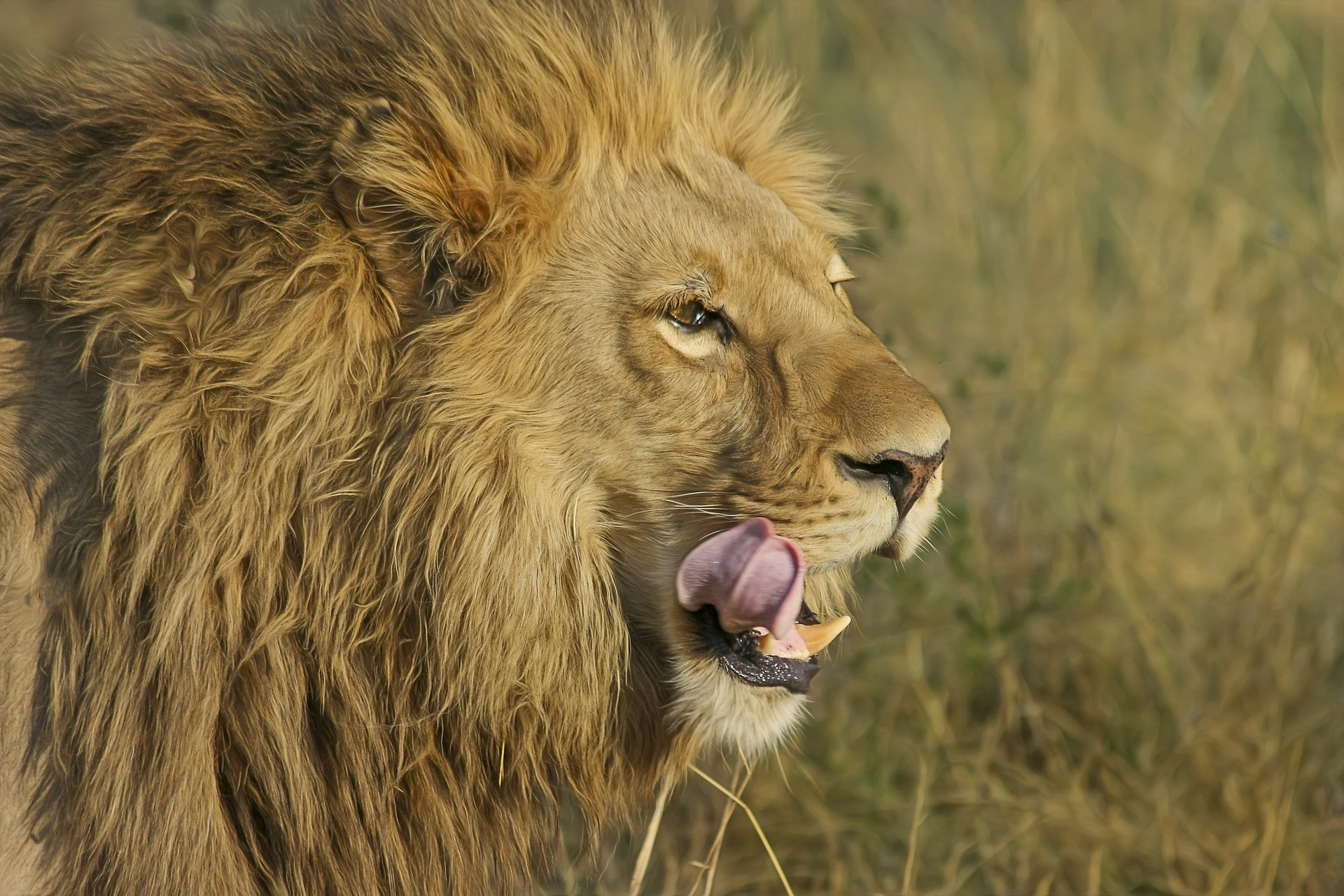
Lion
1
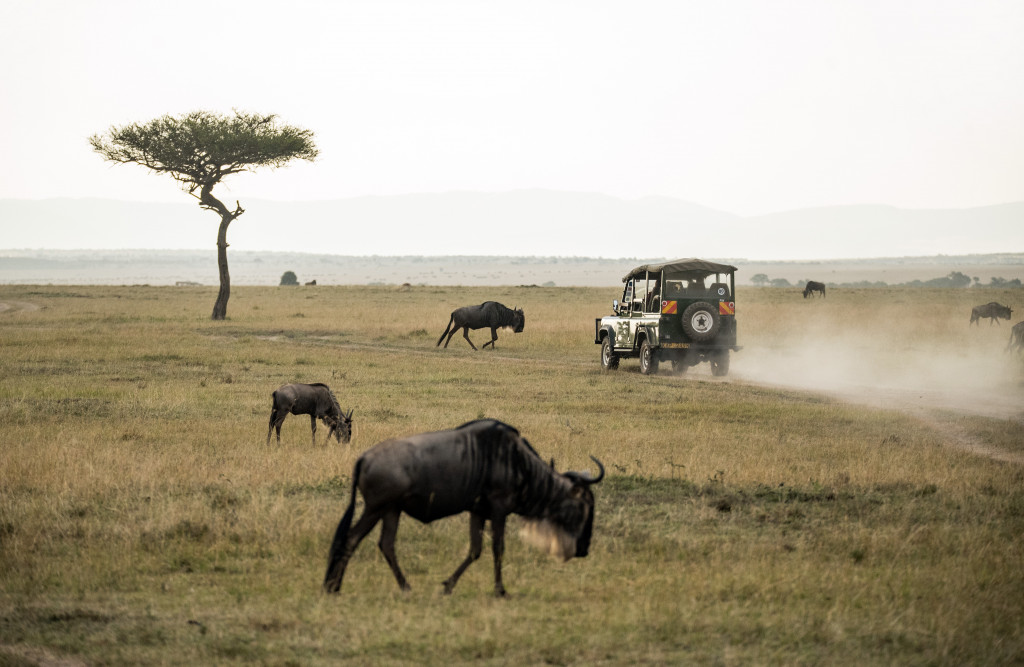
Wildebeest
3
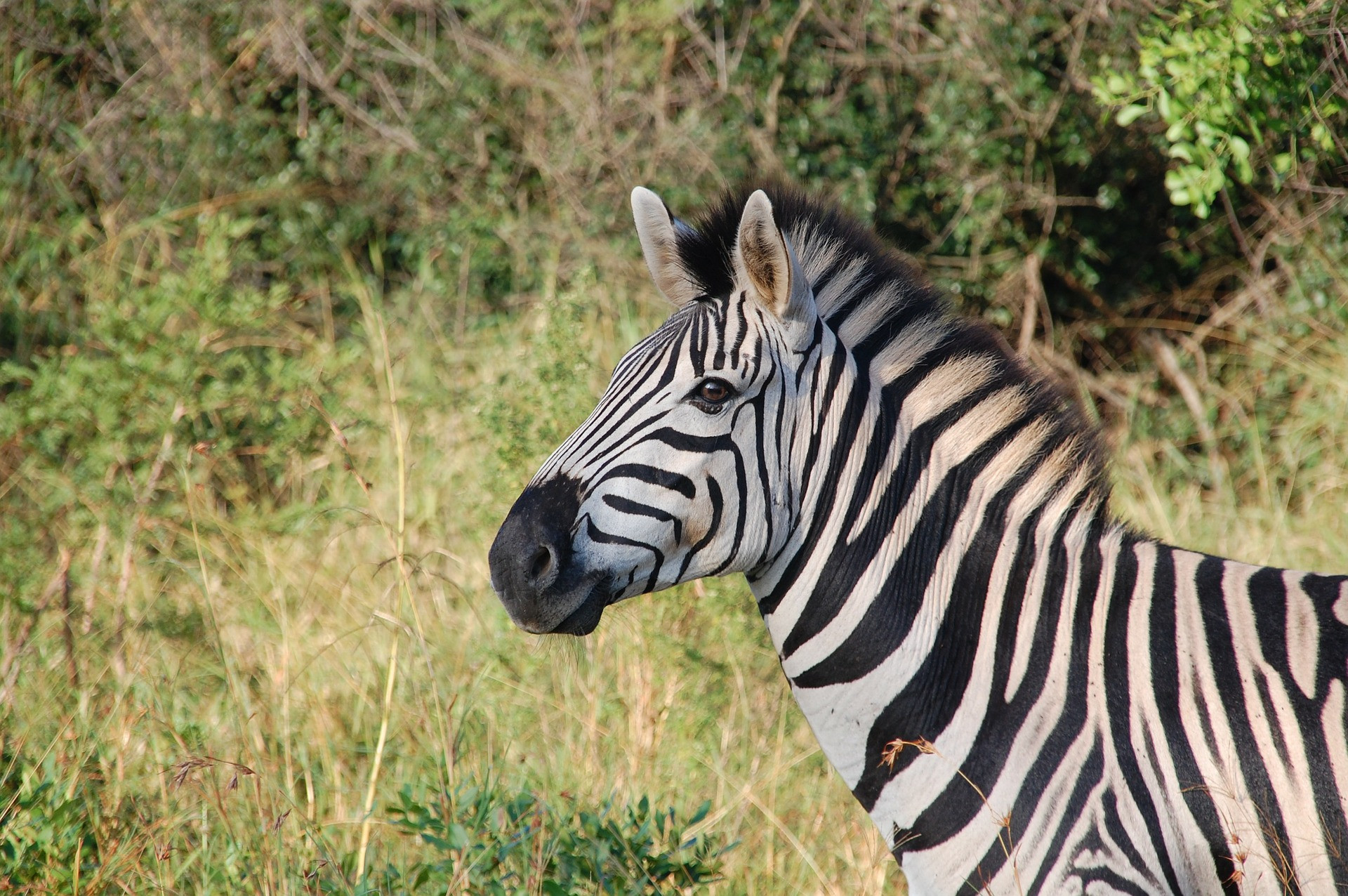
Zebra
3
Own this park or reserve?
Claim it to update its details and photos, add what you offer, reply to travellers and promote it on Wapota. It’s free.
Claim this listing →