
About
Maramagambo Forest, one of East Africa's largest natural tropical rainforests, is situated in the Bushenyi District of Western Uganda, forming an integral part of the expansive Queen Elizabeth National Park. Spanning approximately 750 square kilometers, the forest stretches from the Kichwamba escarpment to the shores of Lake Edward and is bordered by two distinct crater lakes, Lake Nyamasingiri and Lake Kyasanduka. Located just a few kilometers south of the equator, the forest experiences a hot and humid climate year-round, fostering a dense ecosystem connected to the Great Rift Valley. Its name, "Maramagambo," originates from a local folk tale where young people, lost for days within its depths, returned to their village so exhausted they were rendered speechless, hence "the end of words."
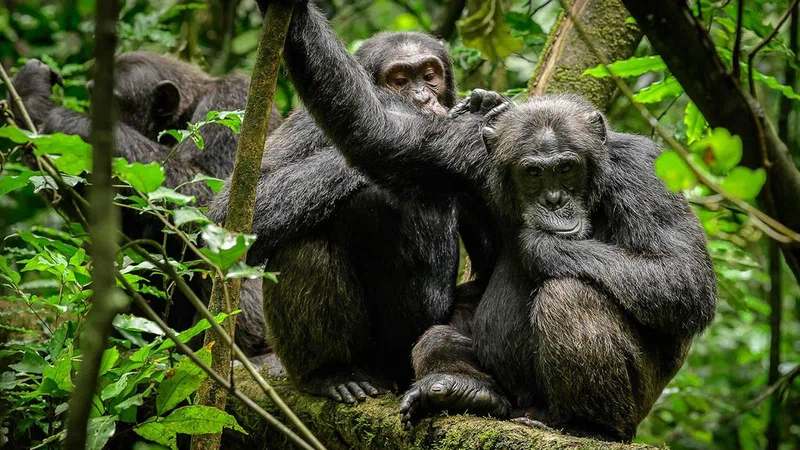
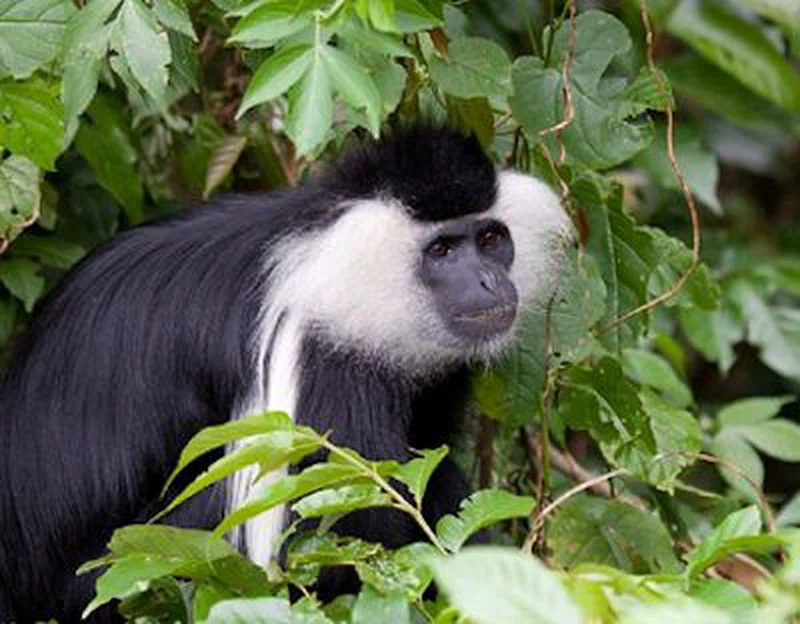
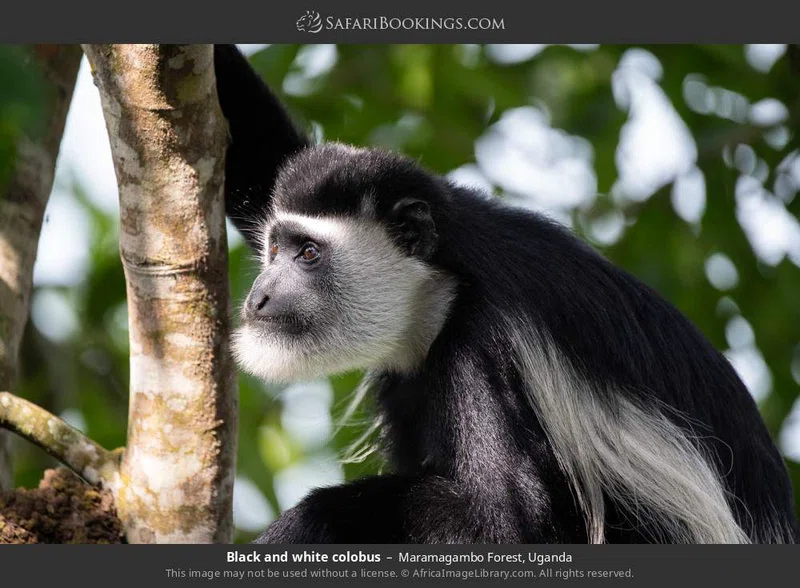
The forest boasts a rich biodiversity, characterized by towering trees, dense canopy shades, and buttress-rooted hardwoods, including species like the frame tree, Uganda ironwood, hissing tree, and dragon tree. It is a haven for over 300 bird species, including the rare Rwenzori Turaco, White Naped Pigeons, and Forest Flycatchers, alongside various raptors and water birds found near the Kajojo River and crater lakes. Maramagambo is also home to a significant population of primates, such as chimpanzees, black and white colobus monkeys, red-tailed monkeys, L'Hoest's monkeys, blue monkeys, olive baboons, vervet monkeys, and nocturnal pottos and bushbabies. Larger mammals like elephants and lions traverse the forest, which also provides a corridor for forest elephants migrating from the Virunga in DR Congo. Unique inhabitants include the rare Bates's pygmy antelope and African rock pythons, known to feed on the forest's vast bat colonies.
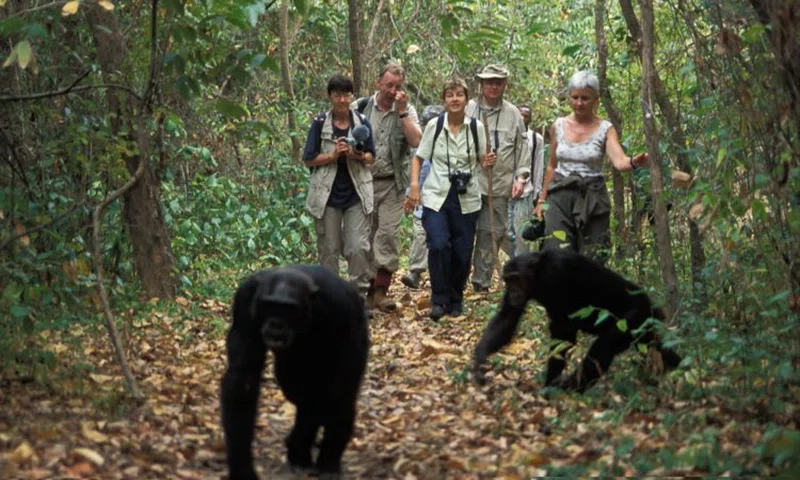
Visitors to Maramagambo Forest can engage in a variety of activities, primarily guided nature walks and hiking along several trails, including the River Trail, Palm Forest Trail, Waterfall Trail leading to Kilyantama Falls, and the Valley Trail. These walks offer opportunities for primate and bird watching, as well as exploring the forest's diverse flora. A notable attraction is the Bat Cave, which houses millions of bats and pythons. Following incidents of Marburg virus transmission in 1987 and 2008, a safe viewing platform was constructed, allowing visitors to observe the bats and pythons without direct contact. Kayaking on Lake Kyasanduka provides a unique perspective of the forest's serene blue crater lakes. Cultural encounters are also possible through village walks, offering insights into local life, traditional farming, and the practices of traditional healers.
Own this park or reserve?
Claim it to update its details and photos, add what you offer, reply to travellers and promote it on Wapota. It’s free.
Claim this listing →