
About
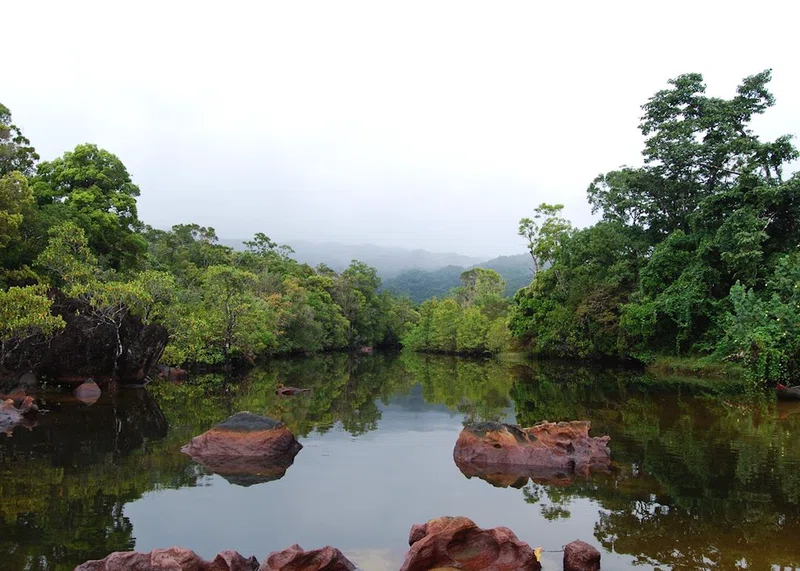
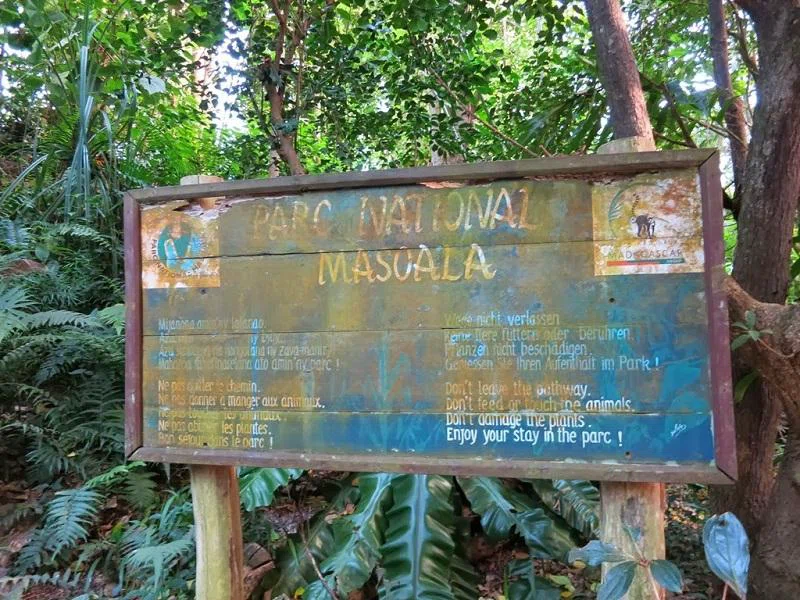
Masoala National Park, located on the Masoala peninsula in northeastern Madagascar, is the largest protected area on the island, established in 1997. Encompassing 2,300 square kilometers of rainforest and 100 square kilometers of marine park, it forms part of a larger protected complex with the Nosy Mangabe Special Reserve, totaling 240,520 hectares. This unique geographical setting is characterized by primary forests that descend from over 1,300 meters directly to the sea, a rare phenomenon in Madagascar. The park's diverse terrain includes tropical rainforest, coastal forest, flooded forest, marsh, and mangrove ecosystems, alongside sandy bays, rocky shores, and extensive coral reefs within its three marine parks: Tampolo, Ambodilaitry, and Ifaho.
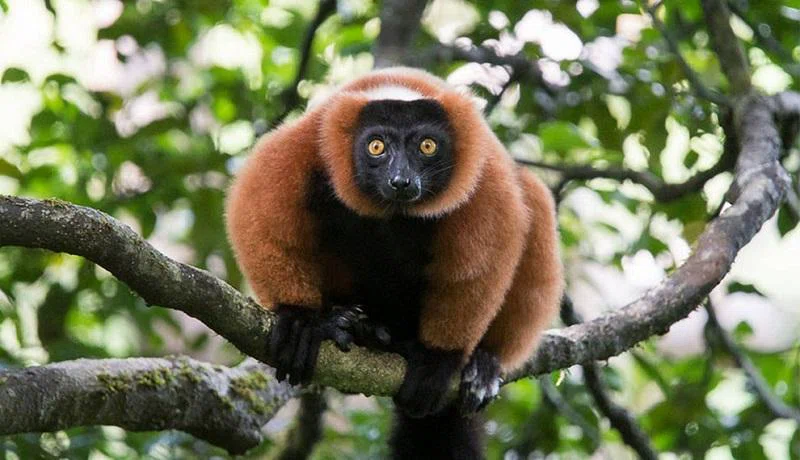
The park is a global biodiversity hotspot, estimated to harbor 50% of Madagascar's plant species and over half of its mammals, birds, amphibians, and reptiles, despite its relatively small land area. Among its ten lemur species are the endemic red ruffed lemur and the elusive nocturnal aye-aye, often sighted in the Nosy Mangabe Special Reserve. Other notable inhabitants include the critically endangered Madagascar serpent-eagle, the rare Madagascar red owl, vibrant tomato frogs, and a variety of chameleons, including the world's smallest, Brookesia. The marine environments are equally rich, serving as a crucial breeding ground for humpback whales from July to September, and home to southern right whales, dolphins, dugongs, and 41 genera of corals.
Masoala National Park was designated a UNESCO World Heritage Site in 2007 as part of the "Rainforests of the Atsinanana," recognizing its outstanding universal value. The park plays a vital role as a water reserve for the region, supporting local agriculture and providing drinking water. Ecotourism initiatives within the park contribute to the local economy by generating employment opportunities for guides, porters, and artisans. Despite its protected status, Masoala faces ongoing conservation challenges, including illegal logging of precious timber like rosewood and ebony, as well as hunting and poaching of its unique wildlife.
The climate is tropical humid, with significant rainfall throughout the year, though a relatively drier period occurs from September to December. Visitors are advised to avoid the cyclone season, which typically runs from January to March, due to potential disruptions and impassable roads. Access to the park is primarily by boat from Maroantsetra or by 4x4 from Antalaha, with the park office in Maroantsetra serving as the main point for permits and guide arrangements.
Safari Tours


Own this park or reserve?
Claim it to update its details and photos, add what you offer, reply to travellers and promote it on Wapota. It’s free.
Claim this listing →