
About
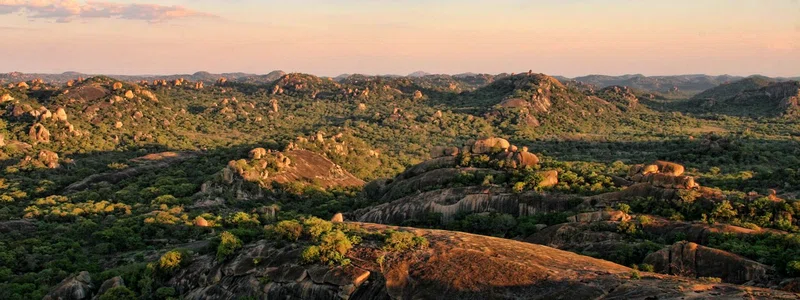
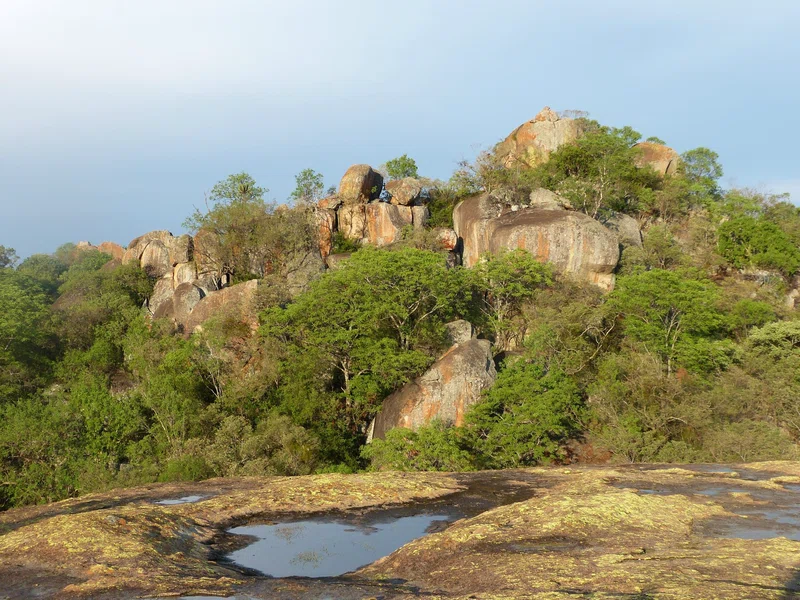
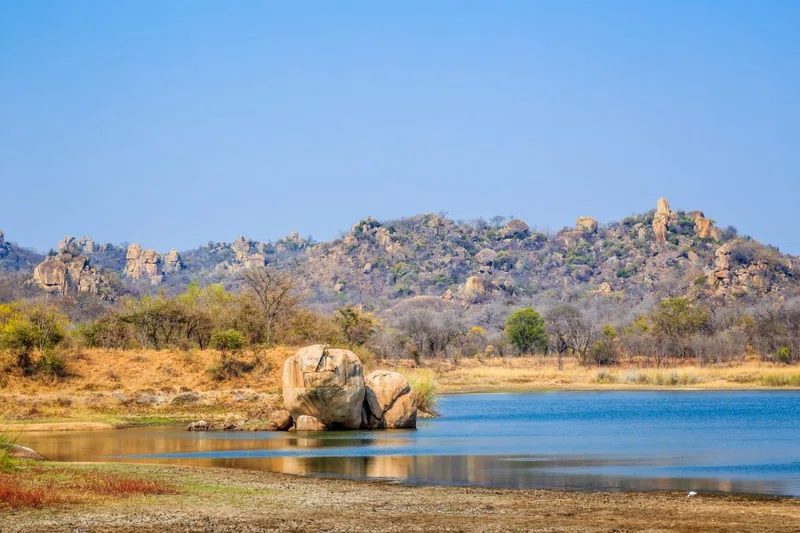
Matobo Hills, also known as Matopos Hills, is a distinctive cultural landscape and national park located approximately 35 kilometers south of Bulawayo in southwestern Zimbabwe. This ancient, rocky terrain, formed over two billion years ago by the erosion of a granite plateau, spans an area of about 3,100 square kilometers, with the Matobo National Park covering 424 square kilometers. The landscape is characterized by unique granite formations, including smooth "whaleback dwalas" and balancing "kopjes" like the famous "Mother and Child Kopje," interspersed with wooded valleys and river systems such as the Thuli, Mtshelele, Maleme, and Mpopoma. The hills are well-watered by tributaries of the Limpopo River, supporting diverse vegetation ranging from lichens on hilltops to luxuriant growth in valley swamps, with over 200 tree species, numerous aloes, wild herbs, and over 100 grass species.
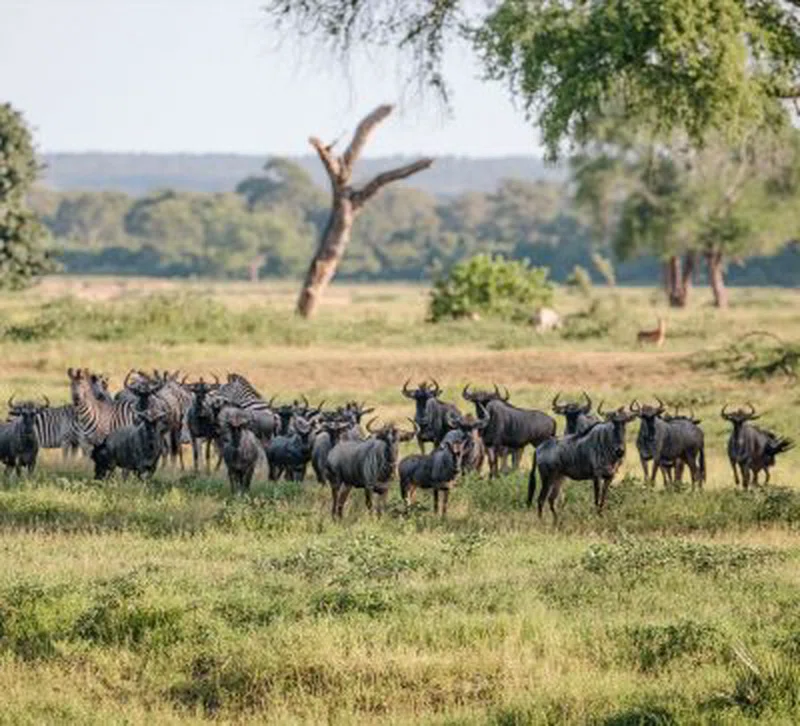
The Matobo National Park is a vital conservation area, designated as an Intensive Protection Zone for its significant populations of black and white rhinos. It boasts a rich array of wildlife, including sable antelopes, impala, hyenas, hippopotami, giraffes, zebras, wildebeests, and ostriches. Notably, the park is home to the world's densest population of leopards, sustained by an abundance of rock hyrax, which constitute a large portion of their diet. Birdlife is also prolific, with 175 species recorded, including the world's highest concentration of black eagles and their breeding pairs. Activities available to visitors include game drives, hiking, horse trail riding, fishing, and boating on the park's dams.
Beyond its natural beauty and wildlife, Matobo Hills holds profound historical and cultural significance, earning its designation as a UNESCO World Heritage Site in 2003. The hills have been inhabited for at least 100,000 years, with evidence of human presence dating back to the Pre-Middle Stone Age. They are renowned for one of the highest concentrations of prehistoric rock paintings in Southern Africa, with over 3,000 registered sites left by the San (Bushmen) people, depicting animals, human figures, and geometric symbols. These sites, such as Bambata, Inanke, Nswatugi, and Pomongwe Caves, offer invaluable insights into ancient hunter-gatherer and later Iron Age farmer cultures. The Matobo Hills are also sacred to the Shona and Ndebele people, serving as a focus for local community shrines and religious rituals, including rainmaking ceremonies. The area was historically the headquarters of the spiritualist oracle, the Mlimo, and was the site of the 1896 indaba between white settlers and Ndebele leaders. The summit of Malindidzimu, known as "World's View," is the burial place of Cecil Rhodes, Leander Starr Jameson, and others, while King Mzilikazi is also said to be buried within the hills.
Wildlife & Birds
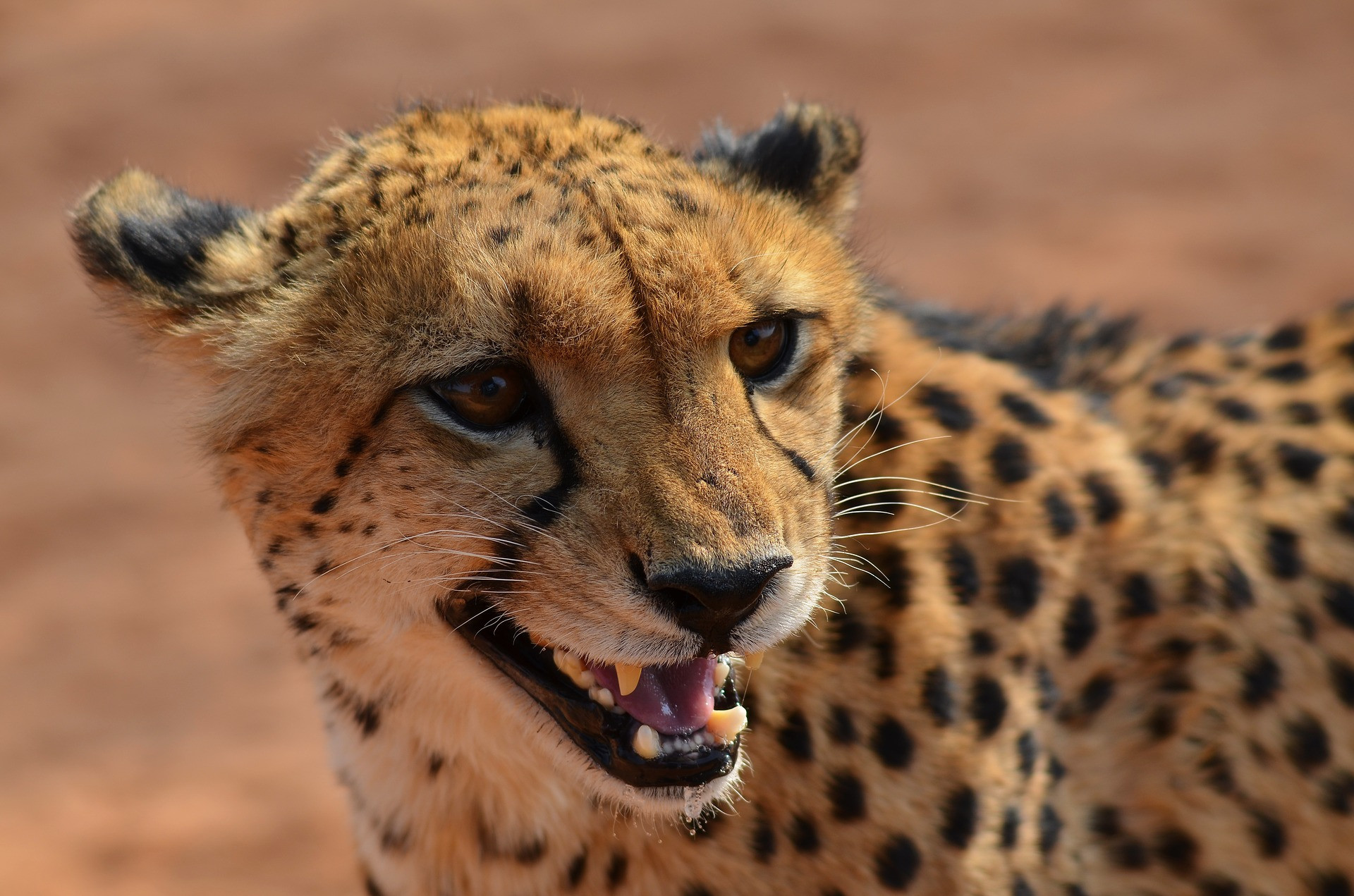
Cheetah
1
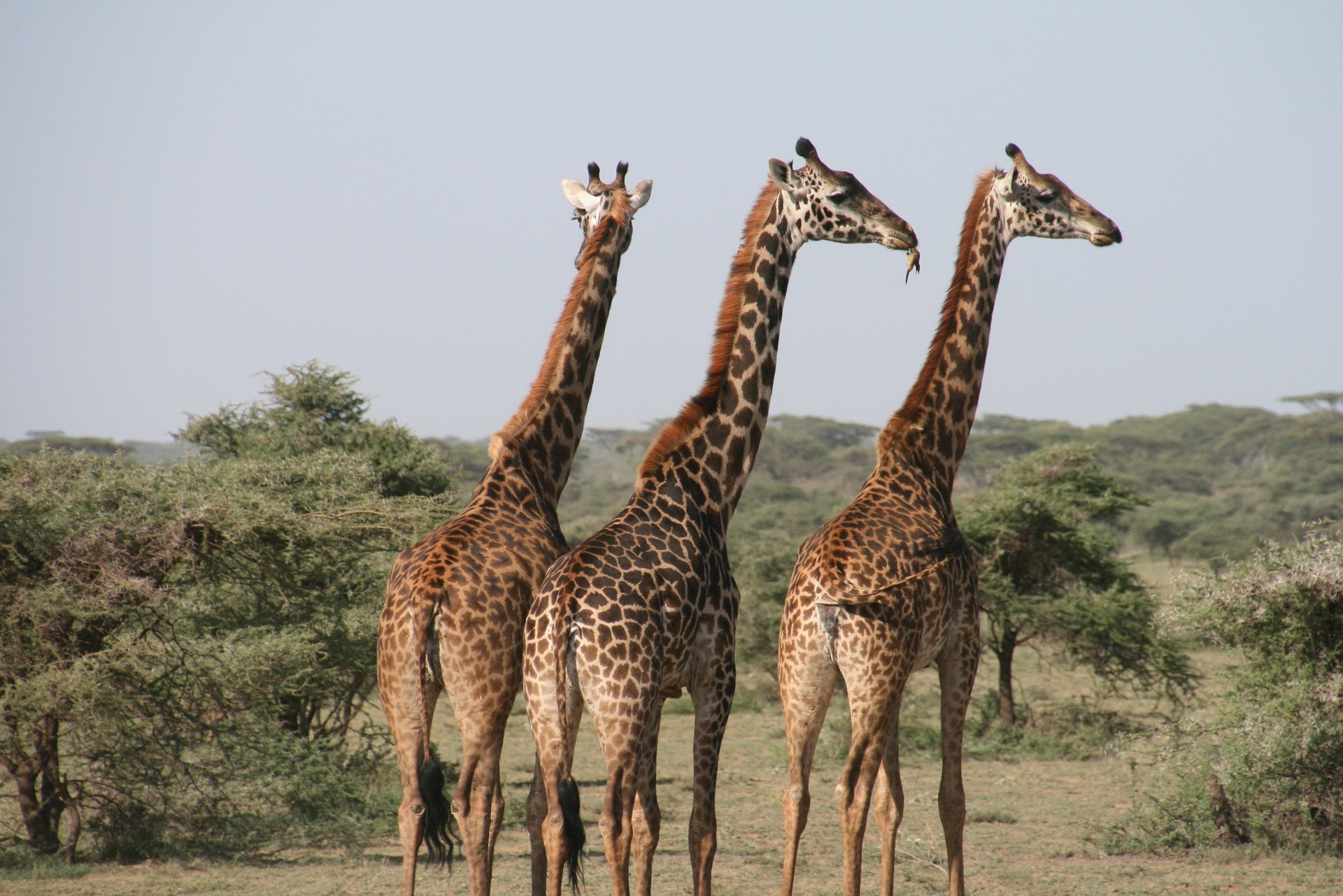
Giraffe
0Hippo
0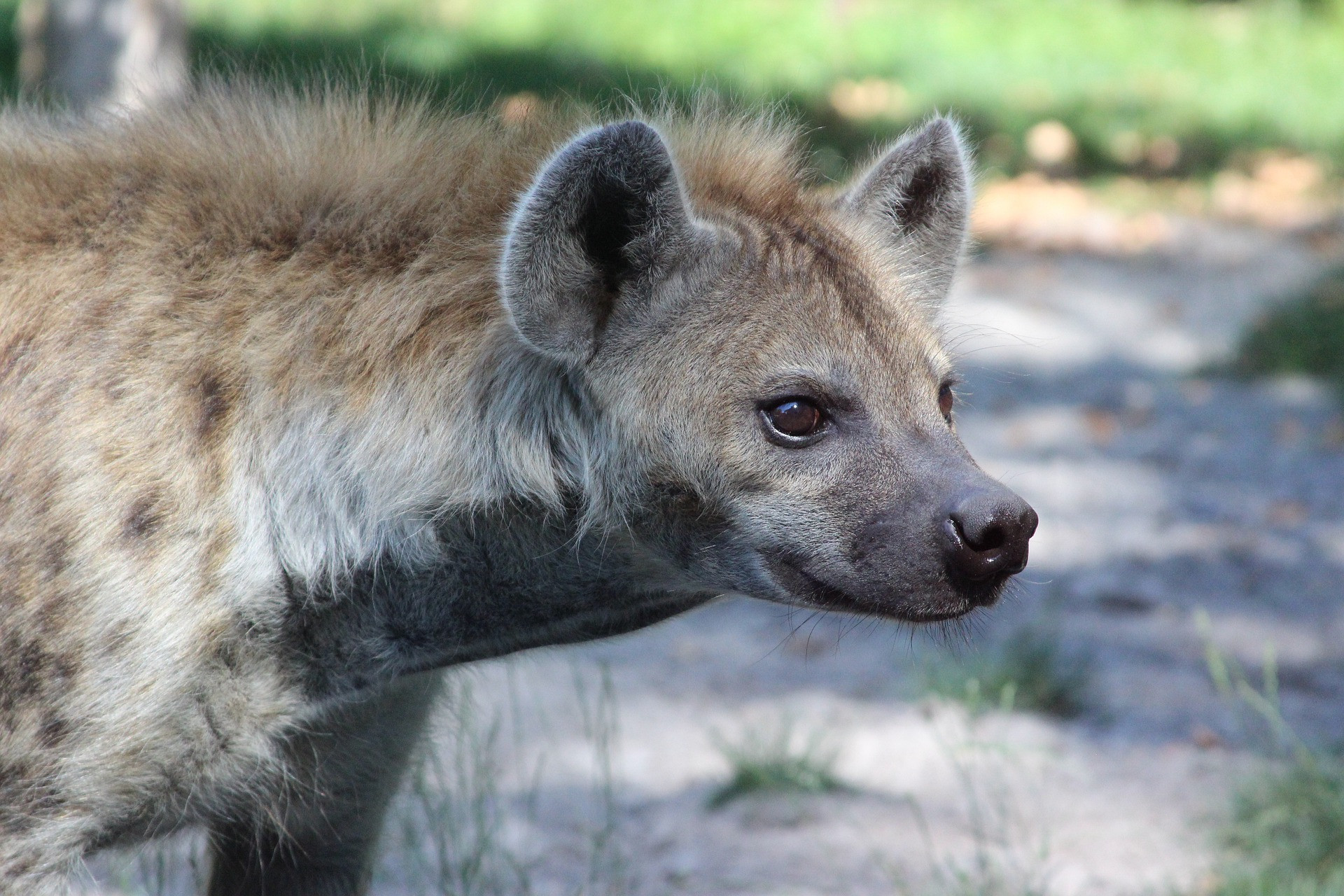
Hyena
0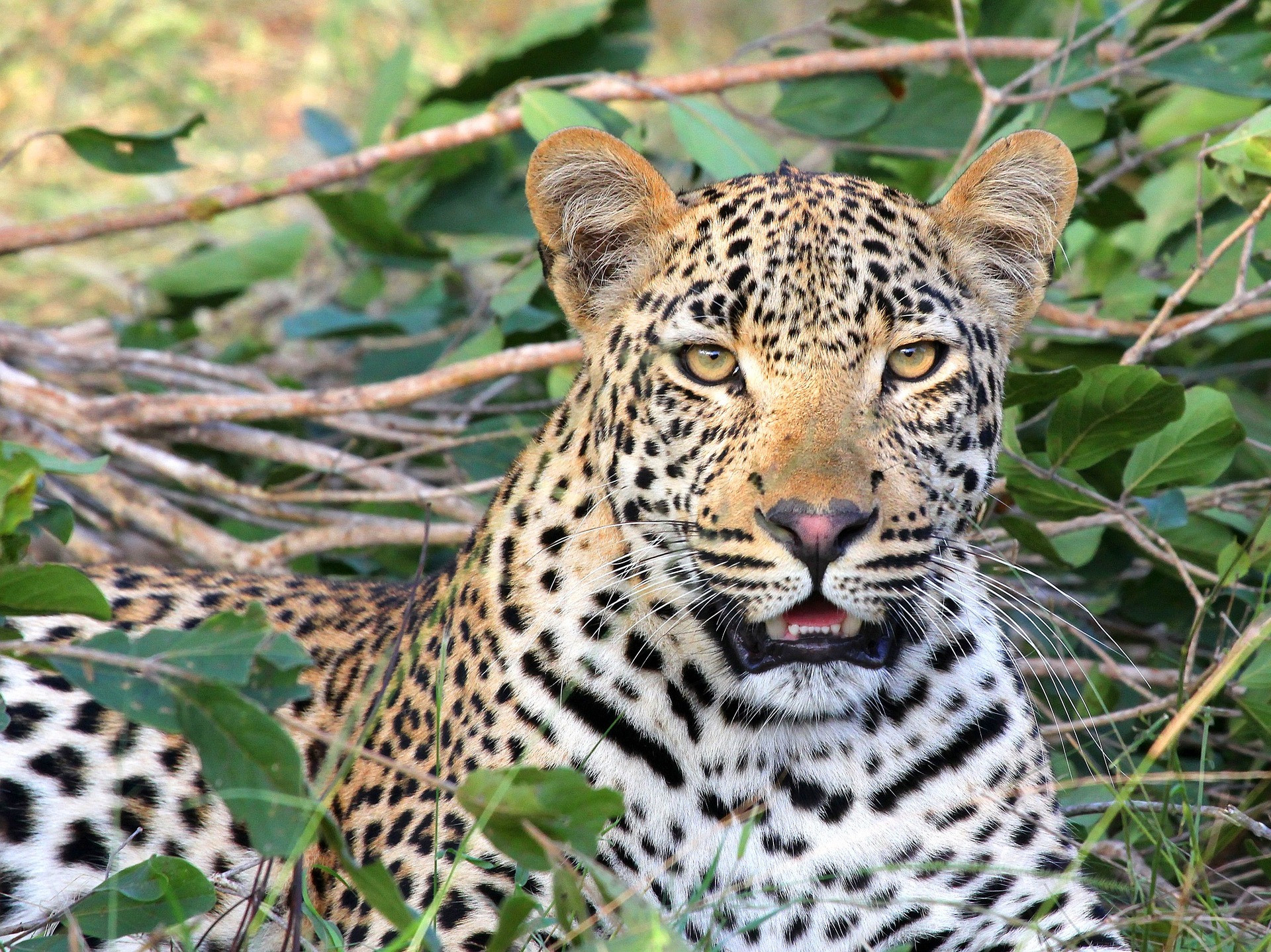
Leopard
0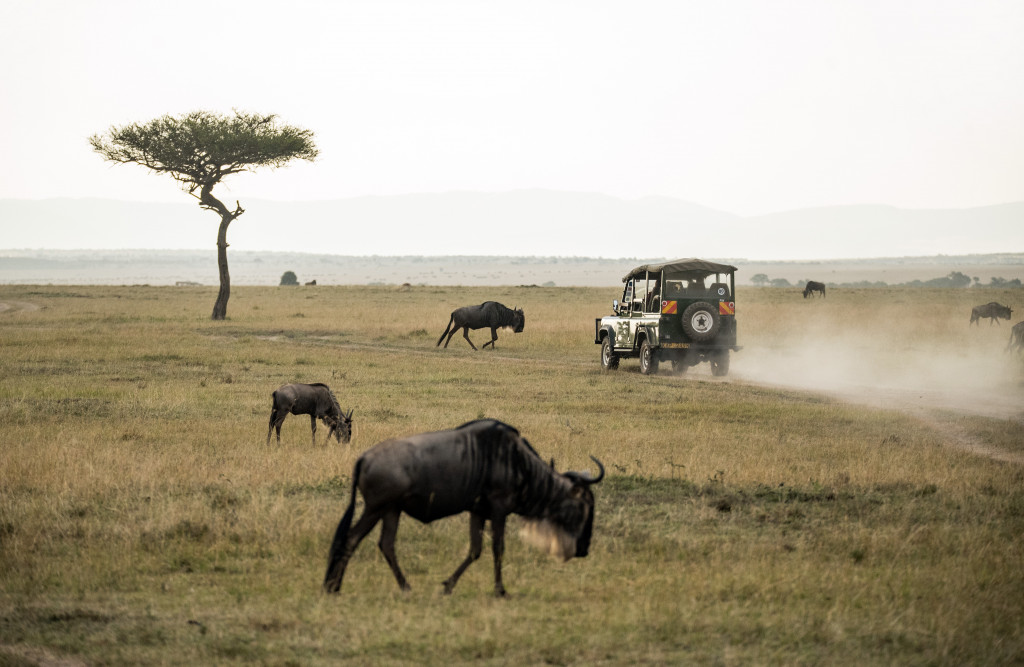
Wildebeest
0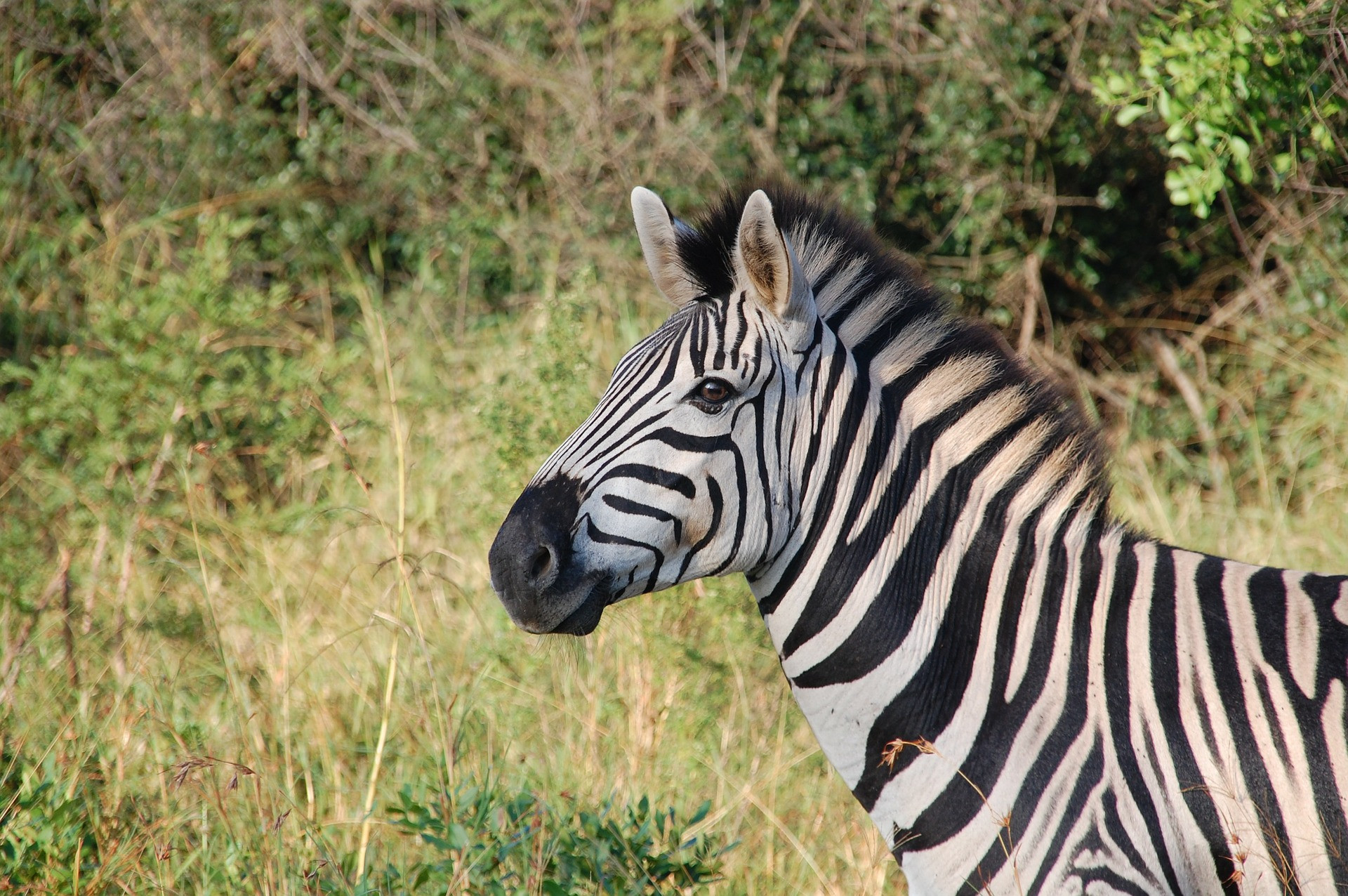
Zebra
0Augur Buzzard
3
Black-collared Barbet
3
Black-shouldered Kite
3
Coqui Francolin
3
Mocking Cliff Chat
3
White Rhino
2
Black Rhino
1
Own this park or reserve?
Claim it to update its details and photos, add what you offer, reply to travellers and promote it on Wapota. It’s free.
Claim this listing →