
About
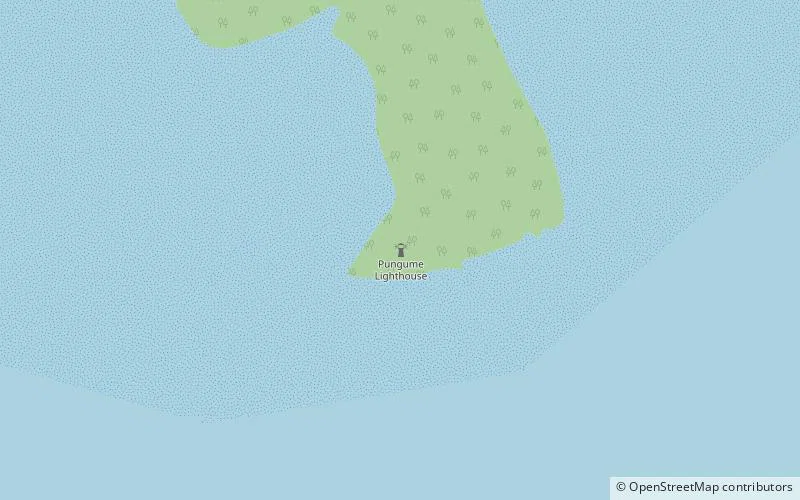
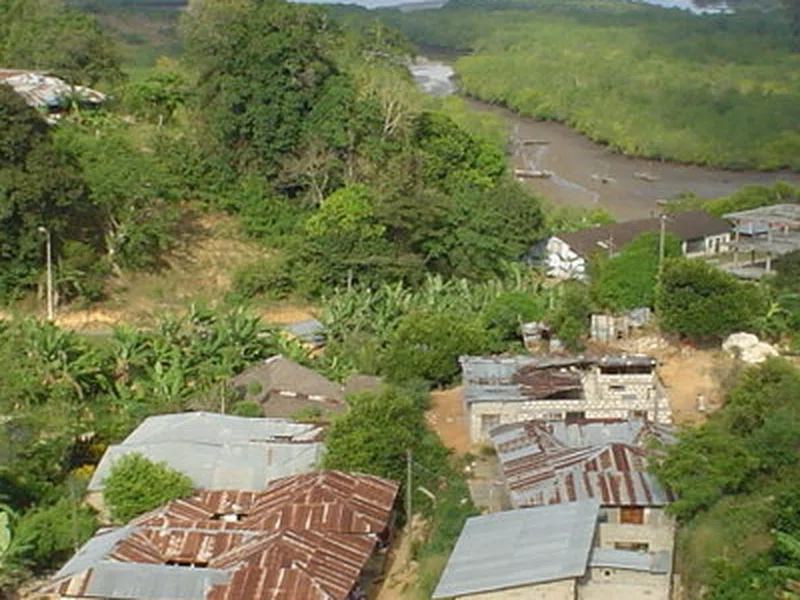
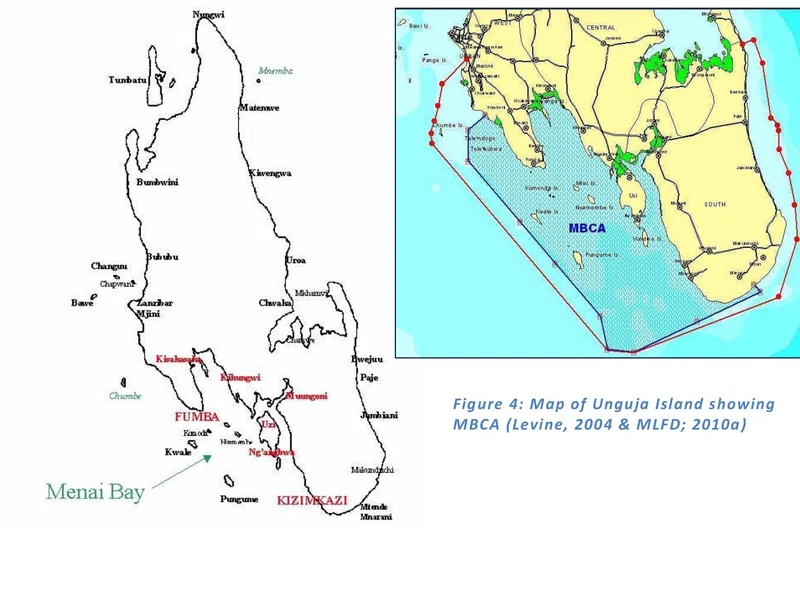
The Menai Bay Conservation Area (MBCA) is Zanzibar's largest marine protected area, encompassing 470 square kilometers (180 sq mi) off the southwest coast of Unguja Island, Tanzania, in the Western Indian Ocean. Established in August 1997, the MBCA is located approximately 12 kilometers from Stone Town and is classified by the IUCN as a Category VI protected area, signifying sustainable use of natural resources. Its diverse marine environment features extensive fringing coral reefs, vast seagrass beds, and significant mangrove forests, including the second-largest mangrove stand on Unguja Island. The area is characterized by shallow waters, typically less than 50 meters deep, and includes several small islands and peninsulas such as Ukombe, Kwale, Sume, Miwi, Niamembe, and Pungume Islands, some of which are inhabited.
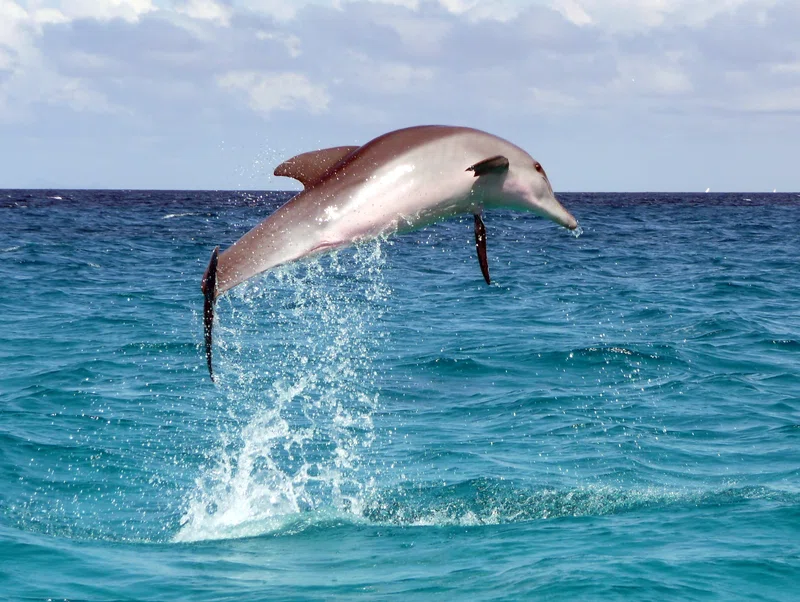
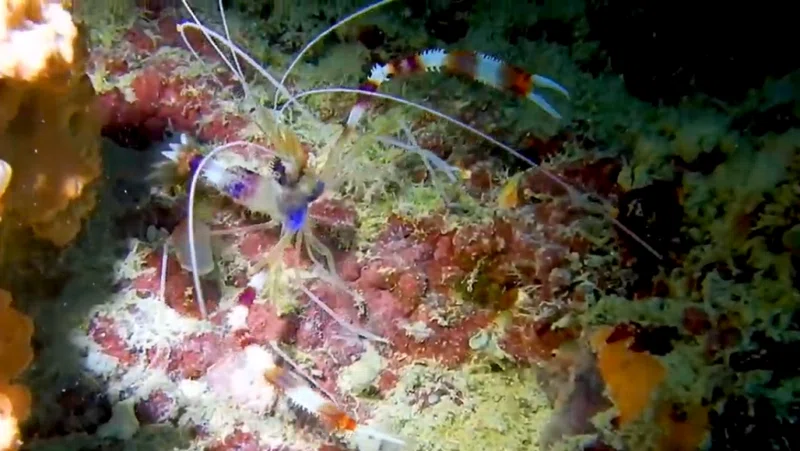
The MBCA is a critical habitat for a rich array of marine life. It is home to resident populations of both Indo-Pacific bottlenose dolphins and the endangered Indian Ocean humpback dolphins, with whales visiting during their migration season from July to September. Green and Hawksbill sea turtles frequent the bay for nesting, and numerous seabirds stop at its small islands during migration. The diverse ecosystems support a wealth of tropical fish species, octopus, and shellfish. The mangrove forests alone host at least seven species of mangroves and 70 associated plant species, providing essential breeding, nursery, and feeding grounds for many marine organisms.
Conservation efforts within the MBCA are rooted in traditional fisheries management and involve a participatory approach with 19 local villages and the Department of Fisheries and Marine Resources (DFMR) of Tanzania. The area was created to combat overfishing and destructive fishing practices like dynamite fishing and kigumi fishing, which involved breaking corals. While traditional fishing, octopus and shellfish collection, and seaweed farming remain important economic activities for local communities, the MBCA has also become a major tourist destination. Visitors can engage in dolphin watching, snorkeling, diving, canoe trips, and mangrove walks. The revenue generated from permits for non-resident fishers and tourists is reinvested into the area's management and community development. Despite these efforts, the Indian Ocean humpback dolphin population has seen a significant decline, highlighting ongoing challenges from bycatch and unregulated tourism activities.
Safari Tours
Own this park or reserve?
Claim it to update its details and photos, add what you offer, reply to travellers and promote it on Wapota. It’s free.
Claim this listing →