
About
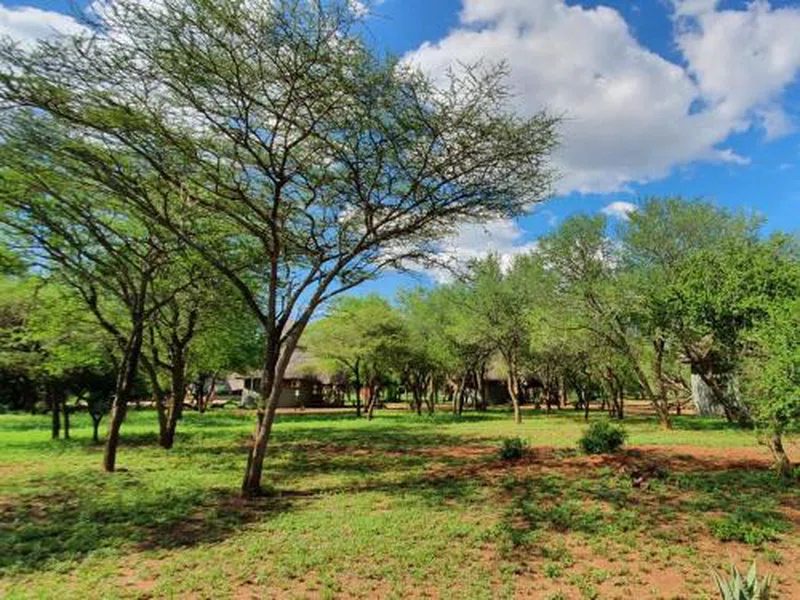
Mkhaya Game Reserve, located in the lowveld of southeastern Eswatini (formerly Swaziland) between Manzini and Big Bend, is a private and exclusive safari retreat. Established in 1979, the reserve initially aimed to conserve the indigenous Nguni cattle, which were facing extinction. Over time, its mission expanded to become a vital sanctuary for numerous endangered species, earning it the moniker "Eswatini's Refuge for Endangered Species." The reserve spans approximately 100 square kilometers and sits at an altitude of 200 to 355 meters above sea level. Its diverse terrain features acacia-dominated thornveld in the south, broadleaf sandveld in the north, and riverine forests along its dry riverbeds, all dotted with natural waterholes. The reserve is named after the knobthorn tree, known as 'mkhaya' in siSwati, a valuable hardwood used in traditional Swazi building.
Mkhaya is home to Eswatini's only populations of buffalo, sable antelope, tsessebe, and Livingstone's eland. It also boasts significant populations of black and white rhinos, giraffe, roan antelope, hippo, crocodile, kudu, waterbuck, nyala, zebra, wildebeest, impala, warthog, and various smaller mammals. While leopards and spotted hyenas are present, they are more elusive. The birdlife is exceptional, with species such as Narina trogon, purple-crested turaco, pink-throated twinspot, and crested guineafowl frequently sighted. All travel within the reserve is guided, offering intimate encounters with wildlife through open Land Rover game drives and thrilling walking safaris, including the unique opportunity to track rhinos on foot.
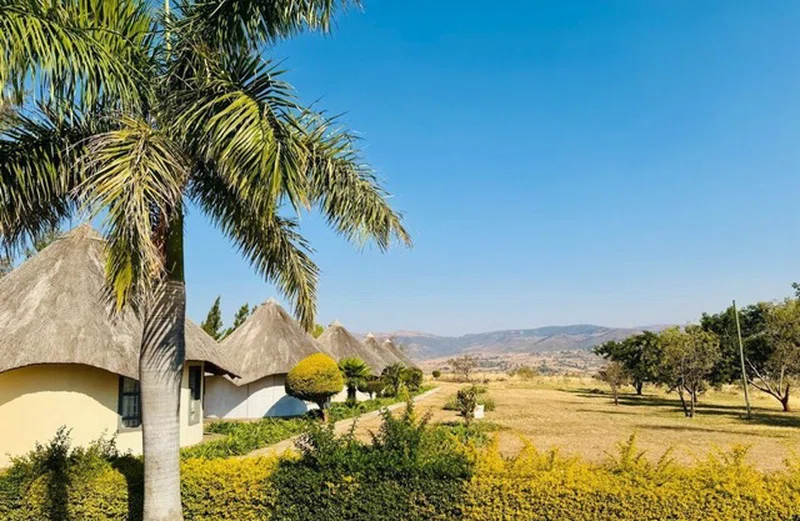
Accommodation at Mkhaya is primarily at Stone Camp, a unique bush camp nestled along a dry riverbed. The semi-open stone and thatch cottages are designed to immerse guests in nature, featuring half walls and tall thatch roofs. The camp operates without electricity, creating a romantic ambiance with hurricane lamps and candles at night. Meals, often prepared over an open fire, are served around a campfire or under a giant Sausage Tree. Activities are tailored to provide a deep connection with the environment, including day tours and overnight packages. The reserve is entirely staffed and patrolled by local Swazi people and is self-financed through visitor revenues, underscoring its commitment to conservation and community involvement.
Wildlife & Birds
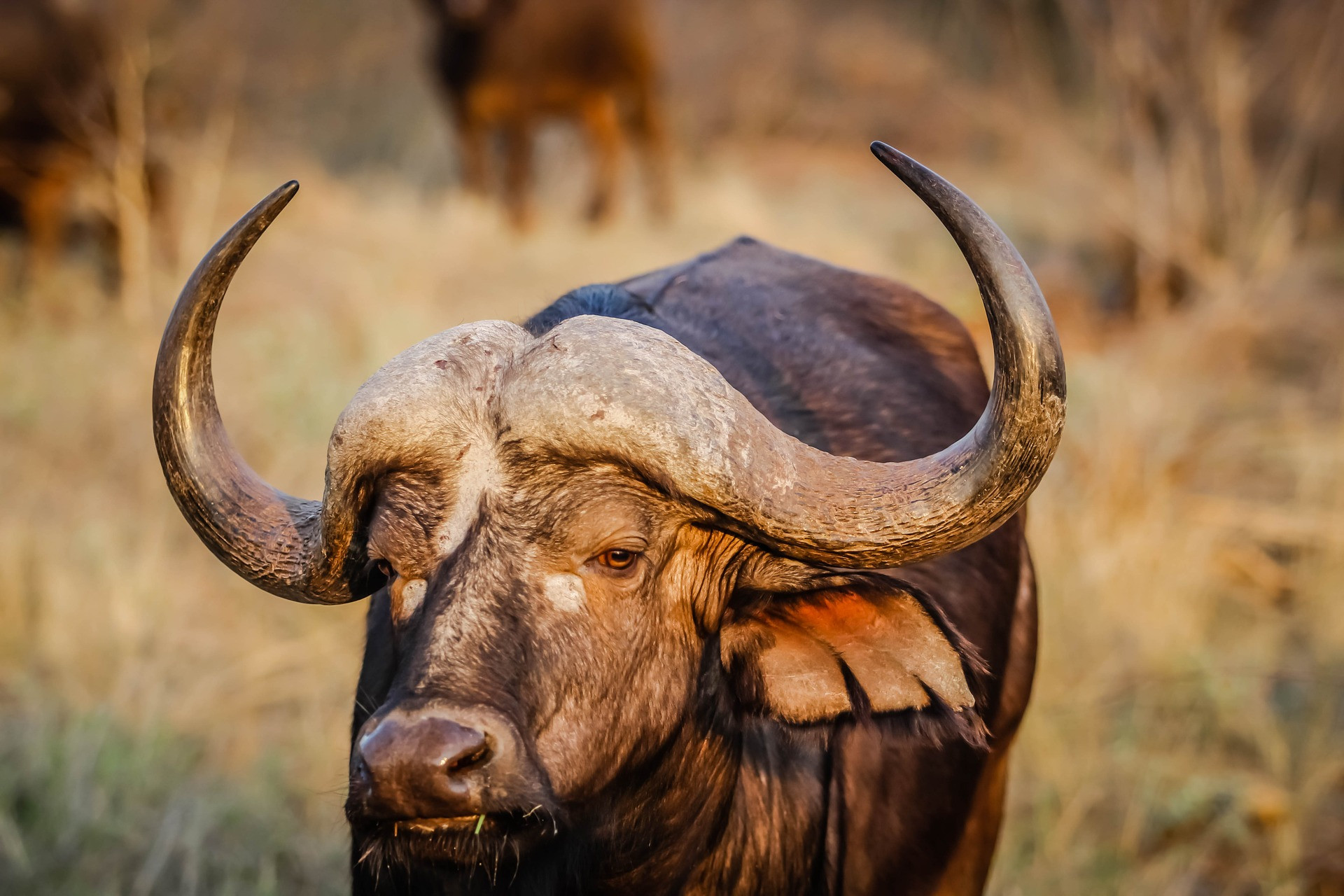
Buffalo
3
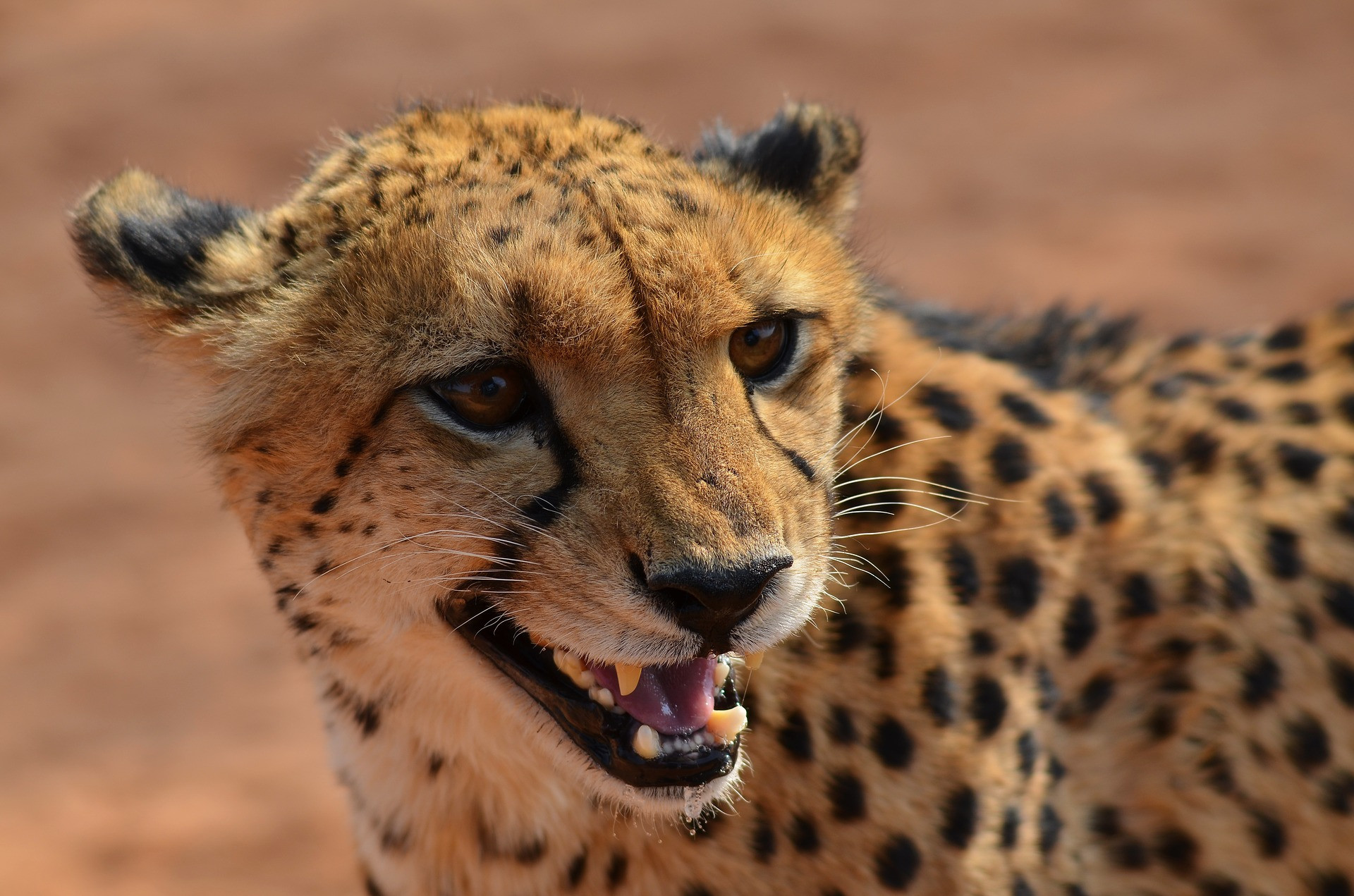
Cheetah
0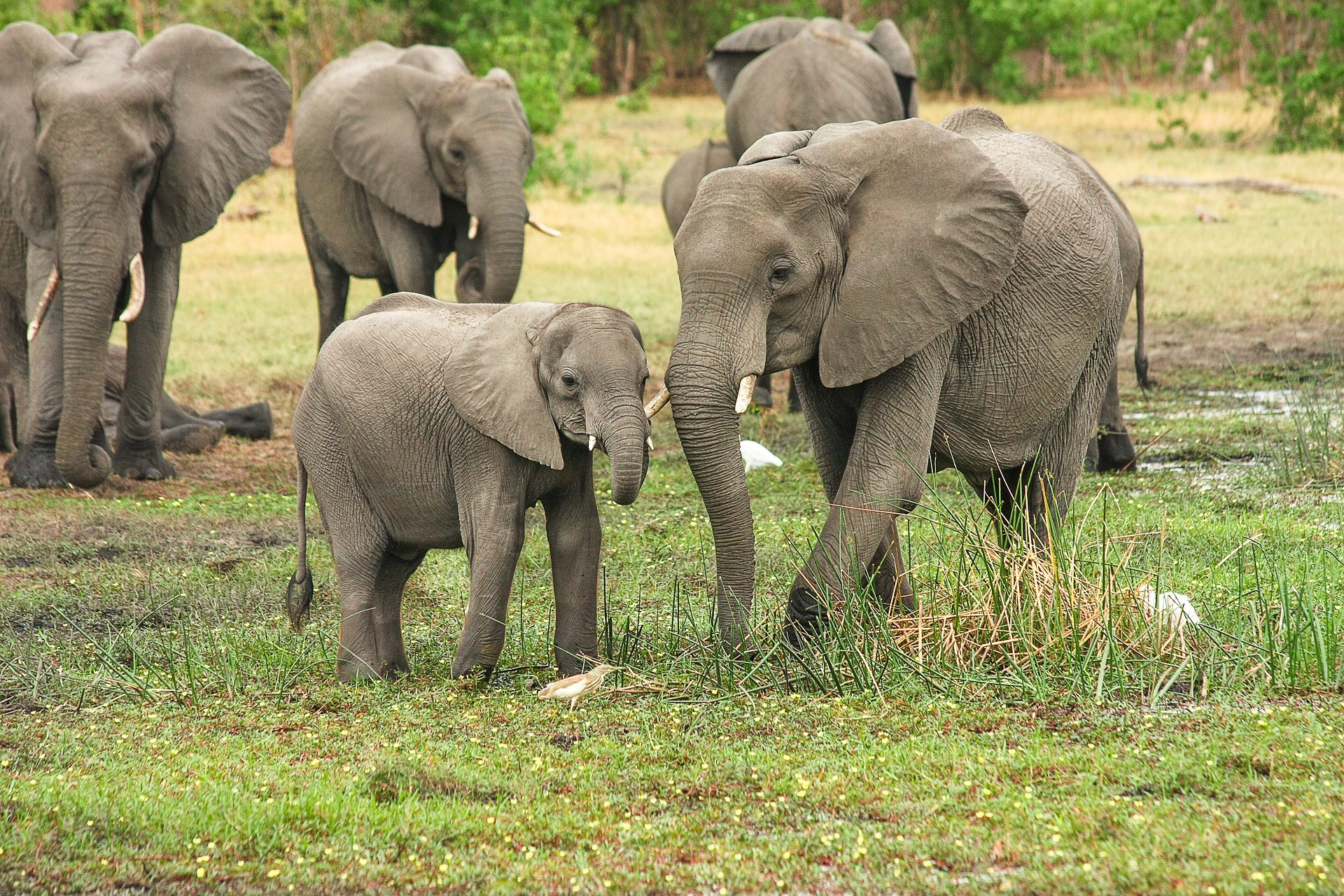
Elephant
3
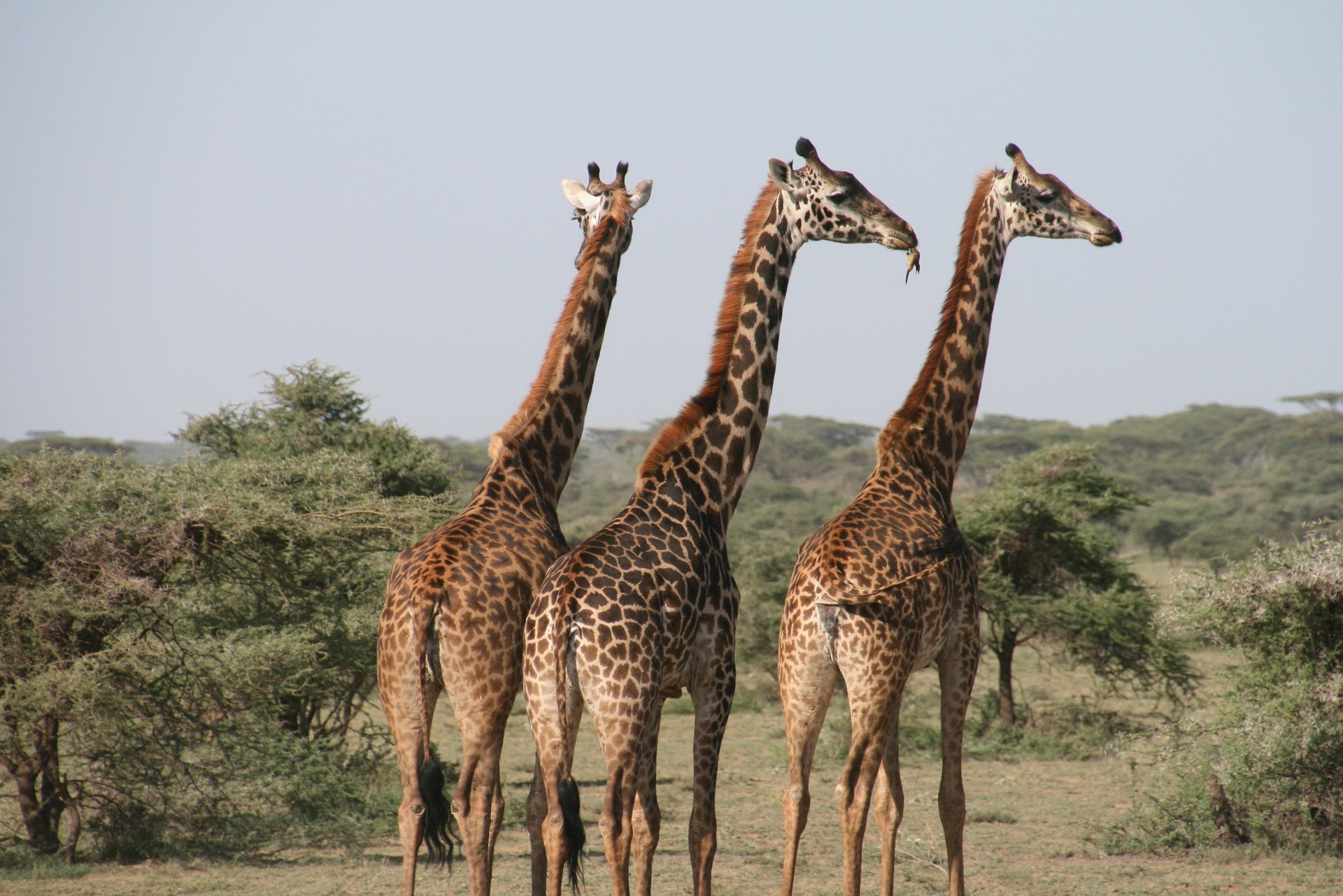
Giraffe
3
Hippo
3
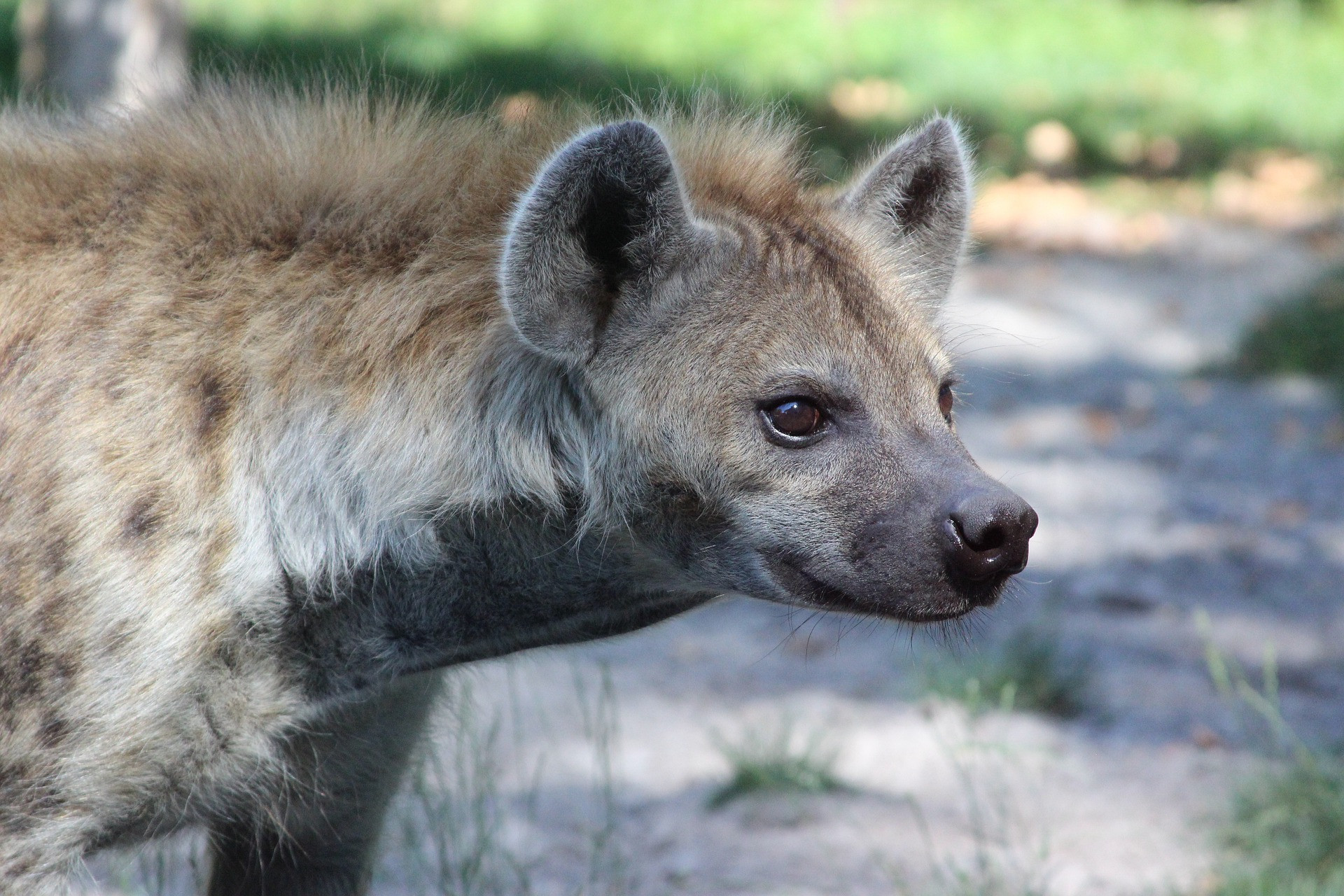
Hyena
1
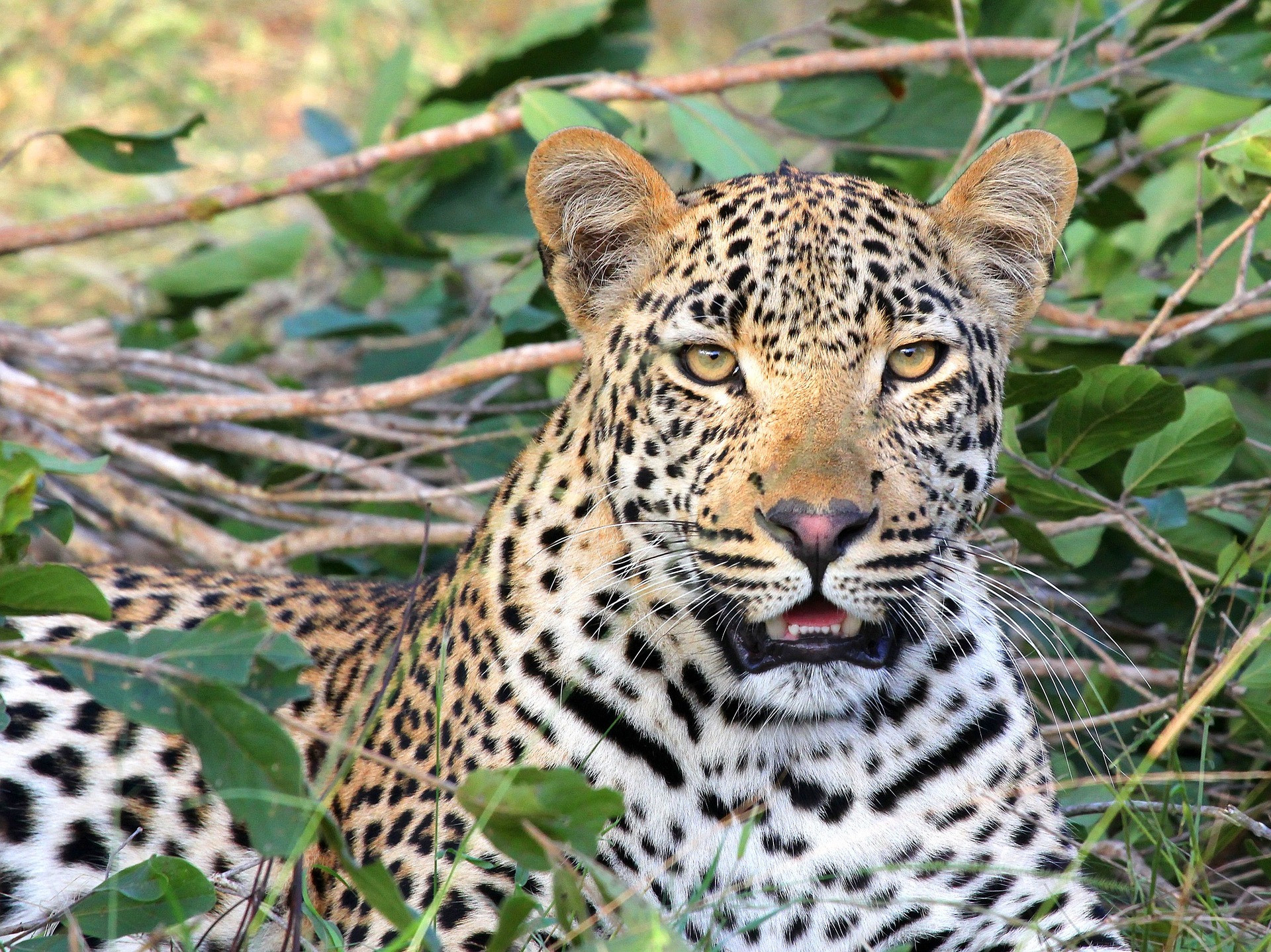
Leopard
1
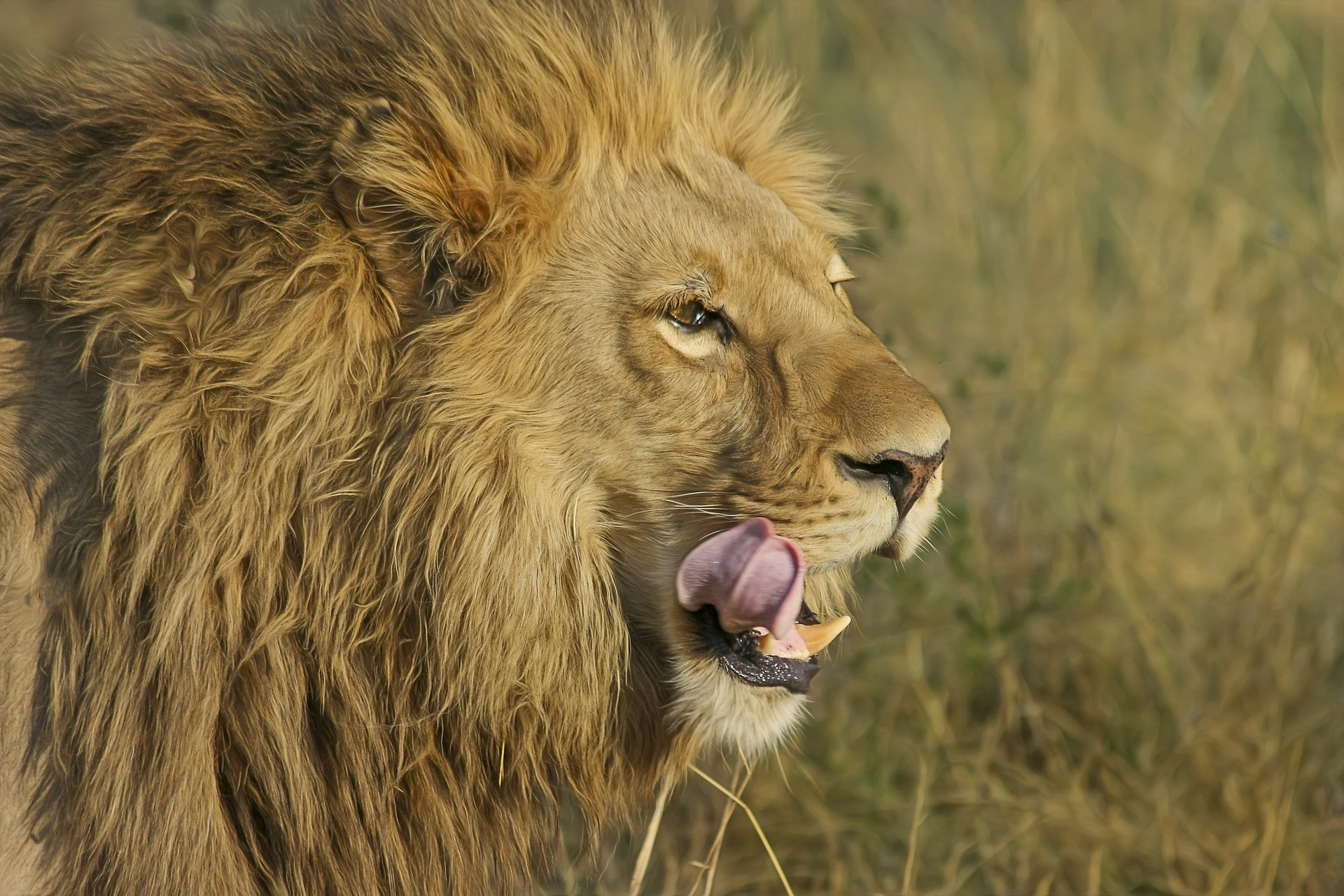
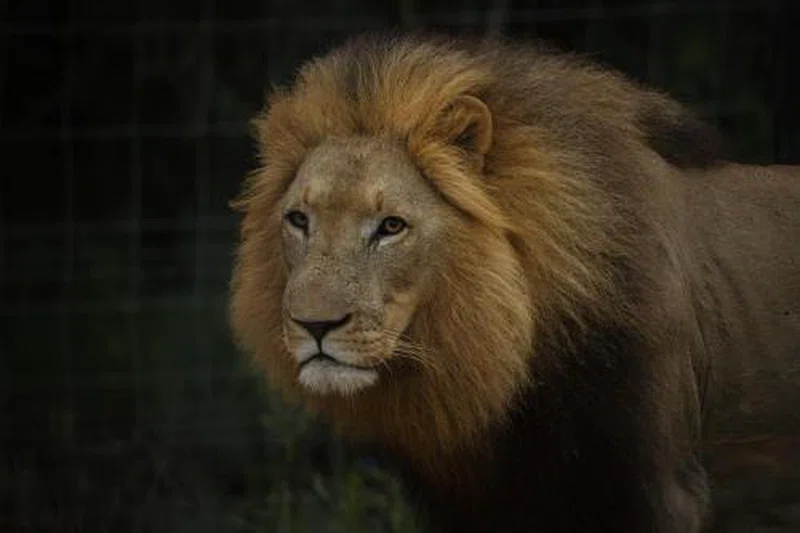
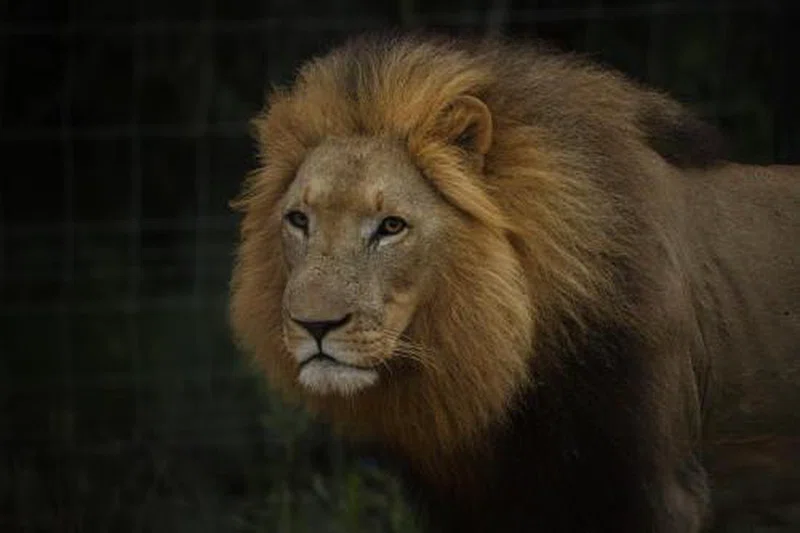
Lion
0Secretary-bird
0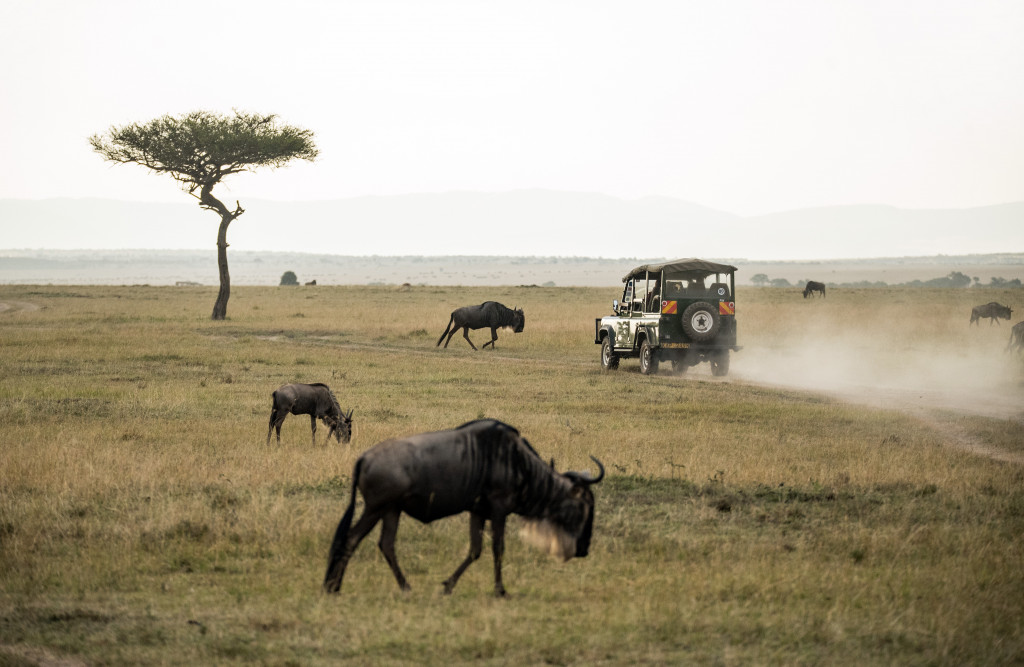
Wildebeest
3
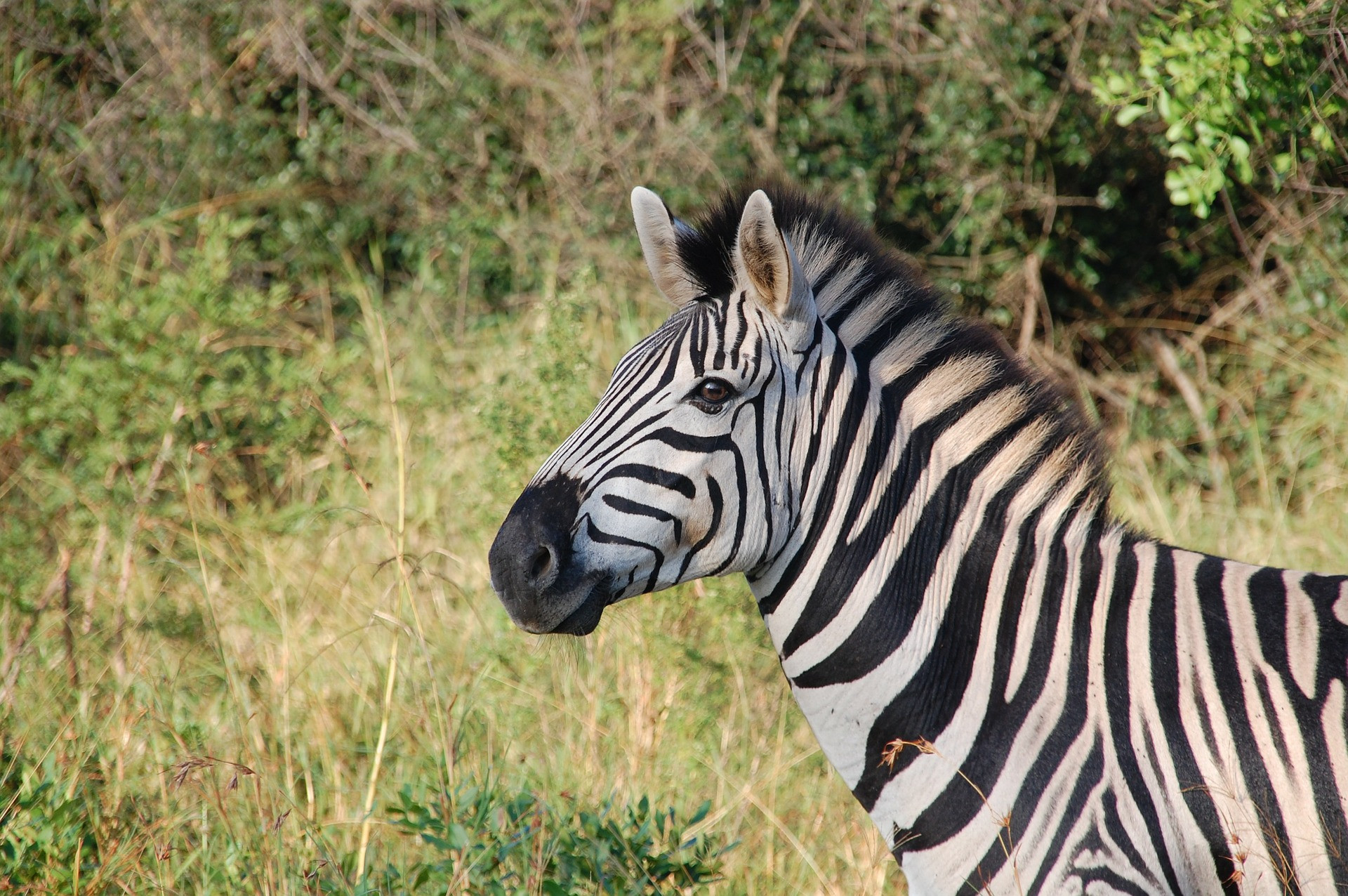
Zebra
3
Own this park or reserve?
Claim it to update its details and photos, add what you offer, reply to travellers and promote it on Wapota. It’s free.
Claim this listing →