
About
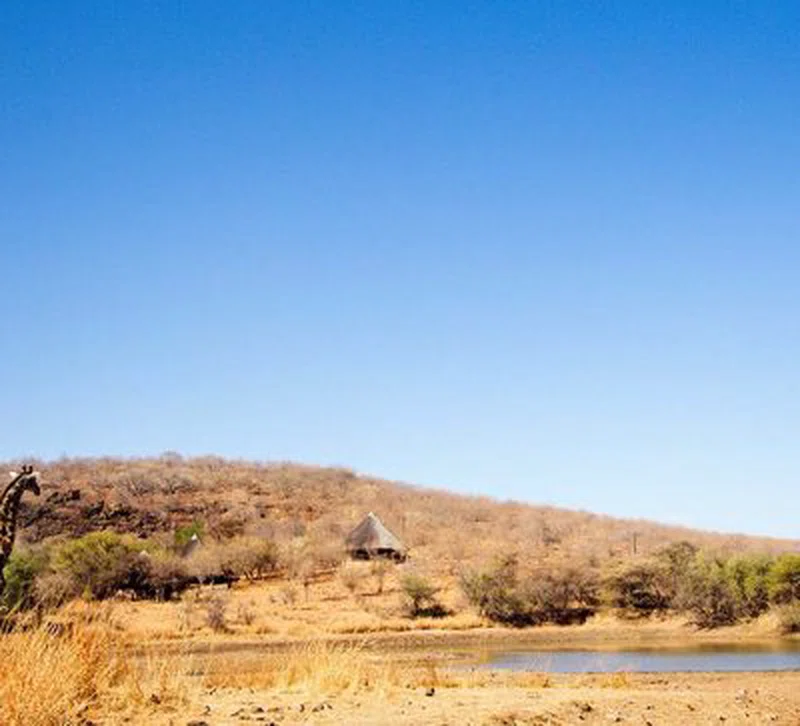
Mokolodi Nature Reserve is a private, not-for-profit game reserve located approximately 10 kilometres south of Gaborone, Botswana. Established in 1994 by The Mokolodi Wildlife Foundation, the reserve spans 3,700 hectares (37 square kilometres) of donated bushveld land, which was previously used for cattle farming. The terrain features riverine areas interspersed with rocky outcrops and includes the picturesque Lake Gwithian. It is dedicated to preserving Botswana's natural heritage and promoting environmental education.
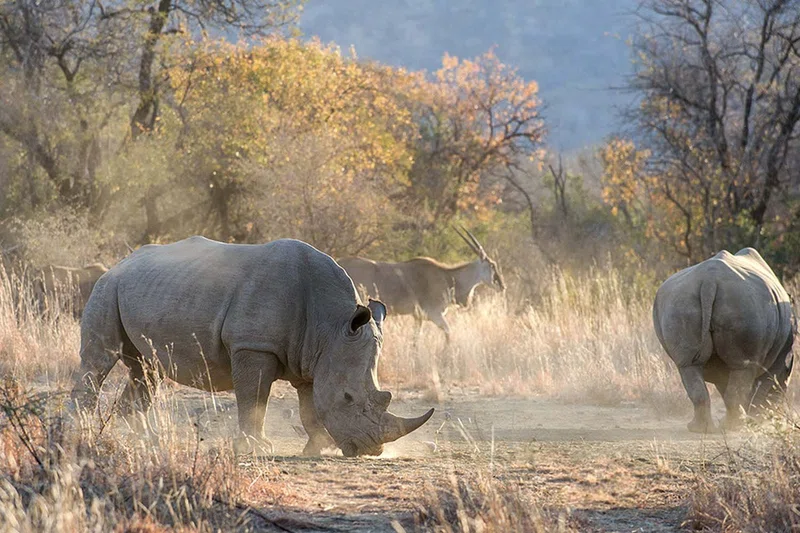
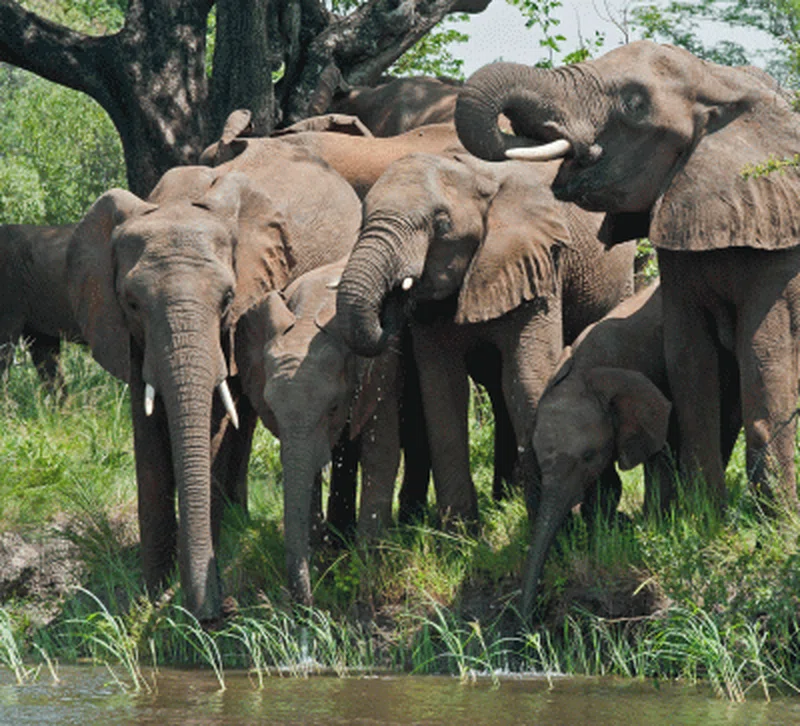
The reserve is home to a rich diversity of indigenous African animal and plant species, including several that are rare or endangered. Notable wildlife includes a successful white rhino reintroduction and breeding program, as well as cheetahs and African wild dogs housed in large, separate enclosures. Other residents include giraffe, zebra, kudu, impala, waterbuck, steenbok, blue wildebeest, gemsbok, ostrich, warthog, duiker, baboons, vervet monkeys, mountain reedbuck, eland, bushbuck, brown hyena, and leopard. Mokolodi also features a reptile park with species like black mamba, Mozambique spitting cobra, puff adder, and snouted cobra, along with an aviary for rescued white-backed and Cape vultures. The reserve provides a sanctuary for disabled or orphaned animals that cannot be returned to the wild.
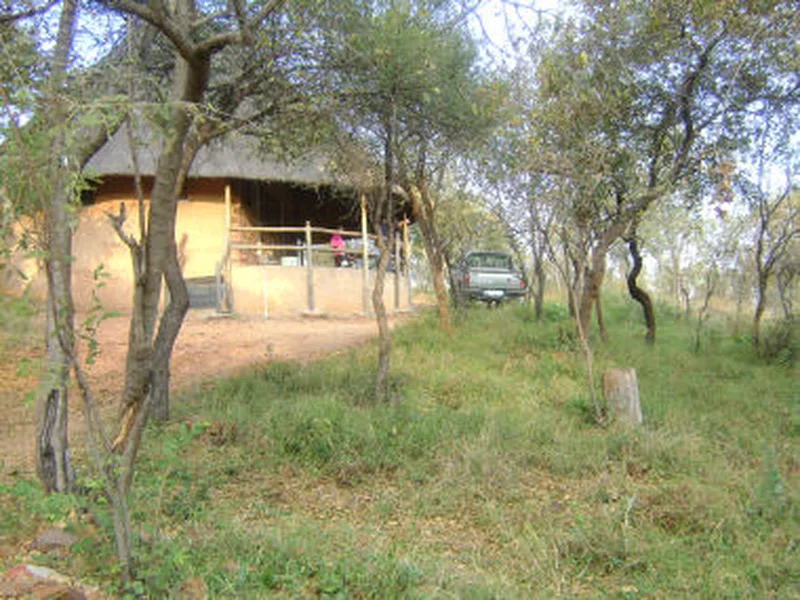
Visitors to Mokolodi Nature Reserve can engage in a variety of activities designed to immerse them in nature. These include game drives, rhino tracking, giraffe tracking, cycling, hiking on designated trails, and visits to the cheetah enclosure and reptile park. Dining options are available at the teagarden or through pre-booked bush braais. The reserve also offers accommodation in camping sites and chalets, picnic areas, and conference facilities at the World's View Conference Centre. A significant part of Mokolodi's mandate is environmental education, hosting thousands of schoolchildren annually for impactful programs. The income generated from tourism activities directly supports these conservation and educational initiatives, which include vulture rehabilitation, habitat restoration, and anti-poaching efforts.
Wildlife & Birds
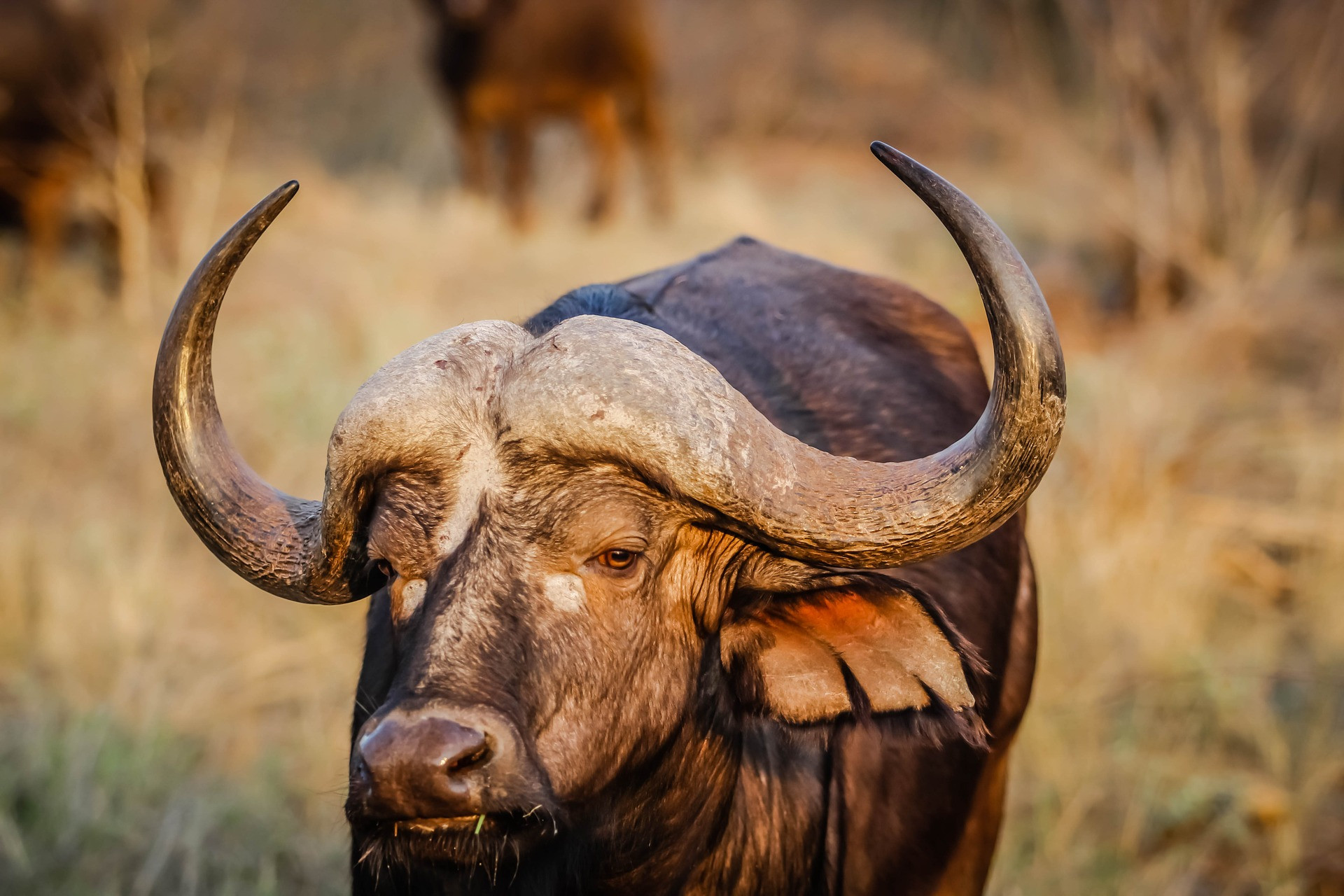
Buffalo
0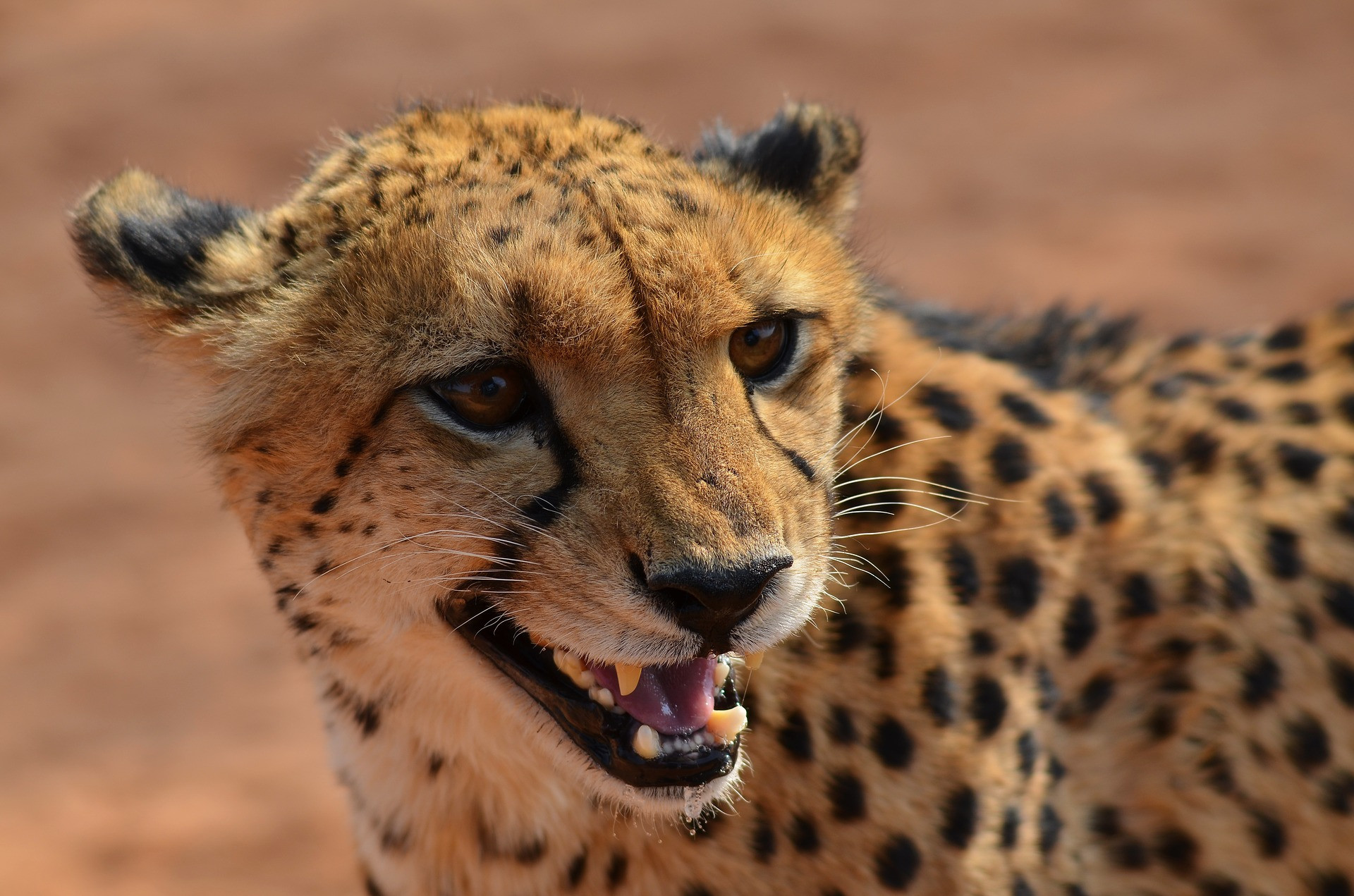
Cheetah
3
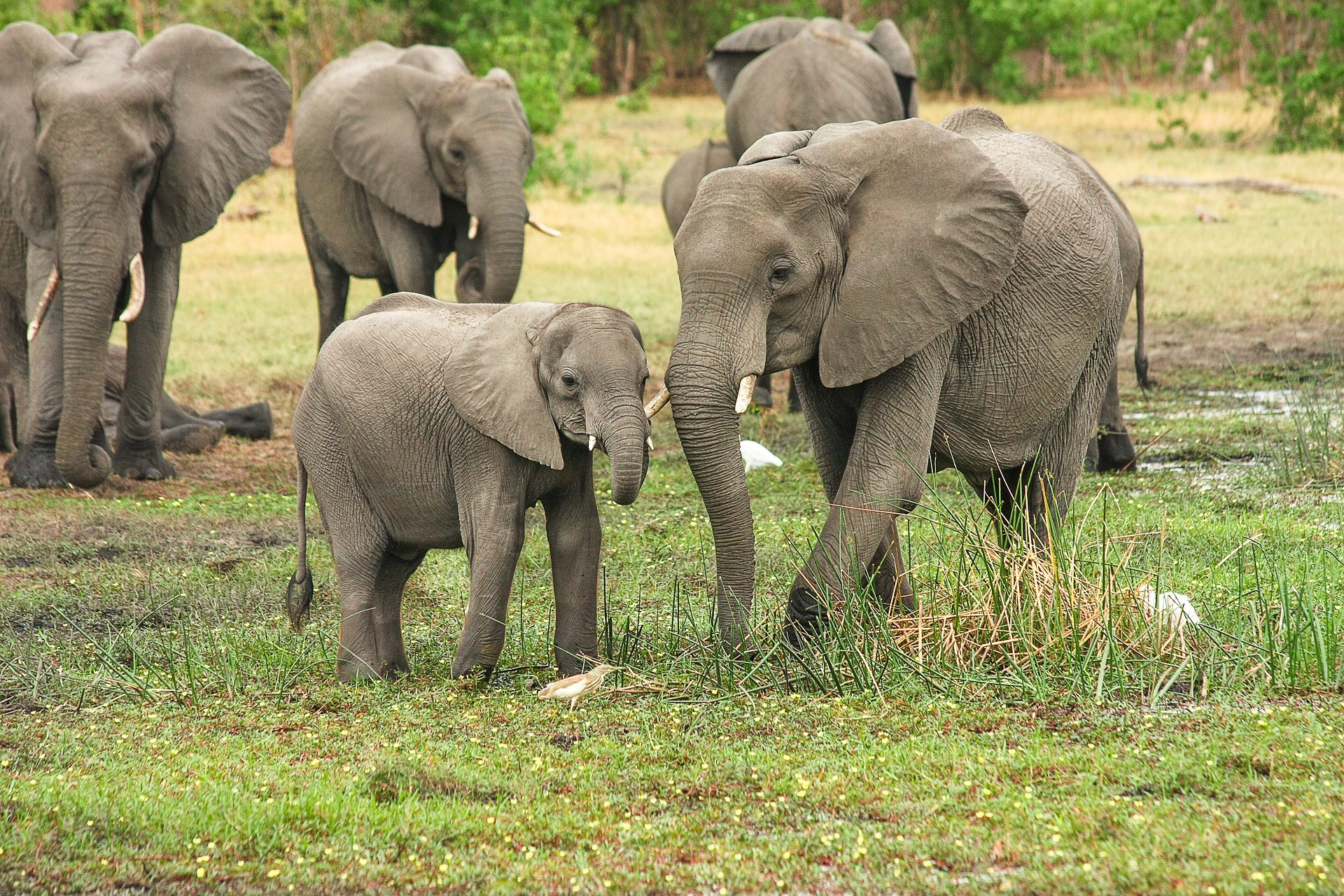
Elephant
3
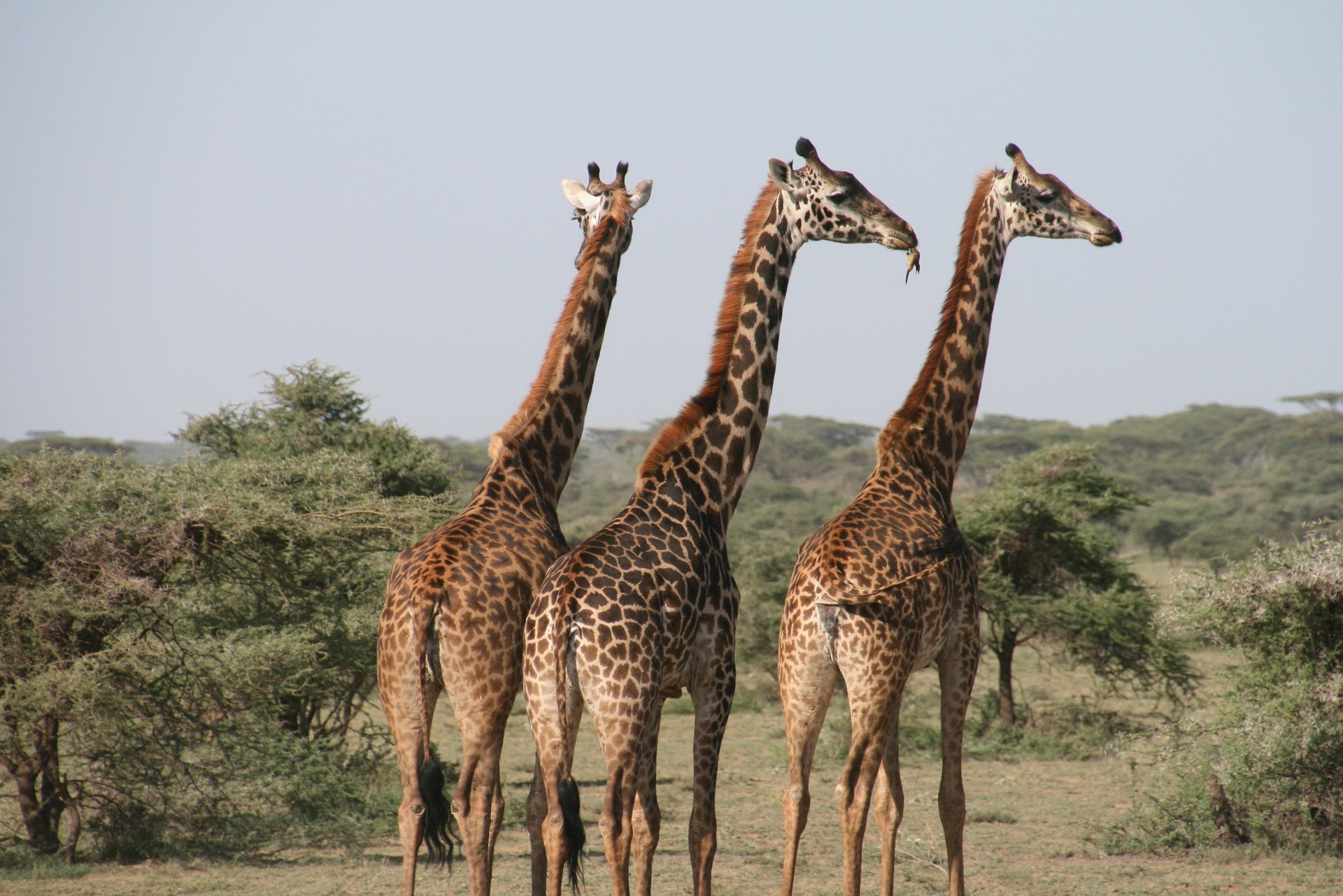
Giraffe
3
Hippo
3
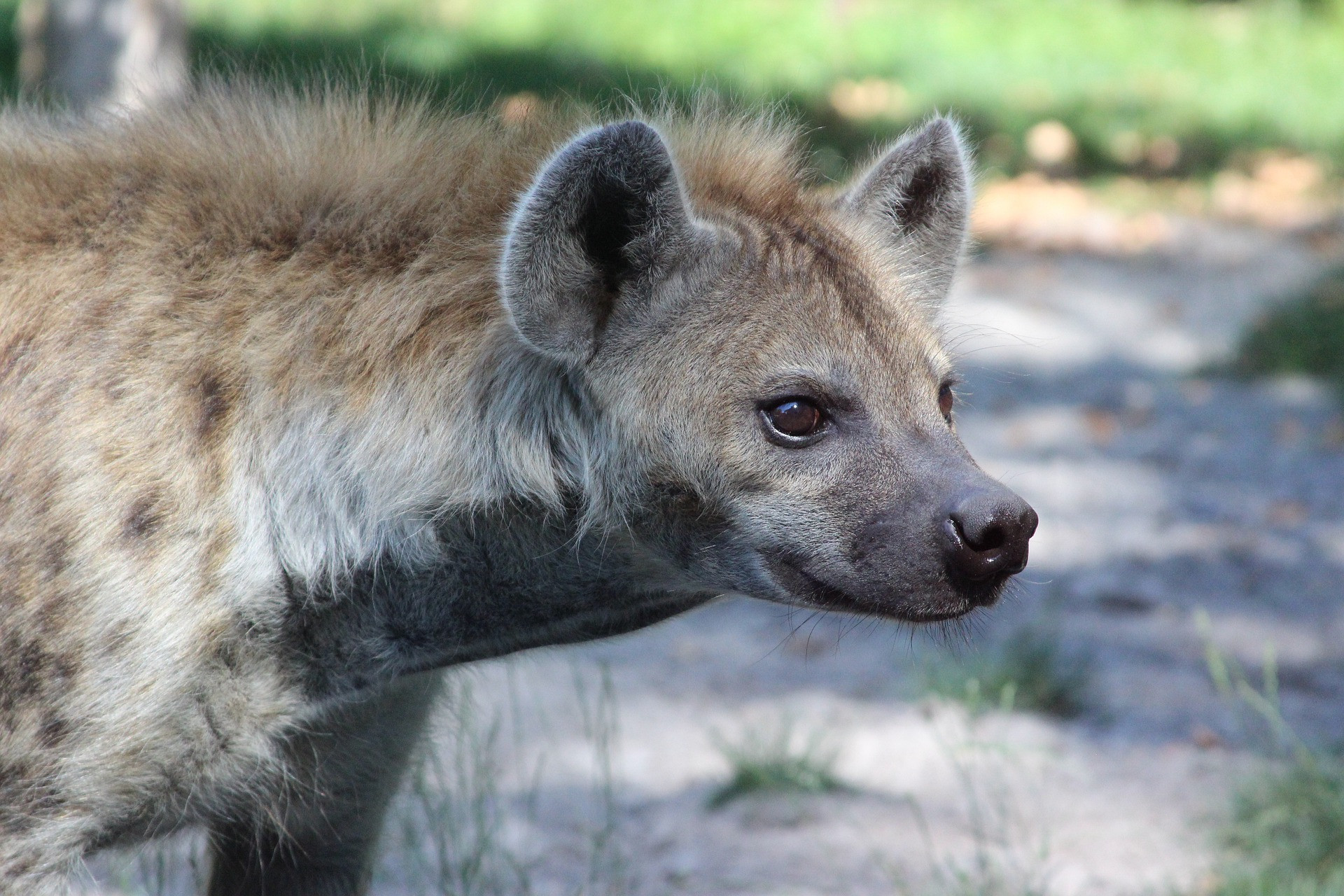
Hyena
3
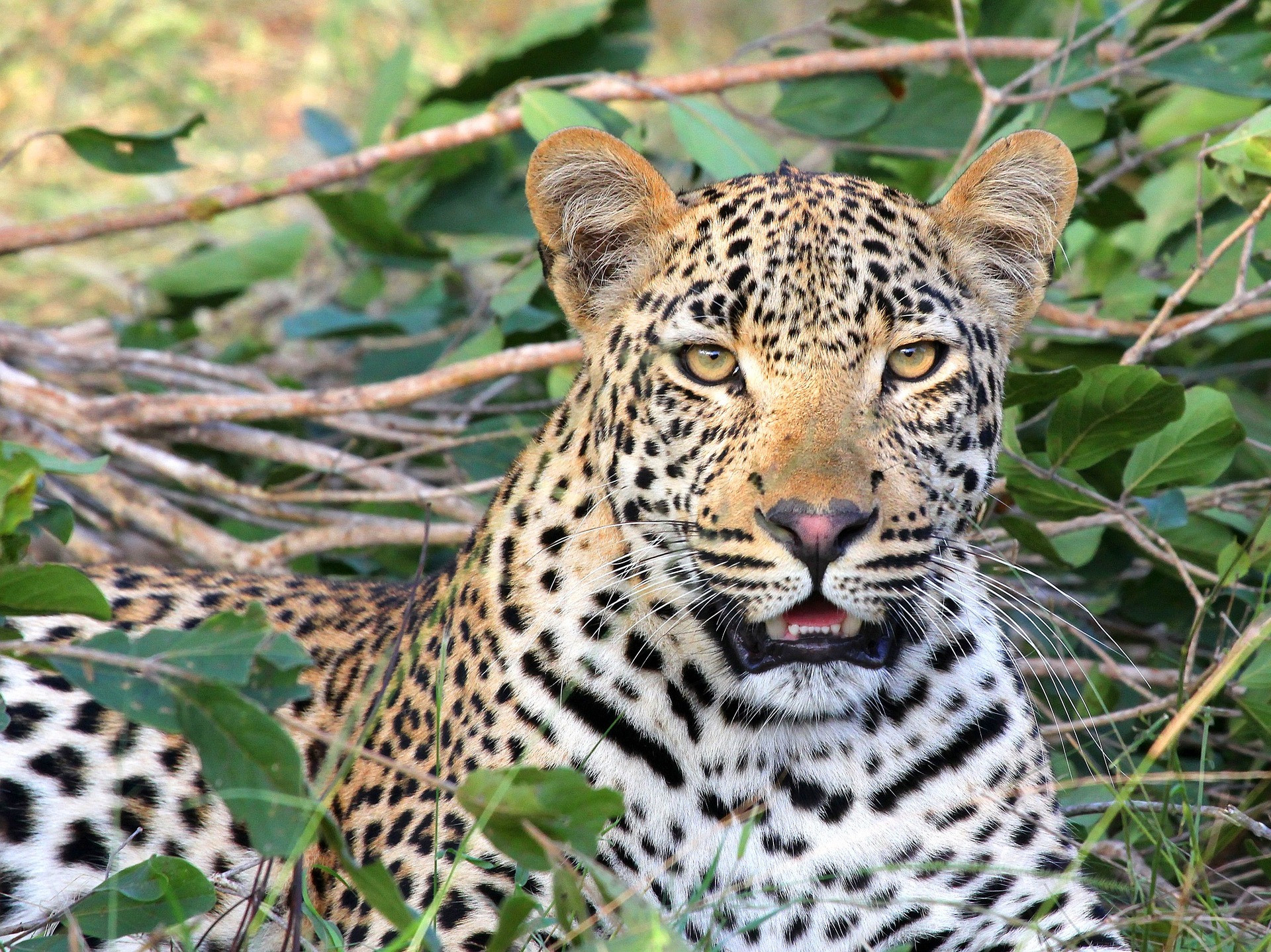
Leopard
0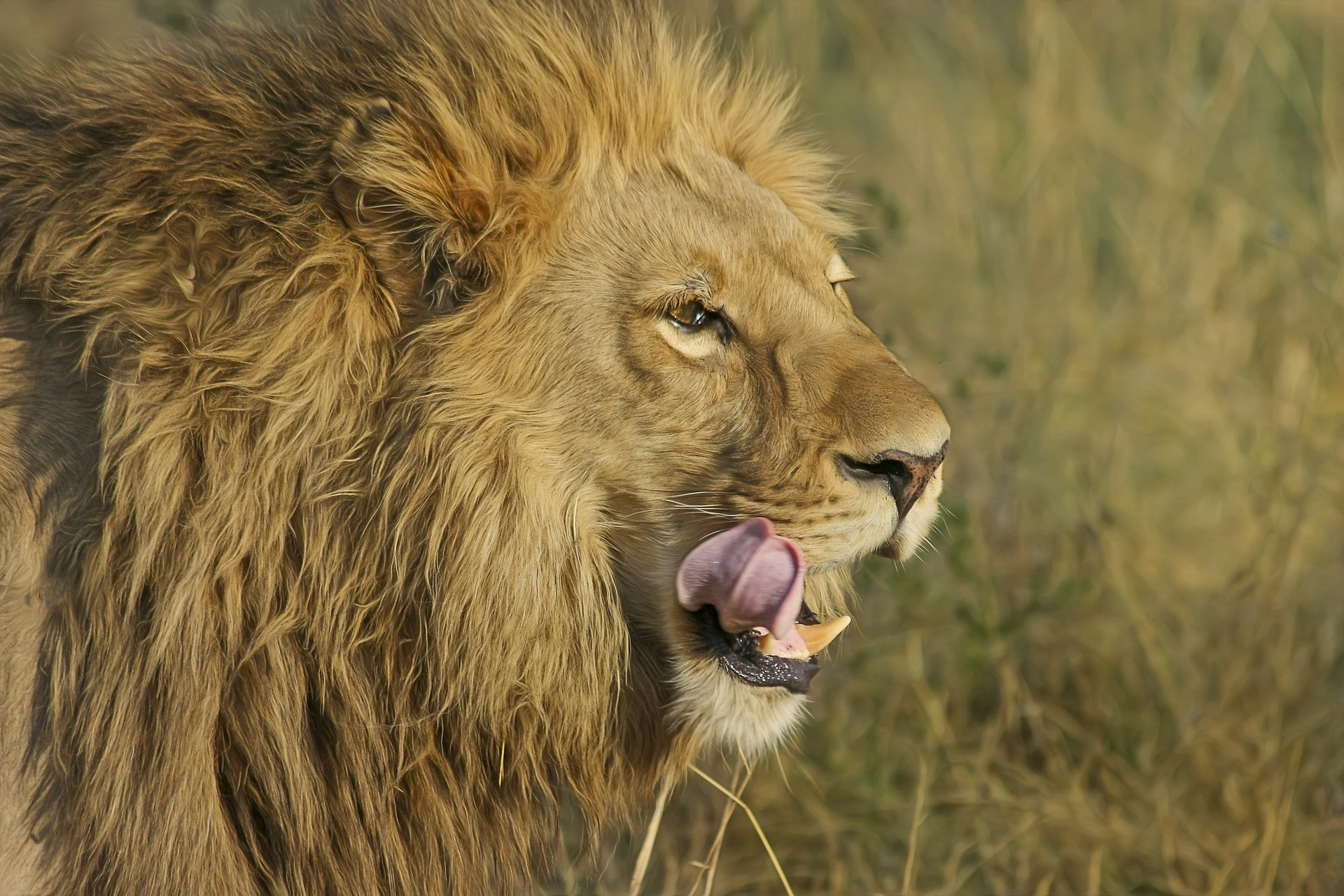
Lion
0Ostrich
3
Secretary-bird
3
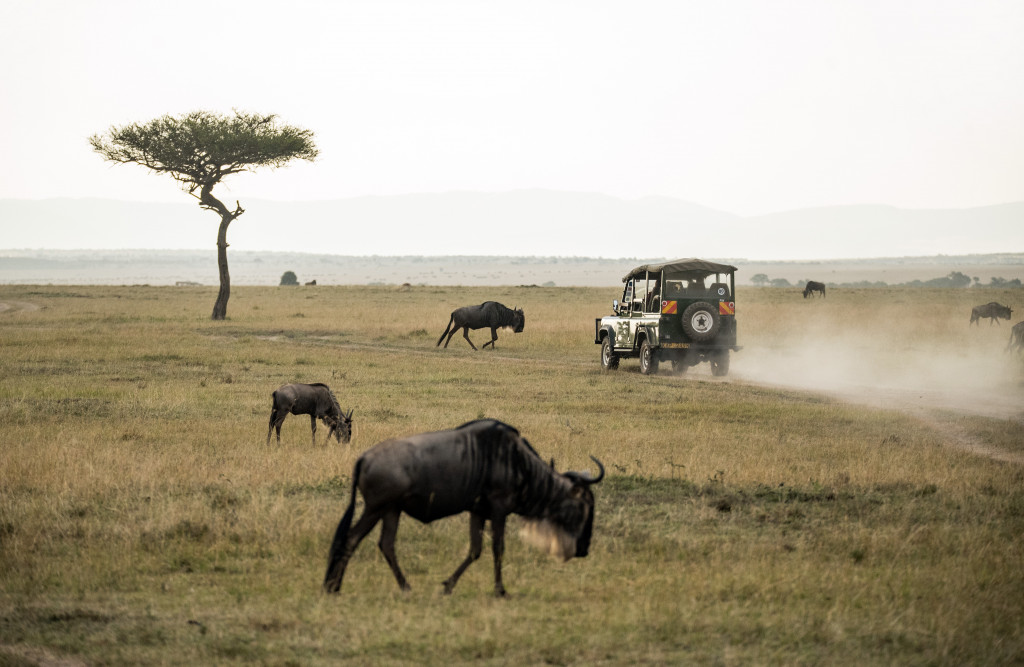
Wildebeest
0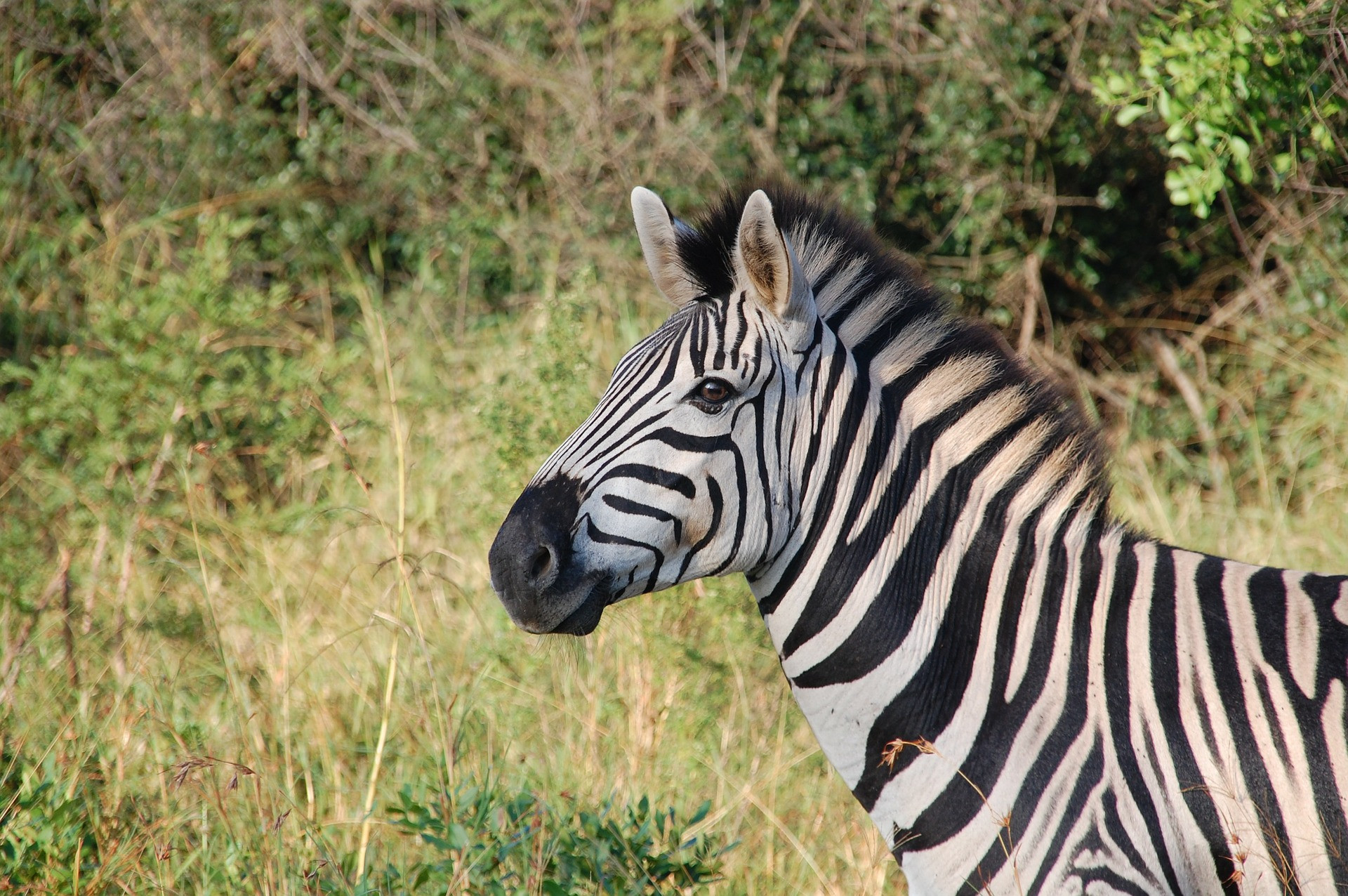
Zebra
3
White Rhino
3
Little Bee-eater
3
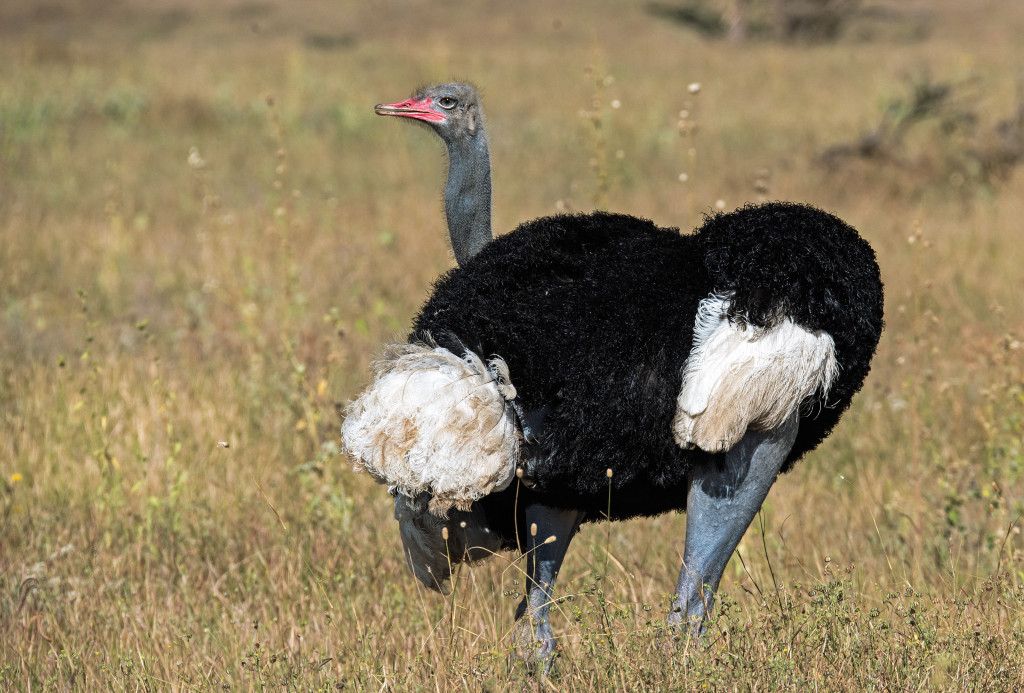
Common Ostrich
3
Purple Heron
3
Red-crested Bustard
3
Own this park or reserve?
Claim it to update its details and photos, add what you offer, reply to travellers and promote it on Wapota. It’s free.
Claim this listing →