
About
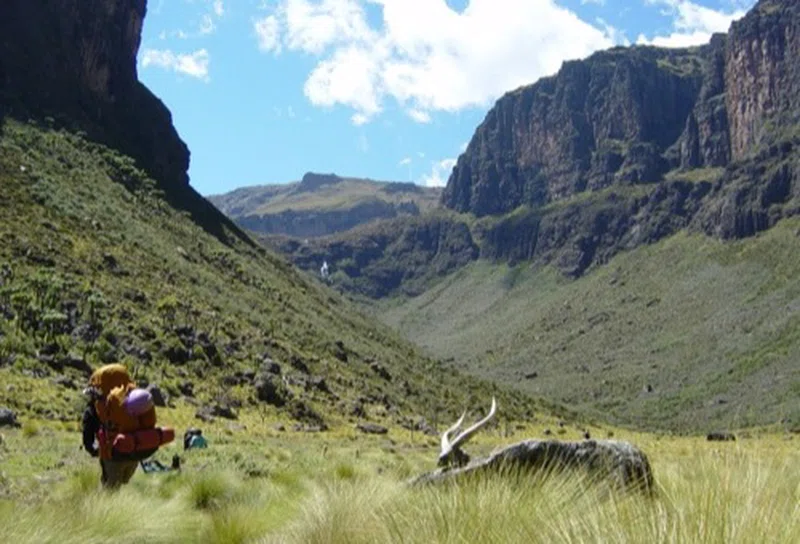
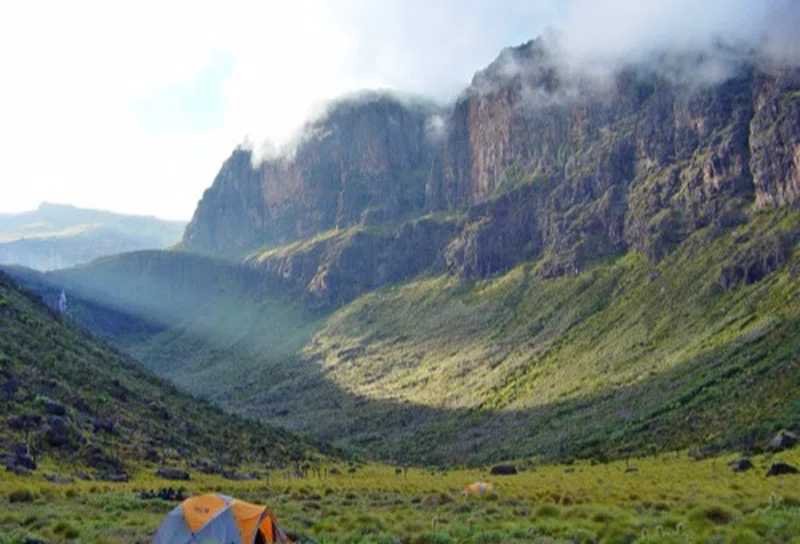
Mount Kenya is Africa's second-highest mountain, rising to 5,199 meters (17,057 feet) at its highest peak, Batian. Located approximately 150 kilometers north-northeast of Nairobi and just 16.5 kilometers south of the equator, it is the namesake of the country Kenya. The mountain is a stratovolcano that was active in the Plio-Pleistocene era, once reaching an estimated height of 7,000 meters before extensive glaciation eroded its slopes into numerous valleys radiating from the central peaks. The area was officially designated as Mount Kenya National Park in 1949 and later became a UNESCO World Heritage Site in 1997, recognized for its outstanding natural beauty and ecological significance. The park and its surrounding forest reserve are managed by the Kenya Wildlife Service and the Kenya Forest Service, serving as a vital sanctuary for endangered species and a primary water source for the region.
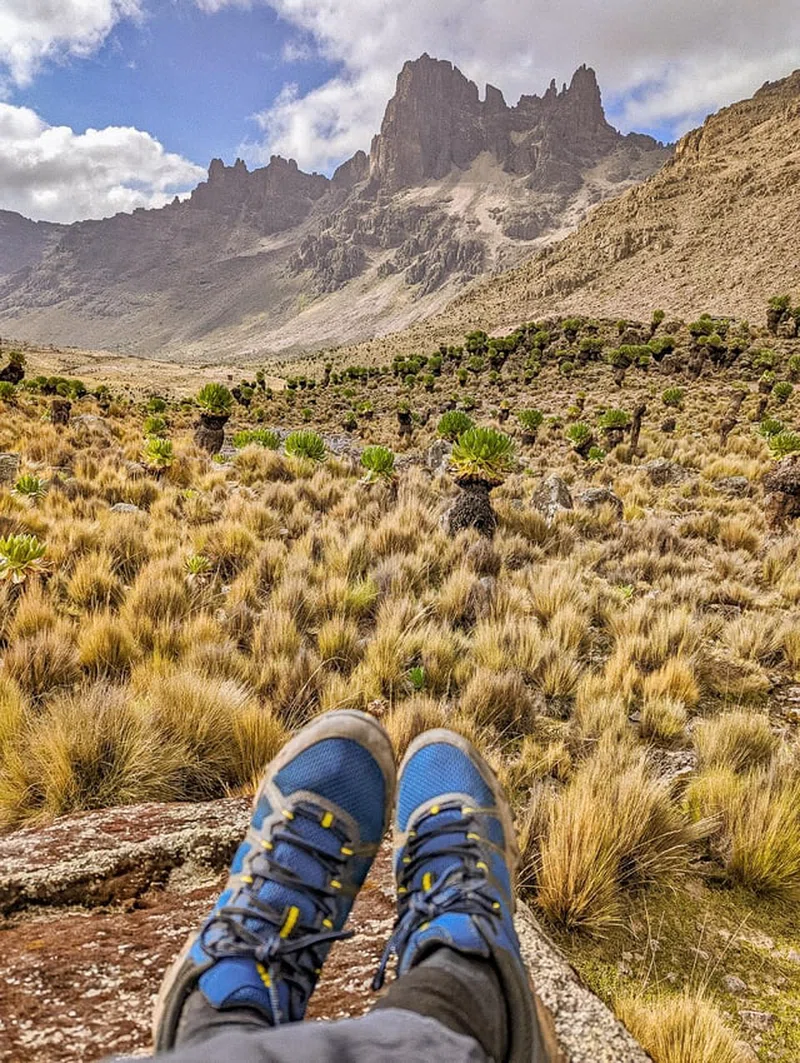
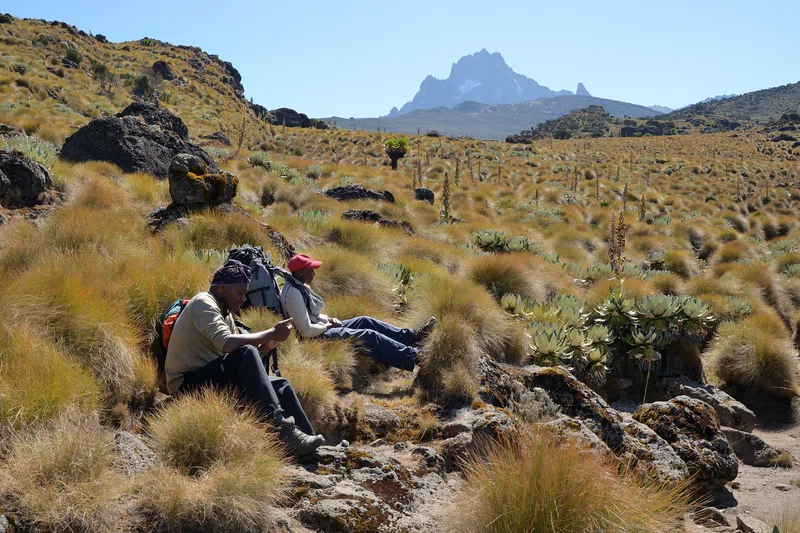
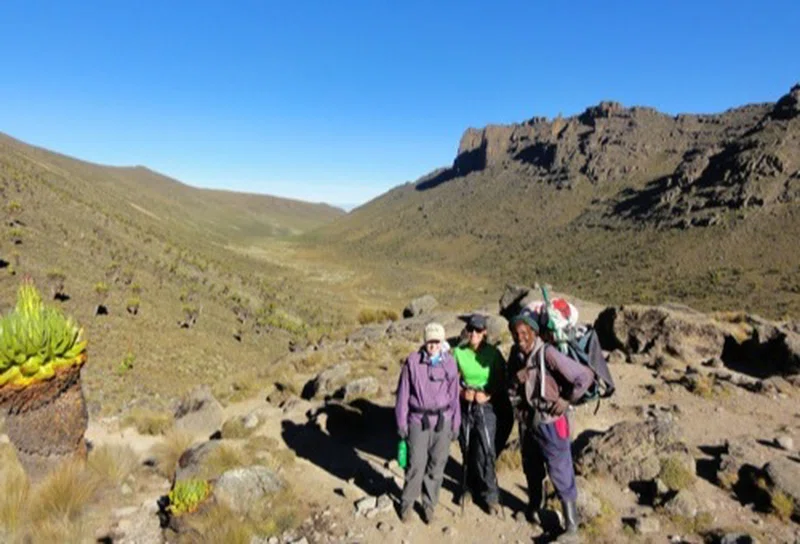
The mountain features three main peaks: Batian (5,199 m), Nelion (5,188 m), and Point Lenana (4,985 m). While Batian and Nelion require technical rock climbing, Point Lenana is accessible to experienced trekkers and is the most frequently ascended peak, attracting the majority of the 15,000 annual visitors to the national park. The central peaks are volcanic plugs that have resisted glacial erosion, giving them a craggy, alpine appearance. Mount Kenya is home to 11 small, rapidly shrinking glaciers, which are predicted to disappear by 2050. The mountain's slopes exhibit distinct vegetation zones, ranging from fertile farmland at the base, through montane forests and bamboo belts, to heathland, chaparral, and the Afro-alpine zone, which hosts endemic species like giant lobelias and senecios. The lower slopes are rich in wildlife, including various monkeys, antelopes, elephants, and buffalo, with predators like hyenas and leopards also present.
Mount Kenya holds significant cultural and spiritual importance for the local ethnic groups, including the Kikuyu, Ameru, Embu, and Maasai. The Kikuyu, living on the southern and western sides, believe the mountain is the earthly throne of God (Ngai), and their name for it, Kirima Kĩrĩ Nyaga, translates to "mountain that has the 'Nyaga' – Ostriches" or "white patches (of snow)," referring to its snow-capped peaks. The Maasai call it Ol Donyo Keri, meaning "mountain of stripes," referencing the patterns of dark volcanic rock and white snow. The mountain's unique equatorial climate results in two distinct wet and dry seasons, with mornings typically clear and cool, followed by cloud formation in the afternoon.
Own this park or reserve?
Claim it to update its details and photos, add what you offer, reply to travellers and promote it on Wapota. It’s free.
Claim this listing →