
About
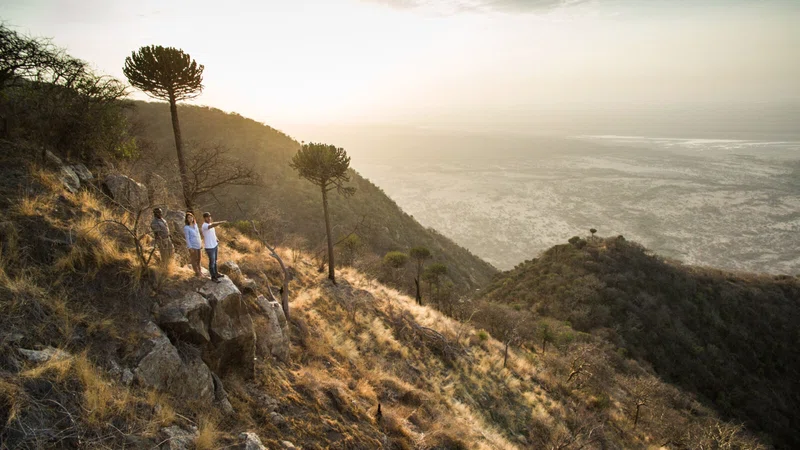
Mwabvi Wildlife Reserve, Malawi's smallest wildlife reserve, spans 135 square kilometers at the southernmost tip of the country, within the Nsanje District of the Lower Shire Valley. Established in 1953 and expanded in 1975, it is a remote and rugged wilderness, offering a sense of untouched Africa. The landscape is remarkably diverse, featuring mopane, Combretum, and dry Brachystegia woodlands, open savanna, dambo areas, and striking sandstone hills and rocky outcrops. The Mwabvi River, from which the reserve derives its name, carves impressive gorges through the terrain, and visitors can enjoy spectacular views over the Shire and Zambezi Rivers. Its challenging accessibility, requiring a 4x4 vehicle or exploration on foot, contributes to its wild and secluded atmosphere.
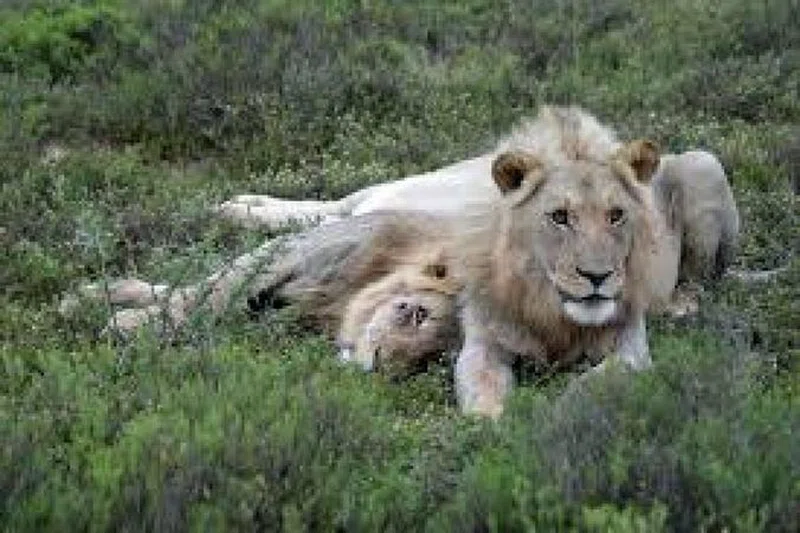
Historically, Mwabvi was a vital sanctuary for Malawi's black rhino population and once harbored all of Africa's "Big Five" game animals. However, decades of poaching significantly reduced its megafauna. Today, Cape buffalo are the only remaining "Big Five" species regularly found. The reserve still supports various antelope, including nyala, sable, greater kudu, impala, suni, and common duiker, alongside warthogs, baboons, and vervet monkeys. While larger predators like leopards, spotted hyenas, and jackals are present, they are infrequently sighted, though lions from neighboring Mozambique occasionally roam into the area. Birdwatching is a notable activity, with over 270 species recorded, such as Woodward's Batis and Black-tailed Grey Waxbill.
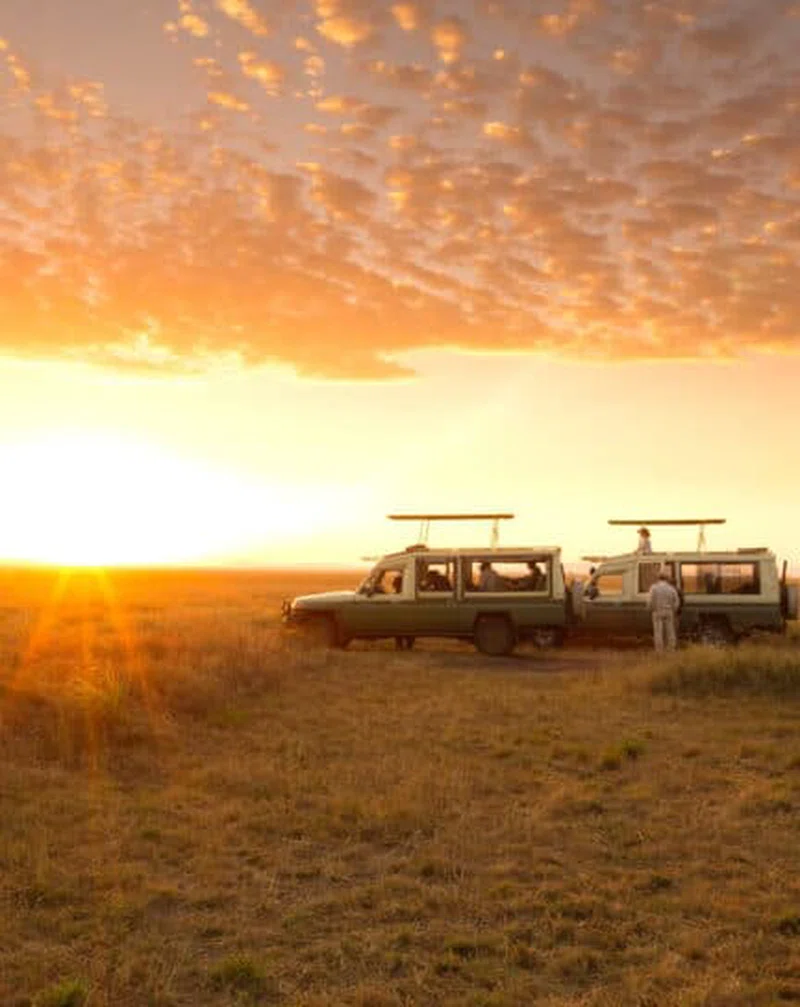
Conservation efforts are ongoing to restore Mwabvi's natural heritage. The reserve is managed by Malawi's Department of National Parks and Wildlife (DNPW), with past and present partnerships involving organizations like Project African Wilderness and the Shire Valley Conservation. These initiatives aim to protect and improve the reserve, develop eco-tourism, and enhance local community livelihoods. Activities available to visitors include self-guided game drives and guided walking safaris, which are often the most rewarding way to experience the park's scenic beauty and diverse birdlife. Accommodation options, including Chipembere Camp, Migudu Campsite, and Njati Lodge, are available both just outside and within the reserve.
Own this park or reserve?
Claim it to update its details and photos, add what you offer, reply to travellers and promote it on Wapota. It’s free.
Claim this listing →