

About
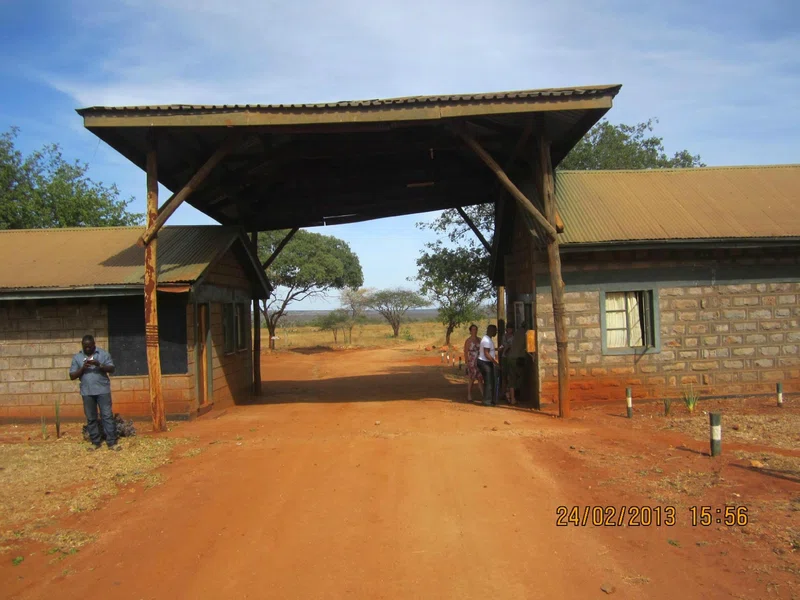
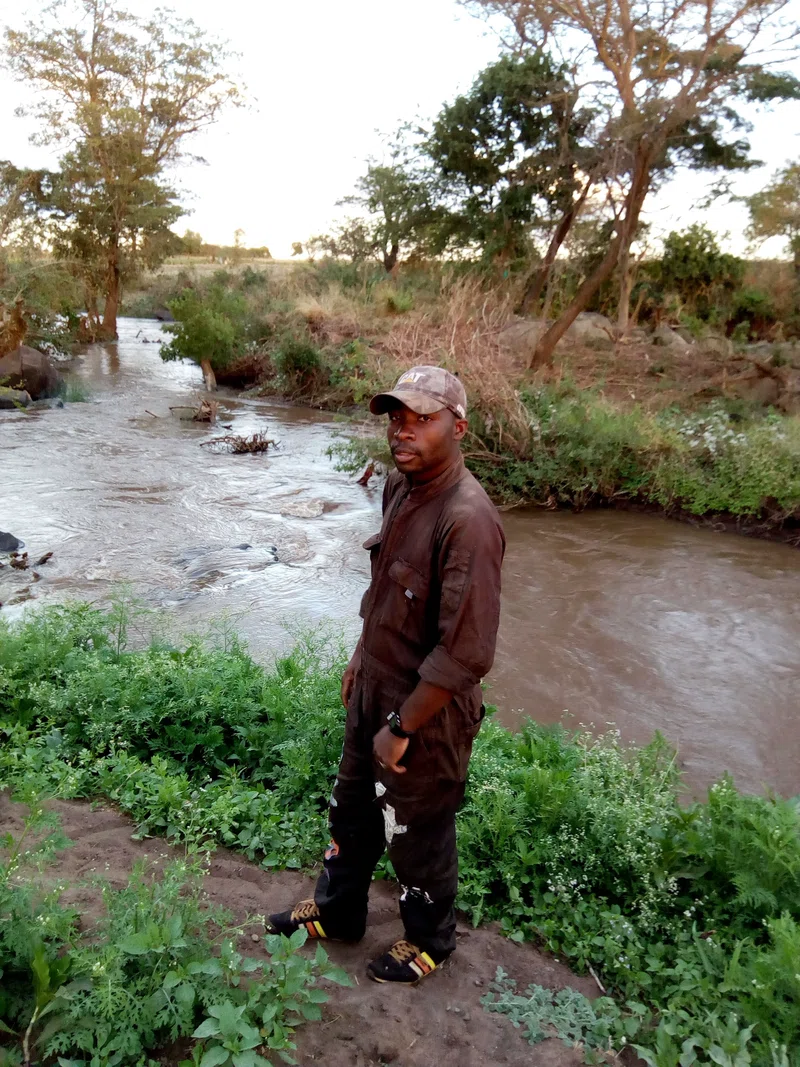
Mwea National Reserve is a tranquil wilderness oasis located in Embu County, Mbeere district, Kenya, approximately 160 to 200 kilometers from Nairobi. Situated near Siakago and northwest of the Kamburu Dam plains, the reserve's altitude ranges between 1,000 and 1,100 meters. Covering an area of 42 square kilometers (16 square miles), its ecosystem is characterized by a semi-arid landscape featuring savanna grasslands, baobab, bushy vegetation, and acacia trees, particularly the Acacia-Commiphora bushland on the north shore of Kamburu Reservoir. The reserve is shaped by the confluence of the Tana and Thiba Rivers, alongside the Kamburu and Masinga hydroelectric dams, which create rich habitats. Open grasslands dominate along the main rivers, interspersed with occasional thick undergrowth and riparian woodland.
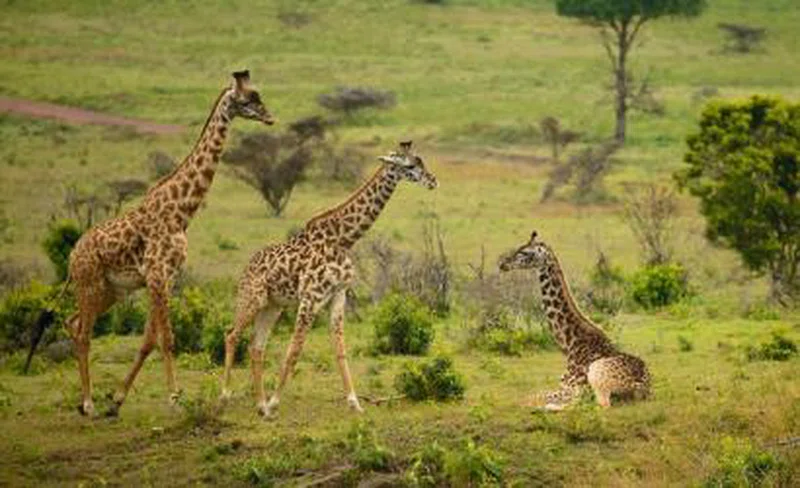
The reserve boasts a diverse array of wildlife, including African elephants, lesser kudus, Nile crocodiles, giraffes (including the rare Rothschild giraffes), Grant's zebras, buffalos, African leopards, common duikers, black-backed jackals, bushbucks, waterbucks, Sykes' monkeys, warthogs, rock hyraxes, bush pigs, impalas, and hartebeests. Smaller species such as striped ground squirrels, common genet cats, and yellow baboons are also present. Mwea National Reserve is particularly renowned as a birdwatcher's paradise, with over 200 species recorded, earning it designation as an Important Bird Area (IBA). It is the only protected area where the globally threatened and Kenya-endemic Hinde's babbler is known to occur. Other rare bird species found here include Pel's fishing owl, the white-backed night heron, and the Malagasy pond heron. Raptors like the African Fish Eagle, White-headed Vulture, Augur Buzzard, Grey Kestrel, and Lanner Falcon also inhabit the reserve.
Visitors to Mwea National Reserve can engage in various activities such as game viewing, birdwatching, and boat rides on Kamburu Dam, offering opportunities to see water birds and hippos at Hippo Point. The reserve also provides facilities for camping at its seven designated campsites (Mbogo, Silvester, Mavuria, Kyangosi, Hippo-Point, Kanyonga, and Githechu), nature-guided walks along established trails, and picnics. The reserve was gazetted in 1976 to protect wildlife habitats within the greater Tana River ecosystem. In 1996, a joint management framework was established between the Kenya Wildlife Service and Mbeere County Council (now Embu County Government) to promote conservation, sustainable tourism, and harmonious coexistence with local communities.
Own this park or reserve?
Claim it to update its details and photos, add what you offer, reply to travellers and promote it on Wapota. It’s free.
Claim this listing →