
About
Mweru Wantipa National Park, established in 1972, is located in the far northern part of Zambia, primarily within the Kaputa and Nchelenge Districts of the Luapula Province. Spanning an area of 3,134 square kilometers, the park is named after Lake Mweru Wantipa, a shallow, swampy body of water whose name translates to "lake with muddy waters" in the Bemba language. The park's terrain is a diverse mosaic of wetlands, woodlands, and dense, almost impenetrable bush, including the rare and endangered Itigi-Sumbu thicket, a unique vegetation type found in only one other location in central Tanzania. The lake and its surrounding areas lie at a comparatively low altitude, between 900-1000m, with the land gradually rising to over 1400m in the west, where miombo woodlands and dambos predominate. The climate is tropical, characterized by a distinct wet season from November to April and a dry season from May to October. Historically, the lake's water levels fluctuated significantly, but a dam has been constructed, leading to much of the area remaining permanently flooded.
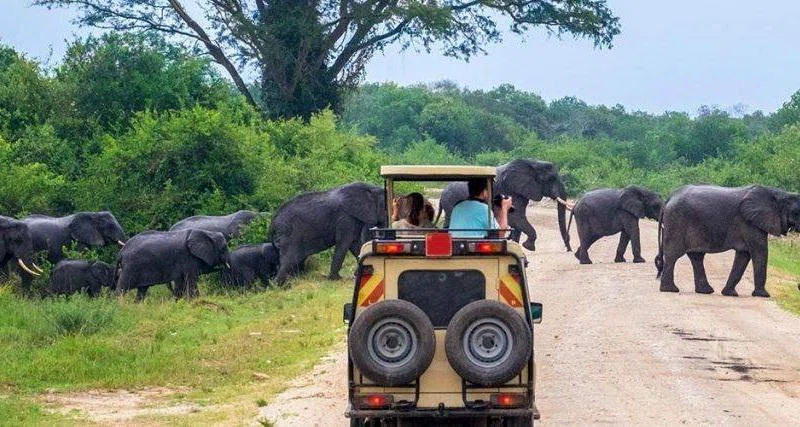
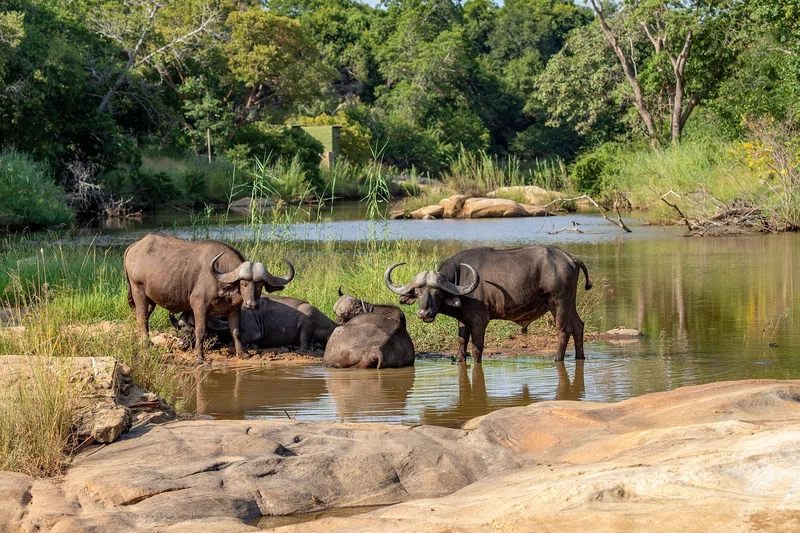
Despite its remote location and limited tourist infrastructure, Mweru Wantipa National Park supports a variety of wildlife, particularly concentrated around water sources during the dry season. While poaching has significantly depleted populations of larger mammals like elephants and lions, small herds of buffalo are still present. The park is home to bushbuck, puku, roan antelope, eland, zebra, waterbuck, duiker, grysbok, warthog, sitatung, and klipspringer. Hippopotamuses are abundant in the lakeshore sections and permanent streams, alongside Nile crocodiles. The park is a haven for birdlife, especially waterbirds, with numerous species of ducks, ibises, herons, saddlebill, openbill, and white pelicans recorded. Rare sightings of the shoebill stork have also been noted in the marshes, along with wattled cranes and African fish eagles. The lake's fish populations, including tiger fish and various bream species, support both local fishing communities and sport fishing.
Mweru Wantipa National Park is one of Zambia's least-visited protected areas, offering an off-the-beaten-path experience for adventurous travelers. There are no commercial lodges within the park, though camping is possible along the lakeshore at Zambia Wildlife Authority (ZAWA) sites. Access to the park, primarily from Nchelenge, requires a high-clearance four-wheel-drive vehicle and self-sufficiency, as roads are unmaintained and can become impassable during the rainy season (December to March). The best time to visit is during the dry season, from June to August, when wildlife congregates near water and roads are more accessible. The park also offers a unique cultural dimension through its interaction with local Bemba fishing villages, providing opportunities for community-based tourism, including traditional fishing expeditions and cultural workshops. Conservation efforts are underway, in partnership with local communities, to address challenges like habitat degradation and overfishing, with plans to restore wildlife populations and improve eco-tourism facilities.
Own this park or reserve?
Claim it to update its details and photos, add what you offer, reply to travellers and promote it on Wapota. It’s free.
Claim this listing →