
About
Mara Naboisho Conservancy is a 60,000-acre community-led wildlife conservation area located in Kenya, directly bordering the renowned Masai Mara National Reserve to its southwest. The name "Naboisho" translates to "coming together" in Maa, signifying the collaborative effort of over 500 Maasai landowners who united to dedicate their ancestral lands to wildlife protection and sustainable tourism. Established in 2010, the conservancy plays a crucial role in the broader Mara-Serengeti ecosystem, providing vital habitat and migration corridors. Its diverse landscape encompasses picturesque rolling hills, expansive grasslands, and riverine acacia woodlands, creating a rich and varied environment for its inhabitants.
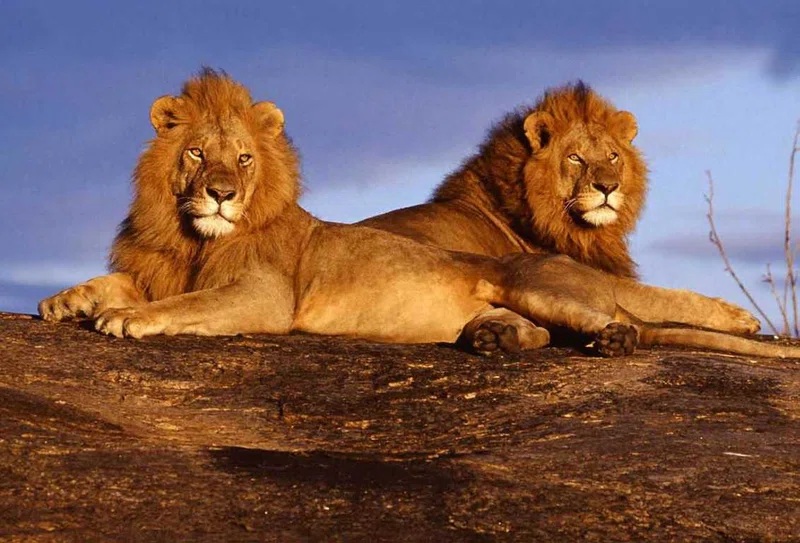
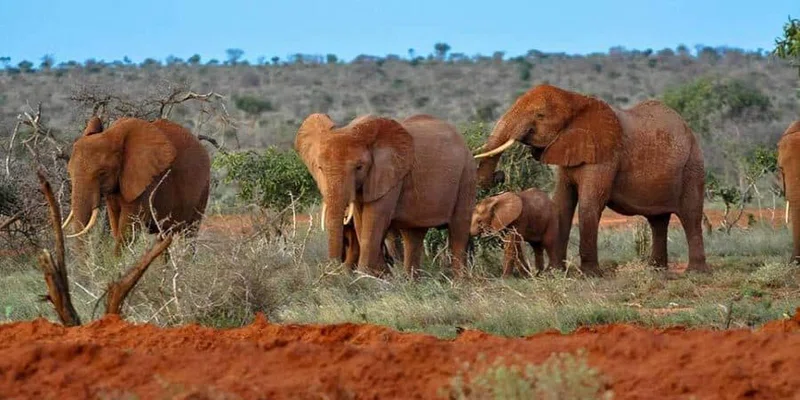
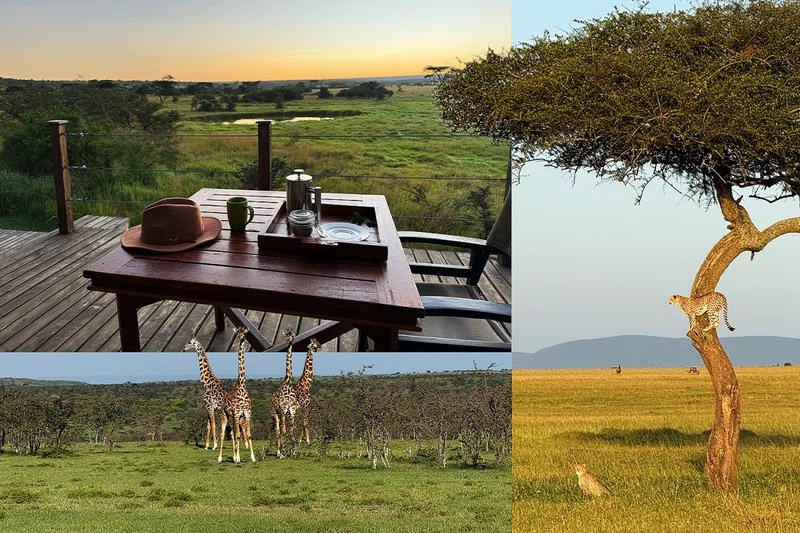
The conservancy is celebrated for its exceptional wildlife density, particularly its lion population, which is among the highest in Africa, with 70-100 identified lions, including a large pride of 22 individuals. Beyond the big cats, Naboisho is home to significant herds of elephant, giraffe, wildebeest, and zebra, as well as resident leopards and a variety of plains game. The unfenced boundary with the Masai Mara National Reserve allows for natural animal movement, enhancing the wildlife viewing experience. Bird enthusiasts will also find Naboisho a rewarding destination, with rare species such as white-headed buffalo-weavers, pygmy falcons, and bush pipits inhabiting the area.
Naboisho Conservancy operates on a responsible, low-volume, and low-impact tourism model, featuring only nine safari camps to ensure an exclusive and intimate safari experience with minimal vehicle traffic. This approach allows for a more personal connection with the wilderness, often providing sightings without the crowds found in busier national parks. Activities offered include traditional day and thrilling night game drives, off-road driving for closer wildlife encounters, guided walking safaris to explore the smaller ecosystems, and adventurous fly camping experiences. Guests can also engage in enriching cultural excursions to nearby Maasai villages, gaining insight into their traditions and daily life. The conservancy's unique model ensures that tourism directly benefits the Maasai landowners through lease payments, community services, and employment opportunities, fostering a sustainable future where both people and wildlife thrive.
Own this park or reserve?
Claim it to update its details and photos, add what you offer, reply to travellers and promote it on Wapota. It’s free.
Claim this listing →