
About
The Namib Carnivore Conservation Centre (NCCC) is a dedicated carnivore research and education facility situated in southern Namibia, approximately 6 kilometers from the small town of Solitaire. Nestled at the base of the Rantberg Mountains and bordering the Namib Naukluft Park, the center was established on June 27, 2011, as a collaborative effort between the N/a'an ku se Foundation and Solitaire Guest Farm Desert Ranch, which serves as its operational base. The NCCC's core mission is to safeguard wild carnivore populations, foster education, and inspire conservation efforts, with a particular emphasis on mitigating human-wildlife conflicts in Namibia through rigorous scientific research on cheetahs, leopards, and hyenas.
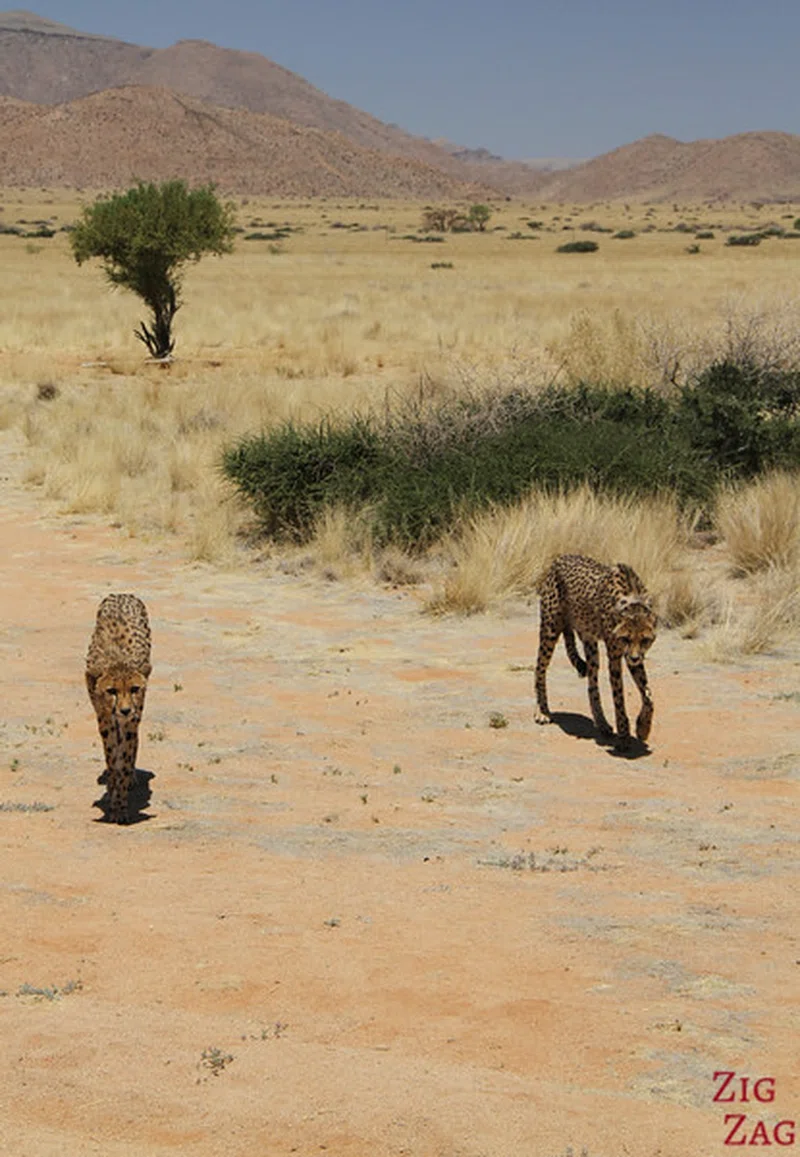
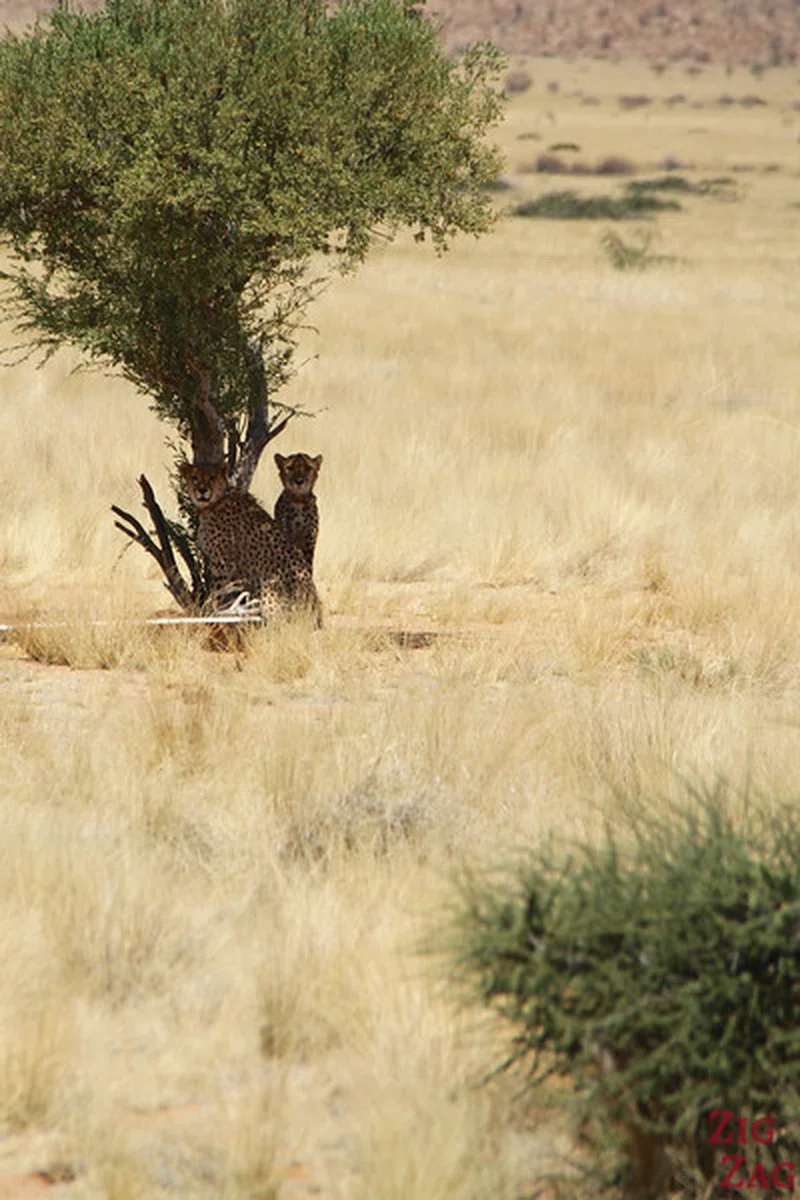
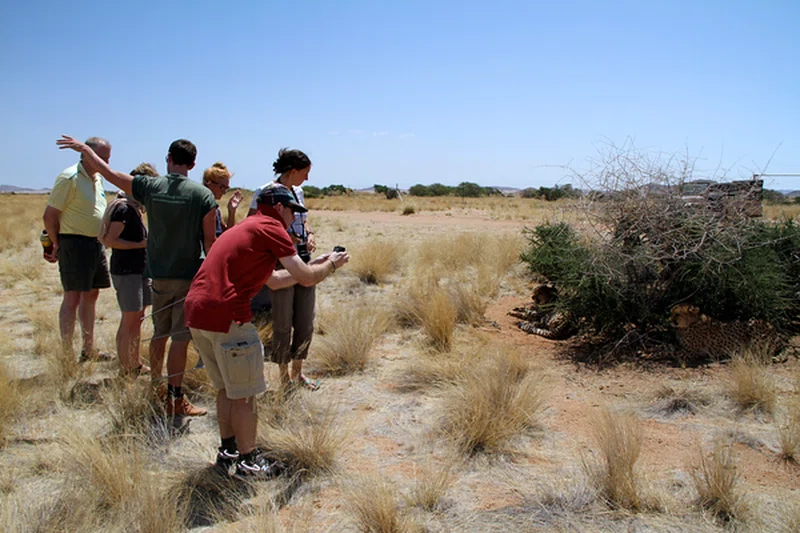
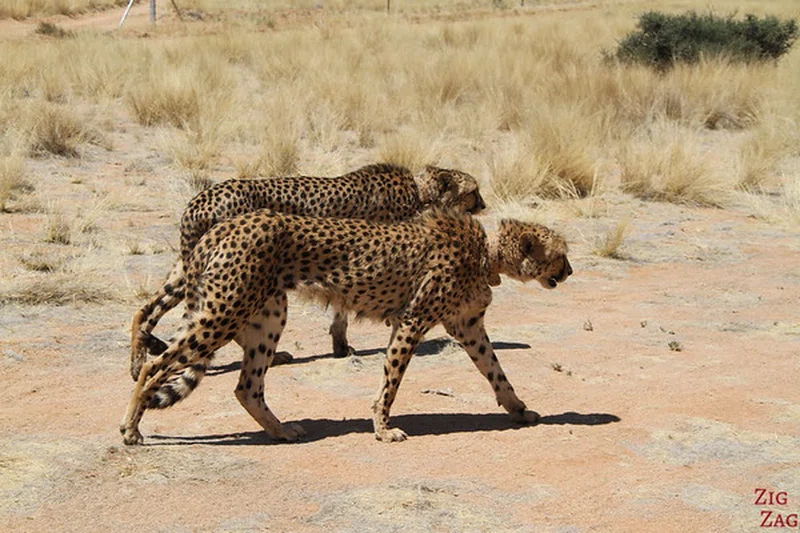
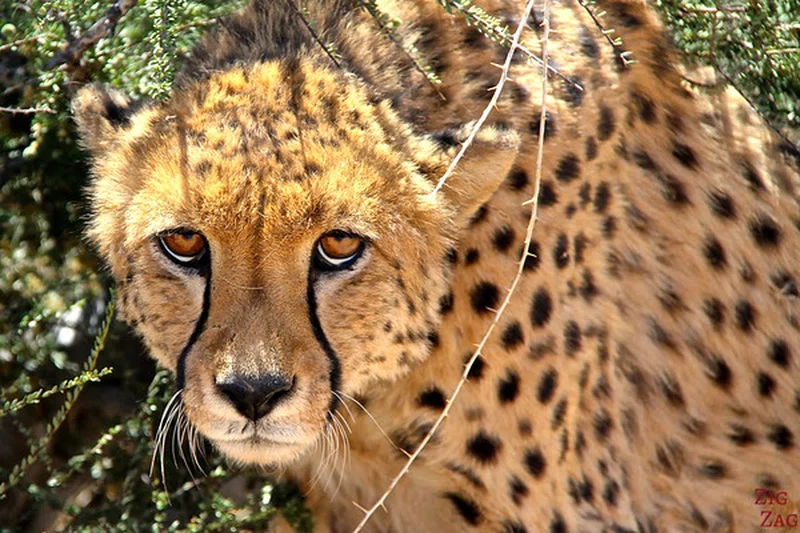
A key feature of the NCCC is its expansive 500-hectare "soft-release" enclosure. This specialized area is designed to facilitate the environmental adjustment of formerly captive cheetahs, preparing them for successful reintroduction into the wild. While more robust predators like leopards can often be released directly, cheetahs benefit significantly from this acclimatization period. In addition to its rehabilitation work, the center is home to six ambassador cheetahs, providing a unique opportunity for visitors to engage in cheetah tracking safaris. These safaris involve accompanying a wildlife biologist to locate the cats using radio-telemetry, followed by an on-foot excursion through the bush for an intimate encounter.
Beyond its focus on cheetahs, the NCCC actively monitors a broader range of local wildlife. Camera traps strategically placed throughout the site have captured compelling images of leopards, spotted hyenas, brown hyenas, caracals, and bat-eared foxes, highlighting the rich biodiversity of the region. The center's comprehensive objectives include the rehabilitation and reintroduction of large carnivores, providing support for human-wildlife conflict resolution, conducting ongoing studies of the carnivore and game populations within the Solitaire Guest Farm area, and generating funds for research and educational initiatives through low-impact eco-tourism. The NCCC also collaborates with universities and colleges to offer student internships, contributing to the development of future conservationists.
Own this park or reserve?
Claim it to update its details and photos, add what you offer, reply to travellers and promote it on Wapota. It’s free.
Claim this listing →